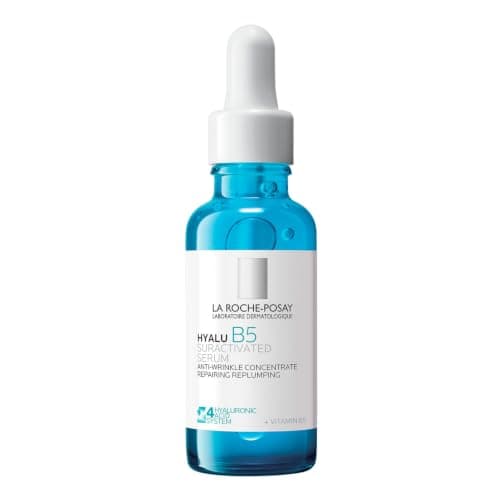
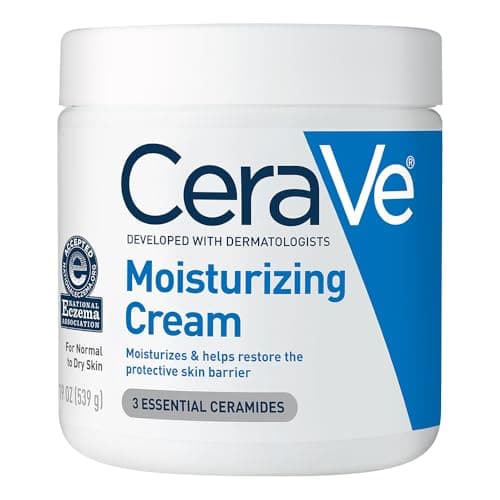
Start with the fact that reframes the whole question: CeraVe and La Roche-Posay are owned by the same company.La Roche-Posay has been a L'Oreal brand since the late 1980s. CeraVe joined it in 2017, when L'Oreal bought CeraVe, AcneFree and AMBI from Valeant for $1.3 billion and dropped all three into the same division that already held La Roche-Posay, Vichy and SkinCeuticals. The brand war you are shopping is an internal product-line decision.
That matters because it explains the pattern. These are not two rival philosophies; they are two price tiers aimed at two shoppers. CeraVe is sold in a 19 oz tub at a drugstore. La Roche-Posay is sold in a 2.5 oz tube at a pharmacy counter. Same parent, same regulatory apparatus, same access to formulation science — and a per-ounce gap that is far larger than anything on the ingredient lists would justify.
So the honest comparison is not "which brand is better". It is: for each step of a routine, is the La Roche-Posay version different enough to pay for? Below, three matched pairs — moisturizer, cleanser, hydrating serum — plus the three remaining steps handled in prose. The short version is that CeraVe wins on formula completeness and value at four steps out of six, La Roche-Posay wins on texture at every step, and exactly one of those wins is worth real money.
What each brand's signature actually is
Both lines are built around one idea, and the ideas are different enough to be worth naming properly.
CeraVe is a lipid-replacement line. Its hallmark across almost the whole range is three ceramides — NP, AP and EOP, formerly numbered 1, 3 and 6-II — plus cholesterol and phytosphingosine, delivered in a licensed slow-release vehicle the brand calls MVE. That combination is not marketing invention: ceramides, cholesterol and free fatty acids are the three lipid classes that make up the mortar between the cells of your outer skin, and replacing all three is a more complete intervention than replacing one. Our ceramides guide covers the mechanism, and does CeraVe actually repair your skin barrier? covers the evidence, including its limits.
La Roche-Posay is a tolerance line.Its hallmark is the Toleriane platform: short formulas, no fragrance, selenium-rich thermal spring water from the town the brand is named after, and in the newer products a single ceramide plus niacinamide. The brand's historical competence is in making products that reactive, rosacea-prone, post-procedure and dermatology-patient skin tolerates, and it is genuinely good at that. The textures are the best in the pharmacy aisle.
The limit both brands share
Neither company publishes the concentration of ceramides in any product. Not CeraVe, not La Roche-Posay, not anyone else in the category. That is the single most important thing to know before you spend money on a comparison like this, because it means no one — including us — can tell you whether three ceramides at unknown percentages beat one ceramide at an unknown percentage. What we can tell you is which lipid classes are declared, and in what order. CeraVe declares more of them. That is a real difference in kind, and an unquantified one in degree, and we would rather say both halves of that than pick the half that makes a cleaner headline.
The second shared limit: most of the published clinical work on either brand's products is manufacturer-sponsored. The National Eczema Association Seal that several CeraVe products carry is a voluntary suitability review of ingredients and labeling, not a finding of efficacy. None of that makes the products bad. It does mean the honest comparison runs on ingredient lists, which is what this page does.
Step by step: which one to buy
Cleanser — buy CeraVe
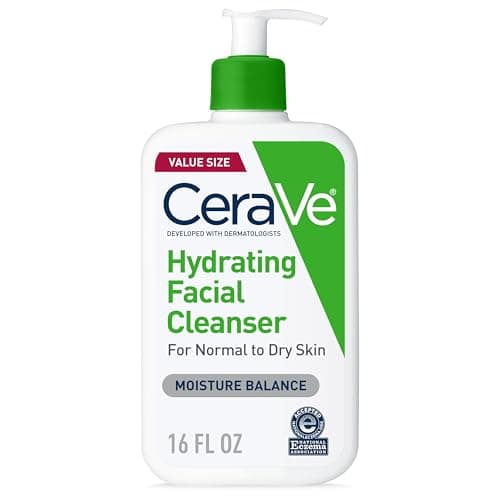
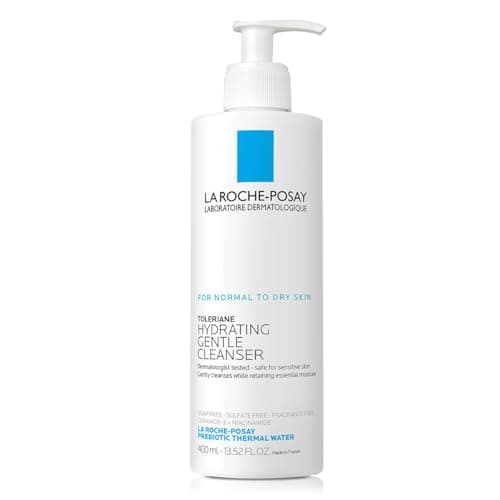
This is the easiest call on the page, and it is a value argument rather than a formula one. Both cleansers are fragrance-free creams with ceramides; the Toleriane adds niacinamide and a nicer texture; both end up in the sink. Paying roughly double per ounce for the step with the shortest contact time is the worst trade in a routine. Buy the CeraVe Hydrating Cleanser, or its foaming sibling if you run oily. Full ranking on best face cleanser.
Moisturizer — it depends, and this is the one real decision
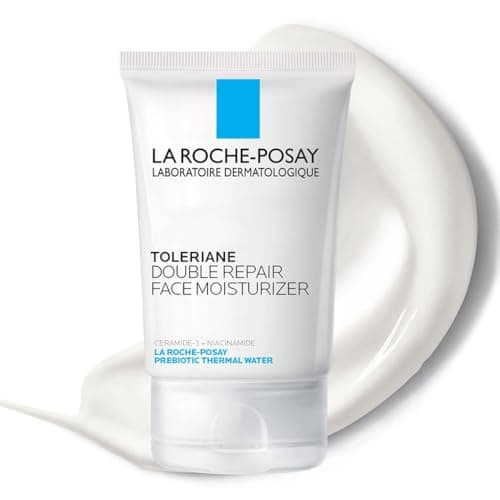
Here the trade is genuine. If you want the most complete barrier formula per dollar, and you are happy with a thick cream on your face or want one tub for face and body, buy the CeraVe. If you need something that absorbs in seconds, sits under sunscreen without pilling, and comes in a hygienic tube, buy the Toleriane Double Repair and accept that you are paying for texture rather than chemistry. Both answers are defensible. We have written both products up at length — the CeraVe Moisturizing Cream review and the Toleriane Double Repair review — and the wider field is ranked on best face moisturizer.
Hydrating serum — buy CeraVe, or buy neither
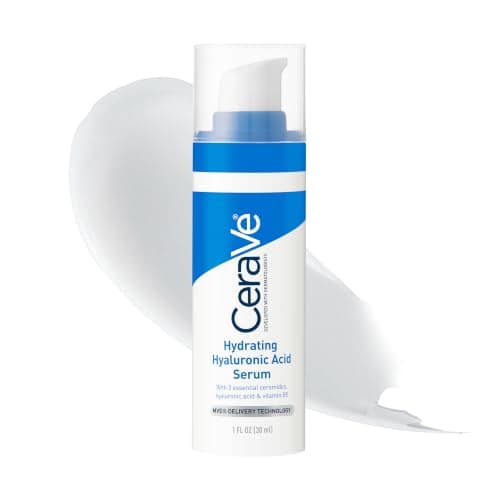
The CeraVe serum bundles ceramides with the humectant, which is the thing that makes a hyaluronic acid serum behave in dry air instead of pulling water out of your skin. Hyalu B5 is the nicer product and it is several times the price for the same core molecule plus madecassoside. If the budget is tight, the correct answer is neither: a good moisturizer does most of this and the hyaluronic acid serum roundup has cheaper bottles that do the rest.
Sunscreen — buy La Roche-Posay
This is the one step where La Roche-Posay clearly wins, and it is not close. Anthelios is the brand's best work: the mineral fluids and the Melt-In Milk are better textured and better tested than CeraVe's sunscreen range, which is competent and unremarkable. Both brands print their actives, because US law requires it on a sunscreen. See best face sunscreen and best mineral sunscreen for the labels read side by side.
Retinol — buy La Roche-Posay if you tolerate it, CeraVe if you do not
CeraVe's Resurfacing Retinol Serum is encapsulated, low-strength and buffered with ceramides and niacinamide — a deliberately gentle entry point. La Roche-Posay's Pure Retinol B3 is the stronger of the two and the better product for someone already past the adjustment period. Neither publishes a percentage, which is the category's standing failure. Our retinol roundup ranks the market by the strength you should actually start at, and retinol vs retinoid explains why the label word matters.
Barrier balm — buy La Roche-Posay
Cicaplast Baume B5 is a genuinely distinctive product with no close CeraVe equivalent: panthenol, madecassoside, shea and glycerin in an occlusive balm, for post-procedure skin, cracked hands and the aftermath of over-exfoliating. It turns up on our damaged skin barrier guide for exactly that reason.
If texture is what you are really chasing
A lot of people who end up on this page are not comparing barrier science. They want a pharmacy-grade, fragrance-free product that feels like nothing — and they have noticed CeraVe does not and La Roche-Posay charges for it. There is a third answer worth knowing about: the humectant-first Japanese formulas are built around exactly that priority, often at CeraVe prices. Our best Japanese skincare page ranks them, with the regulatory catch that decides whether the bottle you buy is the formula you read about.
The one-line answer
Buy CeraVe by default and La Roche-Posay by exception. CeraVe for the cleanser, the moisturizer if you do not mind the texture, and the hydrating serum. La Roche-Posay for sunscreen, for Cicaplast, and for the moisturizer if a fast-absorbing finish is worth the premium to you — which, if you wear sunscreen and makeup over it every day, it legitimately might be. Everything else is the same company selling you two price points, and knowing that is worth more than any ingredient list on either box.