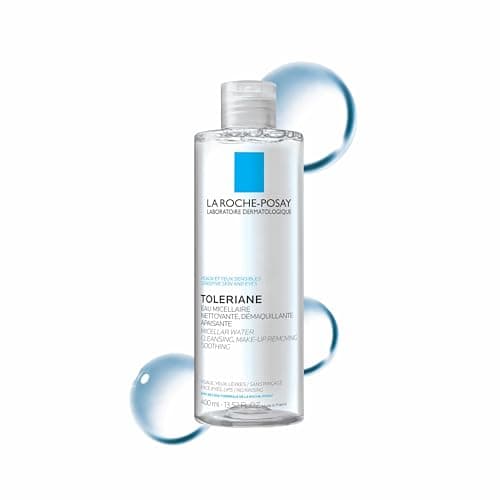
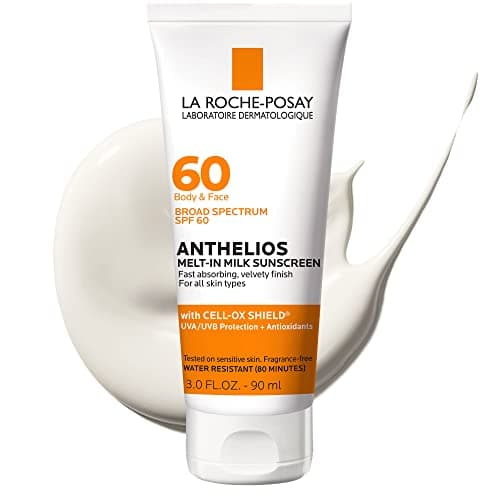
Buy the Anthelios Melt-In Milk SPF 60 first. It is the product this brand is most respected for, it does the highest-return job in skincare, and it comes in a bottle big enough that you will apply a proper amount instead of a polite one. If you want the cheapest way into the range, the budget pick is the Toleriane Micellar Water — the least exciting product here and the hardest one to get wrong.
One framing before the ranking, because it explains every pick below. La Roche-Posay is not a potency brand. Almost nothing in the range is the strongest version of anything. What it sells is the version you can still use when your skin has stopped tolerating the normal one: the acne treatment that does not strip, the cleanser with nothing in it to react to, the sunscreen a dermatologist hands to someone who flushes. That is a real and useful thing to sell, and it is why the brand sits on pharmacy shelves and gets recommended in clinic.
It is also the reason the value scores below are the lowest on any brand roundup we have published. Tolerability has a price, the prices here are pharmacy prices, and for two of these picks there is a near-equivalent formula on the next shelf at roughly half the cost — from a brand with the same owner. This page names both of them rather than hoping you do not notice.
How we ranked these
- Tolerability by design — fragrance-free, short ingredient list, nothing decorative. This is the property the brand exists to deliver, so it carries the most weight here, and a scented product in this range is marked down harder than it would be elsewhere.
- Published dose— does the label give you a number you can check? Some of these do: a Drug Facts panel with a benzoyl peroxide percentage, a stated panthenol concentration, an SPF with a water-resistance claim. Others say "ceramide-3 plus niacinamide" with no percentages at all, which is an architecture claim, not a dose.
- Texture — whether it feels good enough to finish the tube. On products bought by people with reactive skin, this is not vanity; it decides adherence.
- Routine fit — is this a step most people should run daily, or a repair product for a bad fortnight?
- Value — against the same job done by anyone else, including by the cheaper brand under the same corporate roof.
Scores are judgments from documented research — published Drug Facts panels, decoded ingredient lists, manufacturer documentation and aggregated owner reports. They are not lab measurements, and how we reviewsays so in those words. Prices render only through the live price layer and carry their own "as of" date.
The cheaper sibling, named out loud
La Roche-Posay and CeraVe are both part of L'Oreal's dermatological beauty portfolio. That is a sourceable fact rather than a judgment, and it matters here for a practical reason: two picks above have a CeraVe near-equivalent built on the same ceramide-plus-niacinamide architecture, usually for a good deal less money.
| La Roche-Posay pick | The cheaper near-equivalent | What you actually give up |
|---|
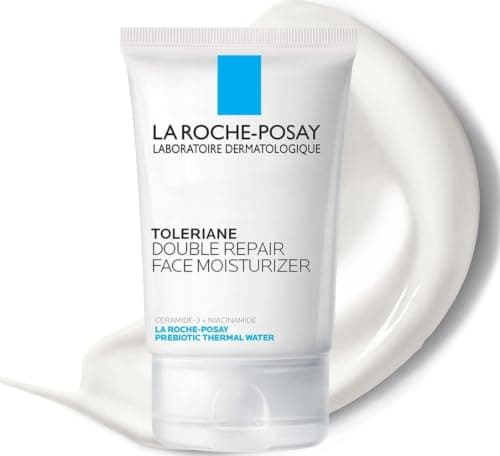
| Toleriane Double Repair | CeraVe Moisturizing Cream | A lighter, faster-absorbing gel-cream texture. The CeraVe is richer and slower, which suits dry skin better and oily skin worse |
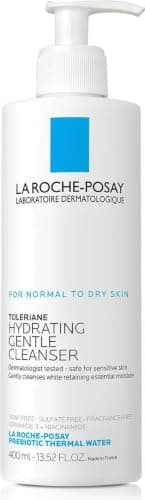
| Toleriane Hydrating Gentle Cleanser | CeraVe Hydrating Facial Cleanser | Very little, honestly. Both are fragrance-free, ceramide-containing cream cleansers |
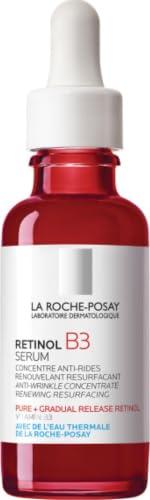
| Pure Retinol B3 Serum | CeraVe Resurfacing Retinol Serum, or an adapalene gel | The airless pump and the gradual-release retinol. The adapalene is a stronger retinoid with better evidence for a fraction of the price |
We would rather say that than sell you the pharmacy version of something you can get on the next shelf. Our CeraVe versus La Roche-Posay comparison works through the choice product by product, and best CeraVe products ranks the other range on its own terms. Where La Roche-Posay keeps a real advantage is the three picks with no CeraVe answer: the Anthelios sunscreens, the 5.5% benzoyl peroxide lotion and the Cicaplast balm.
Where the label gives you a number, and where it does not
This is worth separating, because the brand's reputation makes people assume every claim is a measured one.
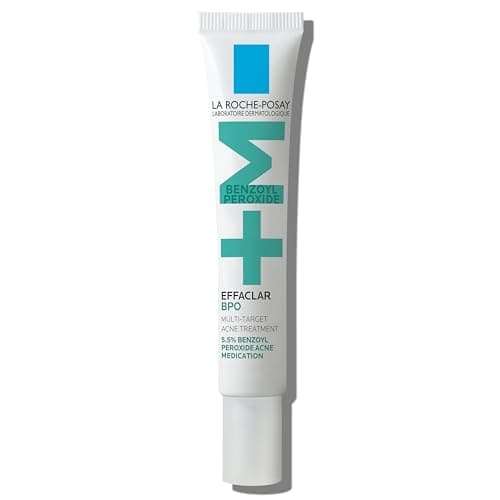
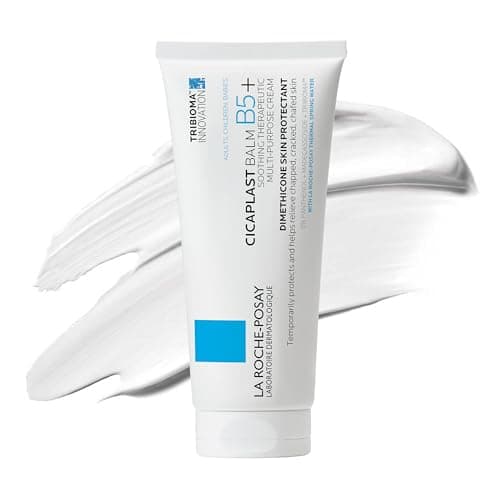
- Real published numbers: SPF 60 and 80-minute water resistance on the Anthelios Drug Facts panel. 5.5% benzoyl peroxide on the Effaclar BPO panel. 5% panthenol on Cicaplast. Those are checkable, and all three picks score well on it.
- Architecture claims, not doses:"ceramide-3 plus niacinamide" on the Toleriane products, and "pure plus gradual-release retinol" on the serum. The ingredients are real and in a sensible order; the concentrations are not published, so you cannot compare them with anything. That is the industry norm rather than a failing, but it is not the same kind of statement as 5.5%.
- The thermal water.The brand's selenium-rich spring water appears in nearly every formula and carries a great deal of the marketing weight. The published support for it is thinner than that weight implies, so nothing in the ranking above is credited to it. The ceramides, the niacinamide, the benzoyl peroxide and the filters are doing the work.
Which La Roche-Posay product for which problem
| If your problem is | Start with | Why |
|---|
| You need a sunscreen you will actually use enough of | Anthelios Melt-In Milk SPF 60 | High SPF, water resistant, and a bottle size that discourages rationing |
| Everything stings and you want one safe moisturizer | Toleriane Double Repair | Fragrance-free ceramides and niacinamide in a texture almost nobody dislikes |
| Inflamed, pus-filled spots | Effaclar BPO Multi-Target | 5.5% benzoyl peroxide on a Drug Facts panel, in a base built to be tolerated |
| You overdid the acids and your face is cracked | Cicaplast Balm B5 | 5% panthenol and madecassoside under an occlusive, which is what repair actually needs |
| Your skin feels tight right after washing | Toleriane Hydrating Gentle Cleanser | A cream cleanser that does not take the barrier off with the dirt |
| Sunscreen and makeup to get off at night | Toleriane Micellar Water | A cheap, oil-free first step that stops you scrubbing |
| You want a retinoid but have failed one before | Pure Retinol B3 Serum | The gentlest route in - but read the value objection above first |
Two products in our registry that did not make this page
Both are La Roche-Posay, both are ranked elsewhere on this site, and neither earns a slot here — which is more useful to say than to quietly omit.
- Anthelios Mineral Ultra-Light Fluid SPF 50. An excellent fragrance-free mineral sunscreen and the better choice than the Melt-In Milk if chemical filters bother your skin — it simply costs more for less product, so it is a specific answer rather than a general recommendation. It is ranked in best mineral sunscreen and in alternatives to EltaMD UV Clear, where its finish wins.
- Hyalu B5 Serum. Two hyaluronic acid weights plus vitamin B5 and madecassoside, which is a sensible formula — but hyaluronic acid is the category where the cheap options are genuinely equivalent, and paying a pharmacy premium for a humectant is the weakest argument in this range. Our best hyaluronic acid serum roundup explains why, at length.
Is La Roche-Posay worth the money?
For three things on this page, yes without much argument: the Anthelios sunscreens, the benzoyl peroxide lotion and the Cicaplast balm are all products where the formulation decision is doing real work and there is no obvious cheaper twin. The brand's core competence — making a tolerable version of something that normally is not — is genuinely valuable if your skin reacts to things, and it is the reason dermatologists keep reaching for it.
For the rest, the honest answer is that you are paying a pharmacy premium for an architecture that is available cheaper, sometimes from the same owner. That is not a scandal; it is a positioning. Buy the sunscreen, buy the treatment you need, and then decide whether the moisturizer and the cleanser are worth the step up from drugstore skincare for your skin specifically. If it flushes, stings or has failed products before, they probably are. If it does not, they probably are not — and our best skincare for sensitive skin roundup ranks the field across all brands, which is a more useful question than which products from one of them.
How we picked
We did not lab-test this gear
Everyone in this category says they tested twenty products. We have not lab-tested any of these, and we say so. What we did instead: compiled the published specifications, decoded the ingredient (INCI) lists active by active, ran the math where there was math to run, and scored each product against a published rubric. The scores are judgments from documented research — not measurements we took, because we do not have a lab and we will not pretend we do. Where a number came from someone else's work, we name them in Sources.