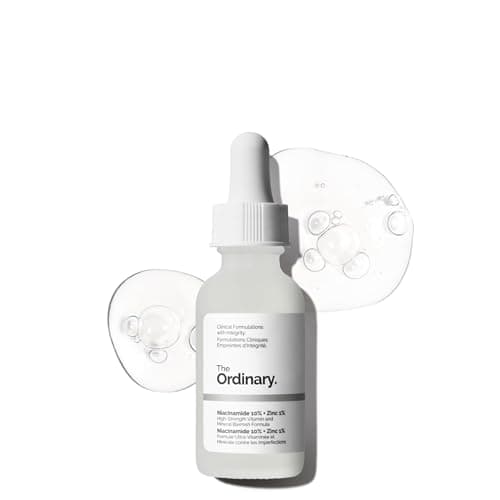
Verdict:for the price of a sandwich you get 10% niacinamide and 1% zinc PCA in a fragrance-free, water-light serum that genuinely reduces midday shine and, over a couple of months, makes congested pores look less obvious. It is the best value in skincare, and it is also the single most over-prescribed product on the internet. The 10% strength is above what a lot of skin comfortably tolerates, and the number of people who conclude "niacinamide doesn't agree with me" after using this specific bottle is, we suspect, very large. If your skin flushes easily, buy a 4-5% product instead and get most of the same benefit with none of the drama.
Our method, stated plainly: we did not lab-test this serum.We do not have a lab and we are not dermatologists. What we did was decode the published ingredient list, compile Deciem's documented specifications, and compare the formula against every other niacinamide serum in the category — the same method applied the same way to every product on this site, described in full on how we review.
Who it's for
Oily and combination skin, first and foremost. Niacinamide has a well-documented effect on sebum output, and the visible payoff is less shine by mid-afternoon and pores that look less like open craters because they are less full. It is also a reasonable choice for post-breakout marks, where niacinamide's effect on pigment transfer helps fade the brown shadows acne leaves behind. It appears in our acne roundup and our drugstore roundup for exactly those reasons.
Who it is not for: dry, thin or reactive skin, and anyone with rosacea. The combination of a high active percentage and a slightly acidic, water-thin base is a reliable way to produce a hot, flushed face on skin that was already inclined to flush. That is not a formulation flaw so much as a strength mismatch, and it is the single most important thing to know before buying.
The ingredient list, decoded
The formula is admirably short, which is Deciem's whole proposition. After water comes niacinamide at 10% — vitamin B3, one of the better-evidenced actives in skincare, associated with reduced sebum production, improved barrier lipid synthesis, reduced transepidermal water loss and reduced redness. Then zinc PCA at 1%, a zinc salt included for its sebum-regulating and mildly antibacterial properties; it is the ingredient responsible for the faint chalky cast the serum can leave if you use too much.
Behind those sit the texture and stability system: pentylene glycol and propanediol as solvents and humectants, tamarind seed gum and xanthan gum for the slightly slippery viscosity, carrageenan, and a preservative pair of ethoxydiglycol and phenoxyethanol. There is no fragrance, no essential oil and no colorant, which is genuinely commendable and one of the reasons this bottle is safe to recommend widely despite the strength caveat.
Note what is absent: no ceramides, no glycerin-forward moisturizing base, no soothing agents. This is a single-active delivery vehicle. It expects to be layered under a moisturizer and does not work well as the last step in a routine.
Where the 10% number comes from — and its cost
Much of the published research on niacinamide's cosmetic benefits used concentrations in the 2-5% range. 10% is comfortably above that, and the honest position is that the extra five points buy diminishing returns while the irritation risk climbs steadily. Deciem chose 10% partly because it is a defensible upper bound and partly, one suspects, because a bigger number sells. Our own read: 5% is the sweet spot for most faces, 10% is the right call for genuinely oily skin, and anyone in between should start with this bottle used every other day rather than assume the strength is free.
What using it is actually like
The texture is thin and very slightly slippery, and it dries down with a faint tackiness that disappears under moisturizer. Two or three drops is the whole face; more than that and the zinc leaves a chalky bloom and the serum pills under sunscreen — the number one complaint about this product, and it is almost always a dosage problem rather than a formula problem. The dropper is fine glass, the bottle is clear, and the formula is stable enough that the clear bottle is not the liability it would be for vitamin C.
How it compares
The Inkey List's niacinamide is the closest direct competitor at a similar price and strength, with a slightly less tacky finish. Naturium's 12% version is stronger again and better textured, for roughly twice the money. Paula's Choice sells a 10% booster at several times the price with a genuinely nicer base. And CeraVe's moisturizers include niacinamide at unstated but lower levels alongside ceramides, which for a lot of people is the smarter way to get this ingredient — a barrier cream with niacinamide in it, rather than a naked 10% serum plus a separate moisturizer.
The verdict in one line
Buy it if your skin is oily and robust: nothing else delivers this much documented active for this little money. Skip it — and buy a 4-5% alternative or a niacinamide-containing moisturizer — if your skin flushes, stings or is currently unhappy. The product is excellent. The strength is not universal, and the internet has been pretending otherwise for years.