Explainers
Skincare, explained
Short, definition-first answers to the questions that come before a purchase — is any of this worth it, what the words mean, and what you can safely ignore.
Before 'which product' comes 'do I even need this', and the honest answer is more interesting than either the skincare industry or its cynics will tell you. This hub is for the foundational questions — the ones people type into a search bar at 11pm and get a wall of contradictory takes in response. Our answers lead with a plain definition or a direct yes/no in the first two sentences, then explain the reasoning, then point you to the routine or product page if you decide to go further. The throughline across all of them is proportion. Yes, a basic routine is worth it for almost everyone, because sunscreen and a decent moisturizer have genuine, well-documented payoffs. No, you do not need a ten-step regimen, a $90 serum, or a device for every step; the marginal return collapses fast after the basics. The distinction between 'skincare' and 'skin care' is a spelling preference, not two different things, and anyone telling you otherwise is padding a word count. We would rather talk you out of a purchase you do not need than sell you a shelf you will abandon in a month — partly because it is the honest thing, and partly because a reader who trusts us on the small stuff is a reader who believes us when we say a product is genuinely worth buying.
We earn a commission when you buy through our Amazon links, at no extra cost to you. It never changes a verdict, and we say so when the cheaper product is the better buy. How this works.
Everything in this hub
All learn
Explainer
Skincare vs skin care: is there a difference?
"Skincare" and "skin care" are the same thing spelled two ways. The honest breakdown of where the split came from and what actually matters.
Read the guide →
Explainer
Is skincare worth it?
Yes for sunscreen and a moisturizer — real, documented payoffs. No for the 10-step routine, where returns collapse. Here's where the line actually sits.
Read the guide →
Explainer
Skincare vs no skincare: what actually changes?
Over years, the difference comes down to two things: sun protection (huge) and basic moisture and barrier care (moderate). The rest is small — here's the honest picture.
Read the guide →
Explainer
Retinol vs retinoid: what the difference actually is
Retinol is a retinoid, not its rival. The potency ladder from retinyl esters to tretinoin, and which rung your skin should start on.
Read the guide →
Explainer
AHA vs BHA: which acid your skin actually needs
Water-soluble versus oil-soluble is the whole difference: surface texture versus clogged pores. Which acid to buy, and the sun warning that applies to both.
Read the guide →
Explainer
Chemical vs mineral sunscreen: the honest comparison
How the two filter types work, what the FDA labels legally mean, and the honest basis for choosing — skin tone and reactivity, not internet argument.
Read the guide →
Buyer's guide
How to fix a damaged skin barrier
Stinging, tightness and new sensitivity usually mean a compromised barrier, not an allergy. The symptoms, the causes, and the four-week routine that repairs it.
Read the guide →
Explainer
Skin purging vs breakout: how to tell which one you're having
Three questions tell you whether a new product is purging or reacting: where the spots appear, how quickly they clear, and whether the active can purge at all.
Read the guide →
Explainer
Skincare vs makeup: two different jobs, often sold as one
The honest difference between treating skin and covering it — including how the two are regulated differently, and where hybrids like tinted SPF actually belong.
Read the guide →
Buyer's guide
Does skincare expire? Yes — and the date on the box is not the useful one
How to read the PAO symbol, realistic post-opening shelf lives by product type, and which actives lose potency long before a product looks or smells wrong.
Read the guide →
Buyer's guide
How long does skincare take to work?
A realistic timeline per active — hydration in days, acids in weeks, retinoids in months — and the honest rule for deciding when a product has genuinely failed.
Read the guide →
Buyer's guide
How to know your skin type
The four-hour bare-face test that settles whether you are oily, dry, combination or normal — and how to spot the dehydration that masquerades as all four.
Read the guide →
Explainer
Niacinamide vs vitamin C: which one you actually need
What niacinamide and vitamin C each actually do, which to add to a routine first, and whether the famous conflict between them is real (mostly, no).
2 picks compared
See all picks →Top pick: The Ordinary Niacinamide 10% + Zinc 1%
Explainer
Can you use retinol and vitamin C together?
Whether retinol and vitamin C really conflict, why the pH argument is overstated, and the simple morning-and-night split that makes the question disappear.
2 picks compared
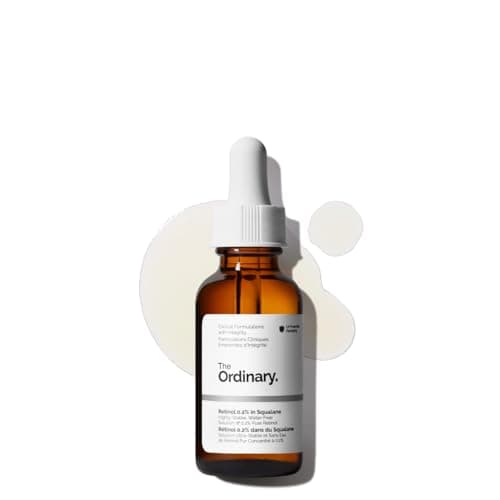
See all picks →Top pick: The Ordinary Retinol 0.2% in Squalane
Explainer
CeraVe vs Vanicream: two ways to be boring on purpose
The head-to-head between the two fragrance-free barrier brands: CeraVe adds ceramides, Vanicream removes everything else. Which philosophy suits which skin.
2 picks compared
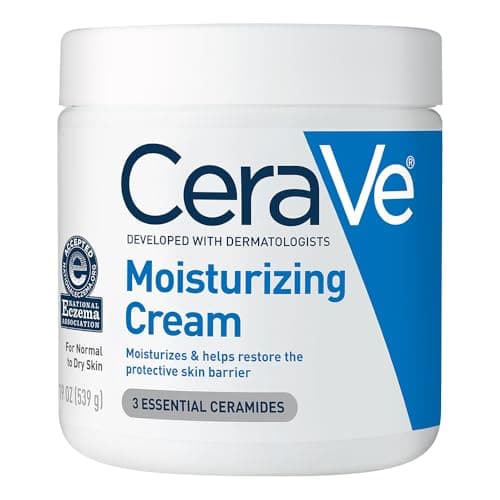
See all picks →Top pick: CeraVe Moisturizing Cream
Buyer's guide
How much sunscreen to apply (most people use a quarter of it)
The quantity nobody applies: how much sunscreen a face actually needs, the two-finger rule, and why under-applying an SPF 50 leaves you closer to an SPF 15.
2 picks compared
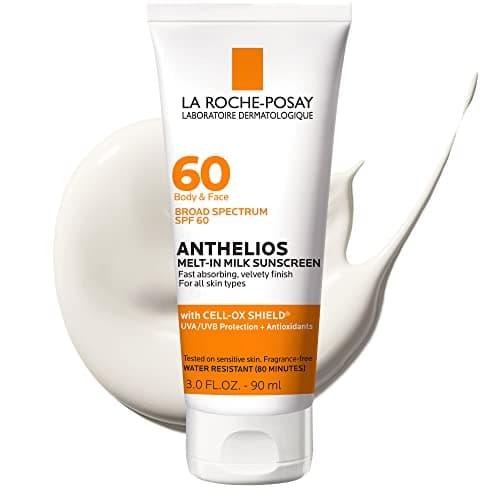
See all picks →Top pick: La Roche-Posay Anthelios Melt-In Milk SPF 60
Buyer's guide
Does CeraVe actually repair your skin barrier?
The ceramide questions people actually ask about CeraVe, answered straight: what the three ceramides do, why no brand publishes a concentration, what the evidence is worth, and which product fits oily, dry or sensitive skin.
3 picks compared
See all picks →Top pick: CeraVe Moisturizing Cream
Buyer's guide
Skin cycling: the four-night schedule, explained
The four-night rotation in full - exfoliation night, retinoid night, two recovery nights - plus who benefits, who should not bother, and the three products the schedule actually needs.
4 picks compared
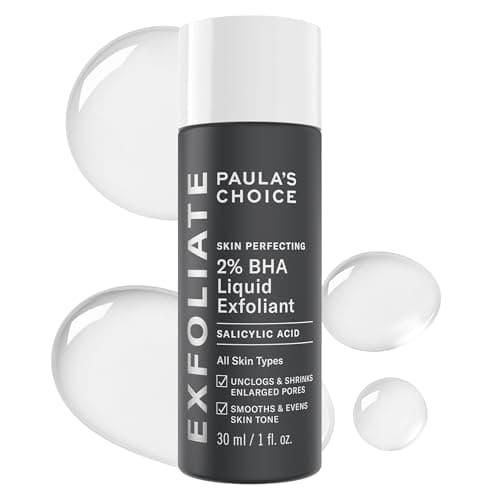
See all picks →Top pick: Paula's Choice 2% BHA Liquid Exfoliant
Buyer's guide
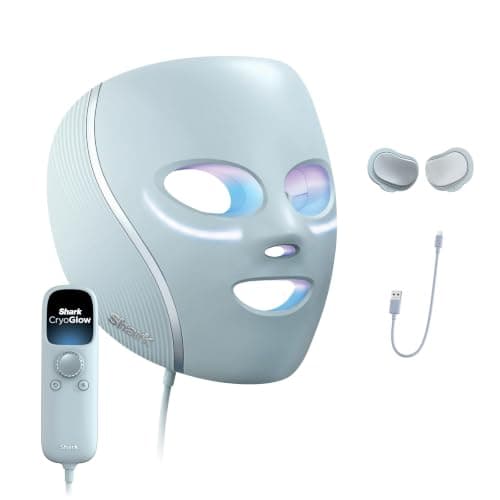
Are skincare devices worth it? Ranked by evidence
Every at-home skincare device category put in order by the strength of the evidence behind it - LED first, fridges last - with what each one actually does and who should bother.
4 picks compared
See all picks →Top pick: Shark CryoGlow LED Face Mask
Buyer's guide
How to get rid of blackheads
What a blackhead actually is, the three interventions that clear them, and why pore strips, squeezing and scrubs reliably make the same pores worse.
3 picks compared
See all picks →Top pick: Paula's Choice 2% BHA Liquid Exfoliant
Buyer's guide
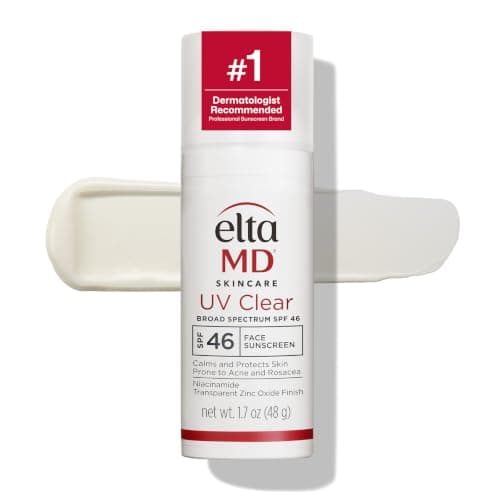
How long should you wait between skincare steps?
The honest answer to a question the internet has over-complicated - no waiting needed for most steps, and the three specific cases where a few minutes genuinely change the result.
3 picks compared
See all picks →Top pick: EltaMD UV Clear SPF 46
Buyer's guide
Do you need sunscreen indoors?
A specific answer rather than a slogan: when indoor sunscreen genuinely matters, when it does not, and why a window seat changes the calculation entirely.
3 picks compared
See all picks →Top pick: EltaMD UV Clear SPF 46
Explainer
CeraVe vs La Roche-Posay: same owner, one real difference
CeraVe and La Roche-Posay compared product by product, including the fact neither brand's marketing leads with: they belong to the same company.
6 picks compared
See all picks →Top pick: CeraVe Moisturizing Cream
Explainer
Retinol vs bakuchiol: one has the evidence, the other has the tolerance
The honest comparison: retinol has decades of evidence and a tolerance problem, bakuchiol has one credible trial and almost no tolerance problem. Who each one is actually for.
5 picks compared
See all picks →Top pick: The Ordinary Retinol 0.2% in Squalane
Explainer
Salicylic acid vs benzoyl peroxide: look at the spots, not the label
The acne decision made by lesion type: salicylic acid for comedones and texture, benzoyl peroxide for inflamed spots, and the third option that handles both.
4 picks compared
See all picks →Top pick: Paula's Choice 2% BHA Liquid Exfoliant
Buyer's guide
Can you use retinol and niacinamide together? Yes, and it helps
Why the don't-mix warning was never about niacinamide, the order to apply them in, and three products that make the combination simple.
3 picks compared
See all picks →Top pick: The Ordinary Niacinamide 10% + Zinc 1%
Buyer's guide
How to patch test skincare, and why two days is not long enough
Where to apply a test, how many days it really needs, how to tell an allergy from ordinary active irritation, and what to keep on hand for when a test fails.
3 picks compared
See all picks →Top pick: CeraVe Moisturizing Cream
Buyer's guide
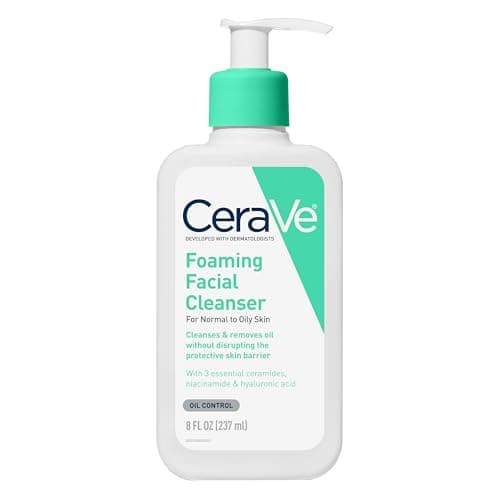
Should you wash your face in the morning? Mostly, but not always
A conditional answer rather than a rule: who should cleanse properly in the morning, who should rinse with water, and who can skip it — plus the right cleanser for each.
3 picks compared
See all picks →Top pick: CeraVe Foaming Facial Cleanser
Buyer's guide
Can you mix skincare brands? Yes — and most people should
Why the one-brand-system idea is retail rather than chemistry, the four compatibility questions that genuinely matter, and a deliberately three-brand routine as proof.
3 picks compared
See all picks →Top pick: The Ordinary Niacinamide 10% + Zinc 1%
Buyer's guide
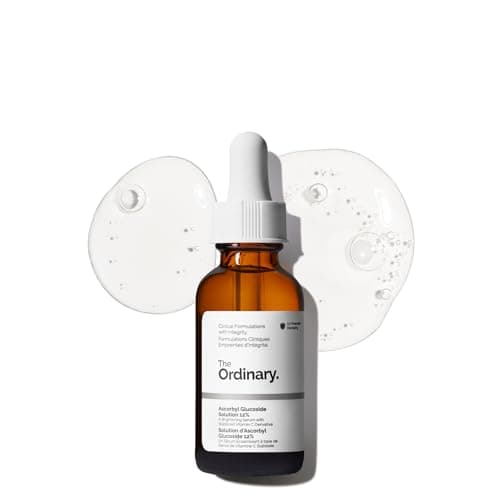
Does skincare stop working after a while? Almost never — here is what did change
The honest answer to a common worry: the plateau, the season, the oxidised bottle and the moving goalposts — four explanations that are not tolerance, and what to do about each.
3 picks compared
See all picks →Top pick: The Ordinary Ascorbyl Glucoside Solution 12%
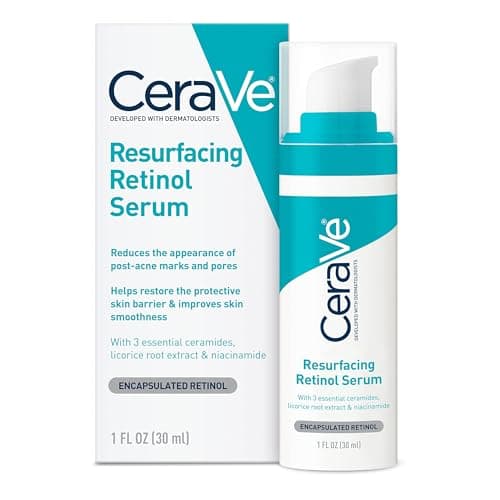
Explainer
Peptides vs retinol: one has the evidence, the other has the tolerance
The honest peptides-versus-retinol comparison: retinoids have the evidence, peptides have the tolerance, and three specific situations decide which one belongs in your routine.
6 picks compared
See all picks →Top pick: CeraVe Resurfacing Retinol Serum
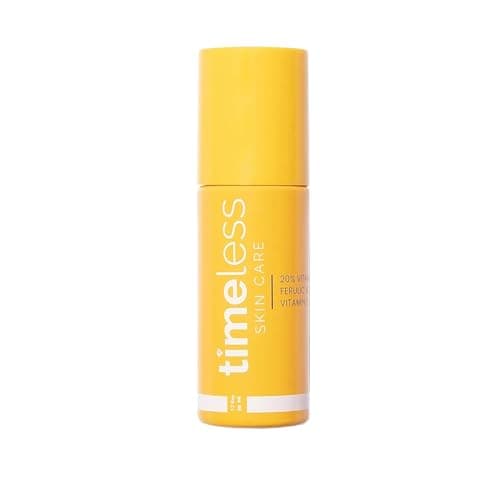
Explainer
L-ascorbic acid vs the derivatives: which vitamin C should you buy?
The vitamin C form question answered: L-ascorbic acid has the evidence and the instability, the derivatives have the tolerance and thinner data, and four registry picks show what each one looks like on a label.
4 picks compared
See all picks →Top pick: Timeless 20% Vitamin C + E Ferulic Acid Serum
Buyer's guide
Is CeraVe good? Yes at one job, and no at another
An honest answer to is CeraVe good: outstanding on cleansers and ceramide moisturizers, unremarkable on actives, with the by-skin-type verdicts and the products worth skipping.
4 picks compared
See all picks →Top pick: CeraVe Moisturizing Cream
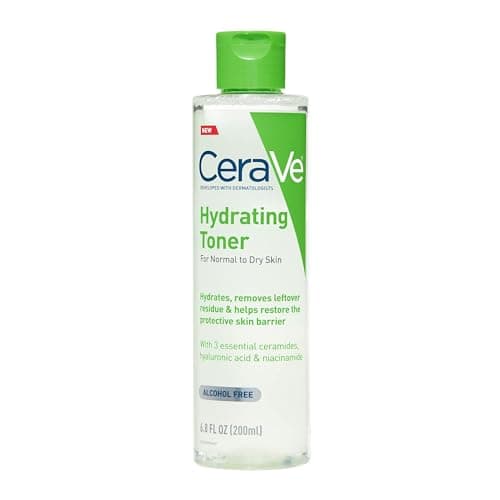
Buyer's guide
Do you need a toner? Not for the reason toners were invented
The honest answer to whether you need a toner: the original job disappeared with soap, but the step survives as a useful vehicle for an acid, a humectant layer or a soothing layer.
4 picks compared
See all picks →Top pick: CeraVe Hydrating Toner
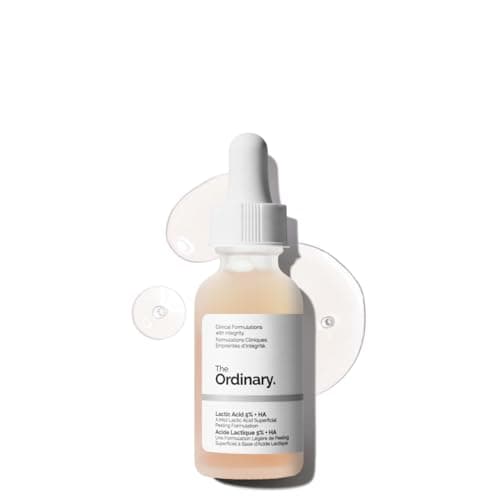
Buyer's guide
How often should you exfoliate? Start at once a week
The exfoliation frequency answer: once a week to start, two or three for most people, one acid at a time - plus the signs of over-exfoliation and the two-week recovery.
4 picks compared
See all picks →Top pick: The Ordinary Lactic Acid 5% + Hyaluronic Acid 2%