Skip to content
Barrier & Bloom

Explainers · Learn

Niacinamide vs vitamin C: which one you actually need

Two of the most-recommended serums in skincare, doing genuinely different jobs. Which to start with, whether you can use both, and where the conflict myth came from.

By Stephen V.Updated How we review
#ad

We earn a commission when you buy through our Amazon links, at no extra cost to you. It never changes a verdict, and we say so when the cheaper product is the better buy. How this works.

Niacinamide calms; vitamin C protects. Niacinamide supports the skin barrier, reduces redness and moderates oil — it makes skin less reactive. Vitamin C is an antioxidant that neutralizes daily UV and pollution damage and gradually brightens tone. If your skin is irritated, start with niacinamide. If it is calm and you want prevention, start with vitamin C.

They are frequently framed as competitors because they occupy the same slot on a shelf and roughly the same price bracket. They are not competitors. One is a comfort and barrier ingredient, the other is a preventive antioxidant, and a lot of people eventually use both. The question is which one to buy first, and the answer depends entirely on what your skin is currently doing.

What each one actually does

Niacinamide (vitamin B3) nudges ceramide production in the barrier, calms visible redness, moderates sebum, and over months takes the edge off post-inflammatory marks. It is effective from about 4%, tolerable up to 10%, and it is one of the least demanding actives there is — no photosensitivity, no tolerance-building period, no conflicts to plan around. Full detail in the niacinamide guide.

Vitamin C — usually L-ascorbic acid, sometimes a gentler derivative — is an antioxidant that mops up the free radicals UV and pollution generate. It also inhibits the enzyme that makes pigment, so it brightens tone slowly, and it is a cofactor in collagen synthesis. It is fussier: it oxidizes, it can sting at effective concentrations, and it wants to be used in the morning under sunscreen where the antioxidant job is relevant. Full detail in the vitamin C guide.

Which to buy first

  • Your skin is red, reactive or over-exfoliated — niacinamide. Vitamin C on irritated skin frequently stings and makes things worse.
  • Your skin is oily or blemish-prone — niacinamide, for the sebum and the marks left behind.
  • Your skin is calm and you are thinking about aging — vitamin C, in the morning, under sunscreen. That combination is one of the better-supported preventive pairings in skincare.
  • Your concern is dark spots — vitamin C is a supporting player rather than the lead. See our dark spots roundup for what actually leads.
  • You want the cheaper, easier one — niacinamide, comfortably. A working bottle costs about six dollars and there is nothing to get wrong.

The conflict myth, and what is actually true

The warning that niacinamide and vitamin C cancel each other out traces back to mid-twentieth-century laboratory work in which niacinamide and pure ascorbic acid were heated together and converted to nicotinic acid, a compound that can cause flushing. That is a real reaction under those conditions. It is not what happens on your face at room temperature in modern, pH-appropriate formulas — and plenty of well-made products contain both deliberately.

What is true: a low-pH L-ascorbic acid serum and a niacinamide serum applied back-to-back can sting on sensitive skin, because the acidic vehicle is uncomfortable, not because the actives are fighting. If that happens to you, the fix is trivial — put vitamin C in the morning and niacinamide at night, and stop thinking about it.

Using both, in practice

The simplest arrangement that works for almost everyone: vitamin C in the morning, before moisturizer and sunscreen; niacinamide at night, before moisturizer. No conflicts, no waiting periods, no decisions to make at 7am.

If you would rather use both in one sitting, apply the more acidic product first (vitamin C), give it a minute, then the niacinamide. And if you use a retinoid, that is the active that dictates the schedule — niacinamide pairs beautifully with it and vitamin C is best kept to the opposite end of the day. The full sequencing is in the routine order guide.

If you can only buy one thing

Buy sunscreen. That is not a dodge — neither of these serums comes close to the return on a daily SPF, and vitamin C in particular is a supporting act for sunscreen rather than a substitute for it. Once that is in place, niacinamide is the cheaper, easier, more universally useful of the two, and it is where we would point most people first.

The short answer

Quick picks

#ProductBest forScorePrice
01
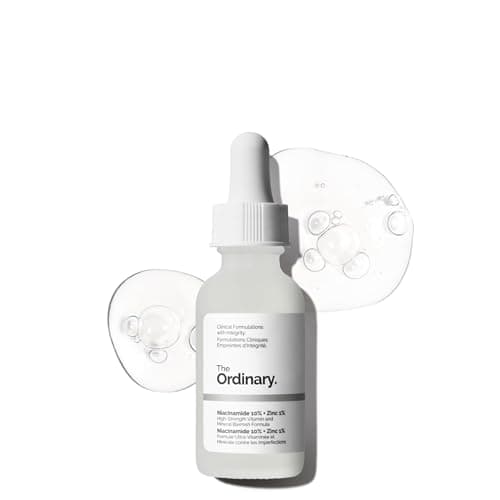
The Ordinary The Ordinary Niacinamide 10% + Zinc 1%
The Ordinary Niacinamide 10% + Zinc 1%

The niacinamide side of this comparison, and the easier of the two to start with. Ten percent with zinc PCA for about six dollars — no photosensitivity, no tolerance period, nothing to plan around.

Start here if your skin is reactive or oily
8.2
$6.00Amazon
02
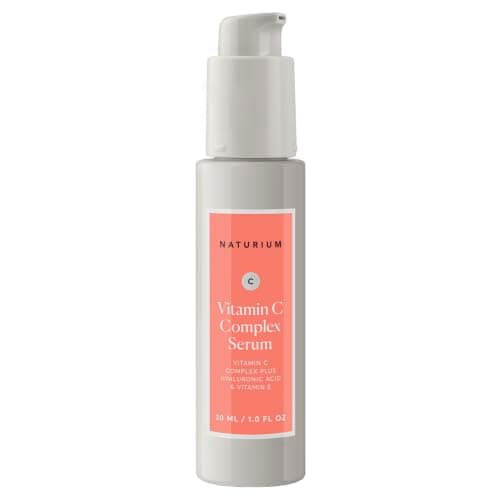
Naturium Naturium Vitamin C Complex Serum
Naturium Vitamin C Complex Serum

The vitamin C side, and a deliberately forgiving one. A multi-form vitamin C complex rather than a high-percentage L-ascorbic acid, which trades a little potency for a lot less sting and slower oxidation.

Start here if your skin is calm and prevention is the goal
8.0
$14.69Amazon

#ad · Live prices from the Amazon Product API, as of Aug 28, 2026. Where we have no verified live price, we show none — a gap beats a number that has rotted.

In detail

The picks, in full

01
The Ordinary The Ordinary Niacinamide 10% + Zinc 1%

Start here if your skin is reactive or oily

The Ordinary Niacinamide 10% + Zinc 1%

10% niacinamide1% zinc PCA1 fl ozFragrance-free
8.2/10

The niacinamide side of this comparison, and the easier of the two to start with. Ten percent with zinc PCA for about six dollars — no photosensitivity, no tolerance period, nothing to plan around.

Ingredients
9
Efficacy
8
Gentleness
8
Texture
6
Value
10

Pros

  • Cheapest working active in skincare
  • Usable morning or night with no scheduling constraints
  • Calms redness and moderates oil in the same step

Cons

  • Tacky finish under makeup
  • 10% can sting if the barrier is already compromised

Don't buy this if…

your skin is calm and your goal is preventive aging — the vitamin C below is the better first purchase.

$6.00View on Amazon

Price as of Aug 28, 2026. Prices change — Amazon's at checkout is the one that counts.

#ad · we may earn a commission from this link to The Ordinary Niacinamide 10% + Zinc 1%

02
Naturium Naturium Vitamin C Complex Serum

Start here if your skin is calm and prevention is the goal

Naturium Vitamin C Complex Serum

Multi-form vitamin C1 fl ozFragrance-freeMorning use
8.0/10

The vitamin C side, and a deliberately forgiving one. A multi-form vitamin C complex rather than a high-percentage L-ascorbic acid, which trades a little potency for a lot less sting and slower oxidation.

Ingredients
8
Efficacy
7
Gentleness
9
Texture
8
Value
8

Pros

  • Far more tolerable than a 15-20% L-ascorbic acid serum
  • Stabler in the bottle, so less of it goes to waste
  • Layers under sunscreen without pilling

Cons

  • Derivative forms are less potent than pure L-ascorbic acid
  • Vitamin C is slower and fussier than niacinamide in general

Don't buy this if…

your skin is currently irritated. Calm it with niacinamide first — vitamin C on an unhappy barrier usually stings and sets you back.

$14.69View on Amazon

$20.9930% off

Price as of Aug 28, 2026. Prices change — Amazon's at checkout is the one that counts.

#ad · we may earn a commission from this link to Naturium Vitamin C Complex Serum

How we picked

We did not lab-test this gear

Everyone in this category says they tested twenty products. We have not lab-tested any of these, and we say so. What we did instead: compiled the published specifications, decoded the ingredient (INCI) lists active by active, ran the math where there was math to run, and scored each product against a published rubric. The scores are judgments from documented research — not measurements we took, because we do not have a lab and we will not pretend we do. Where a number came from someone else's work, we name them in Sources.

Questions

Frequently asked

Can you use niacinamide and vitamin C together?
Yes. The claim that they cancel each other out comes from lab work where the two were heated together and formed nicotinic acid. That does not happen on your face at room temperature in modern formulas. Some people find a low-pH vitamin C stings alongside niacinamide, which is a comfort issue solved by using one in the morning and one at night.
Should I use niacinamide or vitamin C first?
Buy niacinamide first if your skin is reactive, red, oily or blemish-prone. Buy vitamin C first if your skin is calm and your goal is preventing aging. If you are choosing on cost and ease, niacinamide wins comfortably.
Which is better for dark spots?
Neither is the lead option. Vitamin C mildly inhibits pigment formation and reduces the oxidative load that drives it; niacinamide helps with post-inflammatory marks over months. For pigmentation specifically, azelaic acid, alpha arbutin or tranexamic acid do more — and sunscreen does more than all of them.
Do I need both niacinamide and vitamin C?
No, but plenty of people end up using both, and the arrangement that works is vitamin C in the morning and niacinamide at night. If your budget only stretches to one product, buy sunscreen — the return is not close.
Does vitamin C need to be used in the morning?
It makes the most sense there, because its main job is neutralizing the free radicals UV and pollution generate during the day, and it works alongside sunscreen rather than replacing it. Evening use is not harmful, just less useful.

Keep reading

Receipts

Sources

We do not run a testing lab, and we do not pretend to. Where a measured number came from someone else's work, we name them and link them. Where we could not verify something, we say so on the page rather than quietly leaving it out. Read our full method.