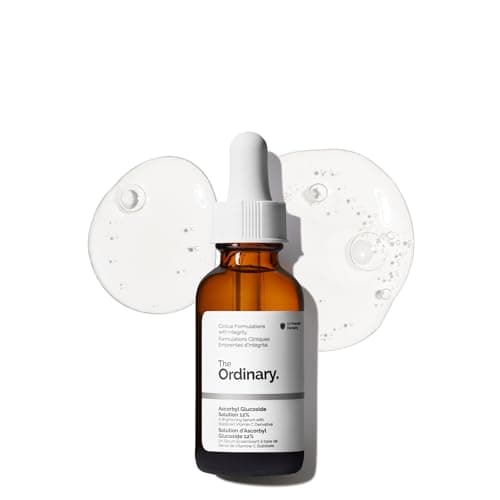
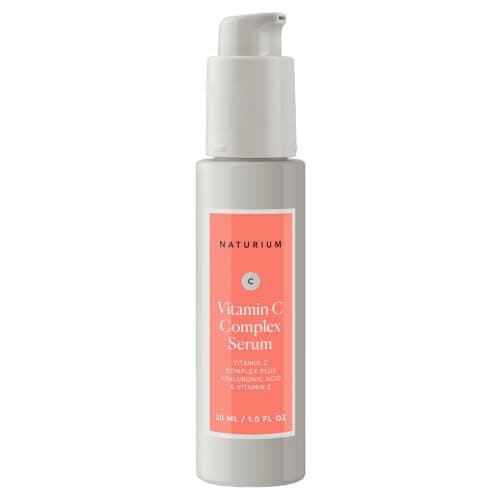
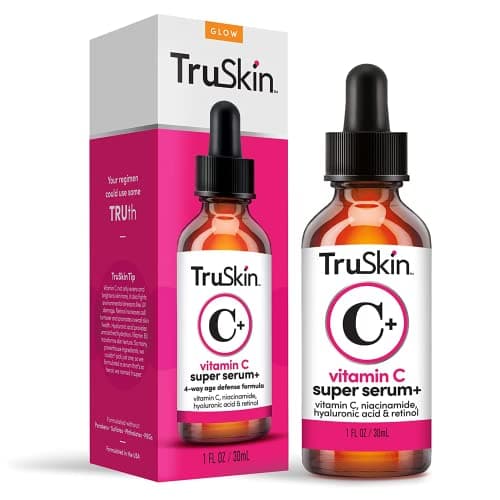
If your skin tolerates it, buy L-ascorbic acid and plan to replace it often. It is the form the research was done on, and nothing else in the category has a comparable evidence base. The price you pay is real: it needs a low pH to get in, it oxidizes in the bottle, and at the strengths that work it stings. If it stings, go derivative. A well-made ascorbyl glucoside or sodium ascorbyl phosphate serum will not hurt, will not go orange in six weeks, and will do less, more slowly — which is still better than the bottle of L-ascorbic acid you abandoned in week three.
This page is about the form. For the products ranked head to head, see best vitamin C serum; for what vitamin C does at all, see vitamin C, explained.
Why there are so many forms
Pure vitamin C — L-ascorbic acid — is a small, water-loving molecule that is also chemically fragile. In water, in light, in warmth, in the presence of oxygen or metal ions, it oxidizes: first to dehydroascorbic acid, then onward to compounds that do nothing for your skin and turn the serum yellow, then amber, then brown. It also needs an acidic formula to cross the stratum corneum in any quantity, which is why high-strength serums sting.
Every derivative is an attempt to fix that. Attach a sugar, a phosphate, an ethyl group or a fatty chain to the molecule and you get something far more stable, far less acidic and far more comfortable — on the condition that enzymes in your skin cleave the attachment and release ascorbic acid once it is inside. That conversion is the open question in the entire category, and essentially no product on a shelf quantifies it.
Two reviews are worth knowing about here. A 2022 review in the Journal of Cosmetic Dermatology surveys the topical derivatives and their efficacy; a 2023 review in Current Medicinal Chemistry looks specifically at what the clinical trials support. The consistent picture: the derivatives are genuinely more stable and better tolerated, and the clinical literature remains dominated by L-ascorbic acid.
The forms, in plain terms
| On the label | What it is | Stability | Sting risk |
|---|
| Ascorbic acid / L-ascorbic acid | Vitamin C itself. No conversion needed | Poor — oxidizes visibly | High at 10-20% |
| Ascorbyl glucoside | Glucose attached; skin enzymes release the vitamin C | Good | Very low |
| Sodium ascorbyl phosphate | Phosphate salt, water-soluble | Good | Low |
| Magnesium ascorbyl phosphate | The magnesium equivalent of the above | Good | Low |
| 3-O-ethyl ascorbic acid | Ethyl group attached; part oil-loving | Good | Low to moderate |
| Tetrahexyldecyl ascorbate | Fatty chain attached; oil-soluble, used in anhydrous serums | Very good | Very low |
One practical note that settles a lot of arguments: a product can only be compared on strength within a form. 12% ascorbyl glucoside is not 12% vitamin C, because the glucose is part of that 12% and the conversion is partial. Comparing a 20% L-ascorbic acid to a 12% derivative on the numbers alone is the most common mistake in this category.
What to look for before you buy
- Is the form named?"Vitamin C complex" is not a form. Look for the INCI name in the ingredient list and decide from there.
- Is the strength stated? Plenty of serums name a derivative and no percentage, which makes the product impossible to compare to anything.
- What is the packaging? For L-ascorbic acid, opaque or amber glass with an airtight pump is a formulator telling you they understand the problem. A clear dropper bottle is not.
- Does the bottle size match the shelf life? A big bottle of L-ascorbic acid is a liability, not a bargain. For derivatives it is simply a bargain.
- Does it sting now? Not a flaw, exactly — low pH is the mechanism — but if it stings every morning you will stop using it, and the form that works is the one you keep applying.
Which form for which skin
| If this is you | Buy this form | Why |
|---|
| Normal, resilient skin, wants results | L-ascorbic acid, 10-20% | The evidenced form; accept the replacement cycle |
| Sensitive, rosacea-prone, or stings easily | Ascorbyl glucoside or sodium ascorbyl phosphate | Neutral pH, no sting, stable |
| Acne-prone | Sodium ascorbyl phosphate | The derivative with the most acne-adjacent literature |
| Oily skin, dislikes watery serums | Tetrahexyldecyl ascorbate | Oil-soluble, used in anhydrous serums, very stable |
| Forgets products at the back of a drawer | Any derivative | L-ascorbic acid will be dead before you find it again |
How to tell your serum has gone off
Color, and it is unmistakable once you know. A fresh L-ascorbic acid serum is clear or very pale straw. As it oxidizes it goes yellow, then amber, then brown. Yellow is the warning; amber means the active you paid for has largely become something else. It is not dangerous, it is simply no longer the product.
Three things slow it down: keep the bottle closed, keep it out of the light, and keep it cool. This is one of the few categories where a skincare fridge has a defensible rationale — not because cold improves vitamin C, but because heat degrades it. Our does skincare expire guide covers which other products have a genuine shelf-life problem.
Layering, in one paragraph
Vitamin C in the morning, under sunscreen, is the standard pattern and the one we would follow — it is an antioxidant, and the morning is when the oxidative load arrives. You can use niacinamide in the same routine despite the internet; our niacinamide versus vitamin C page takes that myth apart properly. Retinoids are a scheduling question rather than a conflict, which retinol and vitamin C covers. The one real conflict is a low-pH L-ascorbic acid serum directly under a copper peptide, and the fix is to put them at opposite ends of the day.
What no form of vitamin C will do
None of them is a substitute for sunscreen, and none of them will clear melasma on its own. Vitamin C is an antioxidant with a modest, real effect on pigment and on dullness, and it works best as a supporting player next to daily SPF and, if marks are your main concern, the actives on best skincare for dark spots. If a serum promises more than that, the promise is coming from the marketing department.