Skip to content
Barrier & Bloom

Roundups · Best Skincare

The best skincare for dark spots, ranked by how each one actually works

Fading pigment is slow, unglamorous work with a hard prerequisite. Five picks ranked by mechanism — and an honest word about the timeline nobody on social media mentions.

By Stephen V.Updated How we review
#ad

We earn a commission when you buy through our Amazon links, at no extra cost to you. It never changes a verdict, and we say so when the cheaper product is the better buy. How this works.

Nothing on this page will work without daily sunscreen. That is not a disclaimer we are adding for form — it is the mechanism. Every dark spot you are treating is pigment your skin produced in response to injury or UV, and every day of unprotected sun exposure re-triggers the process you are paying a serum to reverse. Treat the spots and skip the SPF and you will spend a year running to stand still.

With that established: fading works, it is just slow. Expect eight to twelve weeks before anything is visible and six months for a meaningful change on older marks. Post-inflammatory marks from spots and scratches fade faster than sun-driven pigment, and melasma is a different, hormone-influenced condition that behaves worse than either and deserves a dermatologist rather than a shopping list.

The five below are ranked by mechanism rather than by brand, because these ingredients work in different places: some interrupt pigment production, some fade the inflammation that triggers it, one is simply the best defense there is. Pick one treatment, not three — stacking brightening actives is a fast route to the irritation that causes post-inflammatory pigmentation in the first place.

The short answer

Quick picks

#ProductBest forScorePrice
01
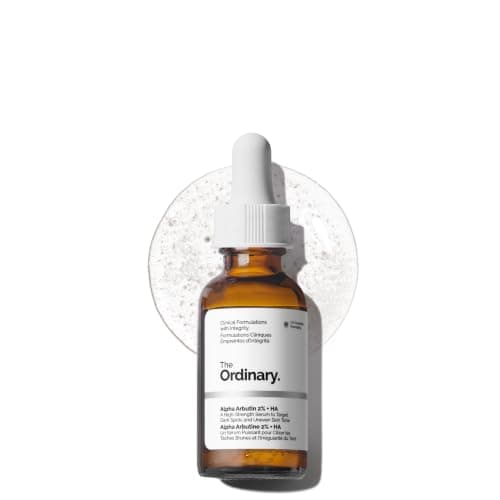
The Ordinary The Ordinary Alpha Arbutin 2% + HA
The Ordinary Alpha Arbutin 2% + HA

The most sensible first buy. Alpha arbutin interferes with pigment production directly, is well tolerated at 2%, does not sensitize skin to sunlight, and costs about eleven dollars. It is slow — but everything honest in this category is slow.

Best overall
8.6
$11.50Amazon
02
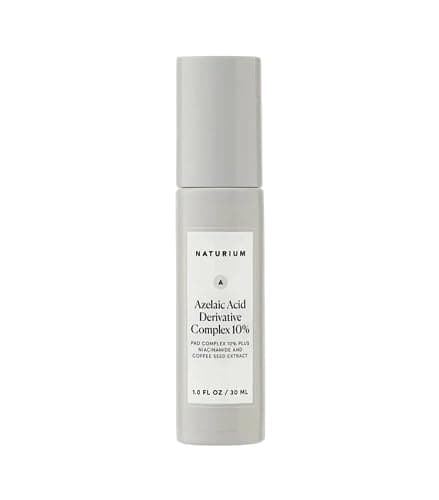
Naturium Naturium Azelaic Topical Acid 10%
Naturium Azelaic Topical Acid 10%

The pick when your dark spots came from spots. Azelaic acid works on pigment and on the inflammation that produced it at the same time, which makes it the best single answer for post-acne marks.

Best for post-acne marks
8.0
$19.88Amazon
03
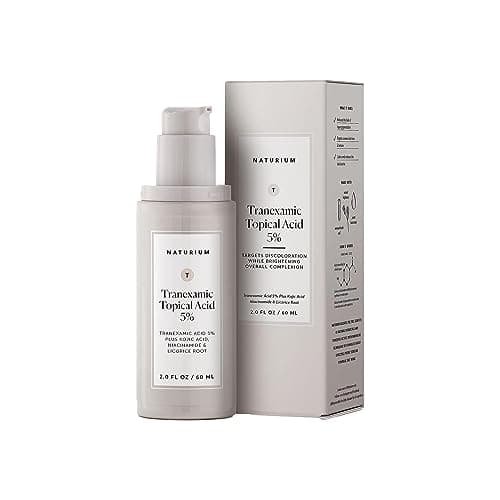
Naturium Tranexamic Topical Acid 5%

The most interesting molecule in the category. Tranexamic acid works further upstream than most brighteners — on the signaling between skin cells and pigment cells — which is why it is the one that sometimes helps stubborn, patchy discoloration when nothing else has.

Best for stubborn patchy pigment
8.0
Check price →
04
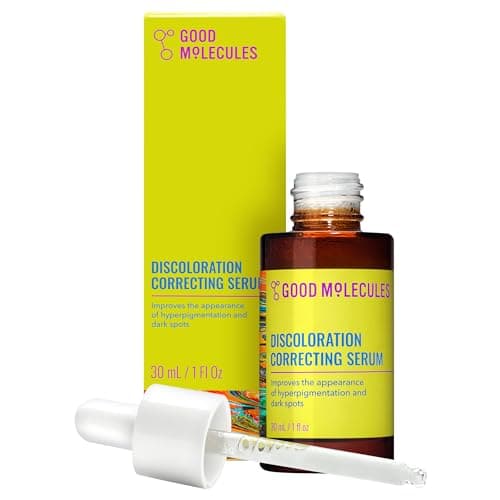
Good Molecules Good Molecules Discoloration Correcting Serum
Good Molecules Discoloration Correcting Serum

The cheapest credible way into this category. A tranexamic-and-niacinamide serum for about twelve dollars — light, unfussy, and easy to commit to for the six months a pigmentation product actually needs.

Best budget pick
8.0
$11.95Amazon
05
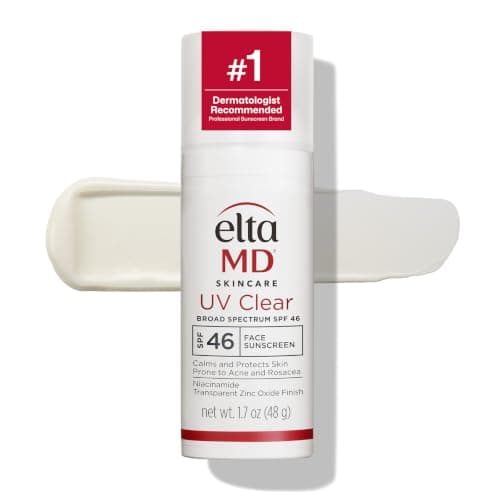
EltaMD EltaMD UV Clear SPF 46
EltaMD UV Clear SPF 46

Not a brightening product, and the most important thing on this page. Pigment is a photo-driven process: without daily broad-spectrum protection, every serum above is fighting a fire while someone keeps lighting it. This one contains niacinamide and is tolerable enough that people actually wear it.

The step that decides the outcome
8.2
$45.00Amazon

#ad · Live prices from the Amazon Product API, as of Aug 28, 2026. Where we have no verified live price, we show none — a gap beats a number that has rotted.

In detail

The picks, in full

01
The Ordinary The Ordinary Alpha Arbutin 2% + HA

Best overall

The Ordinary Alpha Arbutin 2% + HA

2% alpha arbutinHyaluronic acid1 fl ozFragrance-free
8.6/10

The most sensible first buy. Alpha arbutin interferes with pigment production directly, is well tolerated at 2%, does not sensitize skin to sunlight, and costs about eleven dollars. It is slow — but everything honest in this category is slow.

Ingredients
9
Efficacy
8
Gentleness
9
Texture
7
Value
10

Pros

  • Targets pigment synthesis rather than just exfoliating the surface
  • Non-irritating enough to use twice daily, which most brighteners are not
  • Layers under anything, including a retinol on alternate nights
  • Cheap enough to commit to the six months it needs

Cons

  • Genuinely slow — nothing visible before about eight weeks
  • Slightly tacky finish typical of the line

Don't buy this if…

you want a fast result. If you need a visible change in a month, that is a dermatologist conversation, not a serum.

$11.50View on Amazon

Price as of Aug 28, 2026. Prices change — Amazon's at checkout is the one that counts.

#ad · we may earn a commission from this link to The Ordinary Alpha Arbutin 2% + HA

02
Naturium Naturium Azelaic Topical Acid 10%

Best for post-acne marks

Naturium Azelaic Topical Acid 10%

10% azelaic acidNiacinamide + vitamin C1 fl ozFragrance-free
8.0/10

The pick when your dark spots came from spots. Azelaic acid works on pigment and on the inflammation that produced it at the same time, which makes it the best single answer for post-acne marks.

Ingredients
9
Efficacy
9
Gentleness
7
Texture
6
Value
9

Pros

  • Treats the pigment and the underlying inflammation together
  • Safe in pregnancy, unlike most of the alternatives here
  • Also reduces the redness that makes marks look worse than they are

Cons

  • Thick, silicone-heavy texture that can pill under sunscreen
  • Mild tingling and transient dryness in the first fortnight is normal

Don't buy this if…

your pigment is flat sun damage with no history of blemishes — alpha arbutin or tranexamic acid is a better mechanical fit.

$19.88View on Amazon

Price as of Aug 28, 2026. Prices change — Amazon's at checkout is the one that counts.

#ad · we may earn a commission from this link to Naturium Azelaic Topical Acid 10%

03

Best for stubborn patchy pigment

Naturium Tranexamic Topical Acid 5%

5% tranexamic acidKojic acid + niacinamide1 fl ozFragrance-free
8.0/10

The most interesting molecule in the category. Tranexamic acid works further upstream than most brighteners — on the signaling between skin cells and pigment cells — which is why it is the one that sometimes helps stubborn, patchy discoloration when nothing else has.

Ingredients
9
Efficacy
8
Gentleness
8
Texture
8
Value
7

Pros

  • Different mechanism from the arbutin and acid options, so it is worth trying if those stalled
  • Supporting kojic acid and niacinamide are sensible partners, not filler
  • Well tolerated for a brightening serum

Cons

  • Multiple actives in one bottle raise the irritation risk on reactive skin
  • Patchy hormonal pigmentation frequently needs prescription help regardless

Don't buy this if…

you suspect melasma. Topicals help at the margin; the condition needs a proper diagnosis and usually a prescription plan.

Check price on Amazon →

We don't have a verified live price for this right now, so we aren't showing one.

#ad · we may earn a commission from this link to Naturium Tranexamic Topical Acid 5%

04
Good Molecules Good Molecules Discoloration Correcting Serum

Best budget pick

Good Molecules Discoloration Correcting Serum

Tranexamic acidNiacinamide1 fl ozFragrance-free
8.0/10

The cheapest credible way into this category. A tranexamic-and-niacinamide serum for about twelve dollars — light, unfussy, and easy to commit to for the six months a pigmentation product actually needs.

Ingredients
7
Efficacy
7
Gentleness
9
Texture
8
Value
9

Pros

  • Lowest cost per month of any real treatment here
  • Watery texture that layers without pilling
  • Fragrance-free, which matters on skin already prone to marking

Cons

  • Individual active percentages are not stated on the label
  • Less supporting formulation than the Naturium bottle at a similar strength class

Don't buy this if…

you want to know exactly what strength you are applying — the label is the least specific here.

$11.95View on Amazon

Price as of Aug 28, 2026. Prices change — Amazon's at checkout is the one that counts.

#ad · we may earn a commission from this link to Good Molecules Discoloration Correcting Serum

05
EltaMD EltaMD UV Clear SPF 46

The step that decides the outcome

EltaMD UV Clear SPF 46

SPF 46 broad spectrumZinc oxide + octinoxateNiacinamide1.7 fl oz
8.2/10

Not a brightening product, and the most important thing on this page. Pigment is a photo-driven process: without daily broad-spectrum protection, every serum above is fighting a fire while someone keeps lighting it. This one contains niacinamide and is tolerable enough that people actually wear it.

Protection
10
Efficacy
9
Gentleness
9
Texture
8
Value
5

Pros

  • The only product here that prevents new spots rather than fading old ones
  • Niacinamide in the base contributes mildly to the fading side too
  • Light enough for oily and blemish-prone skin, which is the usual excuse for skipping

Cons

  • Expensive per ounce, especially at the quantity you should be applying
  • Not the best choice for beach or sweat — reapply-friendly formats do that job better

Don't buy this if…

the price would make you ration it. A cheaper sunscreen applied generously beats an expensive one used sparingly — see our sunscreen roundup for options at every price.

$45.00View on Amazon

Price as of Aug 28, 2026. Prices change — Amazon's at checkout is the one that counts.

#ad · we may earn a commission from this link to EltaMD UV Clear SPF 46

Work out which kind of dark spot you have

  • Post-inflammatory hyperpigmentation (PIH) — flat brown or gray marks left behind by a spot, a scratch or a shaving nick. Fades on its own eventually; azelaic acid speeds it up meaningfully.
  • Post-inflammatory erythema (PIE) — flat pink or red marks in the same places. This is dilated vessels, not pigment, and brightening serums do very little. Niacinamide, azelaic acid and time are the honest answers.
  • Sun-driven pigment (solar lentigines) — discrete brown patches on the areas that catch the most light. Slow to fade; alpha arbutin and tranexamic acid are the relevant tools, sunscreen is the deciding one.
  • Melasma — larger, symmetrical, blotchy patches, often on the cheeks, upper lip and forehead, frequently triggered by hormones or pregnancy. Notoriously stubborn, prone to rebound, and genuinely worth a dermatologist rather than a cart.

Pick one active and give it two seasons

The single biggest mistake here is stacking. Three brightening serums layered together do not fade pigment three times faster — they irritate, and irritation produces exactly the inflammation that generates more pigment, particularly in medium and deeper skin tones. Pick one, use it consistently, protect from UV, and reassess at twelve weeks.

If you want a second lever, make it a retinoid on alternate nights rather than a second brightener. Increased cell turnover moves pigmented cells up and out faster, and the two mechanisms genuinely complement one another. Our retinol roundup covers strengths to start at.

What about vitamin C and hydroquinone?

Vitamin C is a legitimate supporting player — an antioxidant that mildly inhibits pigment formation and, more usefully, reduces the daily oxidative load that drives it. It is a good morning habit alongside sunscreen rather than a spot treatment in its own right; see our vitamin C serum roundup.

Hydroquinone is the most effective topical there is, and it is deliberately absent from this page. In the US it is now a prescription product for good reasons: it needs cycling, it can cause rebound and, rarely, permanent discoloration with long unsupervised use. If the options here have not moved your pigment in six months, that conversation belongs with a dermatologist.

The routine, in order

Morning: cleanse, brightening serum, moisturizer, sunscreen — and reapply the sunscreen. Night: cleanse, the same serum or a retinoid on its nights, moisturizer. That is it. The full sequencing rules are in the routine order guide, and if your marks come from active breakouts, treat the breakouts first with the acne roundup — every new spot is a new mark waiting to happen.

How we picked

We did not lab-test this gear

Everyone in this category says they tested twenty products. We have not lab-tested any of these, and we say so. What we did instead: compiled the published specifications, decoded the ingredient (INCI) lists active by active, ran the math where there was math to run, and scored each product against a published rubric. The scores are judgments from documented research — not measurements we took, because we do not have a lab and we will not pretend we do. Where a number came from someone else's work, we name them in Sources.
Questions

Frequently asked

How long do dark spots take to fade with skincare?
Eight to twelve weeks before anything is visible, and six months for a meaningful change on older marks. Post-acne marks fade fastest; sun-driven pigment is slower; melasma is slowest and often needs prescription help. Anything promising results in two weeks is describing exfoliation, not fading.
What is the best ingredient for hyperpigmentation?
It depends on the cause. Azelaic acid for post-acne marks, alpha arbutin for general pigment, tranexamic acid for stubborn patchy discoloration. All of them are secondary to daily broad-spectrum sunscreen, which is what stops new pigment forming.
Can I use more than one brightening serum at once?
You can, but you usually should not. Stacking brighteners raises irritation, and irritation triggers more pigment — especially in medium and deeper skin tones. Use one, add a retinoid on alternate nights if you want a second mechanism, and reassess at twelve weeks.
Does vitamin C fade dark spots?
Mildly, and mostly by preventing new ones. It is an antioxidant that reduces the daily oxidative load driving pigmentation and slightly inhibits pigment formation. Treat it as a good morning habit alongside sunscreen rather than as a spot treatment.
Do I really need sunscreen if I am treating dark spots indoors?
Yes. UVA passes through window glass and drives pigmentation, and visible light — including from being outdoors on cloudy days — contributes too, particularly in deeper skin tones. Sunscreen is not the optional part of a pigmentation routine; it is the part that makes the rest work.

Keep reading

Receipts

Sources

We do not run a testing lab, and we do not pretend to. Where a measured number came from someone else's work, we name them and link them. Where we could not verify something, we say so on the page rather than quietly leaving it out. Read our full method.