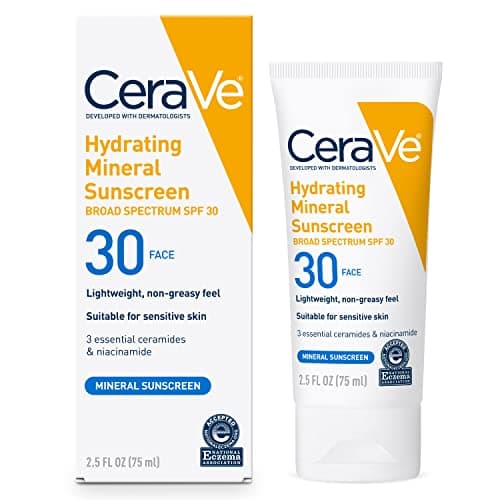
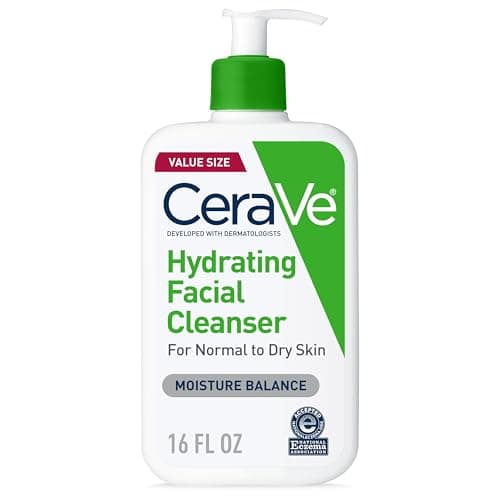
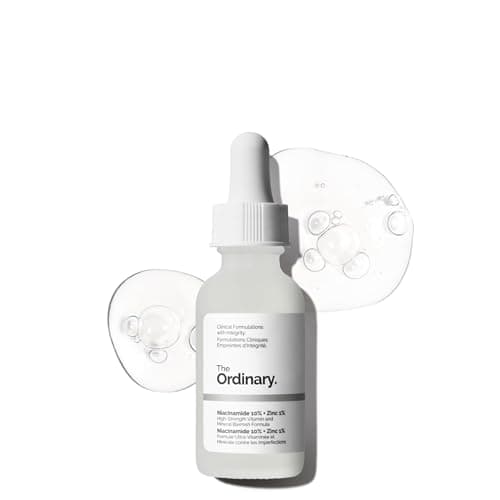
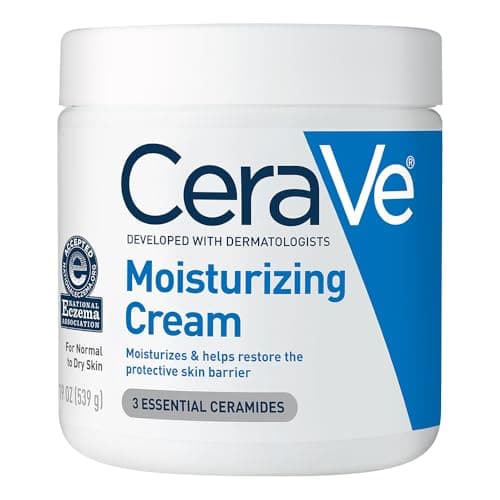
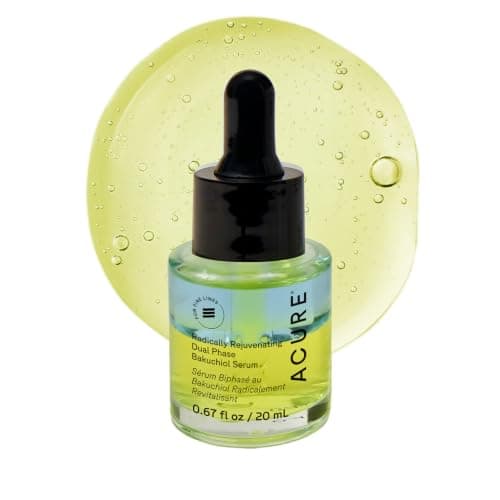
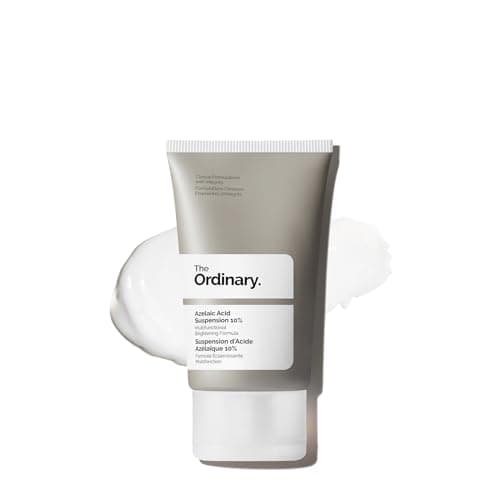
If you buy one thing, buy an azelaic acid treatment — our pick is The Ordinary Azelaic Acid Suspension 10%. It is the single active that covers both of the things pregnancy commonly does to a face: the breakouts and the melasma. It is also, per the American College of Obstetricians and Gynecologists, among the ingredients that can be used during pregnancy — which is why it gets named every time a retinoid comes off the table. This page is for the person who has just been told to stop using their retinol and does not know what is left.
Here is the honest framing, before any product. The list of things to stop is short and well established. The list of things people believethey have to stop is very long and mostly wrong, and it has produced an entire market of expensive "pregnancy safe" brands selling you the absence of ingredients that were never the problem.
What the published guidance actually says
Topical retinoids are the clear avoid. ACOG states that although the amount absorbed from a topical retinoid is low, it is generally recommended that their use be avoided during pregnancy — and it specifically tells people to read labels, because retinoids turn up in over-the-counter products without being advertised. That covers retinol, retinal, adapalene and the prescription retinoids, and it is the one line on this page we would not hedge. Our retinol guide and retinol versus retinoid explainer both say the same.
The surprise is salicylic acid.ACOG's own patient guidance lists over-the-counter products containing topical benzoyl peroxide, azelaic acid, topical salicylic acid and glycolic acid as usable during pregnancy. The internet has spent a decade telling pregnant people to throw out their BHA. If you have been avoiding a 2% BHA out of fear, that fear is not coming from the obstetricians — but the conversation to have is with your own doctor or midwife, who knows your pregnancy, and not with a skincare page. We are not clinicians and we will not pretend to be.
Two practical cautions worth more than any ingredient list. First, melasma: pregnancy hormones plus UV is the classic trigger, and the single most useful thing on this page is the sunscreen, not the serum. Second, high-dose or large-surface-area products — the professional-strength peels, anything described as a body treatment — are a different conversation from a face serum, and that conversation belongs with your clinician.
How we picked
- Actives limited to the ones the published guidance names. Azelaic acid and niacinamide do the work here. Bakuchiol appears as the retinol stand-in, with the honest caveat below.
- Fragrance-free wherever the product allows it. Not because fragrance is a pregnancy risk, but because nausea makes scent intolerable for a lot of people and a product you cannot stand to smell is a product you will not use.
- Mineral sunscreen, for the melasma reason. Not because chemical filters are unsafe — they are not — but because mineral filters are what people are usually looking for here, and zinc and titanium also scatter some visible light, which matters for pigment. The full argument is in our chemical versus mineral comparison.
- Cheap, because this is temporary. Nothing here needs to be a luxury purchase for nine months. Five of the six picks are drugstore-priced.
- Nothing invented. Every pick already appears elsewhere on this site with its published ingredient list decoded, and we did not add a product to fill a slot.
The whole routine, in order
- Morning: the hydrating cleanser (or just water, if your skin is dry), then the niacinamide, then the mineral sunscreen. Three steps.
- Evening: cleanse, then the azelaic acid on the areas that need it, then the moisturizer. If you are using the bakuchiol serum instead of azelaic on some nights, alternate rather than stacking.
- Anywhere it itches: the moisturizing cream, as often as you like. This is the least glamorous and most used product on the page.
That is it. The order logic is the same as any routine and is laid out properly in our skincare routine order guide — thinnest to thickest, sunscreen last in the morning.
Pregnancy acne versus pregnancy melasma
These are the two complaints that bring people to this page and they want different emphasis from the same shelf.
| If the problem is | Lead with | And |
|---|
| Breakouts along the jaw and chin | Azelaic acid, nightly | Niacinamide in the morning for the oil. A benzoyl peroxide wash is also on ACOG's usable list — see our benzoyl peroxide roundup — but check with your own clinician first. |
| Brown patches across cheeks, forehead or upper lip | The mineral sunscreen, religiously | Azelaic acid at night. Pigment driven by hormones plus UV does not respond to a serum while the UV continues — this is the single most common mistake. Our dark spots roundup explains the mechanism. |
| Dryness, itching and tightness | The ceramide cream, generously | Drop the actives to alternate nights until the barrier settles. |
| Everything at once | Cleanser, moisturizer, sunscreen | Add one active, after two weeks of calm. More products is the wrong response to reactive skin — see our damaged barrier guide. |
What we are not going to tell you
We are a skincare publisher, not a clinic. We can tell you what the American College of Obstetricians and Gynecologists and the American Academy of Dermatology publish, and we have linked both in Sources so you can read them yourself. We cannot tell you whether a specific product is right for your pregnancy, and neither can any other website — that is a question for the person who is actually looking after you. If you are breastfeeding, the guidance differs again, and that is also a conversation rather than a search result.
What we will say plainly: if you do nothing else for nine months but wash gently, moisturize and wear sunscreen daily, you have done the overwhelming majority of the available good. Everything else on this page is optimisation.
After the baby
The retinoid goes back in when your own clinician says so, and the sensible re-entry is the lowest rung rather than where you left off. Our retinol roundup ranks the ladder, and the 0.2% in squalane review covers the bottom rung in detail. Melasma that persists after pregnancy is a different problem from melasma during it, and tranexamic acid becomes an option then.
How we picked
We did not lab-test this gear
Everyone in this category says they tested twenty products. We have not lab-tested any of these, and we say so. What we did instead: compiled the published specifications, decoded the ingredient (INCI) lists active by active, ran the math where there was math to run, and scored each product against a published rubric. The scores are judgments from documented research — not measurements we took, because we do not have a lab and we will not pretend we do. Where a number came from someone else's work, we name them in Sources.