Buy a 10% azelaic acid, check that the words azelaic acid appear near the top of the ingredient list, spend somewhere between ten and twenty dollars, and give it three months. That is the entire decision. The complication — and the reason this page exists — is that several of the most recommended "10% azelaic" products on Amazon do not contain azelaic acid. They contain a water-soluble derivative that is easier to formulate with, and the label is worded so that you would never notice.
Azelaic acid is the quiet multi-tasker of skincare: anti-inflammatory, antibacterial, mildly keratolytic, and a tyrosinase inhibitor, which is how one ingredient manages to help with rosacea redness, breakouts and the dark marks breakouts leave behind at the same time. The mechanism in full — including the kallikrein 5 work that put it into rosacea treatment guidelines — is in our azelaic acid guide. This page is only about which bottle to buy.
We ranked on four things that genuinely differ between products in this category. First, what the active actually is — free azelaic acid, or a derivative such as potassium azeloyl diglycinate or azelamide MEA. Second, the vehicle: a silicone suspension, a water-based gel and an emulsion behave completely differently under sunscreen, and azelaic acid is notorious for pilling. Third, what else is in there, because a soothing base or a second acid changes who the product suits. Fourth, value — this is a cheap raw material and nothing here should cost a fortune. Live prices are pulled from Amazon and date-stamped on each card.
One expectation to set before you scroll. Over-the-counter azelaic acid tops out at 10%. The strengths used in most of the published trials are the prescription 15% gel and 20% cream, so a drugstore bottle is a genuinely weaker version of what those studies measured. It still works. It just works slowly, and anyone promising you a two-week transformation is selling something.
Azelaic acid vs the azelaic derivatives
This is the one thing worth knowing before you spend anything. Azelaic acid itself is a dicarboxylic acid that is poorly soluble in water, which is why formulators reach for silicone suspensions and emulsions to carry it. That awkwardness is the reason two derivatives keep appearing on labels:
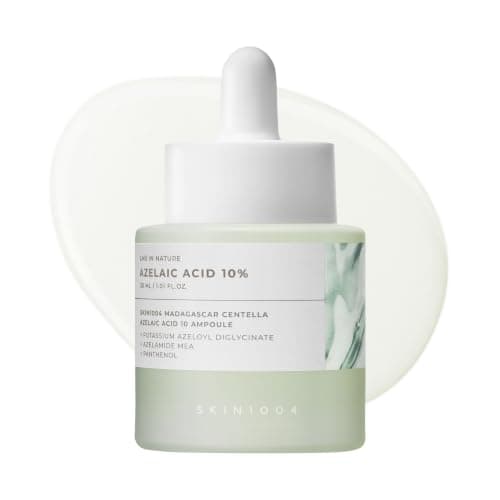
- Potassium azeloyl diglycinate — azelaic acid linked to glycine and neutralized into a salt. Water-soluble, comfortable, and easy to put in a clear serum.
- Azelamide MEA — an amide derivative, used the same way and for the same formulating reasons.
Neither is azelaic acid. They are related molecules with their own, much thinner evidence base, and the clinical work behind azelaic acid's reputation — the rosacea trials, the acne trials, the tyrosinase inhibition — was done on azelaic acid. A derivative may well do something useful. It has not been shown to do that.
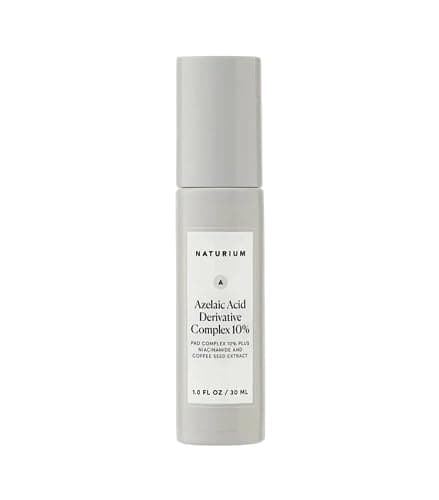
The practical check takes ten seconds: find the ingredient list and look for the literal words azelaic acid. If the highest-ranked azelaic-sounding ingredient is potassium azeloyl diglycinate, you are buying a derivative product regardless of what the front of the box says. Naturium's bottle is the clearest example — it sold for years as "Azelaic Topical Acid 10%" and the brand now lists it as Azelaic Acid Derivative Complex 10%, which is the accurate name. We rank it last here for that reason, and we still think it is a decent brightening serum, which is why it keeps its place in our dark spots roundup, where the job it actually does is the job being asked of it.
10% is the ceiling you can buy over the counter
Every product on this page is a 10%, and that is not a coincidence — it is the practical maximum for an over-the-counter azelaic acid in the US. The strengths that appear in the literature are higher: a 15% gel approved for rosacea, and a 20% cream approved for acne, both prescription-only. When you read that azelaic acid performed comparably to metronidazole, or that it reduced inflammatory lesions on a par with a topical retinoid, those results came from the prescription strengths.
A 10% still helps. It is simply the low end of the useful range rather than the middle of it, which is why our honest advice is that if a 10% has done nothing after three consistent months, the next step is a doctor rather than another bottle. Buying two 10% serums and layering them is not a workaround; it just doubles the irritation risk without doubling the dose that reaches anything.
Texture is most of the difference between these bottles
Once you have filtered for real azelaic acid at 10%, the active is the same molecule at the same strength in every bottle. What you are actually choosing between is how the thing behaves on your face at 7am:
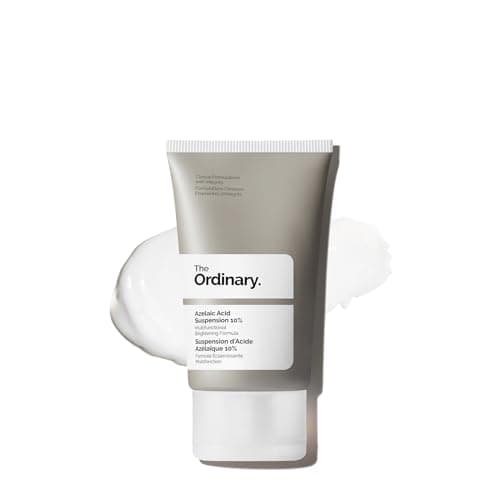
- Silicone suspensions (the Ordinary) hold the acid particles against skin in a film. Effective, matte, and the most likely to pill under sunscreen or makeup.
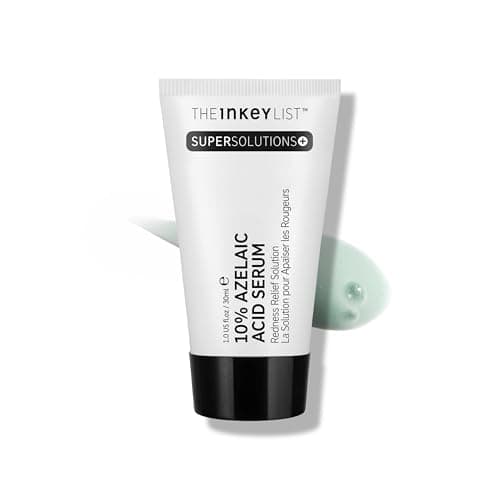
- Water gels (the INKEY List) absorb fast and layer cleanly. The trade-off is a slightly higher price for the same headline strength.
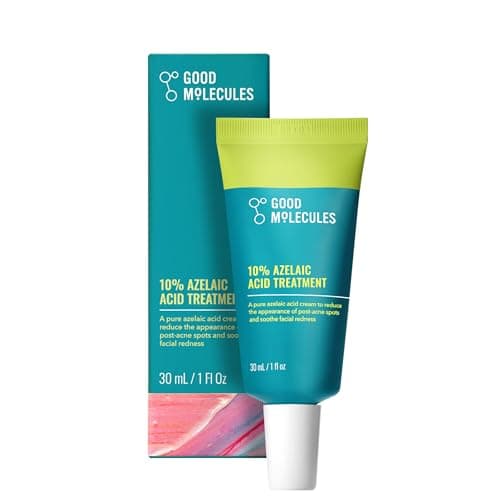
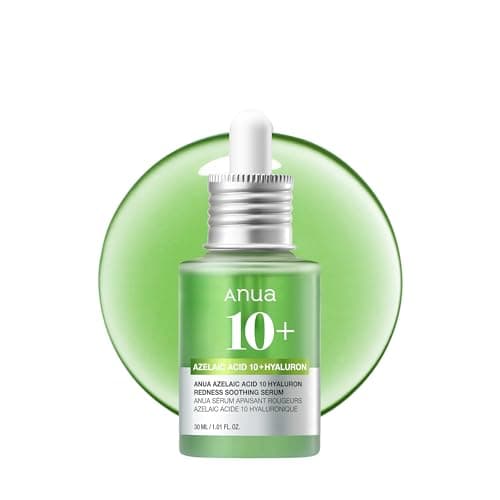
- Emulsions and ampoules (Good Molecules, Anua, SKIN1004) feel like a light moisturizer and suit dry or reactive skin. They usually bring extra ingredients with them, which is a benefit if the base soothes and a liability if you react to botanicals.
If you have abandoned azelaic acid before because it "pilled" or felt gritty, you did not fail at using it — you bought the wrong vehicle. Switching from a suspension to a gel fixes that complaint outright.
What to ignore on the front of the box
Three claims recur in this category and none of them should move your decision. "Clinically proven" on a 10% over-the-counter product is almost always borrowing evidence from prescription-strength trials. Percentage stacking — 10% azelaic plus 4% niacinamide plus 2% something else — reads as generosity and functions as a longer list of things to react to. And a green tint is makeup: useful, honest when it is described that way, and not a treatment effect. The INKEY List is transparent about the tint, so we have no objection to it; just do not read the instant improvement as the acid working.
One more filter worth applying yourself: unbranded azelaic creams from sellers with no published ingredient list are common on Amazon and cheap for a reason. We only feature products whose full INCI list is published by the brand or a reputable retailer, because without that there is nothing to evaluate.
Where it fits in a routine
After cleansing, before moisturizer, once a day to start and twice if your skin is comfortable. Azelaic acid is unusually cooperative: it layers happily with niacinamide and hyaluronic acid, and it can be alternated with a retinoid on separate nights rather than fought with. If you are still assembling the steps around it, the skincare routine order guide puts everything in sequence.
Which concern brought you here changes what else belongs on the shelf. For persistent facial redness and flushing, azelaic acid is a first-line topical and the rest of the routine should be built around not provoking the skin — see best skincare for rosacea. For the brown marks left behind by old breakouts, pair it with daily sunscreen, because pigment work without SPF is a treadmill; the mechanism comparison against alpha arbutin and tranexamic acid is on the dark-spots page. And if active breakouts are the primary problem, best skincare for acne-prone skin covers the cleanser and treatment steps azelaic acid works alongside.