Skip to content
Barrier & Bloom

Roundups · Best Skincare

The best chemical exfoliant is the weakest one that works on you

Six acids ranked by what they actually do: BHA for clogged pores, lactic for beginners, mandelic for reactive skin — and the 30% peel almost nobody should be using weekly.

By Stephen V.Updated How we review
#ad

We earn a commission when you buy through our Amazon links, at no extra cost to you. It never changes a verdict, and we say so when the cheaper product is the better buy. How this works.

Pick your acid by the problem, not by the percentage. Clogged pores and blackheads want salicylic acid (a BHA), because it is oil-soluble and gets inside the pore. Rough texture and dullness want an AHA — glycolic if your skin is robust, lactic if it is not, mandelic if it is genuinely reactive or prone to dark marks. Then use the lowest strength that gives you a result, two or three nights a week, and leave it alone.

The failure mode in this category is not choosing the wrong acid, it is using the right one too often. Exfoliating every night is how people arrive at a shiny, stinging, reactive face and conclude their skin has become sensitive. It has not; it has been over-exfoliated, and the fix is two weeks of doing nothing but cleanser, moisturizer and sunscreen. Our damaged skin barrier guide covers the recovery in detail.

Below, six products ranked on acid type, stated concentration, the pH and vehicle they sit in, and who each one is genuinely for. The full AHA-versus-BHA breakdown lives in AHA vs BHA — start there if you are not sure which family you need. Everything here is over the counter and everything here has a live, date-stamped price.

The short answer

Quick picks

#ProductBest forScorePrice
01
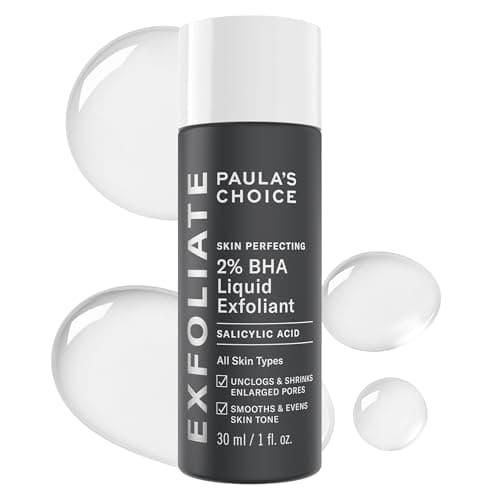
Paula's Choice Paula's Choice 2% BHA Liquid Exfoliant
Paula's Choice 2% BHA Liquid Exfoliant

The one that earned its cult. 2% salicylic acid at a pH low enough to work, in a watery vehicle that does not sit on the skin. If you have clogged pores or blackheads, start here and stop reading.

Best overall, and best for blackheads
8.4
$15.00Amazon
02
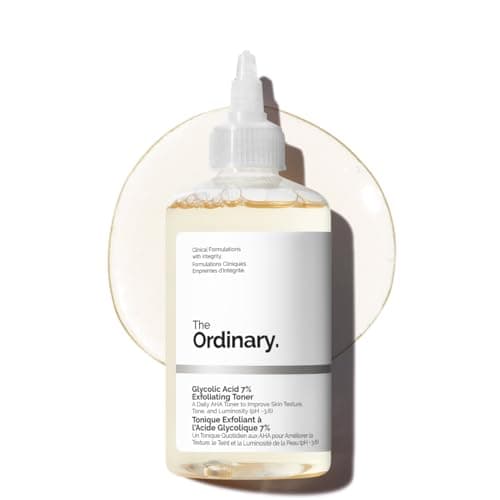
The Ordinary The Ordinary Glycolic Acid 7% Exfoliating Toner
The Ordinary Glycolic Acid 7% Exfoliating Toner

The workhorse AHA. Seven percent glycolic in a big bottle, for the price of a sandwich and a coffee. Best for skin that is oily or robust and wants smoother texture, not for anyone who describes themselves as sensitive.

Best AHA for robust skin
8.0
$13.50Amazon
03
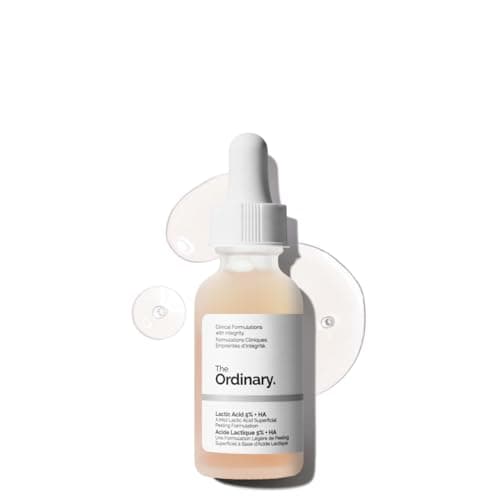
The Ordinary The Ordinary Lactic Acid 5% + Hyaluronic Acid 2%
The Ordinary Lactic Acid 5% + Hyaluronic Acid 2%

The right first acid for almost everyone. Lactic is a larger molecule than glycolic, so it works more slowly and more kindly, and 5% is a strength you can build a tolerance from.

Best for beginners
8.4
$8.10Amazon
04
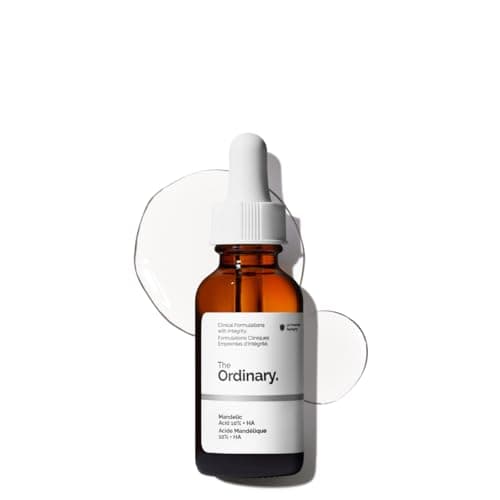
The Ordinary The Ordinary Mandelic Acid 10% + HA
The Ordinary Mandelic Acid 10% + HA

The acid for skin that reacts to everything. Mandelic has the largest molecule of the common AHAs, so it penetrates slowest and irritates least — which is exactly why it suits reactive and deeper skin tones.

Best for sensitive or reactive skin
8.6
$7.80Amazon
05
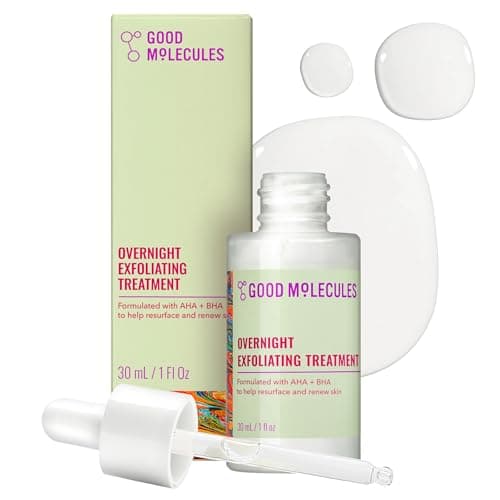
Good Molecules Good Molecules Overnight Exfoliating Treatment
Good Molecules Overnight Exfoliating Treatment

A combined AHA and BHA leave-on treatment for less than the price of two coffees. Not the most sophisticated formula here, but it does both jobs at once and costs almost nothing to try.

Best budget pick
7.0
$5.93Amazon
06
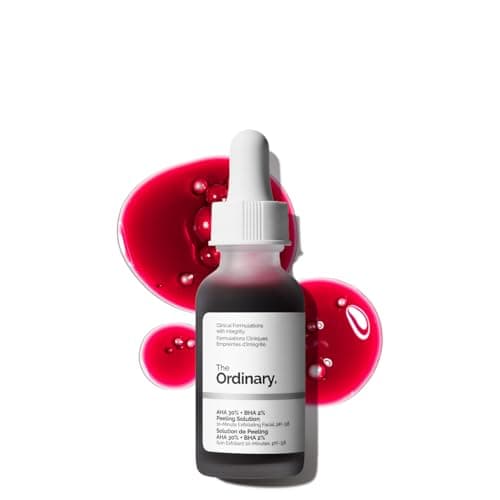
The Ordinary The Ordinary AHA 30% + BHA 2% Peeling Solution
The Ordinary AHA 30% + BHA 2% Peeling Solution

A real 30% acid peel sold for ten dollars, which is both impressive and the problem. Used correctly — ten minutes, no more than once a week, never on broken or already-irritated skin — it works. Used the way it is used on social media, it is how people destroy their barrier.

The one to be careful with
7.0
$9.50Amazon

#ad · Live prices from the Amazon Product API, as of Aug 28, 2026. Where we have no verified live price, we show none — a gap beats a number that has rotted.

In detail

The picks, in full

01
Paula's Choice Paula's Choice 2% BHA Liquid Exfoliant

Best overall, and best for blackheads

Paula's Choice 2% BHA Liquid Exfoliant

2% salicylic acidBHA (oil-soluble)4 fl ozFragrance-free
8.4/10

The one that earned its cult. 2% salicylic acid at a pH low enough to work, in a watery vehicle that does not sit on the skin. If you have clogged pores or blackheads, start here and stop reading.

Effectiveness
9
Formulation
9
Gentleness
7
Transparency
9
Value
8

Pros

  • The strongest evidence base and the longest track record in the category
  • Oil-soluble, so it clears the inside of a pore rather than the surface around it
  • Green tea in the base takes some of the edge off
  • Large bottle that lasts months at two or three uses a week

Cons

  • The vehicle can feel slightly oily on very oily skin
  • Purging in the first three or four weeks is common and looks like failure

Don't buy this if…

your concern is fine lines and rough texture rather than pores — an AHA will serve you better.

$15.00View on Amazon

Price as of Aug 28, 2026. Prices change — Amazon's at checkout is the one that counts.

#ad · we may earn a commission from this link to Paula's Choice 2% BHA Liquid Exfoliant

02
The Ordinary The Ordinary Glycolic Acid 7% Exfoliating Toner

Best AHA for robust skin

The Ordinary Glycolic Acid 7% Exfoliating Toner

7% glycolic acidAHA (water-soluble)8 fl ozAloe + ginseng base
8.0/10

The workhorse AHA. Seven percent glycolic in a big bottle, for the price of a sandwich and a coffee. Best for skin that is oily or robust and wants smoother texture, not for anyone who describes themselves as sensitive.

Effectiveness
8
Formulation
8
Gentleness
5
Transparency
9
Value
10

Pros

  • Smallest AHA molecule, so it works fast on texture and dullness
  • Enormous bottle for the money
  • Consistent, sensible pH from batch to batch

Cons

  • Glycolic is the most irritating of the common AHAs
  • Contains a small amount of fragrance in the base

Don't buy this if…

your skin flushes easily, you have rosacea, or you are already using a retinoid nightly — swap to the lactic or mandelic option.

$13.50View on Amazon

Price as of Aug 28, 2026. Prices change — Amazon's at checkout is the one that counts.

#ad · we may earn a commission from this link to The Ordinary Glycolic Acid 7% Exfoliating Toner

03
The Ordinary The Ordinary Lactic Acid 5% + Hyaluronic Acid 2%

Best for beginners

The Ordinary Lactic Acid 5% + Hyaluronic Acid 2%

5% lactic acid2% hyaluronic acid1 fl ozSerum texture
8.4/10

The right first acid for almost everyone. Lactic is a larger molecule than glycolic, so it works more slowly and more kindly, and 5% is a strength you can build a tolerance from.

Effectiveness
7
Formulation
8
Gentleness
9
Transparency
9
Value
9

Pros

  • Genuinely gentle entry point — most people tolerate it from night one
  • Lactic is a humectant as well as an exfoliant, so it is less drying
  • There is a 10% version to move up to when 5% stops doing much

Cons

  • Slow. Do not expect visible change inside a month
  • Small bottle relative to the toners here

Don't buy this if…

you have used acids happily for years — you will find 5% underpowered and should start at the glycolic toner.

$8.10View on Amazon

Price as of Aug 28, 2026. Prices change — Amazon's at checkout is the one that counts.

#ad · we may earn a commission from this link to The Ordinary Lactic Acid 5% + Hyaluronic Acid 2%

04
The Ordinary The Ordinary Mandelic Acid 10% + HA

Best for sensitive or reactive skin

The Ordinary Mandelic Acid 10% + HA

10% mandelic acidHyaluronic acid1 fl ozFragrance-free
8.6/10

The acid for skin that reacts to everything. Mandelic has the largest molecule of the common AHAs, so it penetrates slowest and irritates least — which is exactly why it suits reactive and deeper skin tones.

Effectiveness
7
Formulation
8
Gentleness
10
Transparency
9
Value
9

Pros

  • The gentlest AHA per unit of strength, by molecule size
  • Lower risk of post-inflammatory pigmentation than glycolic
  • Mild antibacterial character makes it useful on blemish-prone skin too

Cons

  • Faint yeasty smell that some people notice
  • Works slowly — it is a three-month ingredient, not a three-week one

Don't buy this if…

you want fast, obvious resurfacing. Mandelic trades speed for tolerability and it does not pretend otherwise.

$7.80View on Amazon

Price as of Aug 28, 2026. Prices change — Amazon's at checkout is the one that counts.

#ad · we may earn a commission from this link to The Ordinary Mandelic Acid 10% + HA

05
Good Molecules Good Molecules Overnight Exfoliating Treatment

Best budget pick

Good Molecules Overnight Exfoliating Treatment

AHA + BHA blendLeave-on1 fl ozFragrance-free
7.0/10

A combined AHA and BHA leave-on treatment for less than the price of two coffees. Not the most sophisticated formula here, but it does both jobs at once and costs almost nothing to try.

Effectiveness
7
Formulation
6
Gentleness
7
Transparency
5
Value
10

Pros

  • Cheapest way to find out whether acids help your skin at all
  • Covers surface texture and pores in one step
  • Light, fast-absorbing finish

Cons

  • Individual acid percentages are not broken out on the label
  • Combining two acid families raises the irritation risk for reactive skin

Don't buy this if…

you want to know precisely what strength you are applying — this is the least transparent label in the roundup.

$5.93View on Amazon

Price as of Aug 28, 2026. Prices change — Amazon's at checkout is the one that counts.

#ad · we may earn a commission from this link to Good Molecules Overnight Exfoliating Treatment

06
The Ordinary The Ordinary AHA 30% + BHA 2% Peeling Solution

The one to be careful with

The Ordinary AHA 30% + BHA 2% Peeling Solution

30% AHA blend2% BHARinse-off, 10 min max1 fl oz
7.0/10

A real 30% acid peel sold for ten dollars, which is both impressive and the problem. Used correctly — ten minutes, no more than once a week, never on broken or already-irritated skin — it works. Used the way it is used on social media, it is how people destroy their barrier.

Effectiveness
9
Formulation
7
Gentleness
2
Transparency
9
Value
8

Pros

  • Genuine professional-tier strength at a drugstore price
  • Visible smoothing after a single correct use
  • The label states the strength and the time limit plainly

Cons

  • Very easy to misuse, and the misuse is not gentle
  • Not appropriate on sensitive, rosacea-prone or broken skin at all
  • Leaves skin markedly more sun-sensitive for days

Don't buy this if…

you are new to acids, currently using a retinoid, or would be tempted to leave it on longer than ten minutes. For almost everyone reading this page, one of the leave-on picks above is the better buy.

$9.50View on Amazon

Price as of Aug 28, 2026. Prices change — Amazon's at checkout is the one that counts.

#ad · we may earn a commission from this link to The Ordinary AHA 30% + BHA 2% Peeling Solution

Choose the acid, then the strength

  • Salicylic acid (BHA) — oil-soluble, so it works inside pores. The right answer for blackheads, closed comedones and oily congestion. 2% is the standard.
  • Glycolic acid (AHA) — the smallest molecule, so the fastest and the harshest. Good for texture and dullness on robust skin. 5–10% for at-home use.
  • Lactic acid (AHA) — larger molecule, slower, kinder, and a humectant in its own right. The best starting acid. 5% to begin, 10% later.
  • Mandelic acid (AHA) — the largest common AHA molecule and the gentlest. The pick for reactive skin and for anyone prone to post-inflammatory marks. 10% is a normal at-home strength because the molecule size does the moderating.

We wrote a full guide to each of these: salicylic acid, glycolic acid, lactic acid and mandelic acid.

Frequency is the variable that matters

Start at twice a week, at night, on dry skin, and hold there for a month before you change anything. If your skin is comfortable, go to three nights. Very few people need more than that, and nobody needs a leave-on acid every night on top of a retinoid. The visible signs you have gone too far are a tight, shiny look, stinging when you apply anything at all, and new sensitivity to products you used happily last month.

The sunscreen part is not optional

Every AHA increases sun sensitivity — measurably, for about a week after use. Exfoliating without daily sunscreen is a net negative for your skin: you are removing the top layer and then handing what is underneath straight to UV. If you are not going to wear SPF every morning, skip this category entirely and put the money into a sunscreen you will actually wear. That is not a throwaway line — it is the single highest-return swap on this whole site.

What not to stack

Do not use an acid on the same night as a retinoid unless you have spent months proving your skin tolerates it. Alternate nights instead. Benzoyl peroxide and acids on the same evening is another common route to a wrecked barrier. And if you are using a prescription retinoid, treat any leave-on acid as an addition to discuss with whoever prescribed it.

How we picked

We did not lab-test this gear

Everyone in this category says they tested twenty products. We have not lab-tested any of these, and we say so. What we did instead: compiled the published specifications, decoded the ingredient (INCI) lists active by active, ran the math where there was math to run, and scored each product against a published rubric. The scores are judgments from documented research — not measurements we took, because we do not have a lab and we will not pretend we do. Where a number came from someone else's work, we name them in Sources.

Questions

Frequently asked

Which chemical exfoliant should a beginner buy?
A 5% lactic acid. It is a large, slow molecule, it hydrates as it exfoliates, and almost everyone tolerates it from the first night. Move to 10% lactic or a 7% glycolic once it stops producing a visible change.
AHA or BHA — which do I need?
BHA (salicylic) for pores, blackheads and oily congestion, because it is oil-soluble and works inside the pore. AHA (glycolic, lactic, mandelic) for surface texture, dullness and fine lines. If you have both problems, use them on alternate nights rather than together.
How often should I use a chemical exfoliant?
Two nights a week to start, three at most for the majority of people. Daily exfoliation is the single most common cause of the shiny, stinging, over-sensitized skin that gets mistaken for a permanent sensitivity.
Is the 30% peeling solution safe?
Used exactly as labeled — no more than ten minutes, no more than once a week, never on broken or irritated skin, always followed by daily sunscreen — it is a legitimate at-home peel. Used the way social media uses it, it is the fastest way to a damaged barrier we know of. If you are new to acids, do not start here.
Can I use a chemical exfoliant with retinol?
On alternate nights, yes. On the same night, only if your skin has proved over months that it tolerates both. Stacking them is the classic route to redness, peeling and a stinging reaction to products that never bothered you before.

Keep reading

Receipts

Sources

We do not run a testing lab, and we do not pretend to. Where a measured number came from someone else's work, we name them and link them. Where we could not verify something, we say so on the page rather than quietly leaving it out. Read our full method.