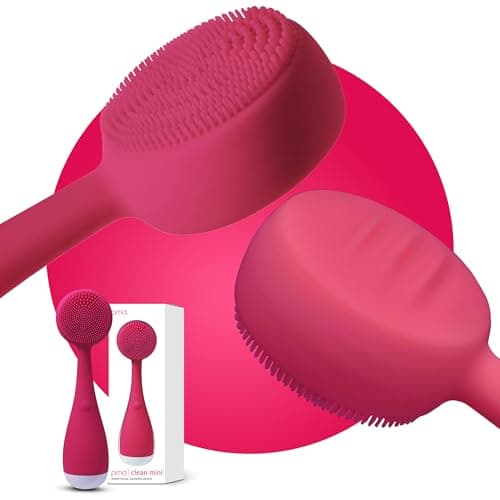
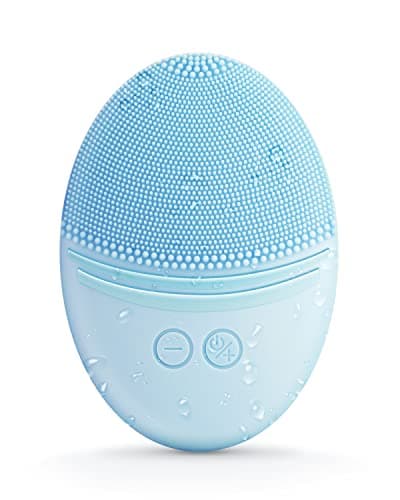
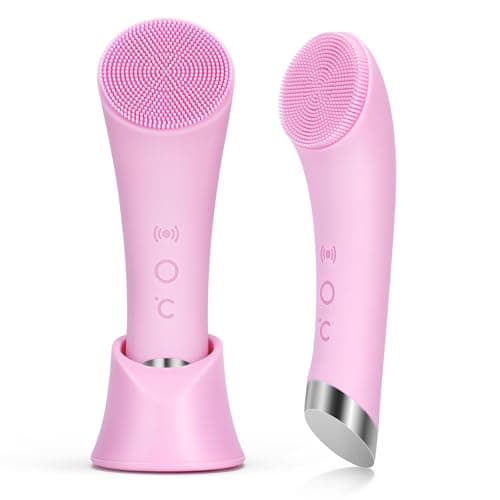
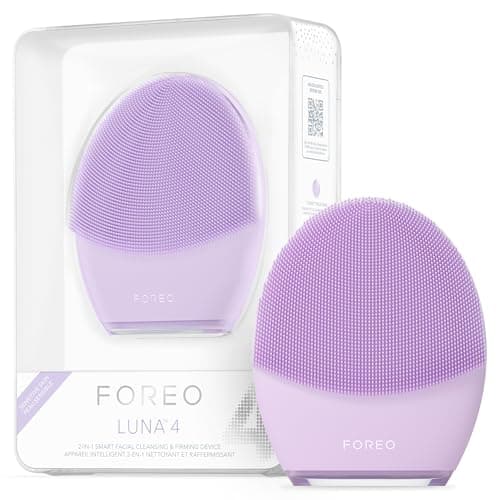
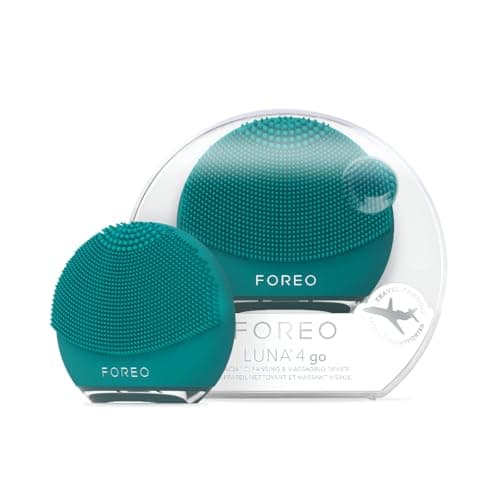
A facial cleansing brush does one thing your fingers do not: it applies consistent, low-amplitude mechanical agitation while you wash. On oily or sunscreen-heavy skin that measurably improves how much comes off in one pass. On normal skin, washed properly with a decent cleanser, the difference is small — and we would rather say so than pretend a $60 gadget is a routine essential.
What has changed is the hardware. The bristle-brush era of the 2010s genuinely damaged skin: rotating nylon heads that over-exfoliated, harbored bacteria between uses, and turned a lot of normal faces reactive. Modern silicone brushes solved most of that — non-porous, softer, sonic rather than rotating, and dishwasher-tolerant. If you are going to buy one, buy silicone, and never go back to bristles.
Five ranked below on motor quality, silicone finish, charging arrangement and price. One practical note before you buy anything: a brush replaces neither your cleanser nor your technique. If your skin is congested, the fix is usually a BHA twice a week, not more scrubbing. And if it is tight after washing, the cleanser is wrong — see the face cleanser roundup.
Silicone, always — and why the bristle era ended
Rotating nylon-bristle brushes were the dominant format for most of the 2010s, and they caused a great deal of avoidable damage: too much mechanical exfoliation for daily use, a porous head that stayed damp between uses, and a replacement-head business model that encouraged people to run heads long past their useful life. Silicone fixed all three problems at once. It is non-porous, it flexes rather than scrubs, and it never needs replacing.
If you own a bristle brush, the honest advice is to stop using it on your face. If you are shopping now, silicone is the only format we would put on this page.
How much does a brush actually add?
Some, in specific circumstances. If you wear a heavy mineral sunscreen, long-wear makeup, or work in a dusty or greasy environment, a brush measurably improves what comes off in a single wash. If your evening routine is a light moisturizer and nothing else, you are paying for a nicer washing experience — which is fine, as long as you know that is what you are buying.
What a brush does not do: shrink pores, treat acne, or replace exfoliation. Pore size is set by genetics and how much oil is inside. Congestion responds to a salicylic acid product, not to agitation. And using a brush as your exfoliation strategy is how people end up with the shiny, tight, reactive skin described in our damaged barrier guide.
Frequency and technique
- Once a day is plenty, in the evening, when there is something to remove. Twice a day is unnecessary for almost everyone.
- Let the device do the work. No pressure. Pressing the head into your face converts gentle agitation into friction, which is the thing that causes trouble.
- Sixty seconds, not three minutes. Most devices have a built-in timer for a reason.
- Skip it entirely on days when your skin is irritated, sunburned, peeling from an acid, or in the first fortnight of a retinoid.
Running cost
Effectively zero, and that is the strongest argument for silicone. There are no replacement heads, and charge cycles are measured in months on the better devices. Compared to the bristle brushes these replaced — where heads were recommended every three months at real money each — a silicone brush is a one-time purchase. Over five years, the flagship FOREO is cheaper to own than a mid-range bristle brush was.
For the other end of the device shelf, our facial steamer roundup covers the tool people usually consider next, and the LED face mask roundup takes the same honest-evidence approach to a much more expensive category. If the budget is the constraint, our best skincare devices under $50 ranks our budget brush pick against every other device in that bracket.