The routine for oily skin is: a foaming cleanser twice a day, a lightweight moisturizer (yes, really), a matte-finish sunscreen every morning, and salicylic acid two to four times a week. Niacinamide is the one optional extra worth adding. What is not on the list is the thing most oily-skinned people are doing: washing more, harder, with something that leaves the face squeaking.
Sebum production is largely driven by hormones and genetics. You cannot wash it away, and the products that promise to are mostly removing the surface lipids that keep water in your skin. What happens next is predictable: the barrier gets leaky, the skin feels tight and starts producing more oil, and by mid-afternoon you are shinier than you were before you started. Dermatology guidance on oily and acne-prone skin is consistent on this point — gentle, twice-daily cleansing, not aggressive scrubbing.
The morning routine
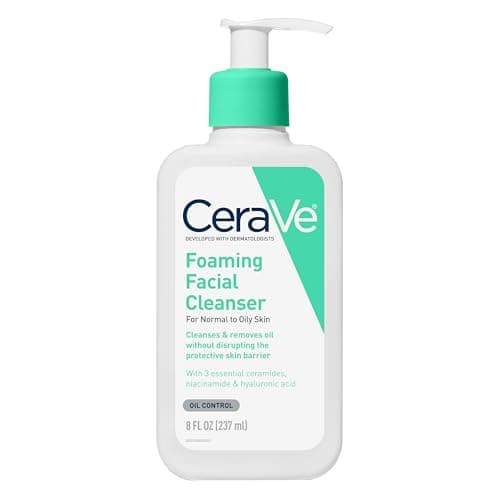
- Foaming or gel cleanser. Lukewarm water, thirty seconds, rinse. If your skin squeaks afterward, the cleanser is too strong.
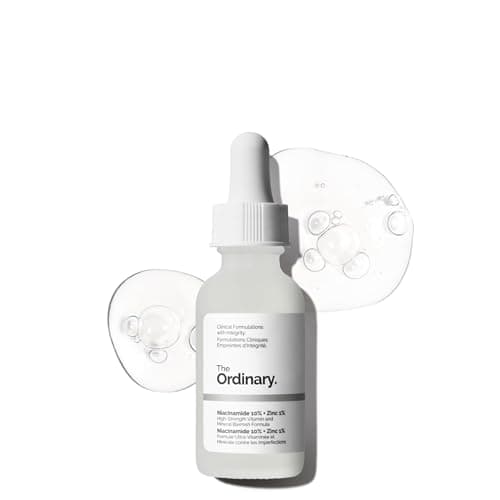
- Niacinamide serum (optional) — the one active with published work behind reducing the appearance of sebum and pore size.
- Lightweight moisturizer. A gel or thin lotion, not a cream. This step is not negotiable, and skipping it is the single most common oily-skin mistake.
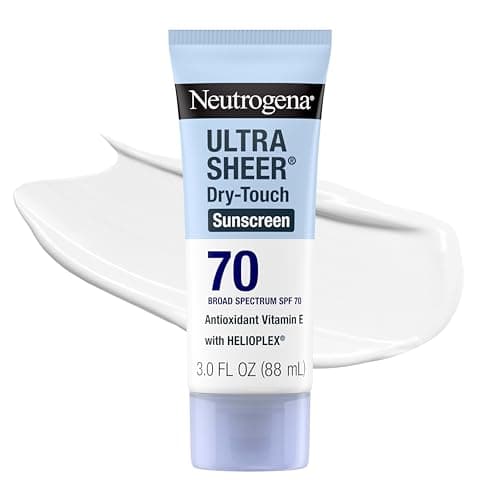
- Matte-finish sunscreen. Dry-touch chemical filters usually wear better on oily skin than heavy mineral formulas.
The evening routine
- Cleanse properly. This is the wash that matters — it removes sunscreen, a day of sebum, and anything that settled on top of it.
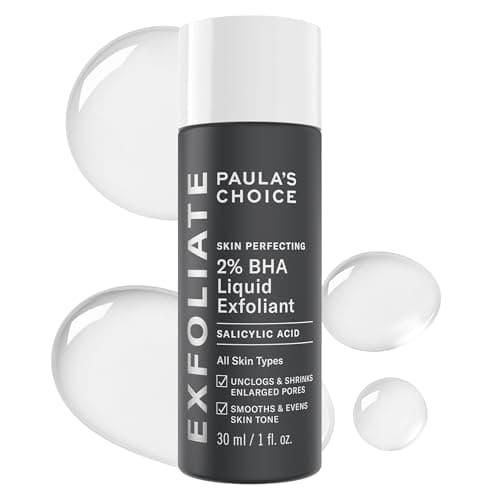
- Salicylic acid, 2–4 nights a week. A BHA is oil-soluble, which is the entire reason it suits oily skin — it gets inside the pore rather than working on the surface.
- Lightweight moisturizer. Same product as the morning. Every night.
On the nights you are not using BHA, that is the whole routine: cleanse, moisturize, sleep. If you also want a retinoid for texture or aging, alternate it with the BHA rather than stacking them — details in the AHA vs BHA guide and the retinol guide.
Why "oil-free and mattifying" is not the same as "good for oily skin"
Marketing has trained oily-skinned buyers to look for two words on a label, and neither is a quality signal. "Oil-free" only tells you the formula contains no added lipids — it says nothing about whether the product contains drying alcohols, high levels of fragrance, or foaming agents harsh enough to strip you. "Mattifying" usually means silica or clay absorbing oil on the surface for a couple of hours; it is a cosmetic effect with no bearing on how much sebum you produce.
The label reads that actually matter for oily skin: does it contain alcohol denat. high in the list (drying, and the rebound is real), niacinamide (worth having), salicylic acid at 0.5–2% (the useful range), and is the moisturizer a gel or lotion rather than a cream. Everything else is packaging. Our ingredient checker guide walks through reading a list yourself.
Oily is not the same as acne-prone, or dehydrated
Three conditions get lumped together and want different responses. Oily skin produces a lot of sebum and may have zero breakouts — that is a finish problem, and the routine above handles it. Acne-prone skin has active inflammatory lesions, and it needs a dedicated treatment active like benzoyl peroxide or adapalene; see best skincare for acne. Dehydrated skin lacks water rather than oil, and it very often looks oily because a compromised barrier overproduces in response — the fix there is more moisturizer, not less.
The practical test: if your skin is shiny but comfortable, you are oily. If it is shiny and tight, flaky at the edges, or stings when you apply things, you are dehydrated and the aggressive routine is the cause. Back off everything for two weeks, use only cleanser and moisturizer, and start again.
The four products this routine runs on
Ranked below with live prices. All four are picked by decoding the published ingredient list against what oily skin actually needs — a cleanser that foams without stripping, a niacinamide that is not overpriced, a BHA at a sensible strength, and a sunscreen with a finish you will tolerate at 3pm.
The mistakes that keep oily skin oily
Washing three or four times a day. Twice is the ceiling. Each extra wash removes surface lipids you then have to rebuild, and the barrier responds by producing more oil, not less.
Skipping moisturizer. The most common and the most counterproductive. Moisturizer supplies water and lipids; sebum is not a substitute for either. Oily skin that is properly moisturized produces less visible shine, not more.
Using alcohol-heavy toners. The instant matte effect is the alcohol evaporating and taking water with it. Two hours later you are shinier. If a toner lists alcohol denat. in the first three ingredients, it is working against the rest of your routine.
Stacking actives. BHA plus retinoid plus a scrub plus a clay mask in the same week is how oily skin becomes oily and irritated. One active, introduced slowly, then reassess in a month.
Blotting instead of fixing. Blotting papers are fine as a mid-day tidy-up. They are not a routine, and treating them as one hides the feedback you need to tell whether the routine is working.
What about pores?
Pore size is largely genetic and it is not adjustable. What is adjustable is how visible a pore looks, which depends mostly on whether it is packed with oxidized sebum. That is exactly the job salicylic acid does, and it is why a BHA routine makes pores look smaller without changing anything anatomical. Any product claiming to shrink or close pores is describing a temporary tightening effect, and any tool claiming to suction them clean is a good way to bruise yourself.
Cost of the routine
The four products above cover roughly three to six months of twice-daily use. The cleanser and sunscreen are the volume items and both are cheap; the BHA is the one place where the price is genuinely higher than the drugstore alternatives, and it is the one place we think the premium is defensible. If budget is the constraint, buy the cleanser, a lightweight moisturizer and the sunscreen first — the two actives can wait a month and the routine still works. Our drugstore skincare picks cover the cheaper versions of every slot.