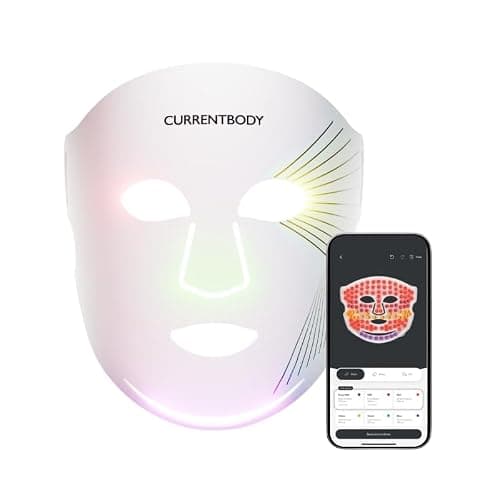
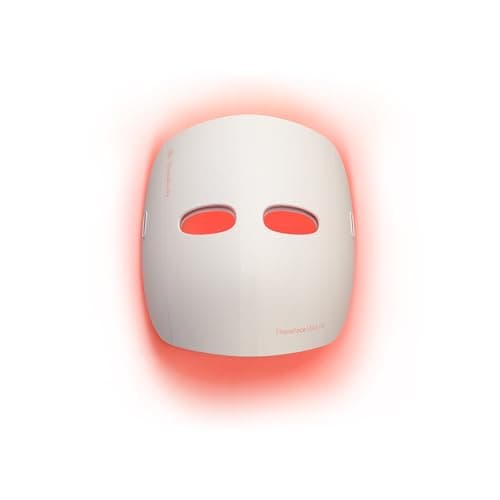
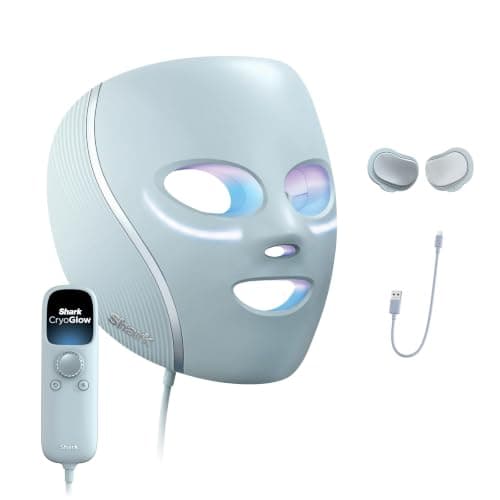
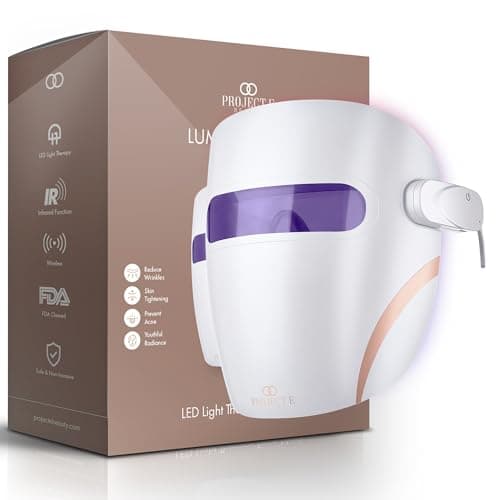
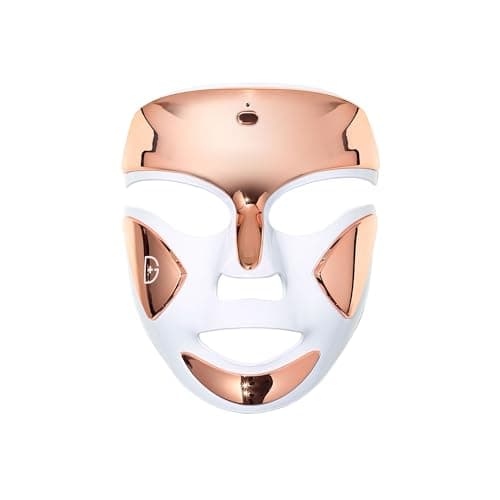
This is the most expensive category on the site, so it deserves the most careful framing. LED masks work by photobiomodulation — a non-thermal process where red and near-infrared light is absorbed by chromophores in the mitochondria, which the published literature links to fibroblast proliferation, collagen synthesis and extracellular matrix production. That mechanism is real and reviewed. What is genuinely unsettled is optimal dosing, and the reviews say so: red and near-infrared light are well established for skin rejuvenation and wound repair, while optimal dose and long-term safety still need more study.
Translated into buying advice: an LED mask is a plausible, low-risk, slow-acting addition to a routine, and it costs between $159 and $470. It is not a substitute for a retinoid or sunscreen, both of which have far stronger evidence and cost a fraction as much. If your routine does not already include those, buy them first and come back to this page later. If it does, and you want the next incremental thing, here are five masks ranked on the specifications that actually differ.
What the research actually says
Photobiomodulation is a non-thermal process in which light is absorbed by endogenous chromophores and activates mitochondrial respiratory pathways. Published reviews associate that with fibroblast proliferation, collagen synthesis, growth factor release and extracellular matrix production — the mechanistic basis for the skin-tightening and wrinkle-reduction claims. One controlled study frequently cited in this literature used 633 nm LED light in 20-minute sessions three times weekly for three weeks, reporting reduced roughness and improved epidermal uniformity. Reviews also note that LED red-light phototherapy is regarded as safe, non-invasive and not associated with the DNA damage caused by UV.
The caveats are equally documented and equally important. Optimal dosing and long-term safety require further study; study populations are typically small; and consumer masks deliver lower irradiance than the clinic devices most of the research used. Our honest position: the mechanism is real, the consumer-device effect size is probably modest, and nobody should buy one expecting the results of a professional treatment course.
The specifications that matter
- Wavelength.Red around 630-660 nm and near-infrared around 810-850 nm are the bands with rejuvenation literature. Blue around 415 nm is the one studied for acne-causing bacteria. Everything else on a "seven color" list is decoration.
- Coverage and fit. Light that does not reach skin does nothing. A flexible silicone mask that sits against the sides of the nose and along the jaw delivers a more even dose than a rigid shell that bridges over them.
- Session length. This is an adherence specification, not a performance one. A three-minute mask used five times a week beats a ten-minute mask used twice.
- Eye protection. Every mask here shields the eyes; keep them closed regardless. If you have a retinal condition or take a photosensitizing medication, ask your doctor before using one at all.
Who should skip this category
Anyone whose routine is not already anchored by daily sunscreen and a nightly retinoid. Those two have decades of evidence and cost under $40 combined; an LED mask is a $159-$470 refinement on top of them, not a replacement for them. Start with our sunscreen picks and retinol roundup, give them three months, and only then consider a device. Also skip it if you are photosensitive, taking medication that increases photosensitivity, or have an active skin infection.
If you are weighing a mask against the other big-ticket device category, our LED mask versus microcurrent head-to-head lays out the five questions that decide it, and the evidence ranking across every device category puts LED first for a reason worth reading.
Cost to run
Negligible, unlike a fridge. These are low-wattage rechargeable devices used for minutes at a time; the electricity cost is a rounding error. The real cost is the purchase price and the several months of consistent use required before you could reasonably judge whether it did anything.
One form-factor note before you shop: handheld red-light wands sell against these masks at a fraction of the price, and they are not the same purchase. The window is about two square inches, so a whole-face dose is not realistic — we lay the arithmetic out in LED mask vs red light wand.
How we picked
We did not lab-test this gear
Everyone in this category says they tested twenty products. We have not lab-tested any of these, and we say so. What we did instead: compiled the published specifications, decoded the ingredient (INCI) lists active by active, ran the math where there was math to run, and scored each product against a published rubric. The scores are judgments from documented research — not measurements we took, because we do not have a lab and we will not pretend we do. Where a number came from someone else's work, we name them in Sources.