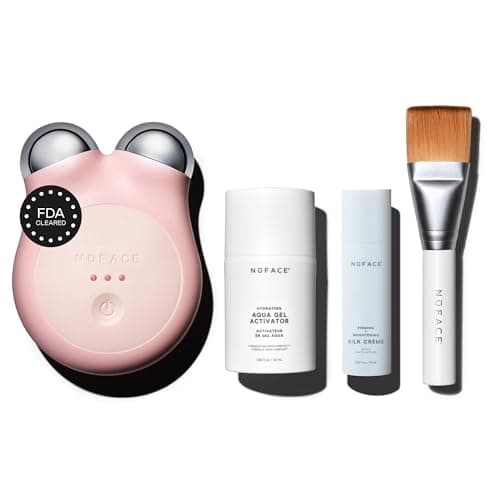
Microcurrent devices pass a very low-level electrical current through facial tissue, stimulating the muscles underneath. The immediate effect is real and easy to see in a mirror: a modest, temporary lift along the jaw and brow that lasts hours to a couple of days. The long-term effect is where the honesty has to come in — the independent evidence for lasting change is thin, most published studies are small or manufacturer-linked, and the results everyone shows you require ongoing use forever.
That does not make these devices a scam. It makes them a maintenance purchase, the way a gym membership is: it works while you keep doing it, and it stops working when you stop. If you are happy with that trade, the devices below do the job. If you were hoping for a one-time investment that permanently changes your face, this category will disappoint you and we would rather say so before you spend $250.
Ranked on the things that actually differ: output level, how the device feels in the hand for the ten minutes you have to hold it, whether it needs a proprietary conductive gel (a genuine ongoing cost), and price. Everything here is a cosmetic device, not a medical one — none of these should be used if you have a pacemaker or implanted electrical device, are pregnant, or have epilepsy.
What the evidence actually supports
Microcurrent at the levels used in these devices — measured in microamps, well below the threshold of pain — stimulates facial muscle and briefly increases local circulation. The immediate visual effect is genuine: a mirror comparison of one treated side against one untreated side is convincing, which is exactly why every marketing image is a split-face shot.
The lasting-change evidence is a different matter. The studies that exist tend to be small, short, and either funded by or affiliated with device manufacturers, and there is very little independent replication. What can be said honestly: the short-term lift is real, the long-term claim is unproven, and any result depends on continued use. Nobody in this category will tell you that in a headline, so we are telling you here.
The costs the marketing leaves out
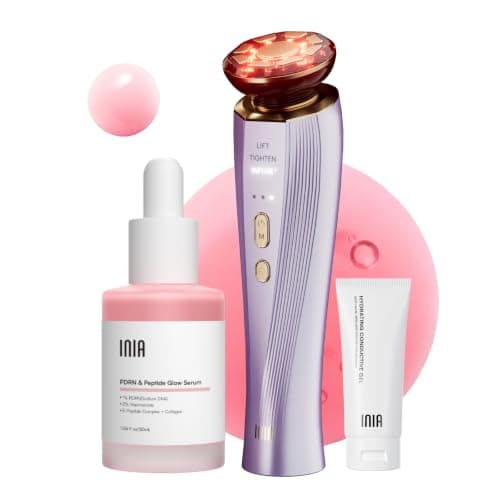
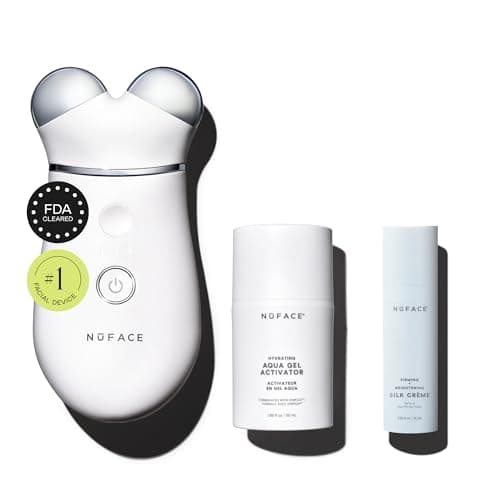
- Conductive gel. Microcurrent needs a conductive medium. Some brands sell a proprietary one and design the device around it; over a year that can add up to a meaningful share of the device price. Devices that work with generic gel are cheaper to own.
- Time. Five to ten minutes, three to five times a week, indefinitely. That is between thirteen and forty hours a year. It is the real price of the category and it is the reason most of these devices end up in a drawer.
- Electricity. Negligible — these are small rechargeable batteries. If a page tells you running cost is a factor here, it has not done the arithmetic.
Who should not use one
Do not use a microcurrent device if you have a pacemaker or any implanted electrical device, if you are pregnant, if you have epilepsy, or over areas with metal implants or recent injectable treatments. These are the manufacturers' own contraindications and they are not decorative. If you have an active skin condition on the treatment area, wait until it has settled.
What we would buy instead, and when
If the goal is how your face looks in ten years rather than tomorrow evening, the ranking is not close: daily sunscreen and a retinoid do more for facial aging than any at-home device, cost a fraction as much, and have decades of evidence behind them. Our sunscreen roundup and retinol roundup are the honest first purchases, and our anti-aging roundup puts the whole hierarchy in order.
Buy microcurrent as an addition once those are in place and you have a routine you keep. If you would like a device with a stronger evidence base for the money, the LED face mask roundup covers a category where the published work is thicker — and we are equally blunt there about its limits. The LED mask versus microcurrent head-to-head puts the two side by side on the five questions that actually decide it, and the evidence ranking across every device category explains why this one places third.
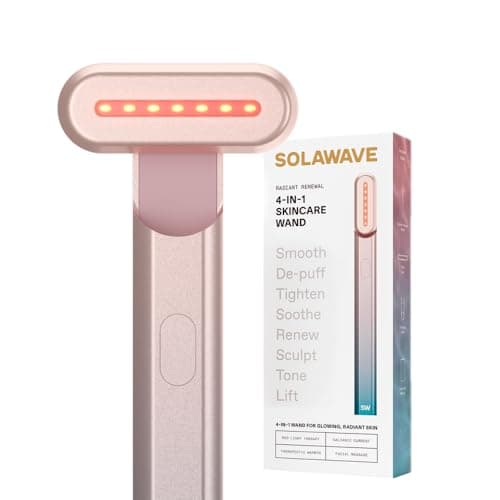
Several devices in this category — the Solawave wand among them — bundle red light with the microcurrent, which raises a fair question about whether a wand could stand in for an LED mask instead. It cannot, and LED mask vs red light wand explains why coverage rather than wavelength is what settles it.
How we picked
We did not lab-test this gear
Everyone in this category says they tested twenty products. We have not lab-tested any of these, and we say so. What we did instead: compiled the published specifications, decoded the ingredient (INCI) lists active by active, ran the math where there was math to run, and scored each product against a published rubric. The scores are judgments from documented research — not measurements we took, because we do not have a lab and we will not pretend we do. Where a number came from someone else's work, we name them in Sources.