Skip to content
Barrier & Bloom

Roundups · Best Skincare

The best retinol, ranked by the strength you should actually start at

Seven retinoids ordered by potency rather than price — where to start, when to step up, and the irritation each one buys you on the way.

By Stephen V.Updated How we review
#ad

We earn a commission when you buy through our Amazon links, at no extra cost to you. It never changes a verdict, and we say so when the cheaper product is the better buy. How this works.

Retinoids are the most evidence-backed anti-aging actives available without a prescription, and the most commonly abandoned. The reason is almost always the same: people start too strong, flake for two weeks, and quit. So this list is ordered by strength and tolerability rather than by price, and the honest headline is that the best retinol for you is the strongest one you will still be using in six months — which for most people is not the strongest one on the shelf.

A definition first, because the words are used loosely. "Retinoid" is the family: it covers retinol, retinaldehyde, retinyl esters, synthetic analogs like adapalene, and prescription retinoic acid. Retinol is one member of that family, and — as the American Academy of Dermatology puts it — retinol and retinyl esters are less effective than retinoic acid, because the skin has to convert them first. Each conversion step costs potency and buys tolerability. That single trade-off explains the entire ranking below.

The short answer

Quick picks

#ProductBest forScorePrice
01
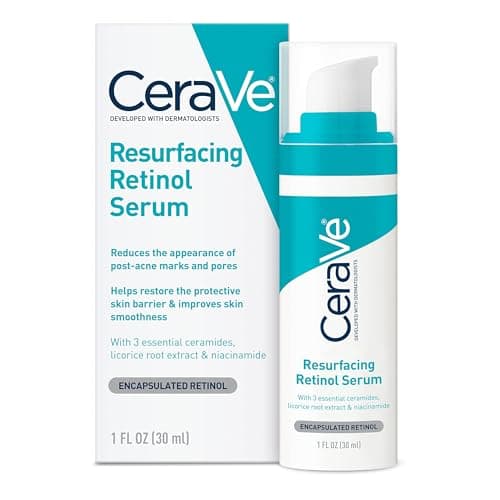
CeraVe CeraVe Resurfacing Retinol Serum
CeraVe Resurfacing Retinol Serum

The best first retinoid for almost anyone. Encapsulated retinol in a ceramide-and-niacinamide base, fragrance-free, cheap, and specifically built so the barrier support arrives in the same bottle as the irritant. Not the strongest — deliberately.

Best overall
8.4
$16.49Amazon
02
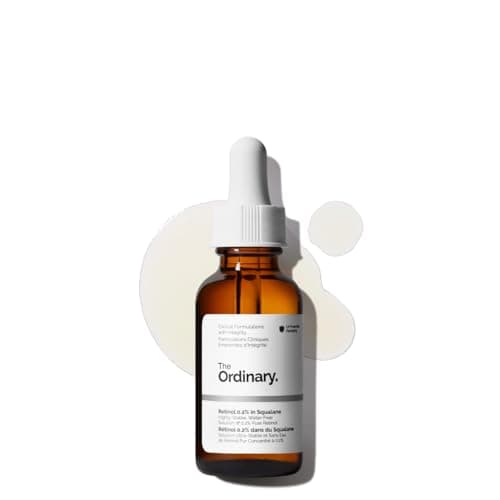
The Ordinary The Ordinary Retinol 0.2% in Squalane
The Ordinary Retinol 0.2% in Squalane

The cheapest honest way to find out whether your skin tolerates retinol. A stated 0.2% in squalane and nothing else — no fragrance, no filler actives, no ambiguity about what you are testing.

Best starter strength
7.8
$8.10Amazon
03
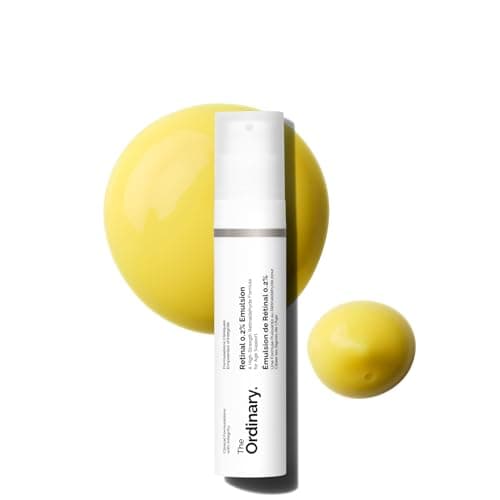
The Ordinary The Ordinary Retinal 0.2% Emulsion
The Ordinary Retinal 0.2% Emulsion

The smart step up. Retinaldehyde sits one conversion step closer to retinoic acid than retinol does, so a 0.2% retinal is meaningfully more potent than a 0.2% retinol — without going prescription. Our pick for anyone who has outgrown a starter bottle.

Best step-up
8.0
$14.90Amazon
04
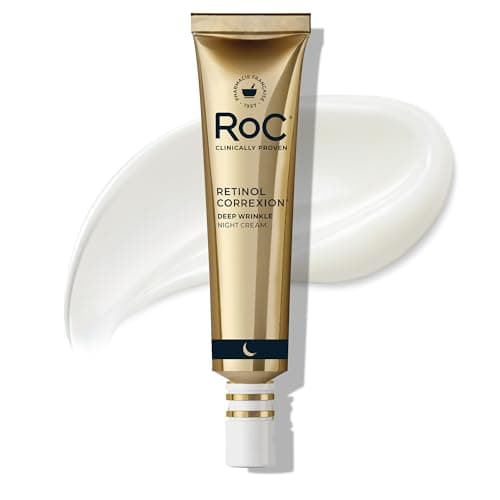
RoC RoC Retinol Correxion Deep Wrinkle Night Cream
RoC Retinol Correxion Deep Wrinkle Night Cream

The best all-in-one night cream with a retinoid in it. Rich enough to be your only night step, from a brand that has been formulating stabilized retinol longer than most of the internet has existed.

Best night cream
7.4
$21.97Amazon
05
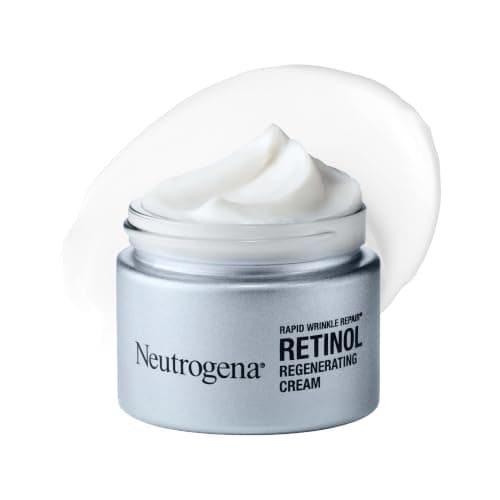
Neutrogena Neutrogena Rapid Wrinkle Repair Retinol
Neutrogena Rapid Wrinkle Repair Retinol

The mass-market workhorse: accelerated retinol with hyaluronic acid and glucose complex, tuned to show texture improvement faster than a gentle starter would. Effective, widely available, and fragranced.

Best mass-market pick
7.4
$24.97Amazon
06
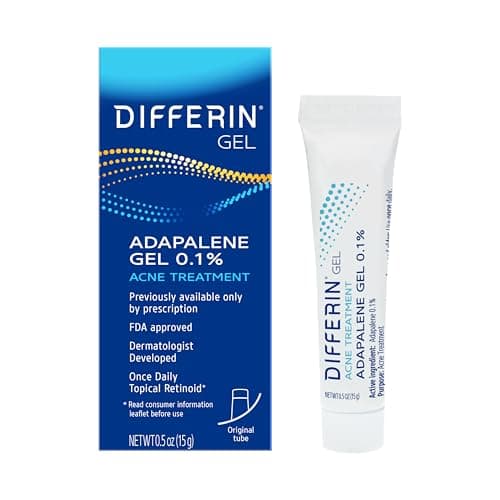
Differin Differin Adapalene Gel 0.1%
Differin Adapalene Gel 0.1%

A genuine prescription-strength retinoid sold over the counter. Adapalene is FDA-approved for acne, and it is the strongest thing on this page — which is exactly why it belongs at the end of the ladder, not the start.

Best for acne and aging together
7.6
$13.48Amazon
07
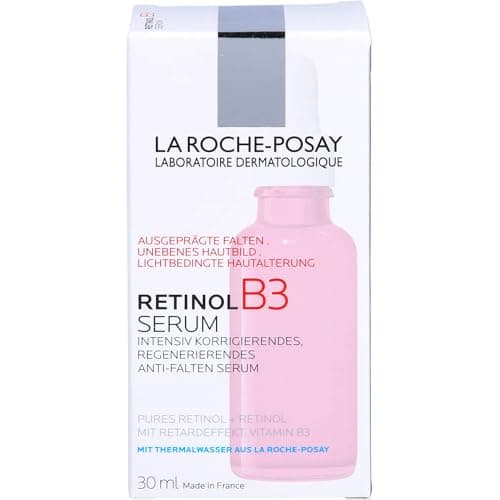
La Roche-Posay La Roche-Posay Pure Retinol B3 Serum
La Roche-Posay Pure Retinol B3 Serum

The premium option, and the one to hand someone who has been scared off retinol before. Pure retinol plus a gradual-release retinol, buffered with niacinamide and glycerin — the most comfortable strong retinoid here.

Best premium
7.8
$44.99Amazon

#ad · Live prices from the Amazon Product API, as of Aug 28, 2026. Where we have no verified live price, we show none — a gap beats a number that has rotted.

In detail

The picks, in full

01
CeraVe CeraVe Resurfacing Retinol Serum

Best overall

CeraVe Resurfacing Retinol Serum

Encapsulated retinolCeramides + niacinamideFragrance-freeNon-comedogenic
8.4/10

The best first retinoid for almost anyone. Encapsulated retinol in a ceramide-and-niacinamide base, fragrance-free, cheap, and specifically built so the barrier support arrives in the same bottle as the irritant. Not the strongest — deliberately.

Efficacy
7
Tolerability
9
Formula
9
Texture
8
Value
9

Pros

  • Barrier ingredients in the same formula genuinely reduce the flaking phase
  • Light lotion texture that layers under a moisturizer without pilling
  • Fragrance-free and non-comedogenic — suits acne-prone skin
  • Priced so that a slow, patient ramp-up costs nothing

Cons

  • Strength is not disclosed as a percentage
  • Too gentle to be the endpoint if you have been using retinoids for years

Don't buy this if…

you are pregnant or trying to conceive — topical retinoids are off the table, and that applies to every product on this page.

$16.49View on Amazon

$21.9925% off

Price as of Aug 28, 2026. Prices change — Amazon's at checkout is the one that counts.

#ad · we may earn a commission from this link to CeraVe Resurfacing Retinol Serum

02
The Ordinary The Ordinary Retinol 0.2% in Squalane

Best starter strength

The Ordinary Retinol 0.2% in Squalane

0.2% retinolSqualane baseStated percentageFragrance-free
7.8/10

The cheapest honest way to find out whether your skin tolerates retinol. A stated 0.2% in squalane and nothing else — no fragrance, no filler actives, no ambiguity about what you are testing.

Efficacy
6
Tolerability
9
Formula
8
Texture
6
Value
10

Pros

  • The percentage is printed on the bottle, so you can step up deliberately
  • Squalane base is calming and suits dry skin
  • Cheap enough to treat as an experiment rather than a commitment
  • Sibling 0.5% and 1% bottles make the ladder obvious

Cons

  • Oily feel that some skin types dislike
  • No barrier actives to cushion the adjustment period

Don't buy this if…

you want one bottle that also moisturizes — this is a single active, by design.

$8.10View on Amazon

Price as of Aug 28, 2026. Prices change — Amazon's at checkout is the one that counts.

#ad · we may earn a commission from this link to The Ordinary Retinol 0.2% in Squalane

03
The Ordinary The Ordinary Retinal 0.2% Emulsion

Best step-up

The Ordinary Retinal 0.2% Emulsion

0.2% retinaldehydeEmulsion baseOne step from retinoic acidFragrance-free
8.0/10

The smart step up. Retinaldehyde sits one conversion step closer to retinoic acid than retinol does, so a 0.2% retinal is meaningfully more potent than a 0.2% retinol — without going prescription. Our pick for anyone who has outgrown a starter bottle.

Efficacy
8
Tolerability
7
Formula
8
Texture
8
Value
9

Pros

  • More potent than retinol at the same percentage, with a milder reputation than prescription retinoic acid
  • Emulsion texture is far nicer than the squalane oils
  • Still inexpensive for what it is

Cons

  • Retinaldehyde is light- and air-sensitive; the small tube is a short-lived product
  • Will irritate if you jump straight here from nothing

Don't buy this if…

this would be your first retinoid — start at the 0.2% retinol and earn your way here.

$14.90View on Amazon

Price as of Aug 28, 2026. Prices change — Amazon's at checkout is the one that counts.

#ad · we may earn a commission from this link to The Ordinary Retinal 0.2% Emulsion

04
RoC RoC Retinol Correxion Deep Wrinkle Night Cream

Best night cream

RoC Retinol Correxion Deep Wrinkle Night Cream

Stabilized retinolRich creamMineral complexNight use
7.4/10

The best all-in-one night cream with a retinoid in it. Rich enough to be your only night step, from a brand that has been formulating stabilized retinol longer than most of the internet has existed.

Efficacy
7
Tolerability
7
Formula
7
Texture
8
Value
8

Pros

  • One jar replaces a serum plus a moisturizer at night
  • Rich, comforting texture that suits mature and dry skin
  • Long, boring track record — the good kind

Cons

  • Fragranced, which rules it out for reactive skin
  • Jar packaging is not ideal for retinol stability

Don't buy this if…

your skin is oily or acne-prone — the cream base is heavier than you want.

$21.97View on Amazon

$29.9927% off

Price as of Aug 28, 2026. Prices change — Amazon's at checkout is the one that counts.

#ad · we may earn a commission from this link to RoC Retinol Correxion Deep Wrinkle Night Cream

05
Neutrogena Neutrogena Rapid Wrinkle Repair Retinol

Best mass-market pick

Neutrogena Rapid Wrinkle Repair Retinol

Accelerated retinolHyaluronic acidCream textureNight use
7.4/10

The mass-market workhorse: accelerated retinol with hyaluronic acid and glucose complex, tuned to show texture improvement faster than a gentle starter would. Effective, widely available, and fragranced.

Efficacy
8
Tolerability
6
Formula
7
Texture
8
Value
8

Pros

  • Reliable results on fine lines and texture within a couple of months
  • Hyaluronic acid offsets some of the dryness
  • Stocked in every drugstore in the country

Cons

  • Fragrance is prominent
  • Adjustment period is real — this is not a beginner bottle

Don't buy this if…

you are fragrance-sensitive or new to retinoids.

$24.97View on Amazon

$37.3933% off

Price as of Aug 28, 2026. Prices change — Amazon's at checkout is the one that counts.

#ad · we may earn a commission from this link to Neutrogena Rapid Wrinkle Repair Retinol

06
Differin Differin Adapalene Gel 0.1%

Best for acne and aging together

Differin Adapalene Gel 0.1%

0.1% adapaleneOTC prescription-strengthOil-free gelFragrance-free
7.6/10

A genuine prescription-strength retinoid sold over the counter. Adapalene is FDA-approved for acne, and it is the strongest thing on this page — which is exactly why it belongs at the end of the ladder, not the start.

Efficacy
9
Tolerability
5
Formula
8
Texture
6
Value
10

Pros

  • A true retinoid — no conversion step, no ambiguity about strength
  • Works on clogged pores and texture at once
  • Absurdly cheap for what it is

Cons

  • A real purging and peeling phase for the first several weeks
  • Drying gel base needs a moisturizer over it, every time

Don't buy this if…

you have not used a retinoid before, or your skin is currently compromised — start gentler and work up.

$13.48View on Amazon

$14.9910% off

Price as of Aug 28, 2026. Prices change — Amazon's at checkout is the one that counts.

#ad · we may earn a commission from this link to Differin Adapalene Gel 0.1%

07
La Roche-Posay La Roche-Posay Pure Retinol B3 Serum

Best premium

La Roche-Posay Pure Retinol B3 Serum

Pure + gradual-release retinolNiacinamideFragrance-freeAirless pump
7.8/10

The premium option, and the one to hand someone who has been scared off retinol before. Pure retinol plus a gradual-release retinol, buffered with niacinamide and glycerin — the most comfortable strong retinoid here.

Efficacy
8
Tolerability
8
Formula
9
Texture
9
Value
5

Pros

  • Dual-release approach genuinely smooths out the irritation curve
  • Airless pump protects the retinol properly
  • Fragrance-free from a brand with a strong sensitive-skin record

Cons

  • Costs several times what the equally effective CeraVe does
  • Small bottle for the price

Don't buy this if…

budget matters at all — the CeraVe serum covers the same ground for a fraction of the money.

$44.99View on Amazon

Price as of Aug 28, 2026. Prices change — Amazon's at checkout is the one that counts.

#ad · we may earn a commission from this link to La Roche-Posay Pure Retinol B3 Serum

The ladder, and how fast to climb it

Every retinoid your skin can use has to become retinoic acid first. Retinyl esters need three conversion steps, retinol two, retinaldehyde one, and adapalene and prescription tretinoin need none. Each step down that list is more potent and more irritating in roughly equal measure. The practical ladder for a beginner looks like this:

  • Weeks 1-4: a low-strength retinol (the CeraVe serum, or The Ordinary 0.2%) twice a week, at night, on dry skin, moisturizer over the top.
  • Months 2-3: if there is no persistent flaking, move to every other night, then nightly.
  • Month 4+: only if nightly use is comfortable, consider stepping to retinaldehyde or adapalene. Most people never need to, and that is fine — consistency at a moderate strength beats intermittent use of a strong one.

Buffering, and the sandwich method

If a retinoid stings, apply moisturizer first, wait, then the retinoid, then moisturizer again. It slows absorption slightly and cuts irritation substantially — a trade almost everyone should take early on. Never apply a retinoid to damp skin, which increases penetration and is the most common cause of a first-week disaster. Pair it with a barrier cream from our sensitive-skin roundup if your face is already reactive.

What retinoids will not do

They will not fix deep set wrinkles, they will not tighten loose skin, and they will not work in two weeks. Published expectations are months, not days, and the AAD is explicit that people with skin allergies, significant dryness, or a lot of redness and inflammation are poor candidates for retinoids in the first place. If your skin is currently angry, fix the barrier before you add an irritant — our damaged barrier guide is the right starting point.

The two non-negotiables

Sunscreen every morning. Retinoids increase photosensitivity, and using one without daily SPF is working against yourself. See our sunscreen picks. No retinoids in pregnancy. Topical retinoids are avoided during pregnancy and when trying to conceive; that applies to every product on this page, including the gentle ones.

How we picked

We did not lab-test this gear

Everyone in this category says they tested twenty products. We have not lab-tested any of these, and we say so. What we did instead: compiled the published specifications, decoded the ingredient (INCI) lists active by active, ran the math where there was math to run, and scored each product against a published rubric. The scores are judgments from documented research — not measurements we took, because we do not have a lab and we will not pretend we do. Where a number came from someone else's work, we name them in Sources.

Questions

Frequently asked

What is the difference between retinol and a retinoid?
Retinoid is the umbrella term for the whole vitamin A family — retinol, retinaldehyde, retinyl esters, adapalene and prescription retinoic acid. Retinol is one member of it. As the AAD notes, retinol and retinyl esters are less effective than retinoic acid because your skin has to convert them first; each conversion step costs potency and buys tolerability.
What strength should I start with?
Low. A 0.2-0.3% retinol, or an encapsulated retinol serum with barrier ingredients, used twice a week. The failure mode in this category is never 'too gentle' — it is starting strong, flaking, and quitting. You can always step up in three months.
Is purging real, or is my skin just reacting badly?
Both exist. Purging shows up where you normally break out, peaks within a few weeks and resolves; a genuine reaction spreads to areas you do not normally break out on, or brings burning, swelling or persistent rawness. If it is the second, stop. Our purging vs breakout guide walks through telling them apart.
Morning or night?
Night, for all of them. Retinoids degrade in light and increase photosensitivity, so the routine that makes sense is retinoid at night, antioxidant and sunscreen in the morning.
Can I use retinol with acids or vitamin C?
Not in the same sitting, at least not at first. There is no chemical catastrophe, but stacking irritants is the fastest route to a compromised barrier. Vitamin C in the morning, retinoid at night, and keep exfoliating acids to nights you are not using the retinoid.
How long until I see results?
Texture and tone typically shift at 8-12 weeks; fine lines take longer, often six months. Anything faster than that is either purging or dryness making skin look temporarily plumper. Judge a retinoid at three months, not three weeks.
Can I use retinol while pregnant?
No. Topical retinoids are avoided during pregnancy and while trying to conceive. Speak to your own doctor about alternatives — azelaic acid and niacinamide are the usual suggestions, and we have guides to both.

Keep reading

Receipts

Sources

We do not run a testing lab, and we do not pretend to. Where a measured number came from someone else's work, we name them and link them. Where we could not verify something, we say so on the page rather than quietly leaving it out. Read our full method.