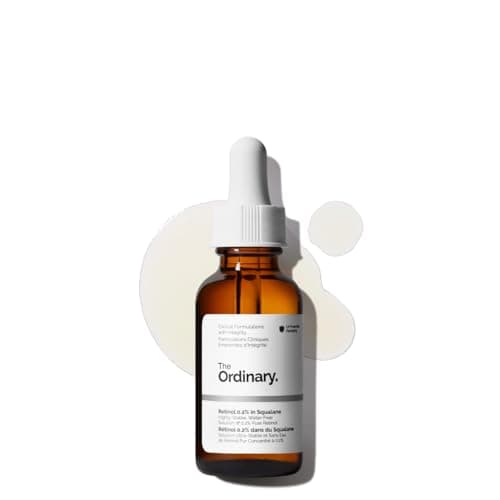
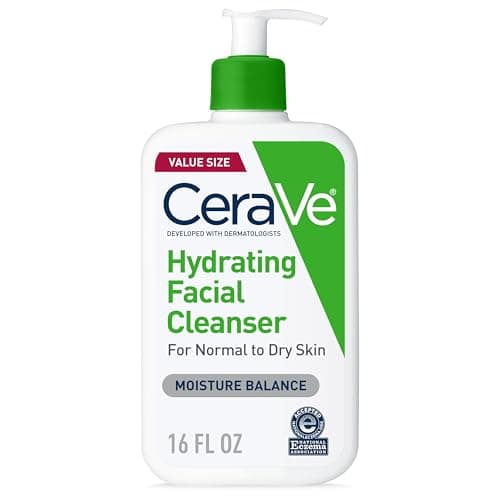
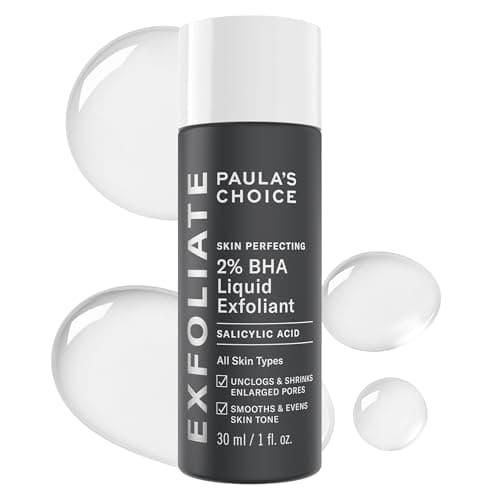
Skin cycling is a four-night rotation. Night one: a chemical exfoliant. Night two: a retinoid. Nights three and four: nothing but cleanser and moisturizer. Then start again. The whole point is the two rest nights — the actives are the part everyone already owns, and the recovery is the part almost nobody schedules. If your skin is perpetually slightly irritated and you cannot work out which product is doing it, this fixes the problem by removing the overlap rather than by adding anything.
It is worth being clear that there is nothing proprietary here. Dermatologists have been telling people to alternate their actives for decades; skin cycling is a memorable name for the schedule, and the name is the innovation. That is not a criticism. A protocol people can remember is more useful than a better protocol people abandon.
The schedule, in full
| Night | What you do | Why |
|---|
| 1 — Exfoliation | Cleanse, chemical exfoliant, moisturizer | Clears the surface so the retinoid the following night meets skin rather than build-up. One acid, one application, no scrubbing. |
| 2 — Retinoid | Cleanse, moisturizer where you are sensitive, retinoid, moisturizer | The night that does the long-term work. Buffering with moisturizer first is legitimate and makes the difference between keeping a retinoid and quitting it. |
| 3 — Recovery | Cleanse, moisturizer. Nothing else. | Barrier lipids and the stratum corneum repair on their own, and they need nights where nothing is interfering. |
| 4 — Recovery | Cleanse, moisturizer. Nothing else. | Two nights, not one. This is the part people shorten first and it is the part that makes the cycle work. |
Mornings do not change and are not part of the cycle: cleanse if you want to, moisturize, and wear sunscreen every day without exception. Exfoliating acids and retinoids both increase sun sensitivity, so the schedule only makes sense with the sunscreen attached to it.
Who this helps, and who should skip it
It helps if: you own both an acid and a retinoid and you have been using them more or less constantly; your skin is tight, shiny or stinging and you cannot isolate the cause; you have tried a retinoid before and given up because of the peeling; or you simply want a rule to follow instead of a nightly decision.
Skip it if: your skin is already comfortable on a routine that works — there is no prize for reorganising something that is fine. Skip it if you are a beginner who owns neither active, in which case start with the three-product routineand add one thing in a month. And skip it if you are treating active acne with a prescription regimen, where the schedule is your clinician's to set, not ours.
One important substitution: if you have acne and your retinoid is adapalene, the current clinical advice is daily use rather than rotation, because the benefit is cumulative. Cycling a retinoid is a tolerability strategy for the general population, not an acne protocol. Our adapalene review covers the difference.
What the schedule actually needs
Three products, and you may already own all of them. An exfoliant, a retinoid at a strength your skin tolerates, and a moisturizer good enough to carry two nights on its own. It is worth saying what you do not need: no cycling-branded kit, no four-step set, and no additional serum per night. The schedule is free; only the three products cost anything, and the versions below are the cheapest ones we would stand behind.
The four mistakes that break a cycle
- Shortening the recovery. One rest night instead of two is the most common edit and it removes the only novel part of the protocol. If your skin is doing well after a month, the thing to extend is the active nights, not shrink the rest.
- Stacking on exfoliation night. One acid. Not an acid plus a scrub, not two acids, not an acid plus a cleansing brush. Our exfoliant roundup is blunt about this.
- Treating the recovery nights as optional product nights. A hydrating serum is fine. A vitamin C serum, a peptide serum and a second treatment are not a recovery night — they are a third active night with better branding.
- Dropping the sunscreen. Both active nights raise UV sensitivity. Cycling without daily sunscreen is strictly worse than not cycling at all.
How to adapt it
The four-night version is the starting point, not the only version. Sensitive or reactive skin does better on a five- or six-night cycle — one acid night, one retinoid night, three or four recovery nights — and there is nothing wrong with that; it is still far more retinoid than the person who quit after a week of peeling is getting. Robust skin that has been on a retinoid for years can go the other way: retinoid on more nights, acid once a week, recovery when the skin asks for it.
The honest test is not the calendar, it is your face in the mirror in week three. If your skin is calm, the cycle is right. If it is tight, stinging or flaking, add a recovery night before you change anything else — and if it has gone properly reactive, stop both actives and read our damaged barrier guide instead of adjusting the schedule.
What cycling will not do
It will not make a retinoid work faster — results from a retinoid are measured in months regardless of schedule, as our timelines guide sets out. It will not clear acne on its own; for that, read the acne roundup and expect to use something daily rather than every fourth night. And it will not fade pigment, which needs a dedicated active plus sunscreen for months — the dark spots roundup covers that.
What it does do, reliably, is let people keep using actives they had previously given up on. That is a small claim and a real one, and it is more than most things with a name get to say.