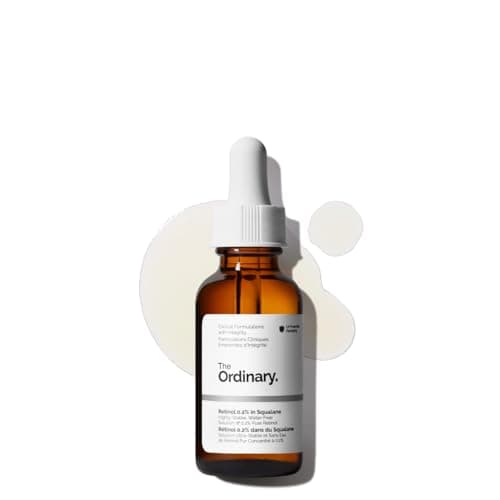
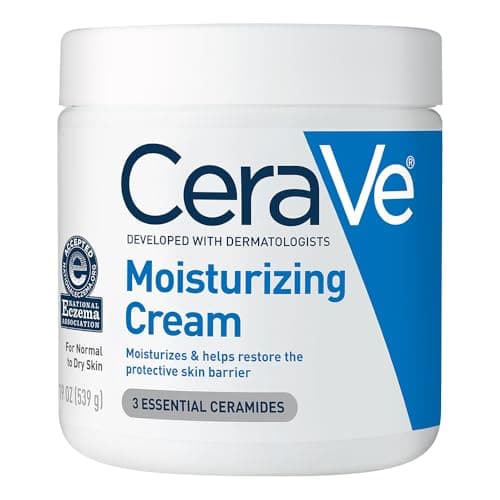
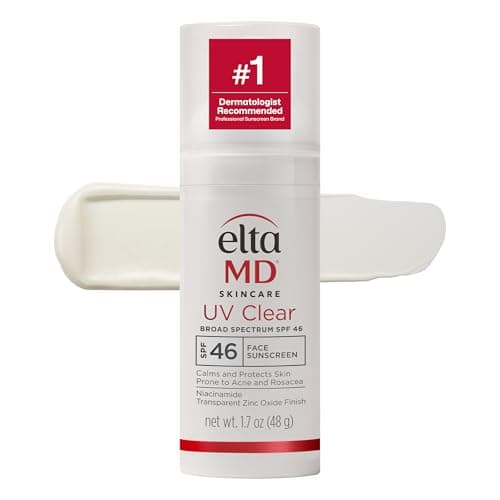
For most steps, do not wait at all. Apply the next product as soon as the last one has stopped moving on the skin — a few seconds. Three cases are genuinely different: give sunscreen 15 minutes before sun exposure, give an anhydrous retinoid a couple of minutes if you are layering it over a water-based serum, and if you are using a low-pH acid followed by a pH-sensitive active, leave about 20 minutes between them. Everything else is internet folklore.
The folklore comes from a reasonable-sounding premise: that a product needs to "absorb" before the next one goes on, or the second will block the first. In practice, skincare does not absorb on a timer the way that implies. Humectants bind water on contact, surfactant-free emulsions sink in within seconds to a minute, and the layer you apply on top does not evict the one underneath. The useful question is not "has it absorbed" but "will the next product dilute, destabilise or be blocked by this one" — and the answer is almost always no.
The three cases where waiting matters
1. Sunscreen: 15 minutes before exposure
This is the one with a real basis and the one most people get wrong. Chemical filters need time to form an even film across the skin surface, which is why US sunscreen labels instruct application 15 minutes before sun exposure. That is 15 minutes before you go outside — not 15 minutes of standing in the bathroom before you can get dressed. Apply it as the last step of your morning routine and get on with your day; the clock runs while you make coffee. Mineral filters work on contact, but the 15-minute habit is simpler to keep than a per-product rule. Our application guide covers the amount, which matters considerably more than the timing.
2. An anhydrous retinoid over a water-based serum: a minute or two
If your retinol is suspended in an oil or squalane base and you are applying it over a watery serum, give the serum a moment to stop being wet. Oil over water on a visibly damp face mostly slides around, which means uneven coverage of the active you care most about. This is a practical point about application, not a chemical one. A minute is plenty.
3. A low-pH acid before a pH-sensitive active: about 20 minutes
Exfoliating acids work at a low pH and L-ascorbic acid vitamin C needs a low pH of its own. Applying one directly after the other means neither sits in its intended range for the first few minutes. Twenty minutes lets skin surface pH drift back towards baseline. The much simpler solution, which is what we would actually recommend, is to stop putting them in the same routine: acid at night, vitamin C in the morning. Our acid guide and vitamin C roundup both land on the same split.
Everything else: no waiting
| Between | Wait | Why |
|---|
| Cleanser and the next step | None — and apply to slightly damp skin | Humectants have more water to bind. Waiting for a face to dry completely is actively counterproductive. |
| Toner or essence and serum | None | Both are water-based. There is nothing to interfere with. |
| Two water-based serums | None | Thinner first, thicker second, as in our routine order guide. |
| Serum and moisturizer | None | The moisturizer does not block the serum; it slows water loss from everything beneath it, which helps. |
| Moisturizer and sunscreen | None, then 15 minutes before going out | The clock is about sun exposure, not about the moisturizer. |
| Niacinamide and vitamin C | None | The old incompatibility story does not hold at normal use conditions — the full explanation is here. |
| Sunscreen and makeup | A minute or two, in practice | Not chemistry — foundation applied into wet sunscreen simply moves it around and leaves gaps. |
What to look for instead
If you are worried about a step not working, the three variables worth your attention are not timing. They are amount (almost everyone under-applies sunscreen and over-applies serum), order (thinnest to thickest, sunscreen last), and consistency (a routine done four nights a week beats a perfect one done for nine days). The three products below are the ones where the small amount of real timing advice on this page applies — picked because they are the formats people most often ask about.
Why the "let it absorb" advice spread
Three reasons, none of them chemistry. The 10-step routine format made each step feel like a discrete treatment that deserved its own moment. Product pages borrowed the sunscreen label's 15-minute instruction and applied it to everything. And waiting feels like diligence, in a category where diligence is the thing people are trying to buy.
The cost of the folklore is real, though: a routine with four mandatory waiting periods takes twenty minutes, and a twenty-minute routine gets abandoned. Our honest read on what skincare delivers comes back to the same place — the best routine is the one you will still be doing in March.
The only timing rules worth remembering
- Apply to slightly damp skin, not dry. More water for humectants to bind. This is the opposite of waiting.
- Thinnest to thickest. If you get the order right, the timing question mostly disappears. The full sequence is in our routine order guide.
- Sunscreen last, 15 minutes before you go out. One rule, the only one with a label behind it.
- Separate the acids from the pH-sensitive actives by routine, not by stopwatch. Acid at night, vitamin C in the morning, and nothing to time at all.
- Do not stack actives to save time. If your routine has become a queue of treatments, the fix is fewer actives on more nights — which is what skin cycling formalises.
If something is pilling, that is not a timing problem
Pilling — little rolls of product on the skin — is usually too much product, a silicone suspension under a sunscreen, or an oil layered under a water-based one. Waiting longer sometimes helps slightly; using less helps far more, and changing the order helps most. The silicone-suspension case comes up most often with azelaic acid, which our azelaic roundup addresses directly.