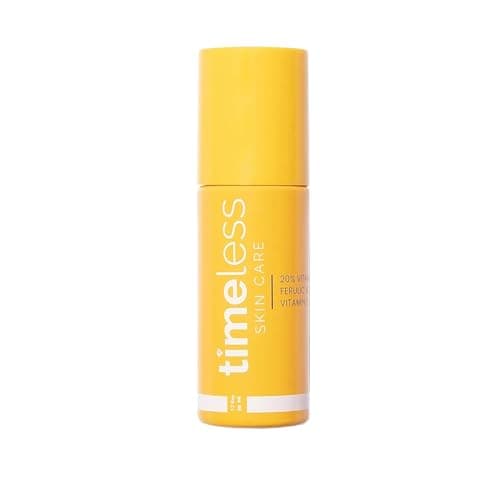
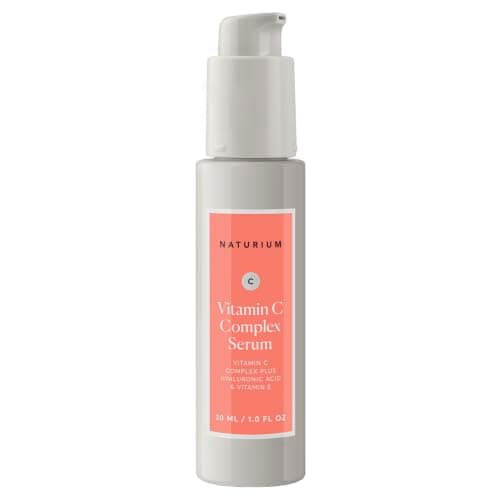
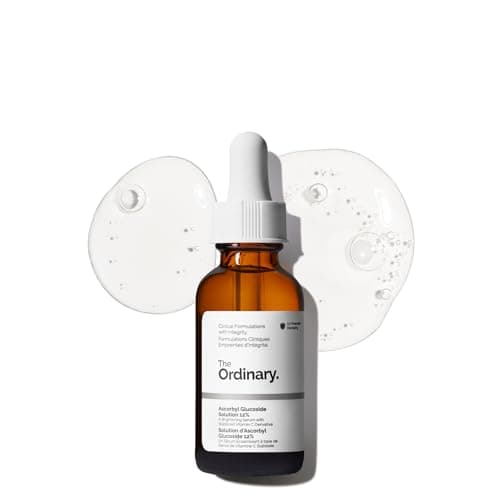
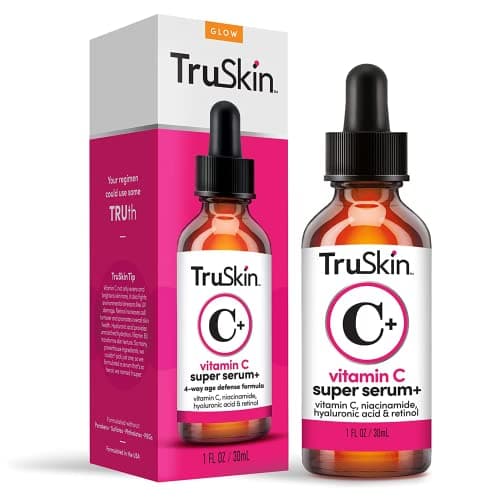
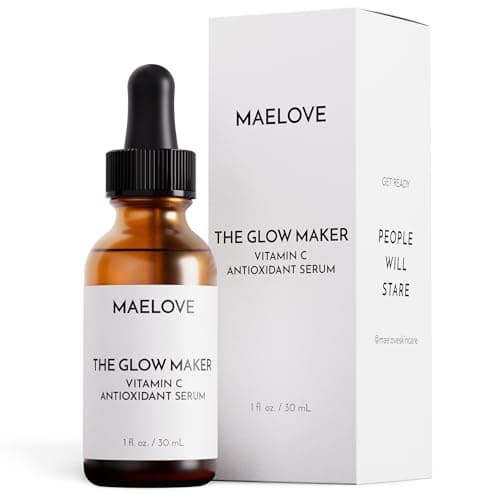
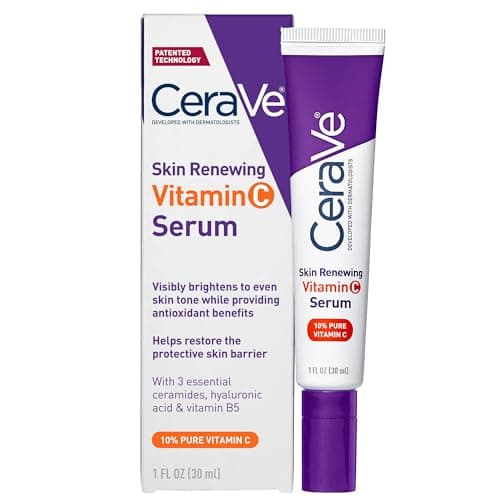
Vitamin C is one of the few actives where the form matters more than the percentage on the front of the box. Pure L-ascorbic acid is the most-studied version and the one behind most of the brightening and antioxidant claims — but it only penetrates skin appreciably at a low pH, and it oxidizes readily, which is why your serum turns orange and then brown. The gentler derivatives are more stable and far less likely to sting, at the cost of needing conversion in the skin. Neither family is a scam; they suit different faces.
What vitamin C actually does is well documented: it is a potent antioxidant that neutralizes oxidants from UV and pollution, it acts as a cofactor for the enzymes that build collagen, and its derivatives interfere with melanin synthesis, which is the honest mechanism behind "brightening." What it does not do is erase dark spots in a week or replace sunscreen. Below, six serums ranked with the form named on every one, so you can pick on chemistry rather than on packaging.
The two families, and how to choose between them
L-ascorbic acidis vitamin C itself. It has the deepest research base for antioxidant protection, collagen support and pigment control — but the published work is clear that penetration is meaningfully improved only when the formula sits below about pH 4, and a low-pH, high-percentage serum is exactly what stings. Typical effective products land between 10% and 20%. More is not automatically better: above roughly 20% the returns flatten while the irritation does not.
The form question deserves more room than a roundup can give it, so it has its own page: L-ascorbic acid vs the derivatives goes through ascorbyl glucoside, sodium ascorbyl phosphate, ethyl ascorbic acid and THD ascorbate one at a time, with the percentages-are-not-comparable trap explained.
Derivatives — ascorbyl glucoside, sodium ascorbyl phosphate, magnesium ascorbyl phosphate, ethylated forms — are stabilized versions that the skin converts to ascorbic acid. They tolerate a neutral pH, so they do not sting, and they survive in the bottle far longer. The honest trade-off is that the conversion is partial and the clinical evidence is thinner. Our rule of thumb: if your skin is robust and your goal is pigmentation, use L-ascorbic acid. If your skin is reactive, or if you have abandoned two previous vitamin C serums because they burned, use a derivative and stay consistent.
How to tell yours has gone off
Watch the color. A fresh L-ascorbic serum is clear to pale straw. As it oxidizes it turns yellow, then orange, then brown — and a brown serum is not just weaker, it can transfer a faint tint onto skin. Heat and light accelerate this, which is why opaque or amber packaging is a real feature rather than styling, and why a skincare fridge is the one gadget with a genuine, unglamorous use case: vitamin C is exactly what belongs in it.
What to pair it with, and what to leave alone
- Sunscreen — always. The antioxidant argument for vitamin C is that it mops up what UV starts. It complements a daily SPF; it does not replace it.
- Niacinamide is fine. The old warning about the two canceling out comes from a study run at high heat on raw ingredients, not on finished formulas at room temperature. Our niacinamide guide covers this in full.
- Retinoids: separate them by time of day. Not because they neutralize each other, but because stacking two irritants in one sitting is how people wreck a barrier. Vitamin C in the morning, retinoid at night.
How we picked
We did not lab-test this gear
Everyone in this category says they tested twenty products. We have not lab-tested any of these, and we say so. What we did instead: compiled the published specifications, decoded the ingredient (INCI) lists active by active, ran the math where there was math to run, and scored each product against a published rubric. The scores are judgments from documented research — not measurements we took, because we do not have a lab and we will not pretend we do. Where a number came from someone else's work, we name them in Sources.