Education
Ingredients, decoded
What each active actually does, the concentration ranges that matter, what to pair it with, and what to keep it away from — with the products that use it well.
If you understand five ingredients, you understand most of skincare. This hub is the backbone of everything else on the site: every roundup pick links back here so you can check what an active is before you trust our verdict on the product that contains it. The approach is deliberately un-mystical. An active does a specific, documented thing at a specific concentration range — retinol accelerates cell turnover and stimulates collagen; vitamin C is an antioxidant that also brightens; niacinamide supports the barrier and calms redness; hyaluronic acid holds water in the outer layers; salicylic acid dissolves the gunk inside a pore. Knowing the range matters because more is not better: a 0.3% retinol used four nights a week will out-perform a 1% retinol used twice and then abandoned because it burned. Knowing what to pair matters because some combinations fight (classic over-caution around vitamin C and niacinamide is mostly a myth; genuine irritation from stacking retinol on exfoliating acids is not). We cite the documented function and typical ranges rather than inventing percentages, we say plainly when the evidence is thinner than the marketing, and we never claim a lab test we did not run. Read the guide for whatever active you are considering, then follow the link to the products that use it at a sensible strength.
We earn a commission when you buy through our Amazon links, at no extra cost to you. It never changes a verdict, and we say so when the cheaper product is the better buy. How this works.
Everything in this hub
All ingredients
Buyer's guide
Retinol, explained
How retinoids speed cell turnover and support collagen, the OTC strengths that matter, and how to start slowly without the flaking horror stories.
Read the guide →
Buyer's guide
Vitamin C, explained
The antioxidant that brightens and evens tone: L-ascorbic acid vs derivatives, the 10-20% range, why it browns, and how to store it.
Read the guide →
Buyer's guide
Niacinamide, explained
Vitamin B3 that supports the barrier, calms redness, regulates oil and evens tone — the 2-10% range, the 5% sweet spot, and why it pairs with almost anything.
Read the guide →
Buyer's guide
Hyaluronic acid, explained
A humectant that holds water in the outer skin — it hydrates but doesn't moisturize on its own. Apply to damp skin, always seal it, and why dry air changes the rules.
Read the guide →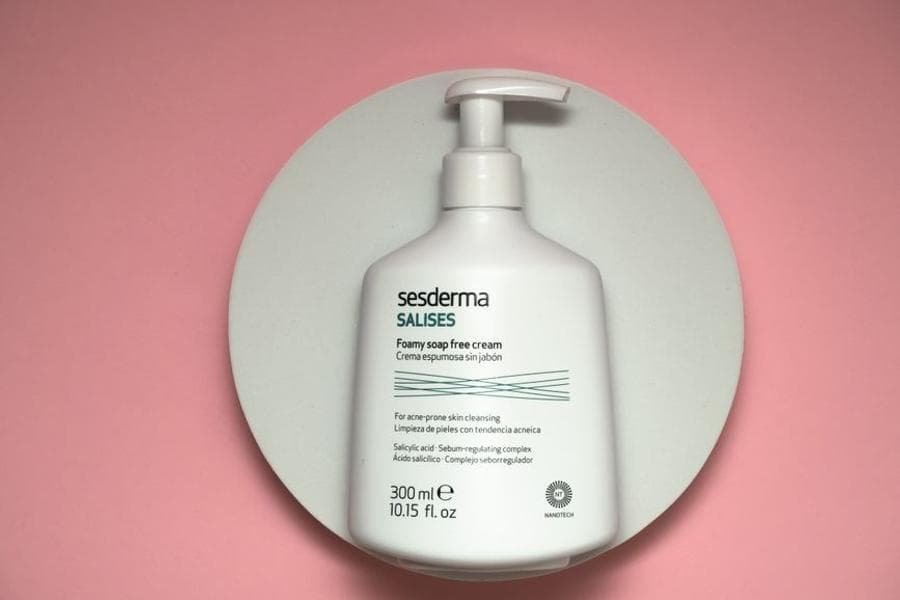
Buyer's guide
Salicylic acid, explained
Why salicylic acid gets inside a clogged pore when other exfoliants cannot, the 0.5-2% strengths that matter, and the FDA's sun-protection advice.
Read the guide →
Buyer's guide
Glycolic acid, explained
The smallest AHA molecule and why that matters, the strengths worth using, and the specific sunburn warning the FDA recommends on every AHA label.
Read the guide →
Buyer's guide
Azelaic acid, explained
How azelaic acid treats rosacea, acne and post-inflammatory marks at once, the 10-20% strengths, and why it is unusually well tolerated.
Read the guide →
Buyer's guide
Ceramides, explained
Ceramides make up around half the skin barrier's lipids by mass. What they do, why levels drop, and how to spot a serious formula from a token sprinkle.
Read the guide →
Buyer's guide
How to check a skincare ingredient list yourself
The concentration-order rule, how to find the 1% line, the ingredient names worth looking for, and the red flags — a manual ingredient checker you can run in half a minute.
Read the guide →
Buyer's guide
Microbiome skincare, separated from microbiome marketing
What the skin microbiome actually is, the difference between pre-, pro- and postbiotics in a bottle, and an honest split between established science and marketing.
Read the guide →
Buyer's guide
Benzoyl peroxide, explained
How benzoyl peroxide kills acne bacteria, why 2.5% works as well as 10% with less irritation, the bleaching problem nobody warns you about, and how to start.
Read the guide →
Buyer's guide
Squalane, explained
Squalane versus squalene, why a lipid your skin already makes suits every skin type, the olive-versus-sugarcane question, and where it fits in a routine.
Read the guide →
Buyer's guide
Peptides, explained
The four peptide families, what the evidence supports for each, why 'collagen peptides' is misleading, and when a peptide beats a retinoid.
Read the guide →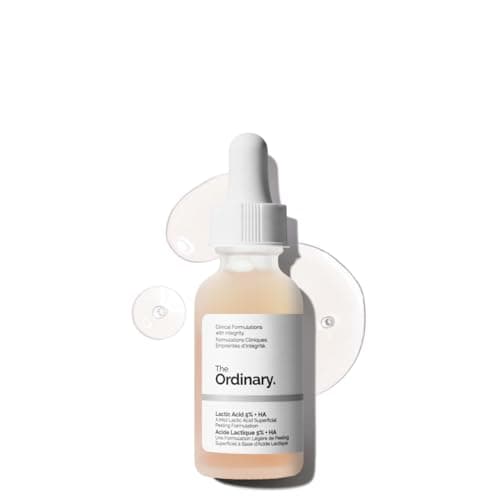
Buyer's guide
Lactic acid, explained
The AHA to start with: what lactic acid does, why its larger molecule makes it gentler than glycolic, and the two strengths worth owning.
2 picks compared
See all picks →Top pick: The Ordinary Lactic Acid 5% + Hyaluronic Acid 2%
Buyer's guide
Mandelic acid, explained
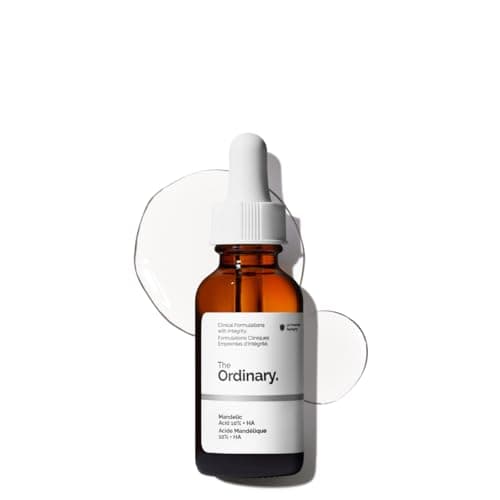
The gentlest mainstream AHA: how molecule size makes mandelic slower and kinder, and why it suits reactive skin and skin prone to post-inflammatory marks.
2 picks compared
See all picks →Top pick: The Ordinary Mandelic Acid 10% + HA
Buyer's guide
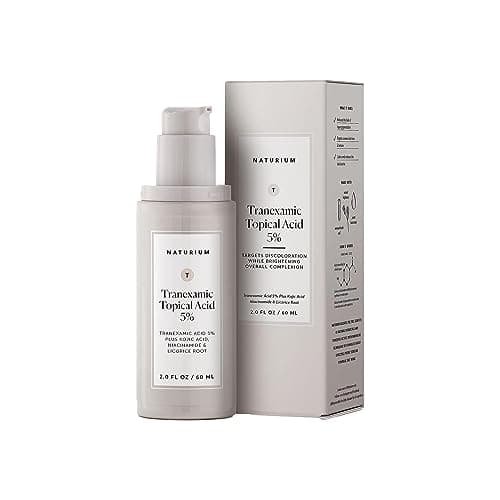
Tranexamic acid, explained
The pigmentation ingredient with an unusual mechanism: how tranexamic acid interrupts the signal that starts pigment production, and what it can honestly do for melasma.
3 picks compared
See all picks →Top pick: Naturium Tranexamic Topical Acid 5%
Buyer's guide
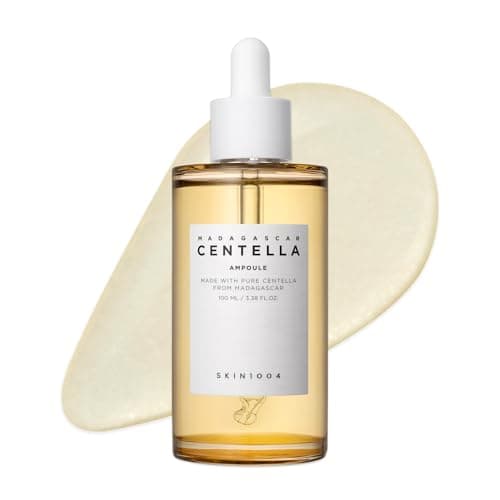
Centella asiatica (cica), explained
What centella asiatica actually does for irritated skin, which of its four active compounds matter, and where the cica marketing runs ahead of the research.
3 picks compared
See all picks →Top pick: SKIN1004 Madagascar Centella Ampoule
Buyer's guide
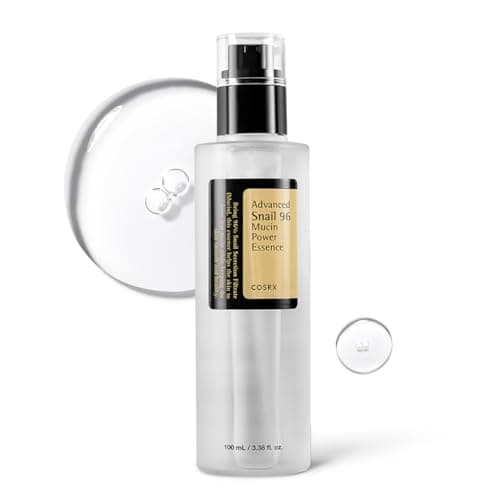
Snail mucin, explained
What snail secretion filtrate contains, why it works as a humectant, how it is harvested, and the honest limit of the repair and scar-fading claims.
3 picks compared
See all picks →Top pick: COSRX Advanced Snail 96 Mucin Power Essence
Buyer's guide
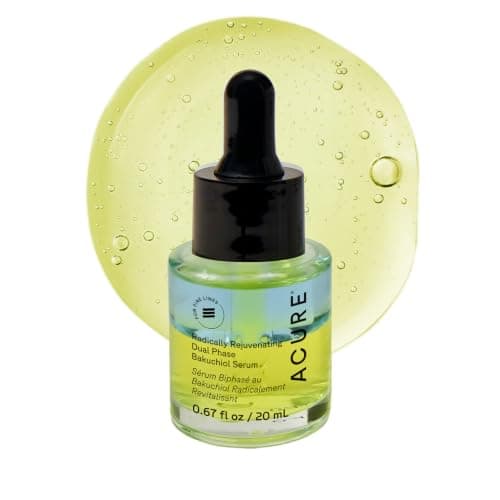
Bakuchiol, explained
The plant-derived 'retinol alternative': what the evidence actually shows, how it compares to a real retinoid, and the specific situations where it is the right choice.
2 picks compared
See all picks →Top pick: Acure Radically Rejuvenating Dual Phase Bakuchiol Serum
Buyer's guide
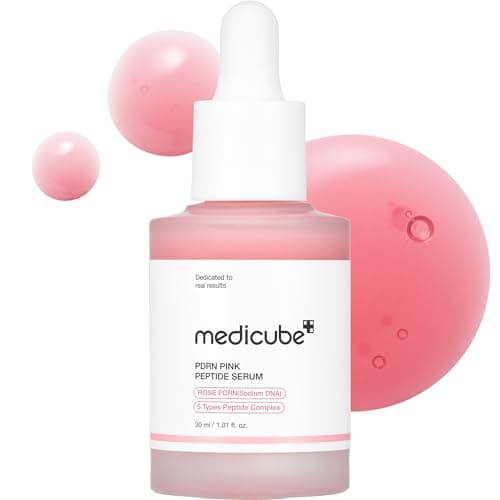
PDRN in skincare: real pharmacology, mostly in a syringe
What PDRN actually is, why the trials are injections rather than serums, what salmon DNA and vegan PDRN mean on a label, and the four purchasable products worth considering.
4 picks compared
See all picks →Top pick: medicube PDRN Pink Peptide Serum with Rose PDRN