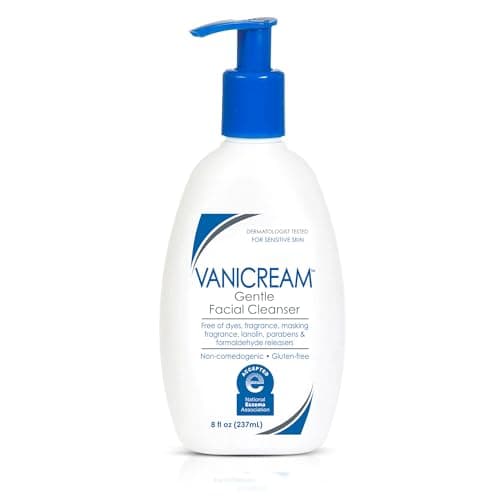
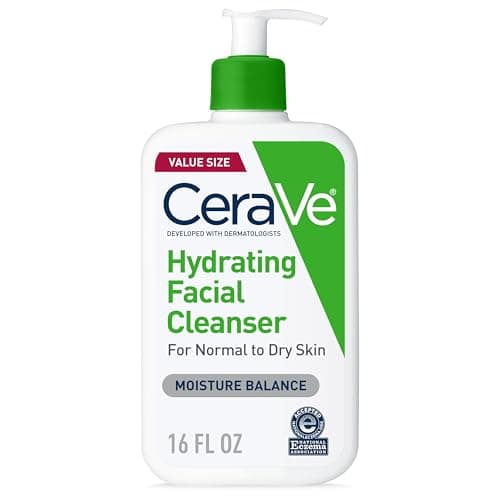
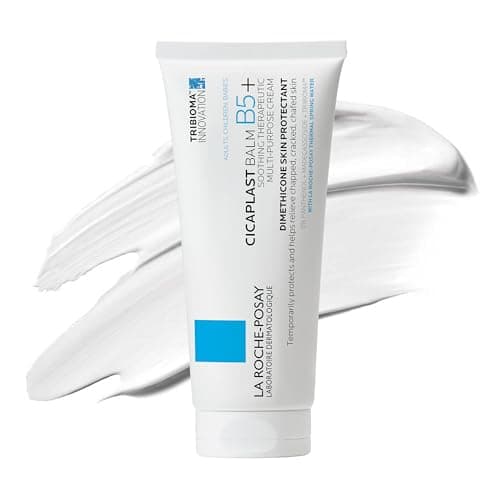
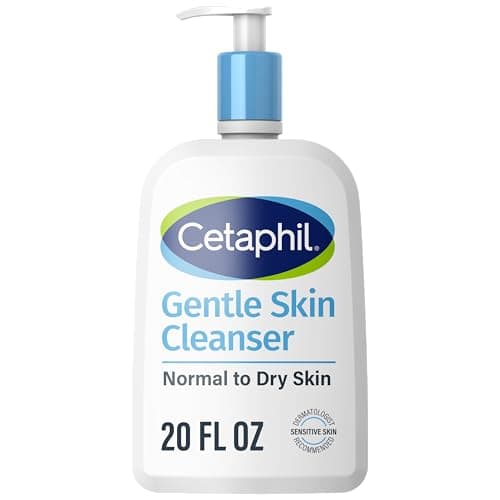
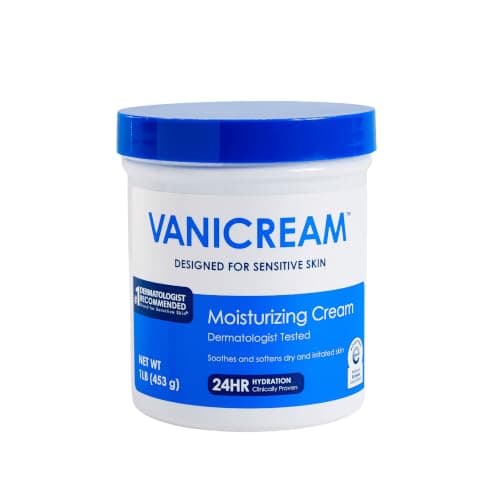
Sensitive skin is not a marketing category — it is skin with a compromised barrier that overreacts to things other skin ignores. The fix is not a special active; it is subtraction. The best products for reactive skin are the ones that leave out the usual triggers: added fragrance, essential oils, drying alcohols, dyes and harsh surfactants. We picked these by reading the full ingredient (INCI) list and favoring the shortest, cleanest ones.
"Fragrance-free" is the single most important word on the label — fragrance, including natural essential oils, is one of the most common causes of skin reactions. "Unscented" is not the same thing (it can contain masking fragrance), so we checked. Beyond that, we looked for barrier-supporting ingredients like ceramides, glycerin, panthenol and colloidal oat, and a track record with dermatologists and the eczema community. If your reactivity is specifically redness and flushing, our rosacea shelf narrows it further; the calming hero across both is niacinamide.
What "sensitive skin" really means — and what to remove
Most sensitive skin is barrier-impaired skin: the protective outer layer is weakened, so irritants get in and moisture gets out, and things sting, flush or flake. The solution is to stop the irritation and rebuild the barrier — which means choosing products by what they leave out as much as what they put in. The biggest offenders to avoid are added fragrance and essential oils, drying alcohols (denatured alcohol high on the list), harsh sulfate cleansers, and dyes. A short ingredient list is your friend.
One label trap: "unscented" is not "fragrance-free." Unscented products can contain a masking fragrance to hide raw-ingredient smells — which is still fragrance your skin can react to. Look specifically for "fragrance-free," and scan the list for "parfum," "fragrance," or named essential oils.
Build the barrier back with the right actives
Sensitive skin does not mean no actives — it means gentle, barrier-supporting ones.
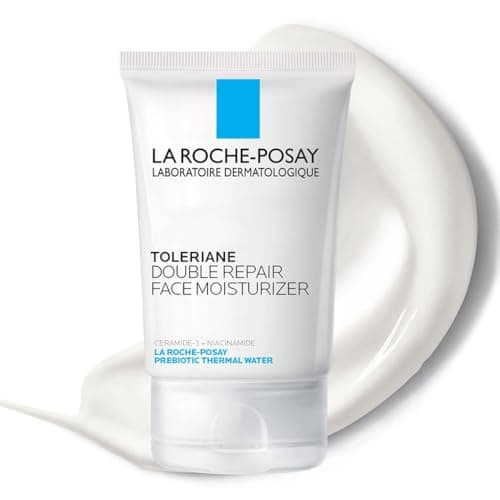
- Ceramides replace the lipids a weak barrier is missing (CeraVe, La Roche-Posay Toleriane).
- Niacinamide calms redness and strengthens the barrier — one of the most useful gentle actives there is.
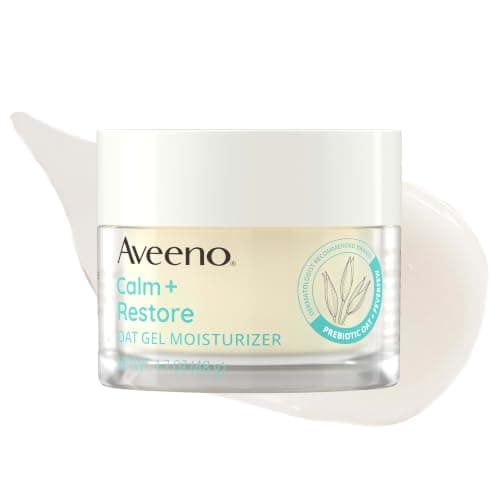
- Colloidal oat and panthenol soothe active irritation (Aveeno, Cicaplast).
- Glycerin and hyaluronic acid hold water without irritation.
How to introduce anything new
The golden rule for reactive skin is patch test and go slow. Try one new product at a time on a small area (inner forearm or beside the jaw) for a few days before putting it all over your face. Introduce actives one at a time, weeks apart, so you can identify a trigger if something reacts. And when your skin is mid-flare, strip your routine back to the basics — a gentle cleanser, a plain moisturizer, and sunscreen — until it settles. Our beginner routine is a good, low-risk template, and if redness is your specific issue, the rosacea shelf goes deeper.
Everything on this page assumes you will test before you commit, and almost nobody does it properly — a single overnight application misses the reaction that matters, because allergic contact dermatitis usually needs repeated exposure. How to patch test skincare sets out the five-to-seven-day version and how to read the result.
How we picked
We did not lab-test this gear
Everyone in this category says they tested twenty products. We have not lab-tested any of these, and we say so. What we did instead: compiled the published specifications, decoded the ingredient (INCI) lists active by active, ran the math where there was math to run, and scored each product against a published rubric. The scores are judgments from documented research — not measurements we took, because we do not have a lab and we will not pretend we do. Where a number came from someone else's work, we name them in Sources.