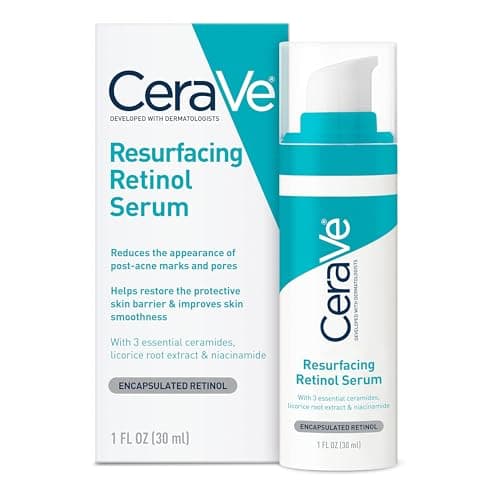
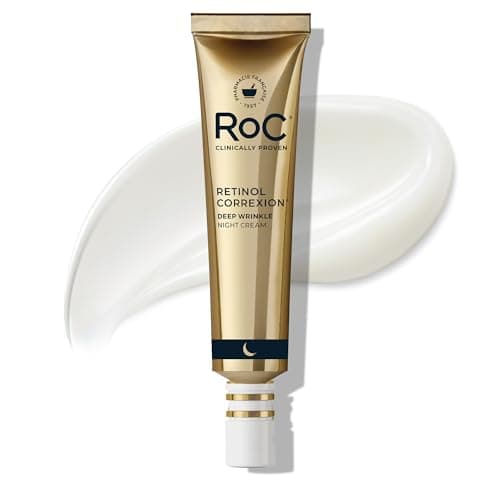
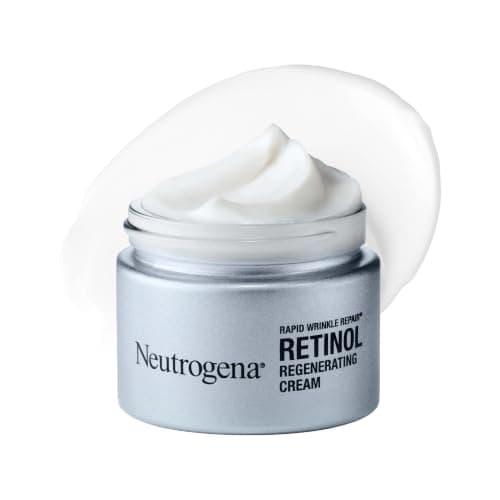
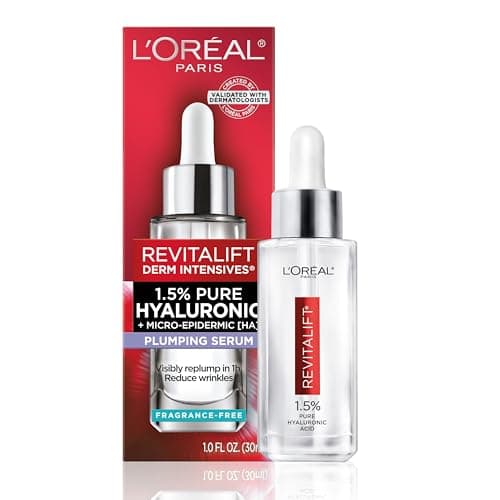
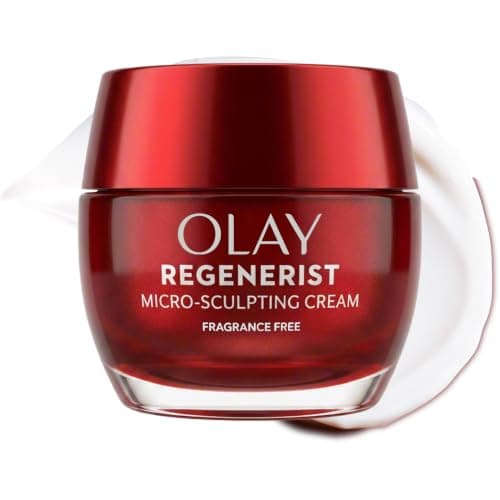
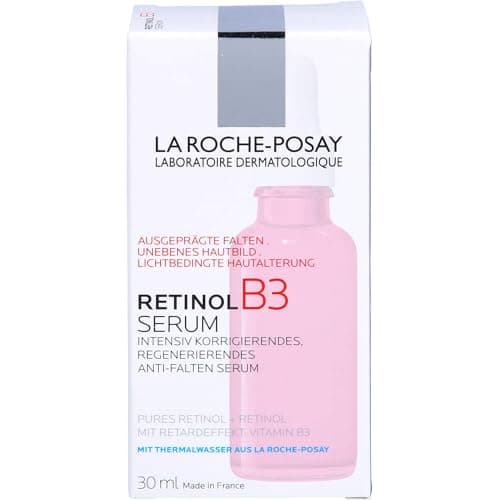
Almost everything sold as "anti-aging" is hope in a jar. Two things are different, because they have decades of published evidence behind them: retinoids (retinol and its prescription cousins) and daily sunscreen. Retinoids are the most proven topical for softening fine lines and smoothing texture; sunscreen is what stops most visible aging from happening in the first place. Everything else on this page is a supporting act.
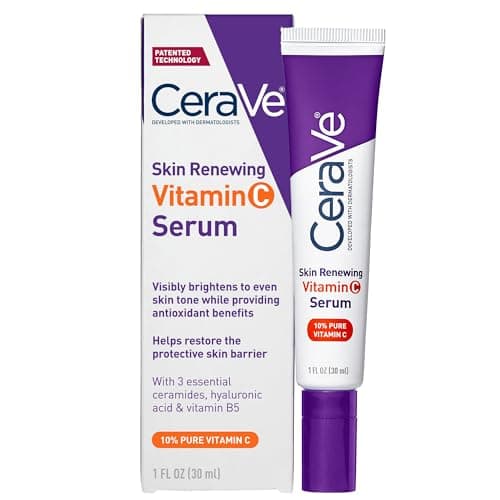
So this roundup leads with retinols, then adds the antioxidants and hydrators that make a mature-skin routine feel complete — a vitamin C to brighten and defend against daytime damage, a hyaluronic acid to plump, and an all-in-one cream for people who want fewer steps. We ranked on the strength and quality of the formula, how gentle it is (the best anti-aging product is the one you can tolerate nightly), and value. If your skin is reactive, consider our sensitive-skin shelf alongside this one.
The only two ingredients with strong evidence
If you take one thing from this page: a retinoid and daily sunscreenare the two anti-aging interventions with real, repeated clinical support. Retinoids (prescription tretinoin, and over-the-counter retinol) increase cell turnover and stimulate collagen, which softens fine lines and evens texture over months. Sunscreen prevents the UV damage that causes the majority of visible skin aging — wrinkles, sunspots, loss of firmness. Peptides, growth factors, "collagen" creams and the rest range from mildly helpful to purely cosmetic. They are not scams, but they are not the main event.
That is why this list is retinol-first. Antioxidants like vitamin C earn their place as a daytime partner — they blunt free-radical damage and brighten — and hyaluronic acid earns its place by making skin look plumper and lines shallower right now. Neither replaces a retinoid.
How to start retinol without regret
Most people quit retinol because they start too strong, too fast, and their skin flakes and stings. Do it the patient way instead:
- Start low and slow: a gentle, encapsulated retinol two nights a week for the first two weeks.
- Buffer it:apply moisturizer first or after (the "sandwich" method) to cut irritation while your skin adjusts.
- Build up gradually to every other night, then nightly, over a couple of months.
- Wear sunscreen every morning. Retinol makes skin more sun-sensitive, and using it without daytime SPF undoes the point.
Managing expectations and budget
Retinol works on a timescale of months, not days — figure eight to twelve weeks for visible smoothing, and keep going. You do not need to spend a lot: the gentle CeraVe retinol and a cheap sunscreen will out-perform an expensive "anti-aging" cream with no active worth naming. Spend where it counts — a retinol you tolerate and an SPF you will actually wear — and skip the rest. For the products that come before all of this, see our best skincare products shelf.
Nothing on this page is gendered — the actives are identical regardless of who applies them. What does differ is the starting point: a shaved face reacts to a retinoid faster than the bottle assumes, and most men arrive here having never worn sunscreen. If that is you, our skincare for men over 40 page sets the same evidence out in that order.
How we picked
We did not lab-test this gear
Everyone in this category says they tested twenty products. We have not lab-tested any of these, and we say so. What we did instead: compiled the published specifications, decoded the ingredient (INCI) lists active by active, ran the math where there was math to run, and scored each product against a published rubric. The scores are judgments from documented research — not measurements we took, because we do not have a lab and we will not pretend we do. Where a number came from someone else's work, we name them in Sources.