Skip to content
Barrier & Bloom

Routines · Skincare Routines

An anti-aging skincare routine, ranked by what the evidence supports

Sunscreen, then a retinoid, then everything else — in that order and by a wide margin. The AM and PM sequence, the timelines, and where the expensive tier stops adding anything.

By Stephen V.Updated How we review
#ad

We earn a commission when you buy through our Amazon links, at no extra cost to you. It never changes a verdict, and we say so when the cheaper product is the better buy. How this works.

The anti-aging routine is: sunscreen every morning, a retinoid most nights, a moisturizer that suits your skin, and — optionally — a vitamin C serum in the morning. That is the list, and the order is not arbitrary. Sunscreen and retinoids have decades of evidence behind them. Everything else in the category is supporting cast, and a great deal of it is packaging.

Roughly the majority of visible facial aging is attributed to sun exposure rather than the passage of time — the reason a forearm and a face of the same age look so different. That single fact should reorganize how you spend. If your routine has a $120 serum and no daily sunscreen, you have the hierarchy upside down, and no amount of peptide will fix it.

The morning routine

  1. Gentle cleanser, or a rinse if your skin is dry. Aging skin produces less oil, so morning cleansing gets less necessary over time.
  2. Vitamin C serum (optional). An antioxidant that catches what gets past your sunscreen and gradually evens tone. Genuinely useful, genuinely secondary.
  3. Moisturizer. Richer than you used at twenty-five, because oil production declines steadily from your twenties onward.
  4. Sunscreen. Every day, including winter, including indoors near windows. Two finger-lengths — see how much sunscreen to apply, because most people use a quarter of what the label assumes.

The evening routine

  1. Cleanse properly. This is the wash that matters — it removes a day of sunscreen.
  2. Retinoid, on dry skin, a pea-sized amount for the whole face. Two nights a week for the first month, three for the second, then nightly if your skin is comfortable. Rushing this is the single most common reason people quit.
  3. Moisturizerover the top, generously. If the retinoid is drying, apply moisturizer first and the retinoid on top — the "sandwich" method costs a little potency and saves the whole project.

The evidence hierarchy

  • 1. Sunscreen. A randomized controlled trial over more than four years found daily sunscreen use significantly reduced skin aging compared with discretionary use. Nothing else in cosmetic skincare has evidence of that quality.
  • 2. Retinoids. Decades of published work on collagen synthesis, fine lines and photoaging. Tretinoin is the strongest and needs a prescription; over-the-counter retinol is a slower version of the same mechanism and works.
  • 3. Antioxidants. Vitamin C has a reasonable evidence base as a supporting daytime ingredient. Real, modest, secondary to the two above.
  • 4. Everything else. Peptides, growth factors, exosomes, stem-cell extracts. Some have interesting laboratory data; none has anything approaching the evidence of the top two. Buy them if you enjoy them, not because your routine needs them.

Timelines, honestly

Retinoid: texture and tone at eight to twelve weeks; fine lines at six months; the meaningful collagen effect at a year or more. Nobody sells it on a one-year timeline, which is why so many people conclude it did not work at week six. Vitamin C: brightness at eight to twelve weeks. Sunscreen: nothing visible ever, which is exactly the point — you are buying the absence of damage rather than the presence of a result.

Where the expensive tier stops helping

At around the price of a well-formulated drugstore retinol and a sunscreen you like. Above that, you are buying texture, fragrance, packaging and the pleasure of the ritual — all legitimate reasons to spend money, and none of them results. The one place we would happily pay more is sunscreen, because a formula you enjoy wearing is one you apply generously and reapply, and that genuinely outperforms a cheaper one you ration.

For the fully ranked field across every step, our best skincare for aging skin roundup compares the options with live prices. If you are considering a device instead, our microcurrent roundup is honest about where that sits in this hierarchy — well below the first two items on this page.

The short answer

Quick picks

#ProductBest forScorePrice
01
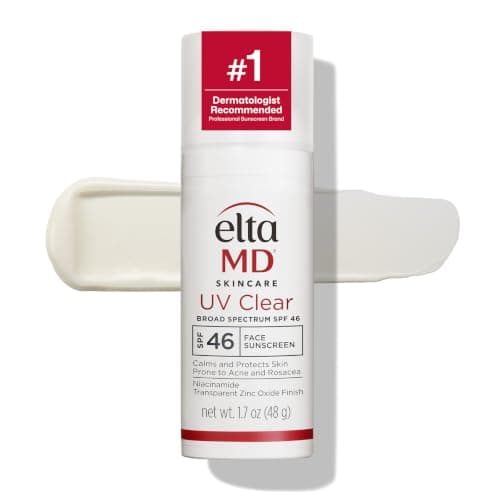
EltaMD EltaMD UV Clear SPF 46
EltaMD UV Clear SPF 46

The most important product in this routine, and the one worth paying for. A light zinc-based SPF 46 with niacinamide that reactive and blemish-prone skin tolerates — which removes the usual excuse for skipping it.

Step 1: the one that matters most
8.4
$45.00Amazon
02
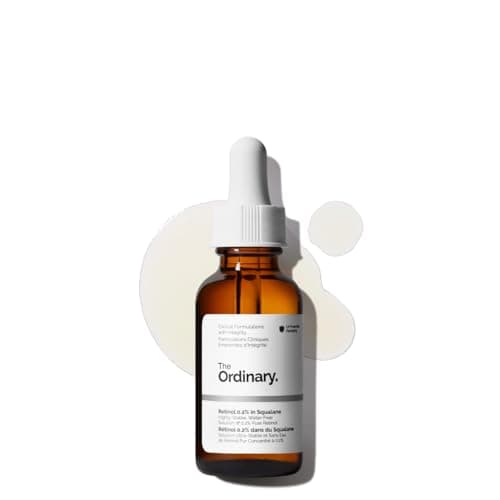
The Ordinary The Ordinary Retinol 0.2% in Squalane
The Ordinary Retinol 0.2% in Squalane

The second-most-important product, at the strength you should actually start on. Retinol buffered in squalane, which takes the edge off the adjustment period that makes most people quit.

Step 2: the night active
8.6
$8.10Amazon
03
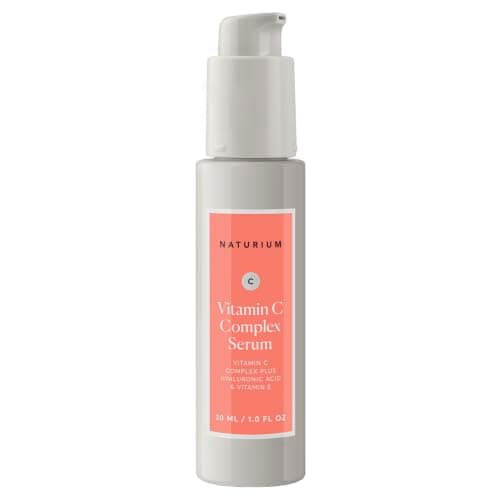
Naturium Naturium Vitamin C Complex Serum
Naturium Vitamin C Complex Serum

The optional morning antioxidant, in a forgiving multi-form version rather than a high-percentage L-ascorbic acid. Trades a little potency for far less sting — which matters when you are also running a retinoid at night.

Step 3: morning antioxidant
8.0
$14.69Amazon
04
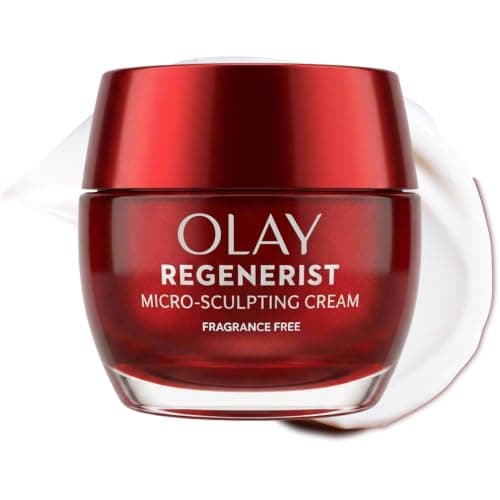
Olay Olay Regenerist Micro-Sculpting Cream
Olay Regenerist Micro-Sculpting Cream

The moisturizer step, and a rare case of a mass-market anti-aging cream that earns its shelf space — niacinamide and peptides in a genuinely rich base, at a price that does not pretend to be clinical.

Step 4: moisturize
7.4
$23.94Amazon

#ad · Live prices from the Amazon Product API, as of Aug 28, 2026. Where we have no verified live price, we show none — a gap beats a number that has rotted.

In detail

The picks, in full

01
EltaMD EltaMD UV Clear SPF 46

Step 1: the one that matters most

EltaMD UV Clear SPF 46

SPF 46Zinc oxide + octinoxateNiacinamideFragrance-free
8.4/10

The most important product in this routine, and the one worth paying for. A light zinc-based SPF 46 with niacinamide that reactive and blemish-prone skin tolerates — which removes the usual excuse for skipping it.

Protection
10
Efficacy
10
Gentleness
9
Texture
8
Value
5

Pros

  • The single highest-return purchase in anti-aging skincare
  • Light enough for oily and blemish-prone skin
  • Niacinamide in the base contributes to tone as well

Cons

  • Expensive per ounce, especially at the amount you should apply
  • Not the right choice for swimming or long outdoor days

Don't buy this if…

the price would make you ration it. A cheaper sunscreen applied generously beats an elegant one used sparingly, every time.

$45.00View on Amazon

Price as of Aug 28, 2026. Prices change — Amazon's at checkout is the one that counts.

#ad · we may earn a commission from this link to EltaMD UV Clear SPF 46

02
The Ordinary The Ordinary Retinol 0.2% in Squalane

Step 2: the night active

The Ordinary Retinol 0.2% in Squalane

0.2% retinolSqualane base1 fl ozFragrance-free
8.6/10

The second-most-important product, at the strength you should actually start on. Retinol buffered in squalane, which takes the edge off the adjustment period that makes most people quit.

Ingredients
9
Efficacy
8
Gentleness
9
Texture
7
Value
10

Pros

  • Stated percentage in opaque packaging, both of which matter for retinol
  • Squalane offsets the dryness that derails the first month
  • Cheap enough to keep using for the year this needs

Cons

  • 0.2% is mild — plan on moving to 0.5% after six months
  • Oil-based texture is not ideal for oily skin

Don't buy this if…

you are pregnant or breastfeeding. Retinoids are avoided then; see our bakuchiol and azelaic acid guides for what to use instead.

$8.10View on Amazon

Price as of Aug 28, 2026. Prices change — Amazon's at checkout is the one that counts.

#ad · we may earn a commission from this link to The Ordinary Retinol 0.2% in Squalane

03
Naturium Naturium Vitamin C Complex Serum

Step 3: morning antioxidant

Naturium Vitamin C Complex Serum

Multi-form vitamin C1 fl ozFragrance-freeMorning use
8.0/10

The optional morning antioxidant, in a forgiving multi-form version rather than a high-percentage L-ascorbic acid. Trades a little potency for far less sting — which matters when you are also running a retinoid at night.

Ingredients
8
Efficacy
7
Gentleness
9
Texture
8
Value
8

Pros

  • Tolerable alongside an evening retinoid, which the strong L-ascorbic serums often are not
  • More stable in the bottle, so less is wasted to oxidation
  • Layers under sunscreen without pilling

Cons

  • Derivative forms are less potent than pure L-ascorbic acid
  • Genuinely optional — this is the third priority, not the first

Don't buy this if…

you do not yet wear sunscreen daily. Fix that first; a vitamin C serum without SPF is a supporting act with nothing to support.

$14.69View on Amazon

$20.9930% off

Price as of Aug 28, 2026. Prices change — Amazon's at checkout is the one that counts.

#ad · we may earn a commission from this link to Naturium Vitamin C Complex Serum

04
Olay Olay Regenerist Micro-Sculpting Cream

Step 4: moisturize

Olay Regenerist Micro-Sculpting Cream

NiacinamidePeptidesRich cream1.7 oz
7.4/10

The moisturizer step, and a rare case of a mass-market anti-aging cream that earns its shelf space — niacinamide and peptides in a genuinely rich base, at a price that does not pretend to be clinical.

Ingredients
7
Efficacy
7
Gentleness
6
Texture
9
Value
8

Pros

  • Substantial enough for skin that has stopped producing much oil
  • Niacinamide at a meaningful level, not a trace
  • Buffers a retinoid well when used as the sandwich layer

Cons

  • Fragranced, which reactive skin will not want
  • The peptide content is the least evidence-backed part of the formula

Don't buy this if…

your skin is oily or reactive — a fragrance-free lotion does the same job here without the richness or the scent.

$23.94View on Amazon

$27.4913% off

Price as of Aug 28, 2026. Prices change — Amazon's at checkout is the one that counts.

#ad · we may earn a commission from this link to Olay Regenerist Micro-Sculpting Cream

How we picked

We did not lab-test this gear

Everyone in this category says they tested twenty products. We have not lab-tested any of these, and we say so. What we did instead: compiled the published specifications, decoded the ingredient (INCI) lists active by active, ran the math where there was math to run, and scored each product against a published rubric. The scores are judgments from documented research — not measurements we took, because we do not have a lab and we will not pretend we do. Where a number came from someone else's work, we name them in Sources.
Questions

Frequently asked

What is the best anti-aging skincare routine?
Sunscreen every morning, a retinoid most nights, a moisturizer that suits your skin, and optionally a vitamin C serum in the morning. The order reflects the evidence: sunscreen and retinoids have decades of research behind them and everything else is supporting cast.
What age should I start an anti-aging routine?
Sunscreen from as early as possible — it is preventive, and prevention has to happen before the damage. A retinoid is commonly started in the late twenties or thirties, though there is nothing magic about a birthday. Starting later still helps; the evidence for retinoids is on skin that is already showing photoaging.
How long does a retinoid take to show results?
Texture and tone at eight to twelve weeks, fine lines at around six months, and the meaningful collagen effect at a year or more. Nobody markets it on that timeline, which is why so many people conclude it failed at week six.
Are expensive anti-aging creams worth it?
Past a well-formulated drugstore retinol and a sunscreen you like, you are buying texture, fragrance and packaging rather than results. The one place we would happily spend more is sunscreen, because a formula you enjoy wearing gets applied generously and reapplied — and that genuinely outperforms a cheaper one you ration.
Do peptides and growth factors work?
Some have interesting laboratory data, and none has anything approaching the evidence base of sunscreen or retinoids. They sit fourth in the hierarchy for good reason. If you enjoy using them, they will not hurt — just do not let them displace the first two.

Keep reading

Receipts

Sources

We do not run a testing lab, and we do not pretend to. Where a measured number came from someone else's work, we name them and link them. Where we could not verify something, we say so on the page rather than quietly leaving it out. Read our full method.