Acne responds to a small number of ingredients with real evidence behind them, and almost none of them are expensive. The products that clear breakouts are the same boring actives dermatologists have reached for a decade — a retinoid, benzoyl peroxide, salicylic acid — plus a cleanser and moisturizer gentle enough that you can keep using the actives without your skin revolting. Everything else marketed at "acne" is noise.
We ranked these by reading the ingredient (INCI) list, matching each active to the kind of acne it actually treats, and weighing that against price and how likely it is to irritate. The single biggest mistake acne-prone people make is over-treating: stacking three drying actives, scrubbing hard, and skipping moisturizer, which strips the barrier and triggers more oil and more breakouts. So this shelf is built as a routine, not a pile of spot treatments — one lead active, a non-stripping cleanser and moisturizer, and the discipline to add things one at a time. If your redness is flushing rather than pimples, that is likely rosacea, not acne, and the shelf is different.
Match the active to your kind of acne
Acne is not one thing, and the active that works depends on what you are actually dealing with. Get this right and you skip months of trying the wrong product.
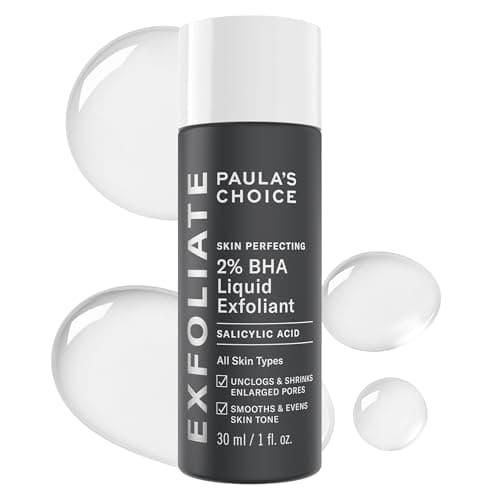
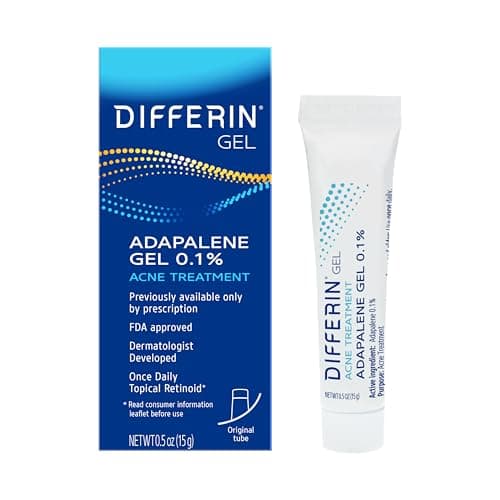
- Blackheads and whiteheads (comedonal acne) respond best to a retinoid like adapalene, which stops pores clogging, and to salicylic acid (BHA), which clears the ones already blocked.
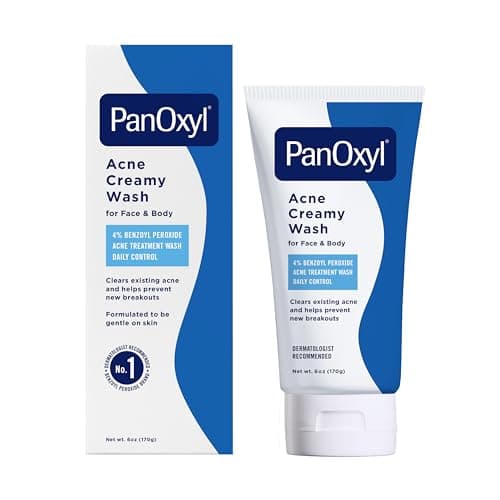
- Red, inflamed pimples and pustules respond to benzoyl peroxide, which kills the bacteria driving the inflammation.
- Mixed acne — most people — does best on a retinoid as the base, with a benzoyl peroxide wash added for the inflamed spots.
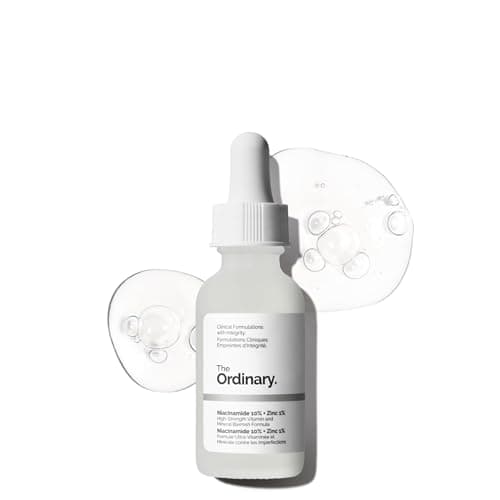
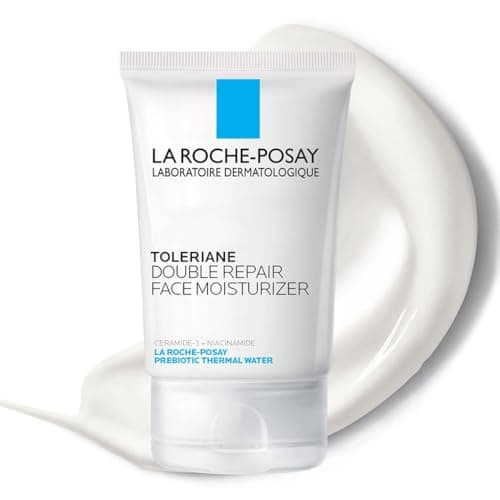
- Oiliness and post-spot redness are calmed by niacinamide, a gentle supporting active rather than a cure.
The routine matters more than any single product
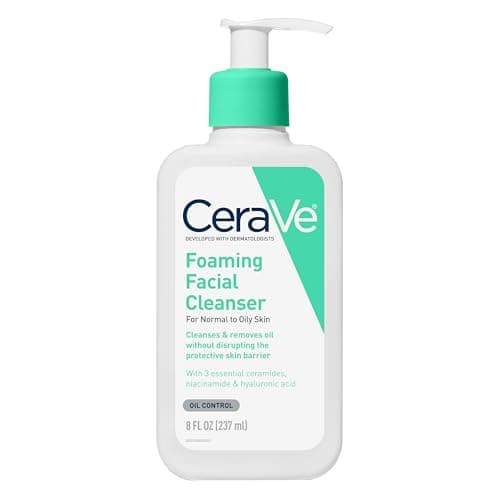
The fastest way to make acne worse is to over-treat it. Piling on a retinoid, a BPO wash and a leave-on acid at full strength strips the barrier, and a stripped barrier gets red, flaky and — because the skin over-produces oil to compensate — often breaks out more. Build slowly instead: start with a gentle cleanser and a light moisturizer, add one active, and give it time. Adapalene in particular needs about 12 weeks of consistent use, and it commonly causes a purge in the first month where things look worse before they get better. That is expected, not a reason to quit.
- Introduce actives one at a time, two to four weeks apart, so you can tell what is helping and what is irritating.
- Do not layer a retinoid and an exfoliating acid on the same night when you are starting — alternate them, or you will over-exfoliate.
- Moisturize every time you treat. A non-comedogenic moisturizer is what makes a drying routine sustainable, not a luxury on top of it.
Sunscreen is not optional with acne actives
Retinoids and exfoliating acids make skin more sensitive to the sun, and both benzoyl peroxide and post-inflammatory marks fade slower with UV exposure. A daily, non-comedogenic sunscreen is the step that protects the progress your actives are making — a lightweight, oil-free SPF like the one in our EltaMD UV Clear review was formulated for exactly this kind of breakout-prone skin. If you are starting from scratch and want the whole thing sequenced, our routine order guide puts cleanser, treatment, moisturizer and SPF in the right order.
When to stop shopping and see a dermatologist
Over-the-counter products handle most mild-to-moderate acne, but they have a ceiling. If your acne is deep and cystic, painful under the skin, leaving scars, or simply not improving after three consistent months, that is the point to see a dermatologist rather than buy a seventh product. Prescription retinoids, oral treatments and in-office options exist for a reason, and no amount of drugstore layering substitutes for them.
One audience note. If the face in question belongs to a teenager, the shelf above is more than they need — our best skincare for teens page cuts it to four products and is blunt about the anti-aging actives currently being marketed to twelve-year-olds.
One decision sits underneath this whole routine, and it is worth making deliberately rather than by whichever bottle you picked up first: salicylic acid vs benzoyl peroxide separates the two by lesion type, so you can tell which of the picks above is treating your actual complaint.
Under $40
The cheap support kit around a breakout routine
The actives above do the actual work. These three are the low-cost kit that sits around them: a dressing for the spot you would otherwise pick at, an even way to lay down a liquid BHA, and a clean way to spread a clay mask. None of them treats acne on its own, and we would rather say so plainly than let the placement imply it.
Hero Cosmetics
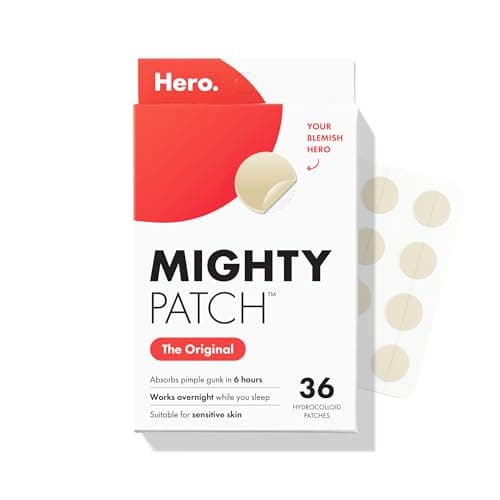
Mighty Patch Original Hydrocolloid Patches (36)
A hydrocolloid dressing over an open or weeping spot: it absorbs the fluid, keeps the area covered overnight, and — the benefit that actually matters — makes it physically impossible to pick at.
Skip it if the spot is a deep, closed cyst with nothing at the surface. A patch has nothing to draw out and will do nothing at all.
Chloven
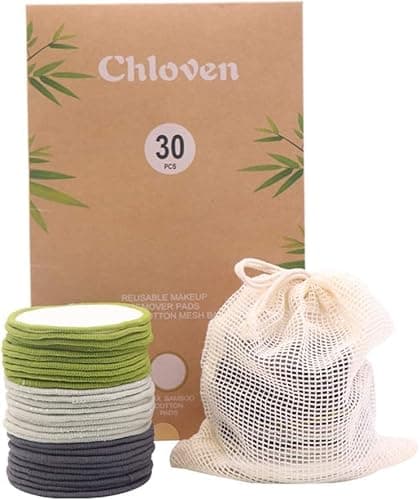
Reusable Bamboo Cotton Rounds (30-pack)
For swiping a liquid exfoliant or toner evenly across the face. They wash and go back in the drawer, so a 30-pack is realistically the last one you buy.
Skip it if you apply liquids with your fingertips already. That wastes less product than any pad, reusable or not — this is a tidiness upgrade, not a results one.
Cuttte
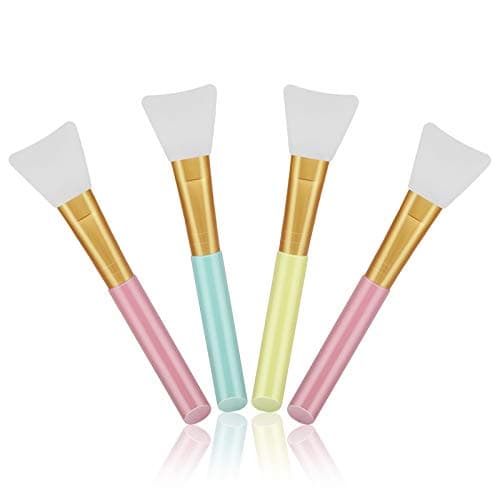
Silicone Mask Applicators (4-pack)
Spreads a clay or mud mask in an even layer instead of soaking a third of the pot into your palm. Silicone rinses clean in seconds and holds nothing, unlike a bristle brush.
Skip it if you only use sheet masks — there is nothing to spread, and this becomes a drawer ornament.
#ad · Live Amazon prices as of October 19, 2026. Where we have no verified live price we show none and the button checks it for you. We may earn a commission, at no extra cost to you — it never changes what we recommend.