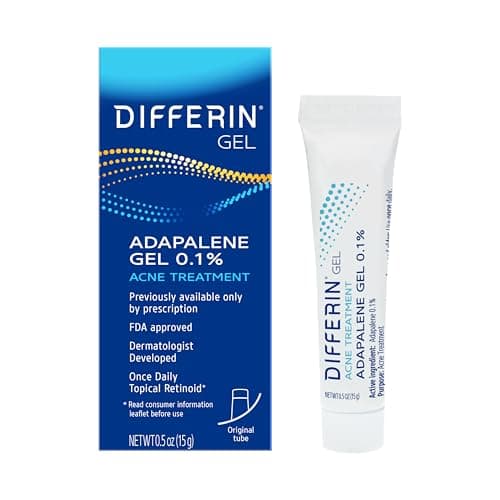
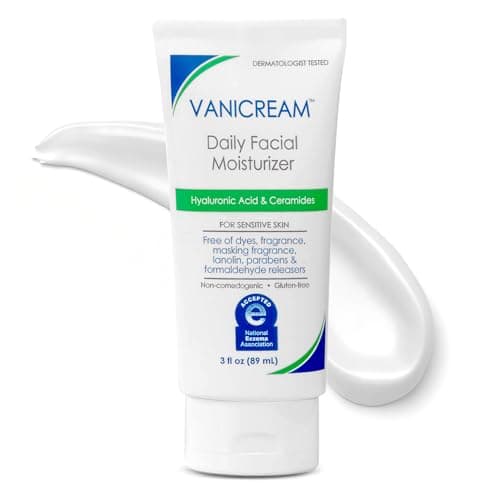
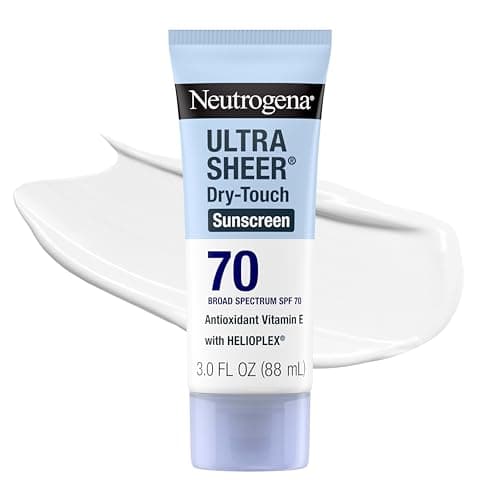
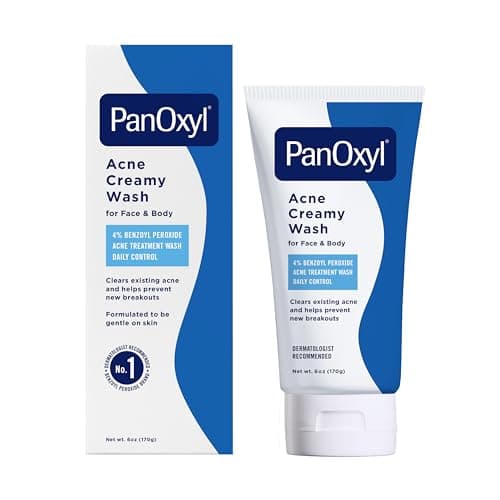
The routine for acne-prone skin is: a gentle or benzoyl-peroxide cleanser, one active treatment, a lightweight moisturizer, and sunscreen every morning. One active — not three. The single most common reason acne routines fail is not that the products are wrong, it is that four treatments are being used simultaneously on a face that becomes too irritated to tolerate any of them.
Acne forms when a follicle blocks with oil and dead cells, bacteria proliferate inside it, and the surrounding tissue inflames. Every effective treatment attacks one or more of those steps. Benzoyl peroxide kills the bacteria. Salicylic acid clears the blockage. Retinoids normalize how the follicle sheds cells so blockages stop forming. Pick one, use it consistently, and give it twelve weeks — because that is genuinely how long it takes.
The morning routine
- Gentle cleanser, lukewarm water. If you use a benzoyl peroxide wash, once a day is enough and morning is a reasonable slot.
- Optional: niacinamide serum. It moderates oil and calms the redness around blemishes without adding irritation. This is the one addition that does not count against your one-active rule.
- Lightweight moisturizer. Not optional. Dry, stripped skin produces more oil and tolerates treatment worse, and every effective acne active is drying.
- Sunscreen. Also not optional — most acne actives increase sun sensitivity, and UV darkens the marks that spots leave behind.
The evening routine
- Cleanse properly — this is the wash that matters, because it removes sunscreen and a day of oil.
- Your one active, on dry skin. Adapalene, benzoyl peroxide or a salicylic acid, depending on what you are treating.
- Moisturizer over the top, generously, once the active has absorbed.
That is it. Three steps at night, four in the morning, and none of them are exotic. If you want the full ranked options for each slot, our best skincare for acne-prone skin roundup covers them.
Choosing your one active
- Blackheads and closed comedones — salicylic acid. It is oil-soluble, so it works inside the pore. See our salicylic acid guide.
- Inflamed red spots and pustules — benzoyl peroxide, starting at 2.5% or 4%. Higher percentages irritate more without working better.
- Recurring breakouts across an area — adapalene, a retinoid available over the counter, which prevents blockages forming rather than treating the ones you have. The slowest to show results and the most worth the wait.
- Acne with a lot of redness and marking — azelaic acid, which treats the inflammation and the pigment together, and is safe in pregnancy.
The timeline, honestly
Weeks 1-4: often worse. Retinoids and acids accelerate the surfacing of blockages that were already forming, which looks exactly like the treatment failing. It is not — it is purging, and our purging versus breaking out guide explains how to tell the difference from a genuine reaction.
Weeks 4-8: stabilizing. Fewer new spots, the existing ones resolving faster. Weeks 8-12: the real assessment point. If nothing has improved by twelve weeks of consistent use, change the active — or, if the acne is moderate to severe, cystic, or scarring, see a doctor. Over-the-counter products have a genuine ceiling and prescription options exist for a reason.
What to stop doing
- Stop skipping moisturizer. Dryness does not clear acne; it makes skin produce more oil and tolerate treatment worse.
- Stop scrubbing. Physical exfoliation on inflamed skin spreads inflammation and worsens marking. Acne is not dirt.
- Stop changing products every two weeks. Nothing in this category works in two weeks. Consistency is the active ingredient.
- Stop stacking. Benzoyl peroxide plus an acid plus a retinoid on the same evening is how a manageable problem becomes a barrier problem on top of an acne problem.
How we picked
We did not lab-test this gear
Everyone in this category says they tested twenty products. We have not lab-tested any of these, and we say so. What we did instead: compiled the published specifications, decoded the ingredient (INCI) lists active by active, ran the math where there was math to run, and scored each product against a published rubric. The scores are judgments from documented research — not measurements we took, because we do not have a lab and we will not pretend we do. Where a number came from someone else's work, we name them in Sources.