Skip to content
Barrier & Bloom

Roundups · Best Skincare

The best skincare brands — and the one product worth buying from each

Eight brands ranked on the things a brand can honestly be judged on: how consistent the formulas are across the whole range, how much the label tells you, and whether the price matches the ingredient list.

By Stephen V.Updated How we review
#ad

We earn a commission when you buy through our Amazon links, at no extra cost to you. It never changes a verdict, and we say so when the cheaper product is the better buy. How this works.

Ranking brands is harder than ranking products, and most lists that try it are really just ranking marketing budgets. A brand is not one thing you can read off a label — it is fifteen to two hundred separate formulas, some excellent and some filler, sold under one logo. So the honest question is not "which brand is best?" but "which brands are reliable enough that you can buy from them without reading every ingredient list, and what is the one thing worth owning from each?"

That is the list below. We judged each brand on five things we can actually check: how consistent the formulations are across the whole range rather than in the one hero product, how much the label and the website tell you (named actives, stated percentages, full INCI), the fragrance policy, the price per ounce measured against what is in the bottle, and how easy the brand is to buy without authenticity risk. What we did not do is lab-test anything — we do not have a lab, and our method page says so plainly.

One finding shapes the whole page: the brands that score best are almost all cheap. The most reliable formulation work in mainstream skincare is happening in the $10-$25 drugstore and pharmacy tier, and the money you spend above that mostly buys texture, packaging and a nicer shopping experience. There are good expensive products, but there is no brand on this list where paying more got you a materially better ingredient list. If you want the picks organised by product category instead of by brand, that is the flagship shelf.

The short answer

Quick picks

#ProductBest forScorePrice
01
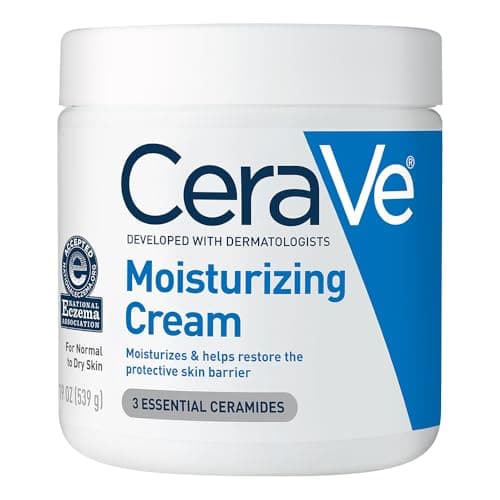
CeraVe CeraVe Moisturizing Cream
CeraVe Moisturizing Cream

The most reliable brand in mainstream skincare, and the one to default to if you do not want to think about it. Nearly the entire range is fragrance-free, built on the same three ceramides plus hyaluronic acid, and priced like a commodity. The consistency is the point: you can pick a CeraVe product almost at random and get something competent, which is not true of any other brand at this size. The Moisturizing Cream tub is its best product and one of the best-value moisturizers sold anywhere.

Best skincare brand overall
9.2
$18.96Amazon
02
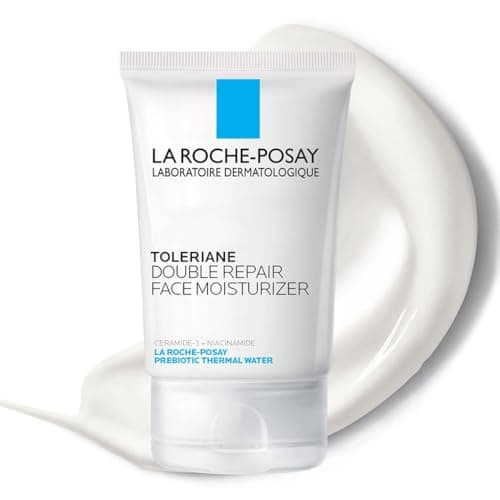
La Roche-Posay La Roche-Posay Toleriane Double Repair Face Moisturizer
La Roche-Posay Toleriane Double Repair Face Moisturizer

The brand to buy when your skin reacts to things. The French pharmacy formulation style — short ingredient decks, fragrance-free across the sensitive-skin lines, everything allergy-tested — produces products that are unusually hard to react to, and the range is deep enough to build an entire routine without leaving the brand. It costs roughly double CeraVe for a comparable job, and the honest answer is that the extra money buys nicer textures and a stricter sensitive-skin discipline rather than a better active.

Best for sensitive and reactive skin
8.4
$24.99Amazon
03
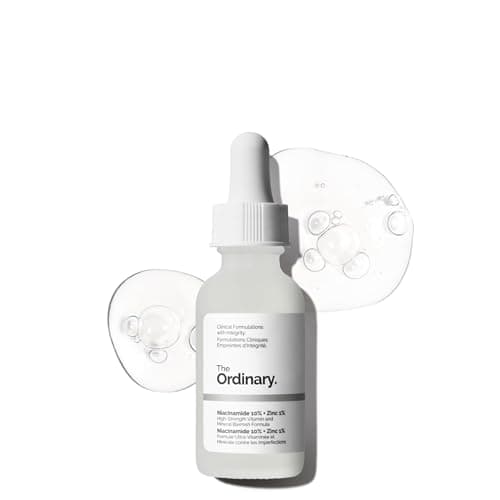
The Ordinary The Ordinary Niacinamide 10% + Zinc 1%
The Ordinary Niacinamide 10% + Zinc 1%

The brand that made single actives cheap, and still the best value in skincare if you know what you are shopping for. The product names are the formulas — the percentage is on the front of the bottle — which strips out the marketing layer entirely and lets you compare like for like. The catch is that this only works if you already know which active you need; the range is a catalogue of ingredients, not a routine, and nothing on the box will stop you buying three exfoliants at once.

Best for cheap single actives
8.4
$6.00Amazon
04
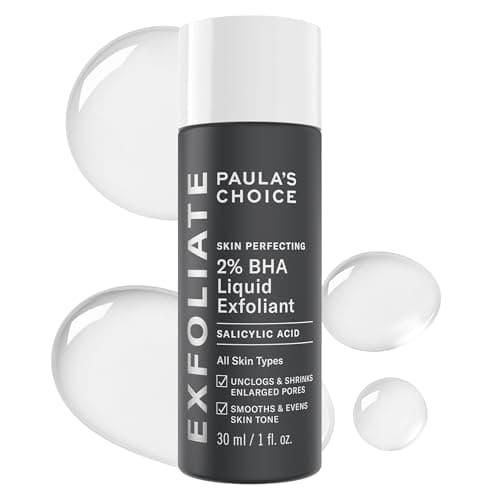
Paula's Choice Paula's Choice Skin Perfecting 2% BHA Liquid Exfoliant
Paula's Choice Skin Perfecting 2% BHA Liquid Exfoliant

The most transparent brand of the eight, and the best in the category it invented for itself. Paula's Choice was built on a published ingredient dictionary and a fragrance-free, no-essential-oils policy that it has actually stuck to, and its exfoliants are the reason to buy in: the 2% BHA liquid is formulated at a pH where salicylic acid genuinely works, which is the difference between an exfoliant and an expensive toner. Everything else in the range is good; the acids are the standouts.

Best for exfoliants and label transparency
8.2
$15.00Amazon
05
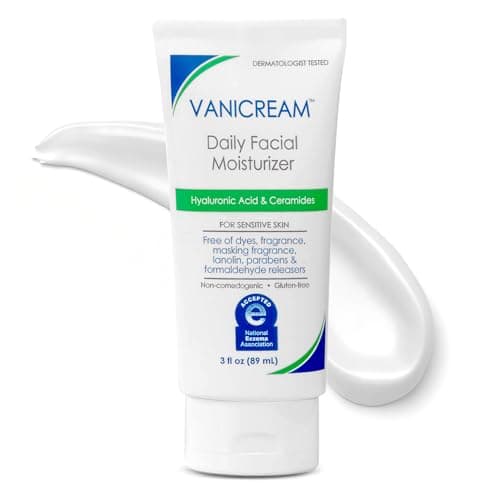
Vanicream Vanicream Daily Facial Moisturizer
Vanicream Daily Facial Moisturizer

The strictest formulation policy on this list, and the only brand here still independently owned. Vanicream has been made by Pharmaceutical Specialties, a small Minnesota company founded in 1974, on one principle: leave out the things people react to — dyes, fragrance, masking fragrance, lanolin, parabens, formaldehyde releasers. When a dermatologist tells a patient with contact dermatitis to strip their routine back to nothing, this is usually the brand they name. The Daily Facial Moisturizer adds five ceramides and hyaluronic acid to that base.

Best for allergy-prone and irritated skin
8.2
$13.97Amazon
06
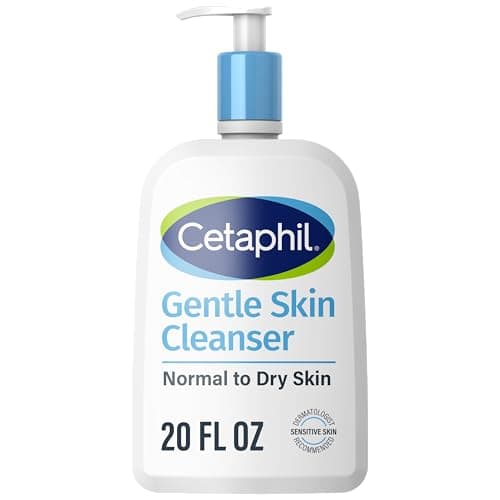
Cetaphil Cetaphil Gentle Skin Cleanser
Cetaphil Gentle Skin Cleanser

The most widely stocked gentle cleanser in the world, and still a sensible answer to one specific question: what do I wash with when my skin cannot tolerate anything? The Gentle Skin Cleanser is soap-free, non-foaming and fragrance-free, which makes it forgiving in a way foaming cleansers are not, and a 20 oz bottle lasts most people the better part of a year. Beyond cleansers the range is ordinary, and the newer treatment lines are unremarkable against the competition here.

Best for the gentlest basics
8.0
$13.44Amazon
07
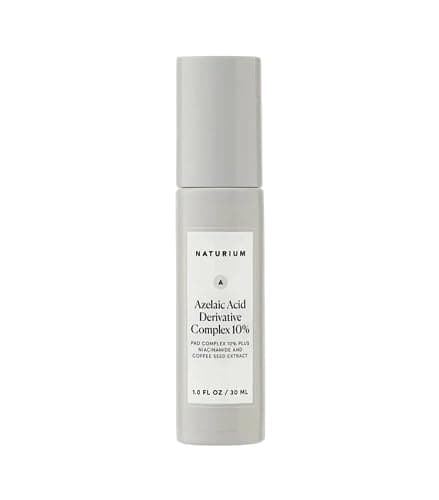
Naturium Naturium Azelaic Topical Acid 10%
Naturium Azelaic Topical Acid 10%

The best of the newer mid-price active brands, and the easiest place to buy an azelaic acid — an under-used active that works on both post-breakout marks and the redness of mild rosacea, and which the drugstore brands largely ignore. Naturium sits deliberately between The Ordinary's bare-bones catalogue and Paula's Choice's prices: named actives at stated strengths, in textures that are actually pleasant. The range is young and still has gaps, so it is a brand you buy specific products from rather than a whole routine.

Best for mid-price actives
7.6
$19.99Amazon
08
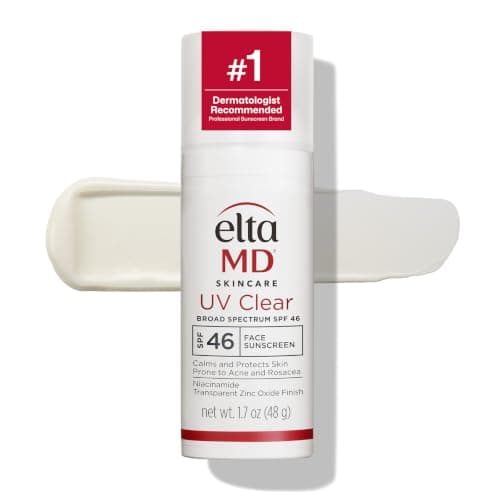
EltaMD EltaMD UV Clear Broad-Spectrum SPF 46
EltaMD UV Clear Broad-Spectrum SPF 46

A one-category brand, and the best in that category. EltaMD essentially only makes sunscreen, and UV Clear is the reason it has the reputation it does: zinc oxide plus niacinamide in an oil-free base light enough that people with breakout-prone skin will actually wear it every day, which is the only property of a sunscreen that ultimately matters. It costs several times what a drugstore SPF does, and we would rather you wore a cheap sunscreen daily than owned an expensive one you ration.

Best sunscreen brand
7.2
$45.00Amazon

#ad · Live prices from the Amazon Product API, as of Jul 23, 2026. Where we have no verified live price, we show none — a gap beats a number that has rotted.

In detail

The picks, in full

01
CeraVe CeraVe Moisturizing Cream

Best skincare brand overall

CeraVe Moisturizing Cream

Ceramides 1, 3, 6-IIMostly fragrance-freeDrugstore pricingOwned by L'Oreal
9.2/10

The most reliable brand in mainstream skincare, and the one to default to if you do not want to think about it. Nearly the entire range is fragrance-free, built on the same three ceramides plus hyaluronic acid, and priced like a commodity. The consistency is the point: you can pick a CeraVe product almost at random and get something competent, which is not true of any other brand at this size. The Moisturizing Cream tub is its best product and one of the best-value moisturizers sold anywhere.

Formulation
9
Transparency
8
Range
9
Value
10
Availability
10

Pros

  • Formulation consistency across the whole range, not just in one hero product
  • Fragrance-free as the default, which is rare at drugstore scale
  • Cheapest cost-per-ounce of any brand here, by a distance
  • Stocked essentially everywhere, so replacing a product is never a project

Cons

  • Textures are functional rather than pleasant — the cream is thick and slow to sink in
  • The range is thin on serious actives; there is no real retinoid or high-strength acid
  • Some newer sub-lines have drifted toward fragrance, so the fragrance-free default is no longer universal

Don't buy this if…

you want a treatment step. CeraVe is exceptional at the boring, load-bearing parts of a routine and unremarkable at the actives — buy those elsewhere.

$18.96View on Amazon

$20.497% off

Price as of Jul 23, 2026. Prices change — Amazon's at checkout is the one that counts.

#ad · we may earn a commission from this link to CeraVe Moisturizing Cream

02
La Roche-Posay La Roche-Posay Toleriane Double Repair Face Moisturizer

Best for sensitive and reactive skin

La Roche-Posay Toleriane Double Repair Face Moisturizer

Ceramide-3 + niacinamideAllergy-tested rangePharmacy tier pricingOwned by L'Oreal
8.4/10

The brand to buy when your skin reacts to things. The French pharmacy formulation style — short ingredient decks, fragrance-free across the sensitive-skin lines, everything allergy-tested — produces products that are unusually hard to react to, and the range is deep enough to build an entire routine without leaving the brand. It costs roughly double CeraVe for a comparable job, and the honest answer is that the extra money buys nicer textures and a stricter sensitive-skin discipline rather than a better active.

Formulation
9
Transparency
8
Range
9
Value
7
Availability
9

Pros

  • The most dependable brand on this list for skin that reacts to almost everything
  • Deep enough range to build a full routine — cleanser, moisturizer, SPF, treatments
  • Fragrance-free discipline across the Toleriane and Cicaplast lines
  • Textures are genuinely good, which matters more than it sounds for daily compliance

Cons

  • Roughly twice CeraVe's cost per ounce for a similar ingredient list
  • Sub-line naming is confusing — Toleriane alone spans cleansers, moisturizers and several formats
  • A few of the fragranced lines undercut the brand's own sensitive-skin positioning

Don't buy this if…

your skin is not actually reactive. If you tolerate most products fine, you are paying a premium for a safety margin you do not need.

$24.99View on Amazon

Price as of Jul 23, 2026. Prices change — Amazon's at checkout is the one that counts.

#ad · we may earn a commission from this link to La Roche-Posay Toleriane Double Repair Face Moisturizer

03
The Ordinary The Ordinary Niacinamide 10% + Zinc 1%

Best for cheap single actives

The Ordinary Niacinamide 10% + Zinc 1%

Actives + % on the labelFragrance-freeLowest price per activeMajority-owned by Estee Lauder
8.4/10

The brand that made single actives cheap, and still the best value in skincare if you know what you are shopping for. The product names are the formulas — the percentage is on the front of the bottle — which strips out the marketing layer entirely and lets you compare like for like. The catch is that this only works if you already know which active you need; the range is a catalogue of ingredients, not a routine, and nothing on the box will stop you buying three exfoliants at once.

Formulation
8
Transparency
9
Range
7
Value
10
Availability
8

Pros

  • The most transparent labelling in mainstream skincare — the name IS the concentration
  • Prices that make trying a new active a low-stakes decision
  • Fragrance-free and minimally formulated across almost the whole range

Cons

  • Range quality is uneven — some formulas are excellent, others are unpleasant to use
  • Textures range from fine to genuinely bad; several products pill under sunscreen
  • Sold as a shelf of ingredients, so beginners routinely over-buy and over-exfoliate

Don't buy this if…

you are new to skincare. The brand assumes you already know which active you need and how to introduce it — start with a simpler brand and come here once you do.

$6.00View on Amazon

Price as of Jul 23, 2026. Prices change — Amazon's at checkout is the one that counts.

#ad · we may earn a commission from this link to The Ordinary Niacinamide 10% + Zinc 1%

04
Paula's Choice Paula's Choice Skin Perfecting 2% BHA Liquid Exfoliant

Best for exfoliants and label transparency

Paula's Choice Skin Perfecting 2% BHA Liquid Exfoliant

2% BHA at effective pHFragrance-free policyPublished ingredient dictionaryOwned by Unilever
8.2/10

The most transparent brand of the eight, and the best in the category it invented for itself. Paula's Choice was built on a published ingredient dictionary and a fragrance-free, no-essential-oils policy that it has actually stuck to, and its exfoliants are the reason to buy in: the 2% BHA liquid is formulated at a pH where salicylic acid genuinely works, which is the difference between an exfoliant and an expensive toner. Everything else in the range is good; the acids are the standouts.

Formulation
9
Transparency
10
Range
8
Value
6
Availability
8

Pros

  • Publishes its formulation reasoning and a full ingredient reference, which almost nobody else does
  • Genuine fragrance-free and essential-oil-free policy across the range
  • The BHA and AHA exfoliants are the best-formulated mass-market acids we can find

Cons

  • Priced well above the pharmacy brands for the non-exfoliant products
  • Bottle sizes are small, so the real cost per ounce is higher than the sticker suggests
  • The range is large and confusingly segmented into Boost, Clinical, Resist and Calm lines

Don't buy this if…

you only want basics. For a cleanser and a moisturizer you are paying a premium here for something CeraVe or Vanicream does just as well.

$15.00View on Amazon

Price as of Jul 23, 2026. Prices change — Amazon's at checkout is the one that counts.

#ad · we may earn a commission from this link to Paula's Choice Skin Perfecting 2% BHA Liquid Exfoliant

05
Vanicream Vanicream Daily Facial Moisturizer

Best for allergy-prone and irritated skin

Vanicream Daily Facial Moisturizer

No dye, fragrance or lanolin5 ceramides + hyaluronic acidIndependently owned3 fl oz face size
8.2/10

The strictest formulation policy on this list, and the only brand here still independently owned. Vanicream has been made by Pharmaceutical Specialties, a small Minnesota company founded in 1974, on one principle: leave out the things people react to — dyes, fragrance, masking fragrance, lanolin, parabens, formaldehyde releasers. When a dermatologist tells a patient with contact dermatitis to strip their routine back to nothing, this is usually the brand they name. The Daily Facial Moisturizer adds five ceramides and hyaluronic acid to that base.

Formulation
8
Transparency
9
Range
7
Value
9
Availability
8

Pros

  • The most rigorous free-from policy here, applied to the whole range rather than one line
  • The safest default when you genuinely do not know what your skin is reacting to
  • Cheap for what it is, and the face moisturizer is a proper lightweight face formula
  • Still independent, which shows in how little the range chases trends

Cons

  • Almost no active treatments — this is barrier care, not correction
  • Packaging and textures are utilitarian; nothing here is a pleasure to use
  • A smaller range than the pharmacy brands, so you cannot build a whole routine from it

Don't buy this if…

you want results on lines, texture or pigment. Vanicream's entire job is to not irritate you, and it succeeds by leaving actives out.

$13.97View on Amazon

$14.957% off

Price as of Jul 23, 2026. Prices change — Amazon's at checkout is the one that counts.

#ad · we may earn a commission from this link to Vanicream Daily Facial Moisturizer

06
Cetaphil Cetaphil Gentle Skin Cleanser

Best for the gentlest basics

Cetaphil Gentle Skin Cleanser

Soap-free, non-foamingFragrance-free20 oz bottleOwned by Galderma
8.0/10

The most widely stocked gentle cleanser in the world, and still a sensible answer to one specific question: what do I wash with when my skin cannot tolerate anything? The Gentle Skin Cleanser is soap-free, non-foaming and fragrance-free, which makes it forgiving in a way foaming cleansers are not, and a 20 oz bottle lasts most people the better part of a year. Beyond cleansers the range is ordinary, and the newer treatment lines are unremarkable against the competition here.

Formulation
7
Transparency
7
Range
7
Value
9
Availability
10

Pros

  • As gentle as a cleanser gets while still being a cleanser
  • Enormous bottle for the price — one of the lowest costs per wash anywhere
  • Sold in essentially every pharmacy and supermarket in the country

Cons

  • Leaves a slight film and struggles with heavy sunscreen or makeup
  • Outside cleansers the range is average — the moisturizers are beaten by CeraVe at the same price
  • Several sub-lines are fragranced, so the brand name alone is not a safety guarantee

Don't buy this if…

you wear mineral sunscreen or makeup daily. A non-foaming cleanser will not fully remove either — you want a gel or oil cleanser instead.

$13.44View on Amazon

$15.4913% off

Price as of Jul 23, 2026. Prices change — Amazon's at checkout is the one that counts.

#ad · we may earn a commission from this link to Cetaphil Gentle Skin Cleanser

07
Naturium Naturium Azelaic Topical Acid 10%

Best for mid-price actives

Naturium Azelaic Topical Acid 10%

10% azelaic acidWith niacinamide + vitamin C1 ozOwned by e.l.f. Beauty
7.6/10

The best of the newer mid-price active brands, and the easiest place to buy an azelaic acid — an under-used active that works on both post-breakout marks and the redness of mild rosacea, and which the drugstore brands largely ignore. Naturium sits deliberately between The Ordinary's bare-bones catalogue and Paula's Choice's prices: named actives at stated strengths, in textures that are actually pleasant. The range is young and still has gaps, so it is a brand you buy specific products from rather than a whole routine.

Formulation
8
Transparency
8
Range
7
Value
8
Availability
7

Pros

  • Names the active and the percentage, like The Ordinary, but in far better textures
  • Covers actives the drugstore brands skip — azelaic acid, tranexamic acid, higher-strength niacinamide
  • Priced between the budget and premium tiers rather than at either extreme

Cons

  • A young range with real gaps — no strong sunscreen line, thin on basics
  • Azelaic acid works slowly; expect months, not weeks, on discolouration
  • Less independent third-party scrutiny than the older brands here, so there is less to check our reading against

Don't buy this if…

you want one brand for your whole shelf. Naturium is a treatment-step brand — pair it with a cheaper brand for cleanser, moisturizer and SPF.

$19.99View on Amazon

Price as of Jul 23, 2026. Prices change — Amazon's at checkout is the one that counts.

#ad · we may earn a commission from this link to Naturium Azelaic Topical Acid 10%

08
EltaMD EltaMD UV Clear Broad-Spectrum SPF 46

Best sunscreen brand

EltaMD UV Clear Broad-Spectrum SPF 46

Zinc oxide + niacinamideOil-free, SPF 46Non-comedogenicOwned by Colgate-Palmolive
7.2/10

A one-category brand, and the best in that category. EltaMD essentially only makes sunscreen, and UV Clear is the reason it has the reputation it does: zinc oxide plus niacinamide in an oil-free base light enough that people with breakout-prone skin will actually wear it every day, which is the only property of a sunscreen that ultimately matters. It costs several times what a drugstore SPF does, and we would rather you wore a cheap sunscreen daily than owned an expensive one you ration.

Formulation
9
Transparency
7
Range
6
Value
6
Availability
8

Pros

  • The best-tolerated daily facial sunscreen we can find for oily and breakout-prone skin
  • Niacinamide in the base does useful work beyond the UV filters
  • Fragrance-free and genuinely lightweight, so daily use is realistic

Cons

  • Expensive per ounce — several times the cost of a competent drugstore SPF
  • The range barely extends past sunscreen, so it cannot anchor a routine
  • Widely counterfeited, so buy from a seller you trust rather than the cheapest listing

Don't buy this if…

price is what stops you wearing sunscreen daily. The best sunscreen is the one you reapply without flinching at the cost — a cheaper SPF used properly beats this one used sparingly.

$45.00View on Amazon

Price as of Jul 23, 2026. Prices change — Amazon's at checkout is the one that counts.

#ad · we may earn a commission from this link to EltaMD UV Clear Broad-Spectrum SPF 46

The five things a brand can honestly be judged on

You cannot test a brand the way you test a product, but you can check whether it behaves consistently. These are the criteria we applied to all eight, in the order they mattered.

  • Formulation consistency across the range. Anyone can make one good product. The question is whether the twentieth product is formulated to the same standard as the hero one — that is what makes a brand safe to buy from without reading every label.
  • Transparency.Does the label name the active and its concentration, or does it say "complex" and "blend"? Is the full INCI list easy to find? The Ordinary and Paula's Choice score highest here; most of the industry does not try.
  • Fragrance policy.Fragrance is the single most common cause of skincare reactions and adds nothing to a formula's performance. A brand that is fragrance-free by default has made a decision that costs it sales, which tells you something.
  • Price against the ingredient list. Not price alone — price per ounce weighed against what is actually in the bottle. This is where most premium brands come apart.
  • Availability and authenticity risk. A brand you can only buy from an unfamiliar third-party seller is a brand where you are gambling on getting the real product. This matters more for expensive brands than cheap ones.

Who actually owns these brands

Almost none of these are independent companies, and it is worth knowing which conglomerate is behind the label you think you are loyal to. CeraVe and La Roche-Posay are both L'Oreal brands. Paula's Choice was acquired by Unilever in 2021. The Ordinary's parent, Deciem, is majority-owned by the Estee Lauder Companies. Naturium was bought by e.l.f. Beauty in 2023. EltaMD belongs to Colgate-Palmolive, and Cetaphil to Galderma. Of the eight, only Vanicream is still independent.

This is not a scandal and it is not a reason to avoid any of them — conglomerate ownership often means better safety testing and supply chains, not worse. But it does explain why "brand loyalty" is a weak organising principle for a skincare shelf. CeraVe and La Roche-Posay compete on the shelf and share a parent company; the price gap between them is positioning, not chemistry.

What more money actually buys

Skincare has three rough price tiers, and the jump between them buys less than you would expect. The drugstore tier — CeraVe, Cetaphil, Vanicream, The Ordinary — is where the best value in the entire category sits, and it is genuinely competitive on ingredients. The pharmacy and mid tier — La Roche-Posay, Paula's Choice, Naturium, EltaMD — buys better textures, stricter sensitive-skin discipline, and access to actives the drugstore brands do not carry. Above that, the luxury tier mostly buys packaging, scent and experience.

We deliberately do not print prices in this prose, because they move; every pick above carries a live, date-stamped price pulled from Amazon, and if we cannot verify a current one the button says "check price" instead of showing you a stale number. The pattern that holds regardless of the day you read this: the cheapest brand on this page scores the highest, and the most expensive scores the lowest.

The brands we left off, and why

  • SkinCeuticalsmakes genuinely well-researched antioxidant serums, but it is one of the most counterfeited brands on marketplaces. We are not going to build a buy button around a product where the main risk is getting a fake — buy it from an authorised retailer or a dermatologist's office instead.
  • Neutrogena and Olay both have a few good products inside very uneven ranges, with fragrance common throughout. That is exactly the profile our first criterion penalises: you cannot buy from them without checking every label.
  • "Clean beauty" brands generally score badly here, because essential oils and botanical extracts — the things that make a formula sound natural — are among the most common causes of skin reactions. Natural is not a synonym for gentle.
  • Luxury houses were excluded on value, not quality. A $200 cream can be a perfectly good cream; it is simply never a better ingredient list than a $20 one.

Buy the product, not the logo

The best shelf is almost always mixed. There is no brand here that makes the best cleanser, the best moisturizer, the best exfoliant and the best sunscreen at once, and buying a matched set from one brand is a marketing outcome rather than a skincare one. A realistic version of the eight above: a Cetaphil or CeraVe cleanser, a CeraVe or Vanicream moisturizer, one active from The Ordinary or Naturium, an exfoliant from Paula's Choice, and a sunscreen you will genuinely wear daily. If you want that assembled in the right sequence, our routine order guide covers what goes on when, and the beginner routine is the shortest version that still works.

How we picked

We did not lab-test this gear

Everyone in this category says they tested twenty products. We have not lab-tested any of these, and we say so. What we did instead: compiled the published specifications, decoded the ingredient (INCI) lists active by active, ran the math where there was math to run, and scored each product against a published rubric. The scores are judgments from documented research — not measurements we took, because we do not have a lab and we will not pretend we do. Where a number came from someone else's work, we name them in Sources.

Questions

Frequently asked

What is the best skincare brand overall?
CeraVe, for most people. It is not the most exciting brand on this list, but it is the most consistent: the range is overwhelmingly fragrance-free, built on the same ceramide base, and priced so low that a mistake costs you very little. That combination of reliability and price is what makes a brand safe to default to. If your skin is reactive rather than ordinary, La Roche-Posay or the sensitive-skin shelf is the better starting point.
Are expensive skincare brands better than drugstore ones?
Not on ingredients, in our reading. The actives that have evidence behind them - retinoids, vitamin C, niacinamide, salicylic acid, zinc oxide - are cheap raw materials, and the drugstore brands use them at effective strengths. What extra money reliably buys is texture, scent, packaging and the sensitive-skin testing discipline of the pharmacy brands. Those are real benefits, and they help you stay consistent, which matters. They are just not the same thing as a better formula.
Is CeraVe or Cetaphil better?
CeraVe, for most uses. Cetaphil's Gentle Skin Cleanser is excellent at being forgiving, and it is the better choice if foaming cleansers leave your skin tight. But CeraVe's moisturizers are better formulated than Cetaphil's at the same price, because the ceramide-and-hyaluronic-acid base does more for a damaged barrier than Cetaphil's simpler formulas. A common sensible answer is Cetaphil to wash with and CeraVe Moisturizing Cream to moisturise with.
Who owns CeraVe and La Roche-Posay?
Both are owned by L'Oreal - La Roche-Posay as part of its dermatological beauty division, and CeraVe since L'Oreal acquired it in 2017. They are positioned as separate brands at different price points and sold in different aisles, but they share a parent company. That is worth knowing when you are deciding whether the price difference between them reflects a difference in the product or a difference in the marketing.
Is The Ordinary actually good?
Yes, if you already know what you are buying. The formulas are honest and the prices are unmatched, and putting the concentration on the front of the bottle is the most pro-consumer labelling decision in the category. The problem is that the range is a catalogue of ingredients rather than a routine, so it is very easy to buy three exfoliating actives and wreck your barrier. Read our niacinamide and retinol guides first, then buy one thing.
Should I buy my whole routine from one brand?
There is no need to. Products from different brands layer together without any problem - the idea that a range is 'designed to work together' is a merchandising argument, not a chemical one. The only real advantage of sticking to one brand is that a brand with a consistent fragrance policy saves you from reading labels. Otherwise, buy the best product for each step, which will almost always mean a mixed shelf.
Which skincare brands should I avoid?
Rather than a blocklist, use a test: can you find the full ingredient list before you buy, is the range fragrance-free by default, and does the price match what is in the bottle? Brands that fail all three are usually selling a story. We would also be cautious buying heavily counterfeited premium brands from unfamiliar marketplace sellers - not because the brand is bad, but because you may not be getting it.

Keep reading

Receipts

Sources

We do not run a testing lab, and we do not pretend to. Where a measured number came from someone else's work, we name them and link them. Where we could not verify something, we say so on the page rather than quietly leaving it out. Read our full method.