Skip to content
Barrier & Bloom

Explainers · Learn

Can you mix skincare brands? Yes — and most people should

No brand is best at everything, and nothing in a bottle knows what logo is on the bottle next to it. The real compatibility questions are about actives, pH and texture — never about the label.

By Stephen V.Updated How we review
#ad

We earn a commission when you buy through our Amazon links, at no extra cost to you. It never changes a verdict, and we say so when the cheaper product is the better buy. How this works.

Yes, and the best routines are almost always mixed. Nothing in a serum can detect the brand of the cream going on after it. The routine below is three brands on purpose — The Ordinary for the cheap active, Vanicream for the barrier, and Supergoop!for the sunscreen you will actually wear — and it is better than any one of those brands' own three-step set, because each is the best at the thing it does and none is the best at everything.

“Use the full system for best results” is a sentence written by a marketing department, and you can see why: a brand that sells you four products makes four times the revenue of a brand that sells you one. There is no formulation argument underneath it. Products are developed to work on human skin alongside whatever else is on it, because that is the only condition any of them will ever be used in.

Where the idea came from, and the grain of truth in it

Two things are true, and neither supports brand loyalty. First, brands do sometimes formulate a pair to work together — a buffered acid with its own neutralising moisturizer, or a serum and cream sharing a delivery system. That is a reason to buy those two together, not a reason to buy the whole line. Second, a single-brand routine is easier to troubleshoot when something goes wrong, because the ingredient lists overlap. That is a convenience, not a performance claim.

What is not true is that mixing causes reactions. Reactions come from specific ingredients at specific doses — fragrance, a high-strength acid, a retinoid on an unprepared face — and they do exactly the same thing whether the two products share a logo or not.

The four compatibility questions that actually matter

  • Am I stacking two of the same thing? This is the real risk of a mixed shelf, and it is a duplication problem rather than a brand problem. Two niacinamide serums, or an acid toner plus an acid serum plus a scrub, is how people over-exfoliate. Read the lists, not the logos — our ingredient checker is the thirty-second version.
  • Is there a genuine chemical conflict? The short list is shorter than the internet suggests. Low-pH L-ascorbic acid with niacinamide has conditions attached (see niacinamide vs vitamin C); benzoyl peroxide and a retinoid are better separated by time of day; and a low-pH acid immediately before a pH-sensitive active is worth spacing. Retinol and niacinamide, for instance, are fine together, whatever you have read.
  • Will the textures layer? Thin to thick, water before oil. Two silicone- or polymer-heavy products in sequence is the classic recipe for pilling, and that is a physics problem that two products from the same brand will have just as readily.
  • How many new things am I introducing at once? One. Always one. A mixed routine built one product a fortnight is diagnosable; five new products from five brands in one week is not — and neither is five from one brand.

Notice that none of the four is “are these the same brand”. That is the whole answer to the question.

The short answer

Quick picks

#ProductBest forScorePrice
01
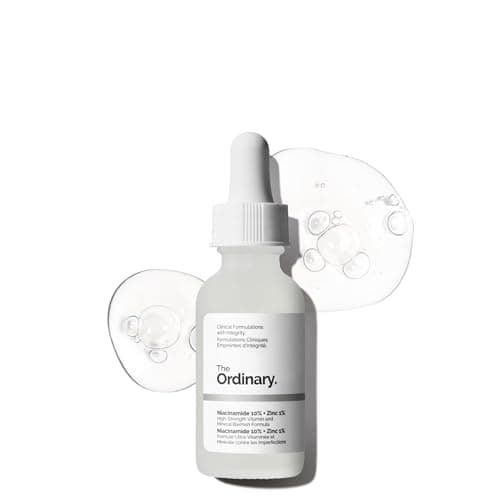
The Ordinary The Ordinary Niacinamide 10% + Zinc 1%
The Ordinary Niacinamide 10% + Zinc 1%

The single-active serum nobody beats on price, from a brand whose entire proposition is that you assemble your own routine. It is the clearest illustration of why mixing is sensible: no premium brand sells a better niacinamide, and buying this one does not oblige you to buy their cleanser.

Best cheap active in a mixed routine
7.8
$6.00Amazon
02
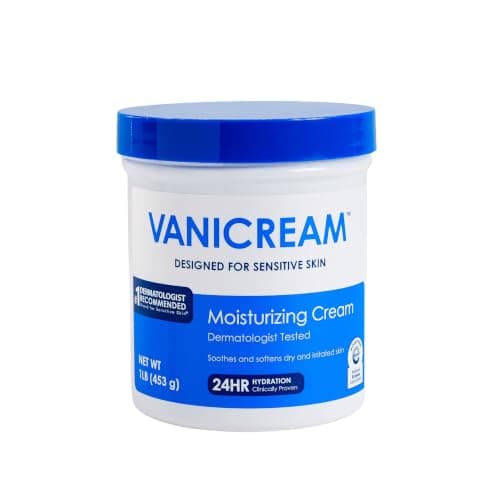
Vanicream Vanicream Moisturizing Cream
Vanicream Moisturizing Cream

The barrier layer from a small company that makes almost nothing else — which is exactly the point. Vanicream does not sell a serum you are supposed to pair this with, and the cream is still among the best-tolerated moisturizers available. A mixed shelf lets you take the one thing a specialist is best at.

Best barrier layer, whatever else you use
8.8
$13.19Amazon
03
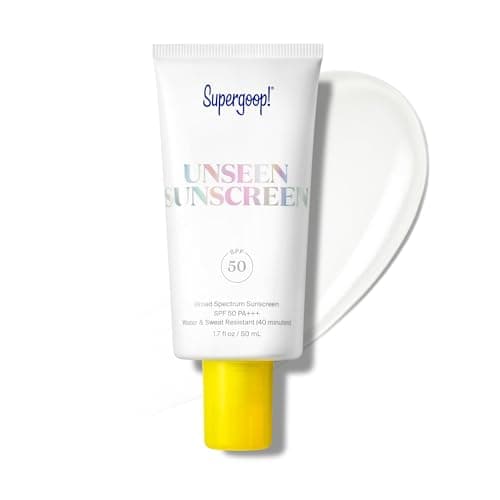
Supergoop! Supergoop! Unseen Sunscreen SPF 50
Supergoop! Unseen Sunscreen SPF 50

The third brand, and the one that proves the point hardest: nobody buys their sunscreen from the same company as their moisturizer because they are matched, they buy it because it is the one they will keep putting on. A clear gel finish with no cast and no scent, over any serum and under anything.

Best sunscreen to finish a mixed routine
7.8
$38.00Amazon

#ad · Live prices from the Amazon Product API, as of October 18, 2026. Where we have no verified live price, we show none — a gap beats a number that has rotted.

In detail

The picks, in full

01
The Ordinary The Ordinary Niacinamide 10% + Zinc 1%

Best cheap active in a mixed routine

The Ordinary Niacinamide 10% + Zinc 1%

10% niacinamide1% zinc PCAWater-lightFragrance-free
7.8/10

The single-active serum nobody beats on price, from a brand whose entire proposition is that you assemble your own routine. It is the clearest illustration of why mixing is sensible: no premium brand sells a better niacinamide, and buying this one does not oblige you to buy their cleanser.

Formula
8
Results
8
Gentleness
6
Texture
7
Value
10

Pros

  • Both actives stated, which makes duplication easy to avoid
  • Water-light, so it layers under anything
  • Costs a fraction of a department-store equivalent
  • Designed to be combined — the brand says so itself

Cons

  • 10% is at the top of the useful band; a minority flush
  • Briefly tacky before it sets
  • No frills whatsoever

Don't buy this if…

…you are already using another niacinamide product. That is the duplication this page is warning you about.

$6.00View on Amazon

Price as of October 18, 2026. Prices change — Amazon's at checkout is the one that counts.

#ad · we may earn a commission from this link to The Ordinary Niacinamide 10% + Zinc 1%

02
Vanicream Vanicream Moisturizing Cream

Best barrier layer, whatever else you use

Vanicream Moisturizing Cream

Fragrance-freeDye-freeNo parabensNon-comedogenic
8.8/10

The barrier layer from a small company that makes almost nothing else — which is exactly the point. Vanicream does not sell a serum you are supposed to pair this with, and the cream is still among the best-tolerated moisturizers available. A mixed shelf lets you take the one thing a specialist is best at.

Ingredients
9
Gentleness
10
Barrier
8
Texture
8
Value
9

Pros

  • One of the shortest, least reactive ingredient lists at any price
  • No fragrance, no dye — nothing that fights the rest of your routine
  • Thick enough to buffer an active applied underneath it
  • Pump tub sizes that last for months

Cons

  • Thick and slightly waxy; the opposite of elegant
  • Too rich for genuinely oily skin
  • Does nothing active, by design

Don't buy this if…

…you want a lightweight gel moisturizer. This is the heavy, boring, extremely reliable option.

$13.19View on Amazon

$14.7711% off

Price as of October 18, 2026. Prices change — Amazon's at checkout is the one that counts.

#ad · we may earn a commission from this link to Vanicream Moisturizing Cream

03
Supergoop! Supergoop! Unseen Sunscreen SPF 50

Best sunscreen to finish a mixed routine

Supergoop! Unseen Sunscreen SPF 50

SPF 50Clear gelOil-freeFragrance-free
7.8/10

The third brand, and the one that proves the point hardest: nobody buys their sunscreen from the same company as their moisturizer because they are matched, they buy it because it is the one they will keep putting on. A clear gel finish with no cast and no scent, over any serum and under anything.

Finish
10
Protection
8
Sensitive-safe
7
Under makeup
10
Value
4

Pros

  • Goes on invisibly over any serum or cream, regardless of brand
  • No white cast and no sunscreen smell, which is why it gets reapplied
  • Dry-touch finish that does not interfere with anything over it
  • Fragrance-free, so it adds nothing to react to

Cons

  • The most expensive item here by a distance
  • Silicone-led finish can pill over certain serums — layer thinly
  • Chemical filters, so not an option if you want mineral only

Don't buy this if…

…you want a mineral filter or you are on a budget. Our sunscreen roundup has both of those answers.

$38.00View on Amazon

Price as of October 18, 2026. Prices change — Amazon's at checkout is the one that counts.

#ad · we may earn a commission from this link to Supergoop! Unseen Sunscreen SPF 50

When buying within one brand genuinely is the better call

Three honest cases, none of them about performance:

  • You react to a lot of things. Staying inside one hypoallergenic line narrows the number of preservative systems and emulsifiers you are exposed to, and makes a reaction easier to trace. Our sensitive-skin roundup is organised around that logic.
  • A pair is formulated as a pair. A buffered treatment with its own companion cream, or a kit where the cleanser is designed around the active, is worth buying together.
  • You want to stop thinking about it. A set is a decision made for you. That has real value, and it is why our gift sets page exists. It is not the same as a better result.

A routine assembled from four brands

StepWhat to pick onOur category page
CleanserFormat matched to your oil level, nothing elseBest face cleanser
One activeThe single concern you most want to changeBest niacinamide serum
MoisturizerTexture, and the shortest list you can live withBest face moisturizer
SunscreenWhichever one you will still be wearing in MarchBest face sunscreen

Four categories, four winners, four different companies. That is what every roundup on this site is for: our overall best skincare products page is deliberately cross-brand, and the brands page exists to say what each company is genuinely good at rather than to crown one.

Two practical habits that make a mixed shelf work

Add one product at a time, and patch test it. A mixed routine is not harder to debug than a single-brand one — unless you change three things at once, in which case both are impossible.

Watch for pilling rather than for brand clashes. If a product rolls off in little threads, that is usually a silicone-heavy layer over an incompletely absorbed one. Apply less, wait longer, or swap the order. Our waiting-times guide covers the few cases where the gap genuinely matters, and routine order covers the sequence.

How we picked

We did not lab-test this gear

Everyone in this category says they tested twenty products. We have not lab-tested any of these, and we say so. What we did instead: compiled the published specifications, decoded the ingredient (INCI) lists active by active, ran the math where there was math to run, and scored each product against a published rubric. The scores are judgments from documented research — not measurements we took, because we do not have a lab and we will not pretend we do. Where a number came from someone else's work, we name them in Sources.
Questions

Frequently asked

Can you mix different brands of skincare?
Yes. No ingredient behaves differently because of the logo on the bottle beside it. The things that genuinely conflict — duplicated actives, a couple of specific pH interactions, incompatible textures — do so identically whether the products share a brand or not.
Is it bad to use products from different brands together?
No, and most well-built routines are mixed, because no single company makes the best cleanser, the best active and the best sunscreen. The one real risk of a mixed shelf is accidentally doubling up on the same active, which you avoid by reading ingredient lists.
Do skincare 'systems' work better than mixing?
Not as a rule. Occasionally a brand formulates a genuine pair — a buffered treatment with its companion cream — and buying those two together makes sense. A whole line is a retail construct; the only real advantages are convenience and easier troubleshooting.
Which skincare ingredients should not be mixed?
The honest short list: low-pH L-ascorbic acid with niacinamide has conditions attached, benzoyl peroxide and a retinoid are better used at different times of day, and a low-pH acid immediately before a pH-sensitive active is worth spacing out. Retinol and niacinamide are fine. Most other warnings you have read are overstated.
How do I know if two products are duplicating each other?
Read the first six or seven ingredients on both. If the same active appears high on both lists, you are paying twice and risking over-use — most commonly with acids, niacinamide and vitamin C. Pick one and keep it.
Why does my skincare pill when I mix brands?
Pilling is physics, not brand incompatibility: a silicone- or polymer-heavy product applied over a layer that has not absorbed rolls up into threads. Use less, let each layer settle, and put the thinnest textures first. The same thing happens within a single brand's line.

Keep reading

Receipts

Sources

We do not run a testing lab, and we do not pretend to. Where a measured number came from someone else's work, we name them and link them. Where we could not verify something, we say so on the page rather than quietly leaving it out. Read our full method.