Moisturizer is the step almost nobody skips and almost nobody chooses well, because the category is sold on adjectives — nourishing, replenishing, revitalizing — and bought on feel. The useful frame is much simpler. Every moisturizer is doing some combination of three jobs, and the one you want depends on which of those three your skin is short of.
Humectants (glycerin, hyaluronic acid, panthenol, urea) draw water into the outer layers. Emollients (squalane, fatty alcohols, triglycerides, plant oils) sit between skin cells and are responsible for the sensation of smoothness. Occlusives (petrolatum, dimethicone, shea, waxes) form a physical seal that slows water loss. A good moisturizer contains all three in proportions matched to a skin type; a bad one is mostly water, a humectant and a fragrance.
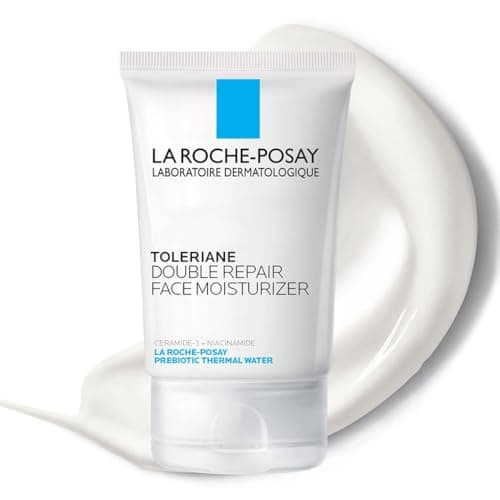
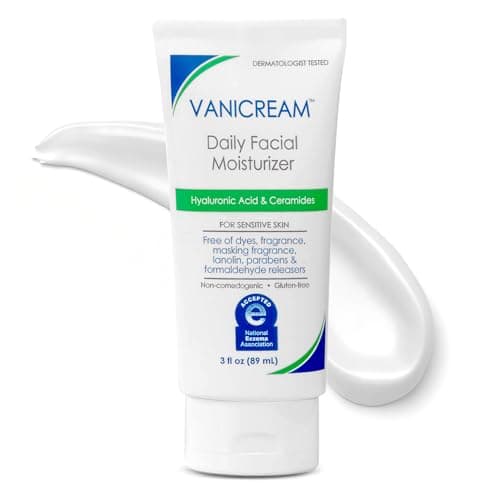
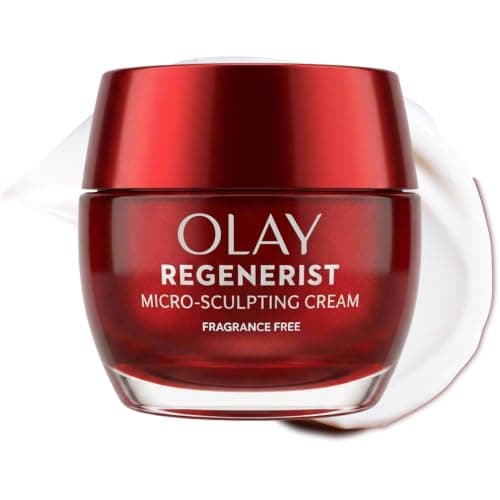
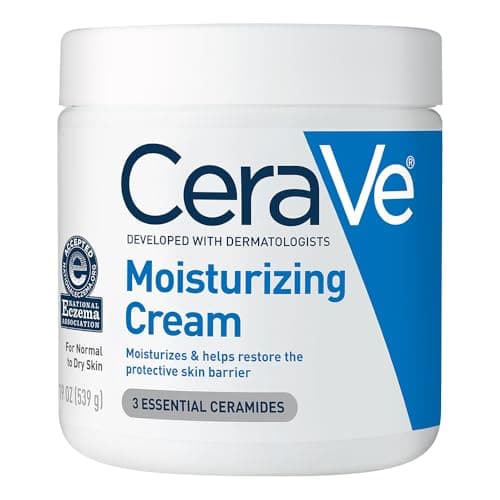
So this roundup is organized by texture rather than by ranking one universal winner, because texture is what determines whether you use the thing twice a day for a year. Four picks: the rich ceramide cream, the everyday facial lotion, the lightweight option for oily skin, and the one aimed at firmness. Each is decoded from its published ingredient list — we do not lab-test, and we say so on every page.
Match the texture to the skin, then check the list
| Skin | Texture to buy | What to check on the label |
|---|
| Dry | Rich cream or balm | An occlusive (petrolatum, dimethicone, shea) plus ceramides |
| Oily | Gel or light lotion | Glycerin and niacinamide; no heavy butters, no alcohol denat. up top |
| Combination | Gel-cream or daily lotion | Enough emollient to comfort cheeks without loading the T-zone |
| Sensitive | Whatever texture suits, fragrance-free | Short list, no fragrance or essential oils, no drying alcohol |
| Mature | Cream | Ceramides plus niacinamide; treat peptide claims as modest |
If you want to run this check on something we have not covered, the method is in how to read a skincare ingredient list. The two shortcuts that catch most bad buys: fragrance in the top half of the list on a product for sensitive skin, and a "rich" cream whose only occlusive appears below the preservatives.
If your skin is oily, the texture question is the whole question and the answer is narrower than this page's ranking suggests — a lotion or a gel, not the tub, and nothing slippery enough to move your sunscreen around. Our best moisturizer for oily skin page ranks that shortlist against a rubric built for it.
The application detail that outperforms upgrading your cream
Apply it to damp skin, within about a minute of washing. You are sealing water that is already there rather than asking the formula to supply it, and on dry skin the difference is larger than the difference between our cheapest and most expensive pick. Nobody sells this advice because there is no product attached to it.
Do you need a separate night cream?
No. "Night cream" is a texture and a price point, not a category — it usually means a richer version of a day cream, sometimes without sunscreen-compatible silicones. There are two genuine reasons to own a second, heavier product: your skin is much drier in winter, or you use a retinoid and want a thicker buffer over it. Otherwise one moisturizer, twice a day, is the whole answer. What a day cream should not be relied on for is sun protection — an SPF 15 moisturizer is not a substitute for the sunscreens we rank separately.
What a moisturizer cannot do
It cannot remove wrinkles. It can hydrate the outer layers so fine lines look shallower, which is a real and immediate cosmetic effect that reverses when you stop. Structural change in fine lines comes from retinoids and from not accumulating further sun damage, and the anti-aging options are ranked in best anti-aging skincare.
It also cannot fix acne, though the right one helps a great deal — a non-comedogenic, fragrance-free moisturizer is what makes a benzoyl peroxide or retinoid routine tolerable. And it cannot compensate for a stripping cleanser. If your skin feels tight after washing, the cleanser is the problem, and no moisturizer fully undoes it.
Price, honestly
The gap between our cheapest pick and our most expensive is real but it is a gap in texture, packaging and finish — not in barrier repair. The best-formulated moisturizer in this roundup is also the cheapest one, and that is not a coincidence: the ingredients that matter (glycerin, ceramides, dimethicone, fatty alcohols) are commodity materials. What money buys in this category is elegance. Buy elegance if you value it; just do not believe you are buying a better barrier.