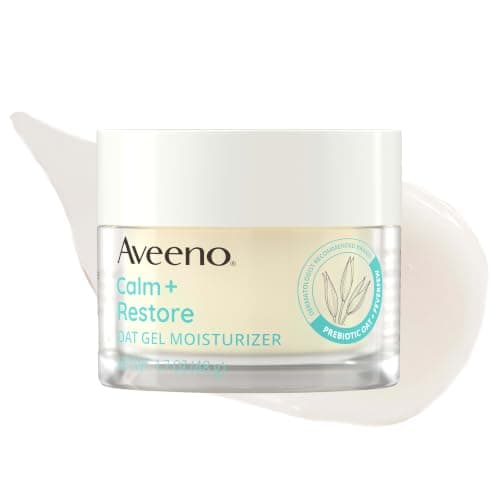
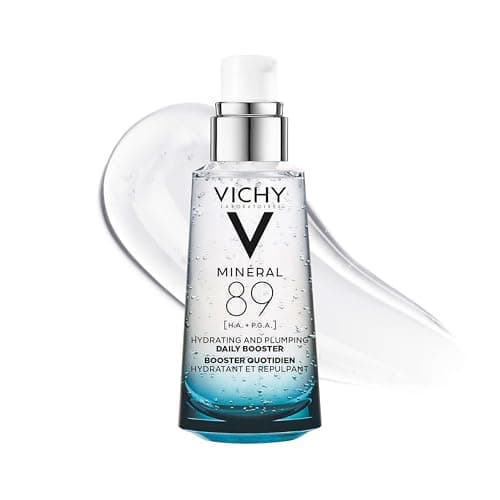
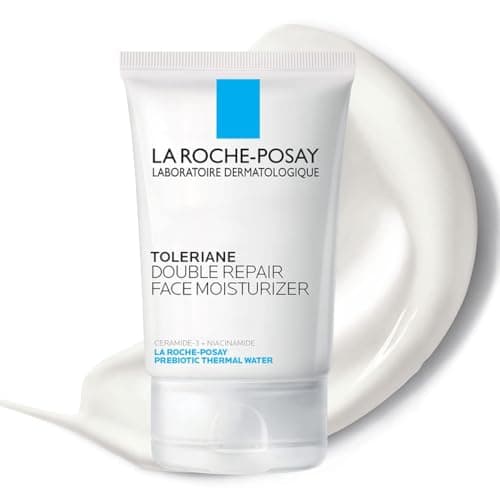
Buy La Roche-Posay Toleriane Double Repair if you want one moisturizer for morning and night. It is a lotion rather than a cream, it carries ceramide-3 and niacinamide, it absorbs in under a minute, and it layers under sunscreen without pilling — which is the whole test for oily skin, because the product that defeats you is the one that balls up under your SPF at 8am. If you run red as well as oily, the Aveeno Calm + Restore Oat Gel is the better buy. If you genuinely cannot stand the feeling of cream on your face, skip to the Vichy Mineral 89 booster and accept the trade: no film, and no sealing either.
This page answers one question — which moisturizer, for oily skin. For the whole routine, that is best skincare for oily skin; for moisturizers ranked without regard to skin type, that is best face moisturizer. This page shares exactly one product with those two, which is the point of writing it separately.
Why the skip-it approach backfires
The logic sounds airtight: skin is producing too much oil, so stop adding more. It fails for a boring mechanical reason. Oil and water are different things. Sebum is a lipid film; hydration is water held in the stratum corneum. You can be greasy at 3pm and dehydrated at the same time, and a great many people with oily skin are exactly that — which is why their skin feels tight after cleansing and shines two hours later.
Strip that film repeatedly with a foaming wash and put nothing back, and you end up with a compromised barrier underneath the oil. That reads as redness, flaking around the nose, and stinging from actives you used to tolerate. Work measuring cosmetics formulated for oily and acne-prone skin tracks sebum, hydration and surface pH as separate parameters, because they move separately — which is the argument for moisturizing oily skin in one sentence. Our damaged skin barrier guide covers what the failure looks like when it happens.
What we ranked on
Four of these five criteria are readable off a label or an ingredient list, which is the only kind of claim we are willing to make. We have not lab-tested anything here and we do not measure sebum.
- Weightlessness. Gel, gel-cream, lotion or cream — and where the emollients and occlusives sit on the ingredient list. A product led by water, glycerin and a light ester behaves nothing like one led by petrolatum and shea.
- Barrier work. Does it contain ceramides, niacinamide, panthenol or colloidal oat, or is it purely humectant? A humectant alone is a hydration step, not a moisturizer, and in dry air it can leave skin tighter than before.
- Under sunscreen. The practical killer. Slippery or silicone-heavy finishes make sunscreen roll and pill, and a sunscreen you abandon is a worse outcome than any moisturizer decision you could make.
- Fragrance screen. Fragrance-free or not. Oily skin is frequently also acne-prone and using actives, and fragrance is the most common avoidable irritant in a leave-on product.
- Value. Price per ounce for something you will apply twice a day forever, not the sticker price.
One thing we deliberately did not rank on: mattifying claims. Silica and starch blur shine for an hour or two and change nothing about sebum output. If matte is the goal, the honest lever is the finish of your sunscreen, which is why best sunscreen for oily skin is its own page.
What is actually in each bottle
Built from the published ingredient listings rather than from our impressions. The column that decides most purchases is the third one.
| Product | Format | Seals as well as hydrates? | Fragrance |
|---|
| La Roche-Posay Toleriane Double Repair | Lotion | Yes — ceramide-3, glycerin, light emollients | Fragrance-free |
| Aveeno Calm + Restore Oat Gel | Gel | Lightly — colloidal oat plus a thin emollient phase | Fragrance-free |
| Vichy Mineral 89 Booster | Gel-water | No — humectant and thermal water only | Fragrance-free |
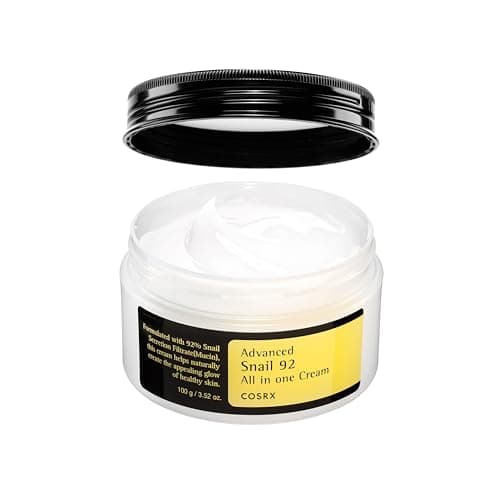
| COSRX Snail Mucin 92% | Gel-cream | Yes — the most occlusive pick here | Fragrance-free |
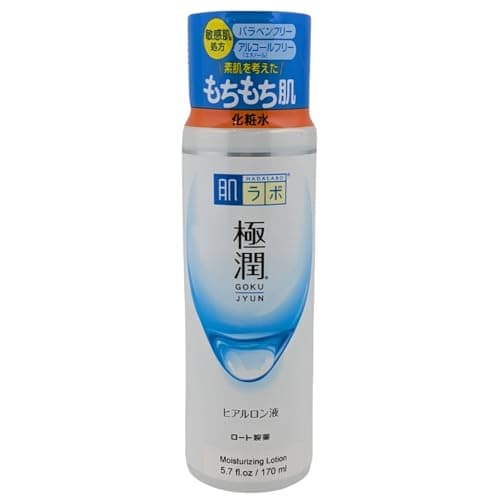
| Hada Labo Gokujyun Lotion | Watery lotion | No — three hyaluronic acids and nothing to hold them in | Fragrance-free |
Oily, or dehydrated-and-oily?
Worth five seconds before you buy. Cleanse, put nothing on, and wait an hour. If your skin feels slack and slightly crepey while your T-zone is already shining, you are dehydrated as well as oily — and the humectant-only picks will feel transformative for about four hours and then leave you tight. That combination wants the lotion or the gel, something with both a water-holder and a lipid. If your skin feels plump and simply greasy, the booster or the Japanese lotion is enough and a cream will only sit there. Our skin type guide walks the same test in more detail.
Two habits that matter more than which bottle you pick
Stop over-cleansing. Two washes a day with a gel cleanser is the ceiling. A third wash because you felt shiny at lunch is the most reliable way to make oily skin worse, and the cleanser you choose is a bigger lever on how your skin behaves than the moisturizer that follows it.
Moisturize before the damage, not after it. If you use a retinoid or an acid, the moisturizer is what buys you tolerance. Skipping it to stay matte is how people conclude they cannot use retinol at all.
How we picked
We did not lab-test this gear
Everyone in this category says they tested twenty products. We have not lab-tested any of these, and we say so. What we did instead: compiled the published specifications, decoded the ingredient (INCI) lists active by active, ran the math where there was math to run, and scored each product against a published rubric. The scores are judgments from documented research — not measurements we took, because we do not have a lab and we will not pretend we do. Where a number came from someone else's work, we name them in Sources.