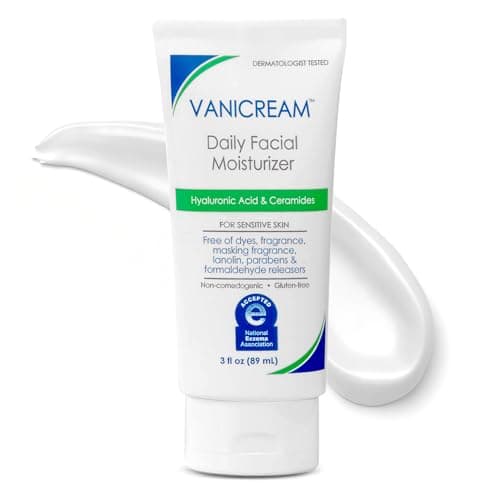
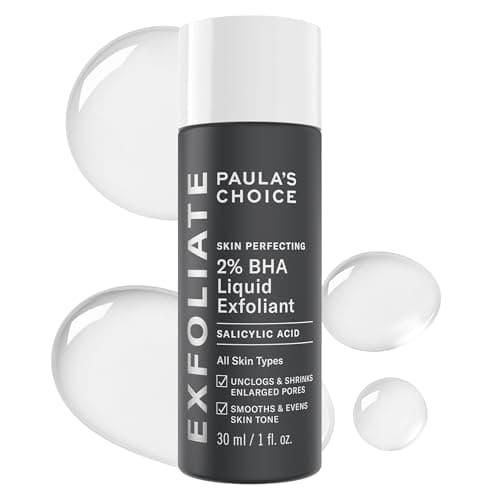
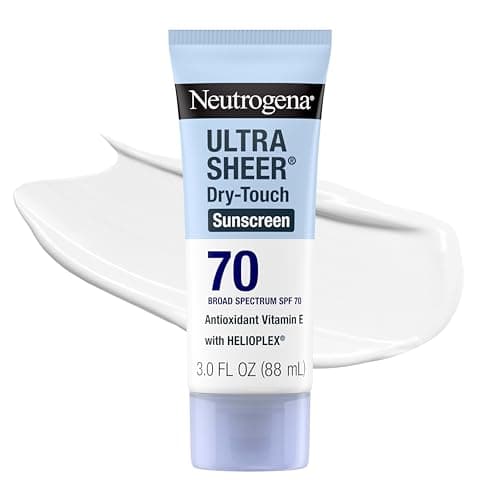
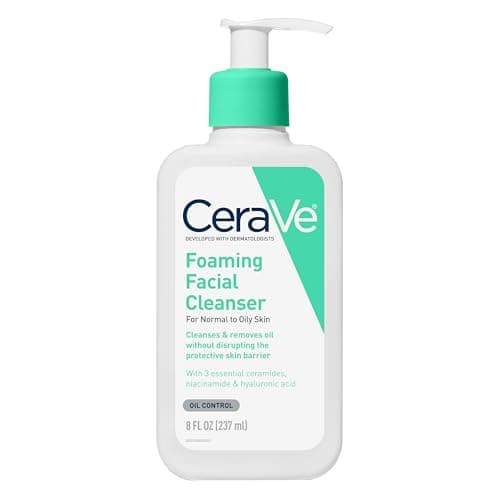
Oily skin is the category where marketing and dermatology disagree most sharply. The marketing answer is to absorb, mattify and strip. The dermatology answer is that sebum output is driven by hormones and genetics, that stripping the surface makes the barrier leaky, and that a leaky barrier produces more visible oil, not less. Every product below was chosen on the second premise.
What that means in practice: we did not rank on how matte something claims to leave you. We ranked on whether the cleanser removes sebum and sunscreen without leaving skin squeaking, whether the moisturizer is light enough that an oily face will actually use it daily, whether the exfoliant is at a concentration and pH where salicylic acid genuinely works, and whether the sunscreen still looks acceptable at four in the afternoon. Four slots, four picks, no filler.
One clarification before the table, because it changes which of these you need. Oily is not the same as acne-prone. If your problem is shine, enlarged-looking pores and blackheads, this page is the right one. If you have inflammatory breakouts — red, sore, raised — you want a dedicated treatment active, and best skincare for acne is where that lives. The step-by-step version of everything here is in our oily skin routine.
How we picked for oily skin specifically
Four criteria, applied to every candidate's published INCI list. First, does the cleanser strip? Sulfate-led surfactant systems with no barrier ingredients score badly regardless of how satisfying the foam is. Second, is the moisturizer light enough to be used daily — because the best formula in the world scores zero if an oily face skips it. Third, is the active at a working concentration? A 0.5% salicylic acid in a rinse-off product is a very different proposition from 2% in a leave-on liquid. Fourth, does the sunscreen still look acceptable hours later, because reapplication only happens if the first application was tolerable.
What we deliberately ignored: the words "oil-free," "mattifying" and "pore-minimizing." The first describes an absence, not a benefit. The second is silica or clay doing a temporary cosmetic job. The third is not physically achievable — see below.
The label reads that actually matter
| What to look for | Why it matters for oily skin |
|---|
| Niacinamide (4–10%) | The one common active with published work behind reducing sebum appearance and pore visibility. See our niacinamide guide. |
| Salicylic acid (0.5–2%) | Oil-soluble, so it clears the inside of a pore rather than the surface. The useful leave-on range. |
| Gel or lotion, not cream | Texture is the whole compliance problem. A moisturizer you skip does nothing. |
| Alcohol denat. in the top three | A red flag. The instant matte effect is evaporation, and the rebound shine follows in a couple of hours. |
| Ceramides / glycerin present | Barrier support is what stops the strip-and-rebound cycle that keeps oily skin oily. |
If you want to run this check yourself on a product we have not covered, the method is in how to read a skincare ingredient list.
What no product can do
Shrink your pores. Pore diameter is anatomical and largely genetic. What changes is how visible a pore is, which depends on whether it is packed with oxidized sebum — which is exactly the job a BHA does. Any product claiming to close or shrink pores is describing a temporary tightening.
Stop sebum production. Topicals can modestly influence how oily skin looks. Meaningfully reducing how much sebum you produce is a prescription-medicine conversation, not a skincare-aisle one.
Fix it in a week. The BHA needs three to four weeks to show on texture, and the barrier repair that reduces rebound shine takes a similar period. If you have been over-washing for years, the first fortnight of a gentler routine can even look worse before it settles.
What to buy first if you only buy one
The cleanser. It is the step you do twice a day, it is the step most likely to be actively harming you right now, and it is under fifteen dollars. Buy the moisturizer second, the sunscreen third, and the BHA last — the exfoliant is the most satisfying purchase and the least important one, and adding it to a stripped, irritated face is how people conclude that acids do not work for them. If cost is the binding constraint, our drugstore picks cover every slot here for less.
Two slots have their own page now, because oily skin is where the general answer stops being the right one. Our best moisturizer for oily skin ranks the lightest options on weightlessness and how they behave under SPF, and best sunscreen for oily skin ranks on finish, which is the thing that decides whether you are still wearing sunscreen in August.