Combination skin is the most common skin type and the worst served, because almost every product is marketed at one extreme or the other. The instinct is to run two routines — a stripping one on the forehead and nose, a rich one on the cheeks. That is nearly always the wrong move: stripping the T-zone makes it oilier, and heavy creams on cheeks that are only mildly dry tend to congest the border zones.
The routine that works is a single, moderate one built out of textures rather than skin-type labels. A cleanser that removes oil without leaving anything tight. A lightweight lotion moisturizer instead of a cream or a gel. One niacinamide serum, which moderates oil and supports the barrier at the same time — which is exactly the double job combination skin needs. A sunscreen with a finish that neither adds shine nor sits dry on the cheeks. Then, if the T-zone still congests, a BHA two nights a week on the T-zone only.
Five picks below, ranked on how well each one serves both halves of the face at once. Every product here is fragrance-free or close to it, because the cheek side of combination skin is usually the reactive side. If your skin skews clearly one way, our oily skin and dry skin roundups will fit you better.
The short answer
Quick picks
| # | Product | Best for | Score | Price |
|---|
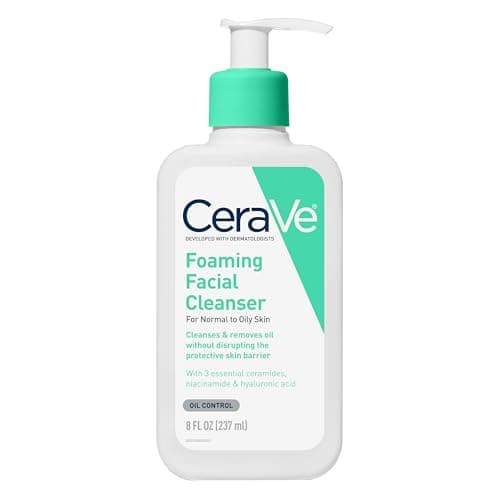
| 01 | CeraVe Foaming Facial CleanserThe rare foaming cleanser that clears the T-zone without leaving cheeks tight. Ceramides and niacinamide in a gel-foam base — it removes oil and then gives something back, which is the whole combination-skin brief in one bottle. | Best cleanser | | $12.37·Amazon |
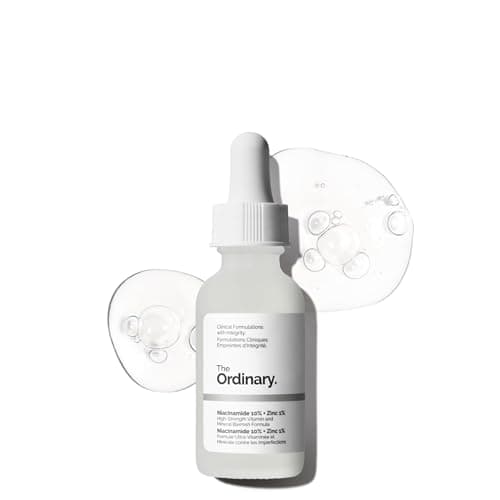
| 02 | The Ordinary Niacinamide 10% + Zinc 1%The single most useful active for combination skin, because it works both problems at once — it moderates sebum in the T-zone and supports barrier function on the cheeks. And it costs six dollars. | Best serum for both zones | | $6.00·Amazon |
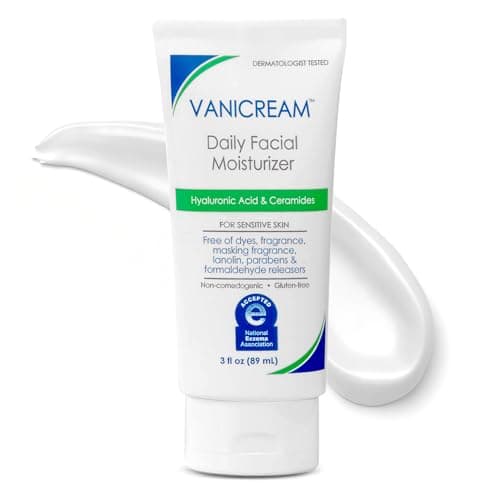
| 03 | Vanicream Daily Facial MoisturizerA lotion rather than a cream or a gel, which is exactly the middle texture combination skin needs. No fragrance, no dyes, no essential oils, nothing that will annoy the dry side or overload the oily side. | Best moisturizer | | $13.97·Amazon |
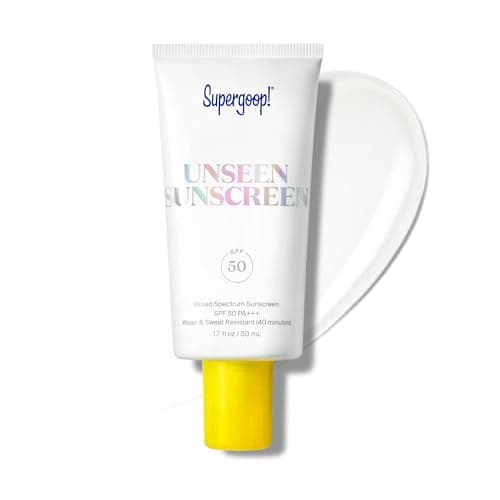
| 04 | Supergoop! Unseen Sunscreen SPF 50A clear gel that dries down to a genuine matte grip — no white cast on the cheeks, no added shine on the forehead. It is the most expensive thing in this roundup and the one most likely to make you wear SPF daily. | Best sunscreen | | $38.00·Amazon |
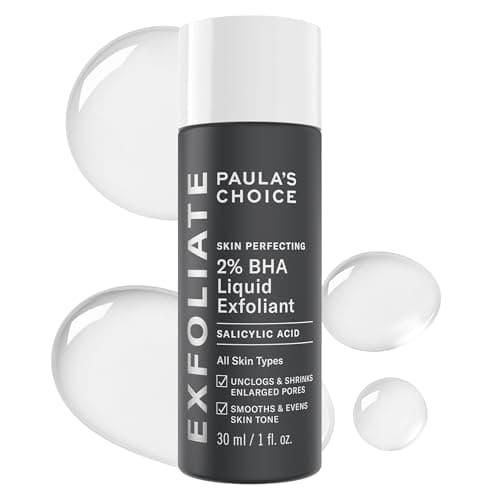
| 05 | Paula's Choice 2% BHA Liquid ExfoliantThe one product in this routine you should apply to part of your face rather than all of it. Two nights a week on the T-zone only clears the congestion combination skin gets there, without touching the cheeks that do not need it. | Best T-zone treatment | | $15.00·Amazon |
#ad · Live prices from the Amazon Product API, as of October 19, 2026. Where we have no verified live price, we show none — a gap beats a number that has rotted.
In detail
The picks, in full
Best cleanser
CeraVe Foaming Facial Cleanser
Gel-to-foam3 ceramidesNiacinamideFragrance-free
The rare foaming cleanser that clears the T-zone without leaving cheeks tight. Ceramides and niacinamide in a gel-foam base — it removes oil and then gives something back, which is the whole combination-skin brief in one bottle.
- Ingredients
- 9
- Cleansing
- 9
- Gentleness
- 8
- Texture
- 9
- Value
- 9
Pros
- +Genuinely degreases the T-zone without a squeaky finish
- +Ceramides mean cheeks are not stripped in the process
- +Fragrance-free and non-comedogenic
- +Very low cost per wash in the large bottle
Cons
- −Still a foaming cleanser — in a hard-water area, cheeks may want a cream cleanser at night
- −Pump on the large bottle can be temperamental
Don't buy this if…
…your cheeks are properly dry rather than slightly dry — step down to the hydrating (non-foaming) version of the same cleanser.
Best serum for both zones
The Ordinary Niacinamide 10% + Zinc 1%
10% niacinamide1% zinc PCA1 fl ozFragrance-free
The single most useful active for combination skin, because it works both problems at once — it moderates sebum in the T-zone and supports barrier function on the cheeks. And it costs six dollars.
- Ingredients
- 9
- Efficacy
- 9
- Gentleness
- 8
- Texture
- 7
- Value
- 10
Pros
- +Does the oil job and the barrier job in one step, which is unusual
- +Cheap enough to use over the whole face rather than rationing it
- +No fragrance and nothing photosensitizing
Cons
- −Tacky finish that combination skin sometimes reads as extra oil
- −10% can sting on the cheek side if the barrier is already unhappy
Don't buy this if…
…your cheeks are currently irritated — use it on the T-zone only for a fortnight, then expand.
Best moisturizer
Vanicream Daily Facial Moisturizer
Lotion textureFragrance-freeDye-freeCeramides + HA
A lotion rather than a cream or a gel, which is exactly the middle texture combination skin needs. No fragrance, no dyes, no essential oils, nothing that will annoy the dry side or overload the oily side.
- Ingredients
- 8
- Hydration
- 8
- Gentleness
- 10
- Texture
- 8
- Value
- 8
Pros
- +Sits perfectly between a gel that is not enough and a cream that is too much
- +Free of the five things most likely to irritate reactive cheeks
- +Absorbs matte enough to wear under sunscreen without sliding
Cons
- −Plain and unexciting — no glow, no finish, no experience
- −Genuinely dry cheeks in winter may want something richer at night
Don't buy this if…
…you want a moisturizer that does more than moisturize. This one has no actives and is not pretending to.
Best sunscreen
Supergoop! Unseen Sunscreen SPF 50
SPF 50 chemicalClear gelMatte finishFragrance-free
A clear gel that dries down to a genuine matte grip — no white cast on the cheeks, no added shine on the forehead. It is the most expensive thing in this roundup and the one most likely to make you wear SPF daily.
- Protection
- 9
- Finish
- 10
- Gentleness
- 8
- Texture
- 9
- Value
- 5
Pros
- +The finish problem that stops combination skin wearing sunscreen, solved
- +Works as a makeup primer, which removes another excuse to skip it
- +No white cast at any skin tone
Cons
- −Expensive per ounce, and you should be using a lot of it
- −Silicone-heavy feel that some people dislike
Don't buy this if…
…cost is the thing keeping you from daily SPF — a cheaper sunscreen you actually apply beats an elegant one you ration.
Best T-zone treatment
Paula's Choice 2% BHA Liquid Exfoliant
2% salicylic acidOil-soluble BHA4 fl ozFragrance-free
The one product in this routine you should apply to part of your face rather than all of it. Two nights a week on the T-zone only clears the congestion combination skin gets there, without touching the cheeks that do not need it.
- Ingredients
- 9
- Efficacy
- 9
- Gentleness
- 5
- Texture
- 7
- Value
- 8
Pros
- +Salicylic is oil-soluble, so it works inside the pores that actually congest
- +Watery texture makes zone application straightforward
- +One bottle lasts most of a year at twice a week
Cons
- −Easy to overdo — this is the product most likely to tip combination skin into sensitivity
- −Expect three or four weeks of purging before it settles
Don't buy this if…
…your T-zone is shiny but not congested. Oil alone is not a reason to exfoliate; blackheads and bumps are.
Why two routines usually make both zones worse
The logic of zone-specific routines is appealing and the practice rarely survives contact with a real face. Two problems. First, the boundary is not a line — the border areas beside your nose and along the jaw get both treatments, or neither, and they are where congestion shows up. Second, the aggressive half of the plan is usually counterproductive: stripping an oily T-zone triggers more oil, and the rebound is worse than the shine you were treating.
One moderate routine plus one targeted addition — the BHA above, on the T-zone, twice a week — gets you the benefit of zone treatment without the whiplash. That is the entire strategy of this page.
Choose by texture, not by the label on the front
- Cleanser: gel or gel-foam, never a stripping foam and never a heavy balm as your only option. If cheeks feel tight afterwards, the cleanser is too strong.
- Moisturizer: a lotion. Gel-creams under-deliver for the cheeks; rich creams congest the T-zone. Lotion is the compromise that is not a compromise.
- Sunscreen: the finish decides whether you wear it. Matte-drying gels and fluids suit combination skin far better than lotions, which read greasy on the forehead.
The dehydration trap
A great deal of self-diagnosed combination skin is oily skin that has been dehydrated by over-washing. The tell: cheeks feel tight and look dull rather than flaky, and the shine gets worse through the day rather than better. If that sounds like you, do not buy a richer cream — wash less aggressively for two weeks and see what the skin does. Our damaged skin barrier guide covers the reset, and it costs nothing.
What to buy first if you are starting from zero
Cleanser, moisturizer, sunscreen. In that order, and stop there for a month. Add the niacinamide serum next if you want one active. Add the BHA last, and only if the T-zone is genuinely congested rather than merely shiny. The full sequence for a combination routine is laid out in the routine order guide, and if you want the shortest defensible version of a routine at all, our best skincare routine guide makes that case.
How we picked
We did not lab-test this gear
Everyone in this category says they tested twenty products. We have not lab-tested any of these, and we say so. What we did instead: compiled the published specifications, decoded the ingredient (INCI) lists active by active, ran the math where there was math to run, and scored each product against a published rubric. The scores are judgments from documented research — not measurements we took, because we do not have a lab and we will not pretend we do. Where a number came from someone else's work, we name them in Sources.
Questions
Frequently asked
What is combination skin, exactly?+
An oily T-zone — forehead, nose, chin — with normal-to-dry cheeks. It is the most common skin type. The distinguishing feature is that one area shines within a few hours of washing while another feels tight, on the same day, in the same weather.
Should I use different products on different parts of my face?+
Mostly no. One moderate routine over the whole face, plus one targeted treatment such as a BHA on the T-zone twice a week, works better than two full routines. The border zones between areas are where dual routines cause problems.
What kind of moisturizer is best for combination skin?+
A lotion. Gel-creams tend to be too light for the cheeks and rich creams congest the T-zone; a lotion texture with humectants and a modest amount of emollient serves both. Fragrance-free is worth insisting on, since the cheek side is usually the reactive side.
Why does my T-zone get oilier when I use a strong cleanser?+
Because stripping surface oil does not reduce the oil your skin makes — it just removes the signal that there is enough. Skin frequently over-corrects. A gentler cleanser used twice a day almost always produces less shine after a couple of weeks than a harsh one.
Do I need a separate eye cream with combination skin?+
No more than anyone else does. The area around your eyes is thin and dry regardless of what the rest of your face is doing, so a small amount of your regular moisturizer usually covers it. Our eye cream roundup is honest about the limits of the category.
Receipts
Sources
We do not run a testing lab, and we do not pretend to. Where a measured number came from someone else's work, we name them and link them. Where we could not verify something, we say so on the page rather than quietly leaving it out. Read our full method.