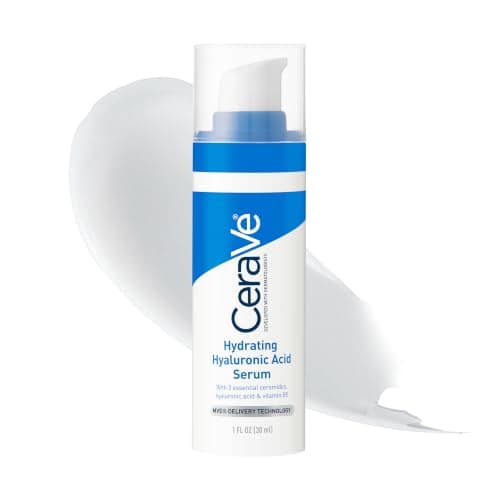
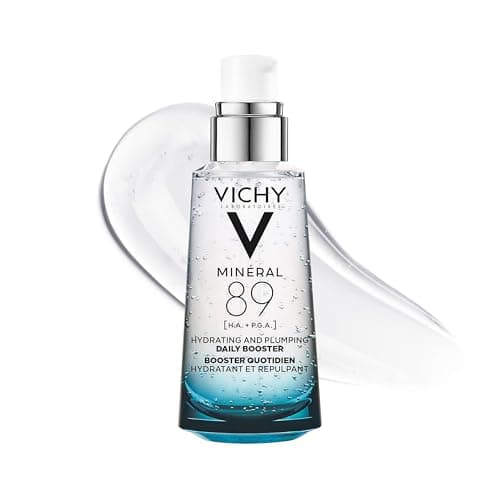
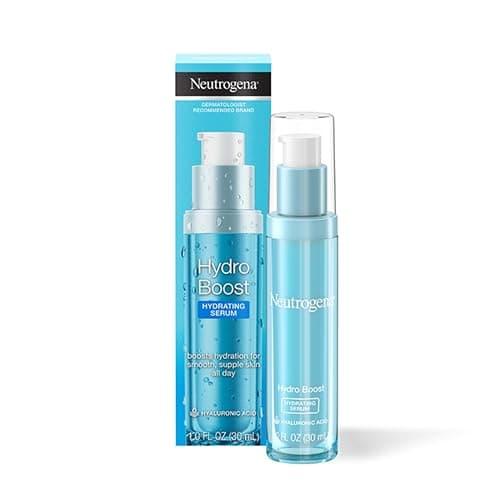
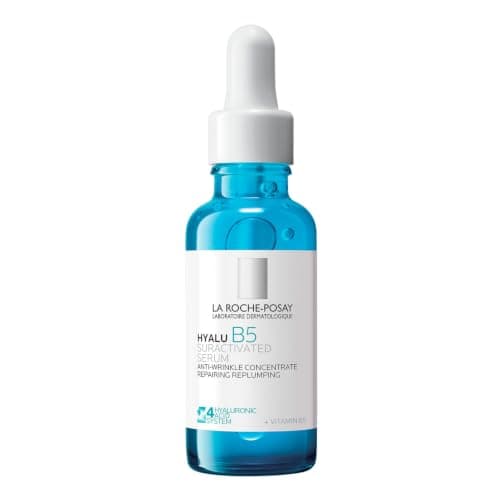
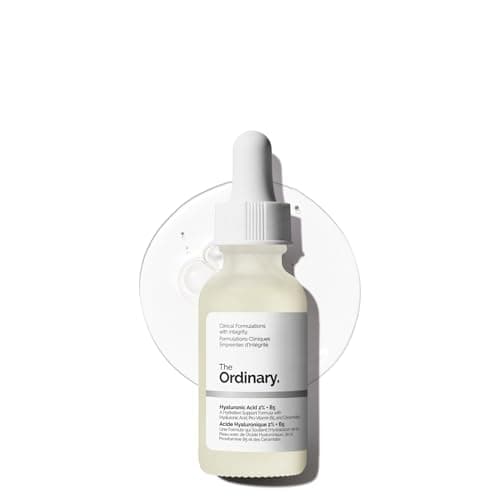
A hyaluronic acid serum is a humectant: it pulls water into the top layers of your skin and holds it there. That makes skin look plumper and feel softer within minutes, and it is genuinely useful — but only if you seal it with a moisturizer afterwards. Applied to damp skin and covered, HA is excellent. Applied to dry skin, in dry air, with nothing on top, it can pull moisture out of the deeper layers and leave you tighter than before.
That single rule explains almost every "hyaluronic acid made my skin worse" post you will ever read. It is not a bad ingredient; it is an ingredient with a usage instruction that nobody prints on the bottle. Damp skin, then serum, then moisturizer. In a dry winter apartment, that third step is not optional.
Below, five serums ranked on the things that actually differ: whether the formula uses more than one molecular weight of HA, what else is in there to hold water (B5, glycerin, ceramides), how it feels under sunscreen, and price per ounce. The mechanism in full is in our hyaluronic acid guide. Fair warning on value: plain glycerin does a version of the same job for pennies, and we say so in the buyer's guide.
The humidity rule
Hyaluronic acid binds water. Where that water comes from depends on the air around you. In humid conditions it draws moisture from the atmosphere into your skin, which is the effect everyone is buying. In genuinely dry air — winter heating, airplanes, arid climates — the nearest available water is inside your own skin, and an unsealed HA layer will happily take it. The result feels tight and looks flaky, and it gets blamed on the serum being "bad."
The fix takes five seconds: apply to damp skin, then put a moisturizer over the top before it dries. That gives the HA a reservoir to hold and an occlusive layer to stop it evaporating. If you only take one thing from this page, take that.
Molecular weight, and how much of it is marketing
High-molecular-weight HA sits on the surface and forms a smoothing film; lower weights penetrate a little further into the outer layers. Formulas that use several weights get you both effects, which is why our top pick leads with a complex rather than a single grade — it is the one formulation claim in this category with a plausible mechanism behind it.
Where it becomes marketing is the arms race of naming ever-smaller fragments and implying they reach the dermis. They do not, and if a topical did reach that deep it would be a drug rather than a cosmetic. Treat "penetrates to the deepest layers" as a copywriting flourish.
The uncomfortable comparison: glycerin
Glycerin is a humectant too. It is cheaper, better studied, less humidity-dependent, and it is already in the moisturizer you own. A well-made moisturizer with glycerin high in the ingredient list will do most of what an HA serum does for the price of nothing extra. So the honest position is this: a hyaluronic acid serum is a nice-to-have, not a need-to-have. Buy one because you like the plumping effect and the way it layers, not because your routine is incomplete without it.
How to slot it in
- Order: after cleansing, onto skin still damp, before moisturizer. The routine order guide has the full sequence.
- Frequency: once or twice daily. It is not an active, so there is no tolerance to build and nothing to conflict with.
- Pairing: it sits happily under retinol or an acid and takes some of the sting out of both. That is arguably its best use.
If your skin is dry rather than dehydrated — flaky and rough rather than tight and dull — the serum is the wrong lever. Start with the best skincare for dry skin instead, which fixes the oils rather than the water.
How we picked
We did not lab-test this gear
Everyone in this category says they tested twenty products. We have not lab-tested any of these, and we say so. What we did instead: compiled the published specifications, decoded the ingredient (INCI) lists active by active, ran the math where there was math to run, and scored each product against a published rubric. The scores are judgments from documented research — not measurements we took, because we do not have a lab and we will not pretend we do. Where a number came from someone else's work, we name them in Sources.