Skip to content
Barrier & Bloom

Roundups · Best Skincare

The best face oil is one ingredient, and it is almost never the expensive one

Seven facial oils ranked on the published ingredient list, price per ounce and fragrance load — including two bottles whose formulas we like and whose prices we cannot defend.

By Stephen V.Updated How we review
#ad

We earn a commission when you buy through our Amazon links, at no extra cost to you. It never changes a verdict, and we say so when the cheaper product is the better buy. How this works.

Start with the thing the category never says out loud: a face oil does not hydrate your skin. There is no water in the bottle and no humectant to hold any. An oil is an emollient and a light occlusive — it fills the gaps between surface cells so skin feels smooth, and it slows the water already in your skin from leaving. Applied to bare, dry skin with nothing underneath, it has very little to seal in. That single fact decides how to buy one, where it goes in a routine, and why the expensive tier of this category is so hard to justify.

Because an oil is doing a physical job rather than a biochemical one, the ingredient list is unusually short and unusually honest. Four of the seven products below declare exactly one ingredient. That is not a simplification for the page — it is what the published INCI says. And once you are comparing one-ingredient bottles, there is nowhere for a premium price to hide: the only variables left are how much oil you get, how stable that oil is, and whether anything scented was added.

So this roundup is ranked on four things, in this order. What the INCI actually declares — a single named lipid, or a blend with scent in it. Which lipid family it belongs to, because that decides both the feel on skin and how fast the bottle goes off: a saturated hydrocarbon behaves nothing like an unrefined seed oil. Fragrance and essential-oil load, applying the same screen we use on cleansing balms and men's skincare. And price per ounce rather than price, which in this category reorders the list dramatically — the cheapest bottle here is not the cheapest per ounce, and one prestige bottle turns out to cost about the same per ounce as its budget rival.

Two findings drove the ranking and both are checkable in about a minute. One: our fourth pick and our sixth pick declare the identical single ingredient — Sclerocarya Birrea Seed Oil, cold-pressed marula, nothing else — in the identical bottle size, and at our last price check the second one cost roughly six times as much per ounce. Two:the opposite is also true, which is why "avoid prestige" is the wrong rule. The prestige squalane on this list works out at essentially the same price per ounce as the budget squalane, because it is sold in a much larger bottle. The rule that survives both findings is not about brand tier. It is: read the INCI, then do the division.

The short answer

Quick picks

#ProductBest forScorePrice
01
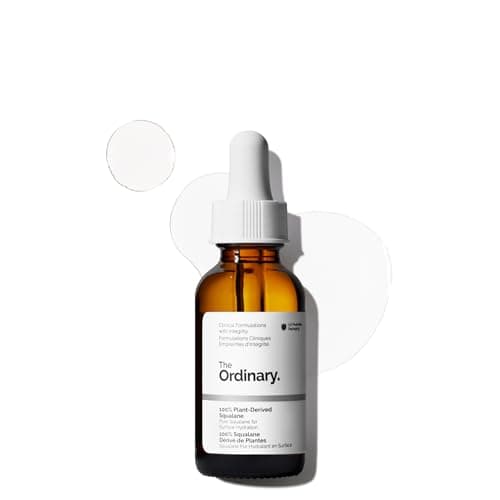
The Ordinary The Ordinary 100% Plant-Derived Squalane
The Ordinary 100% Plant-Derived Squalane

The default, and the hardest face oil in the category to get wrong. One ingredient, no fragrance, and a fully saturated molecule that will not go rancid on your shelf. It is also the lightest thing here by a clear margin, which is the whole reason squalane became the oil that people with oily skin will actually wear.

Best overall
9.2
$10.40Amazon
02
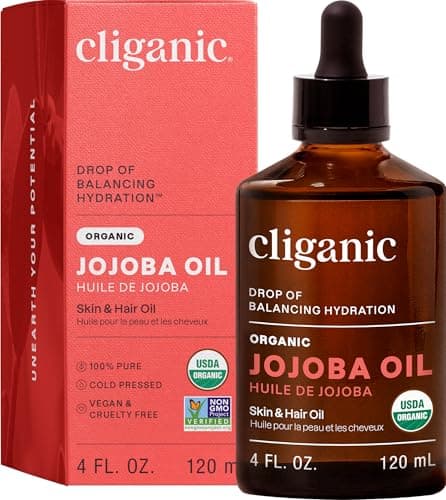
Cliganic Cliganic Organic Jojoba Oil
Cliganic Organic Jojoba Oil

Comfortably the cheapest per ounce on this page, and the pick with the most interesting chemistry behind it. Jojoba is not technically an oil at all — it is a liquid wax ester, the same lipid class as a large share of human sebum, which is why it is the one seed-pressed option that breakout-prone skin routinely tolerates.

Best value, and best for oily skin
9.0
$9.98Amazon
03
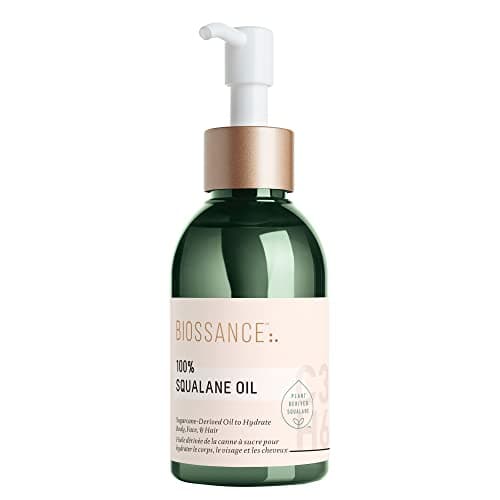
Biossance BIOSSANCE 100% Squalane Oil
BIOSSANCE 100% Squalane Oil

The same single ingredient as our top pick, from sugarcane, in a bottle more than three times the size — and this is the pick that disproves the lazy version of this page's argument. Run the division and the prestige squalane lands at essentially the same price per ounce as the budget squalane. You pay more at the till and not more for the oil.

Best big bottle
8.8
$34.00Amazon
04
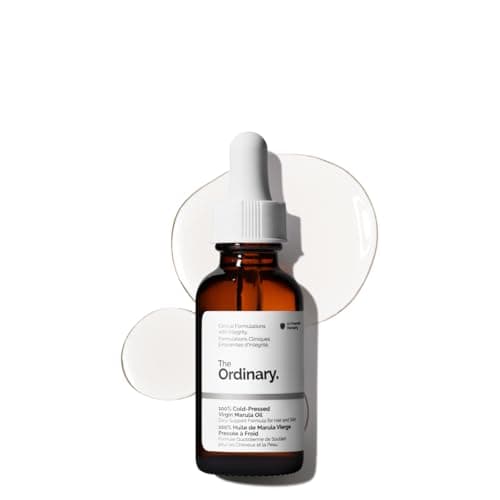
The Ordinary The Ordinary 100% Cold-Pressed Virgin Marula Oil
The Ordinary 100% Cold-Pressed Virgin Marula Oil

An unrefined, single-ingredient marula oil — richer and more cushioning than squalane, and high enough in monounsaturated fat to be reasonably stable for a cold-pressed seed oil. It is also, ingredient for ingredient, the same product as the most expensive bottle on this page.

Best unrefined oil
8.4
$11.40Amazon
05
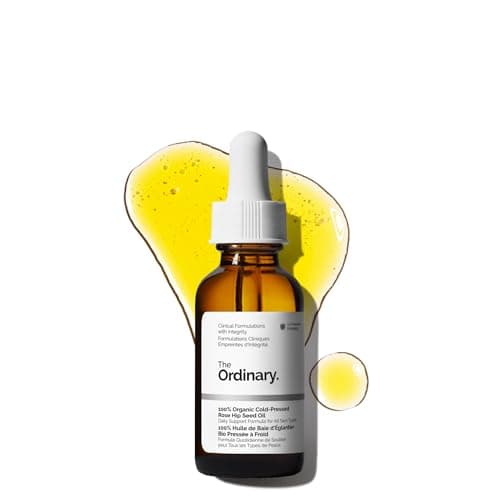
The Ordinary The Ordinary 100% Organic Cold-Pressed Rose Hip Seed Oil
The Ordinary 100% Organic Cold-Pressed Rose Hip Seed Oil

The one people buy for tone and texture, and the one with the shortest clock on it. Rosehip is a single-ingredient, fragrance-free, organic cold-pressed oil — and it is also the most polyunsaturated oil here, which is exactly why it oxidizes faster than everything else on this page.

Best for tone and texture
7.8
$10.90Amazon
06
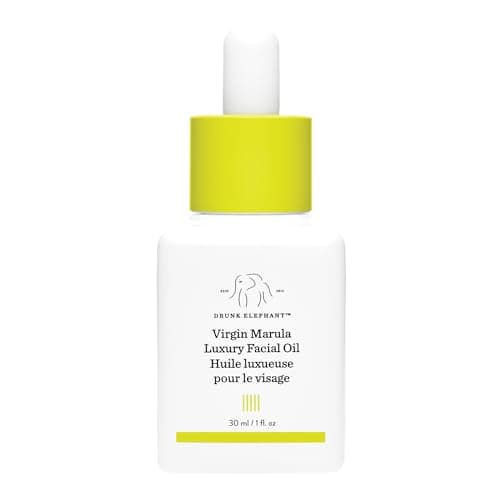
Drunk Elephant Drunk Elephant Virgin Marula Luxury Facial Oil
Drunk Elephant Virgin Marula Luxury Facial Oil

A genuinely good oil we cannot recommend at the price. The published INCI is one line — Sclerocarya Birrea Seed Oil, 100% unrefined — which is character for character the same declaration as our fourth pick, in the same 1 fl oz size, at roughly six times the cost per ounce at our last price check. Nothing is wrong with it. Everything is wrong with the math.

The identical oil, six times the price
6.8
$72.00Amazon
07
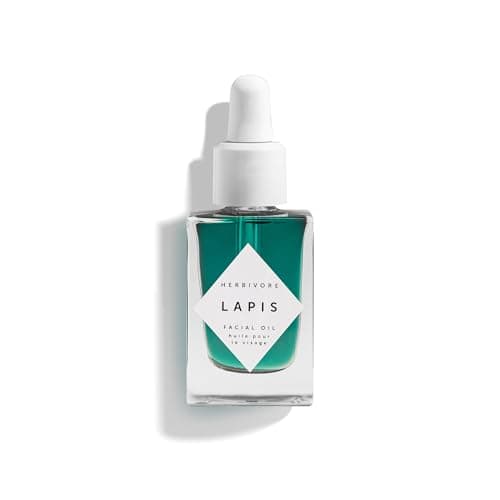
Herbivore HERBIVORE Lapis Facial Oil
HERBIVORE Lapis Facial Oil

The one we would skip, and the reason is on its own label. Lapis is sold as non-comedogenic and safe for oily and acne-prone skin — and its first two ingredients are squalane and jojoba, which are picks one and two on this page. What the price buys on top of those is blue tansy essential oil plus jasmine and rose extracts, which is precisely the load reactive skin does not need.

The one we would skip
5.4
$58.00Amazon

#ad · Live prices from the Amazon Product API, as of Sep 15, 2026. Where we have no verified live price, we show none — a gap beats a number that has rotted.

In detail

The picks, in full

01
The Ordinary The Ordinary 100% Plant-Derived Squalane

Best overall

The Ordinary 100% Plant-Derived Squalane

1 ingredientFragrance-freeFully saturated1 fl oz
9.2/10

The default, and the hardest face oil in the category to get wrong. One ingredient, no fragrance, and a fully saturated molecule that will not go rancid on your shelf. It is also the lightest thing here by a clear margin, which is the whole reason squalane became the oil that people with oily skin will actually wear.

Ingredient list
10
Fragrance screen
10
Texture
9
Stability
9
Value
8

Pros

  • The published INCI is a single word: Squalane. There is nothing to audit and nothing to react to
  • Saturated hydrocarbon, so it is chemically stable — this is the one oil here that does not have a rancidity clock running
  • Absorbs faster and sits lighter than any seed oil on this page
  • Labeled 100% plant-derived, which answers the one sourcing question worth asking in this category

Cons

  • Pure emollient — no antioxidants, no actives, nothing that changes pigmentation, texture or lines
  • The smallest bottle here, so the low sticker price is not the low price per ounce
  • Glass dropper is fiddly and the bottle is easy to over-pour from

Don't buy this if…

you want the oil to do something. Squalane makes everything underneath it feel better and treats nothing — our squalane guide is explicit that the antioxidant and anti-aging claims on this molecule are overstated.

$10.40View on Amazon

Price as of Sep 15, 2026. Prices change — Amazon's at checkout is the one that counts.

#ad · we may earn a commission from this link to The Ordinary 100% Plant-Derived Squalane

02
Cliganic Cliganic Organic Jojoba Oil

Best value, and best for oily skin

Cliganic Organic Jojoba Oil

1 ingredientFragrance-freeLiquid wax ester4 oz
9.0/10

Comfortably the cheapest per ounce on this page, and the pick with the most interesting chemistry behind it. Jojoba is not technically an oil at all — it is a liquid wax ester, the same lipid class as a large share of human sebum, which is why it is the one seed-pressed option that breakout-prone skin routinely tolerates.

Ingredient list
9
Fragrance screen
10
Texture
7
Stability
9
Value
10

Pros

  • By a wide margin the lowest price per ounce here — a fraction of what the single-ingredient bottles in 1 oz droppers cost
  • Wax esters are oxidatively stable, so a big bottle is not a liability the way a big bottle of seed oil would be
  • Structurally close to skin's own surface lipids, which is the mechanism behind its reputation on oily skin
  • Cold-pressed, certified organic and declared as a single ingredient

Cons

  • Heavier and slower to absorb than squalane — noticeably more of a film
  • Sold as a general-purpose face, hair and skin oil, so nothing about the packaging is face-specific
  • A 4 oz bottle is far more than a face needs, and every open bottle has a shelf life once you start using it

Don't buy this if…

you want something that disappears in seconds. This sits on skin longer than squalane does, which is the trade for the price and the staying power.

$9.98View on Amazon

$12.9923% off

Price as of Sep 15, 2026. Prices change — Amazon's at checkout is the one that counts.

#ad · we may earn a commission from this link to Cliganic Organic Jojoba Oil

03
Biossance BIOSSANCE 100% Squalane Oil

Best big bottle

BIOSSANCE 100% Squalane Oil

1 ingredientFragrance-freeSugarcane-derived3.3 oz
8.8/10

The same single ingredient as our top pick, from sugarcane, in a bottle more than three times the size — and this is the pick that disproves the lazy version of this page's argument. Run the division and the prestige squalane lands at essentially the same price per ounce as the budget squalane. You pay more at the till and not more for the oil.

Ingredient list
10
Fragrance screen
10
Texture
9
Stability
9
Value
6

Pros

  • Per ounce it is level with the cheapest squalane on this page, which is not what the shelf price suggests
  • Sugarcane sourcing is named on the label rather than left vague — the sourcing question this molecule actually raises
  • Same one-word INCI and the same chemical stability as our top pick
  • Large enough to use on body and hair without rationing it

Cons

  • Three times the entry price, so you are committing to the format before you know you like the oil
  • Nothing in the bottle justifies the brand gap — it is the same molecule our first pick sells
  • A pump on a body-sized bottle is less controllable on a face than a dropper

Don't buy this if…

you have never used a face oil before. Buy the 1 oz version of the identical ingredient first and size up only once it has earned a permanent slot.

$34.00View on Amazon

Price as of Sep 15, 2026. Prices change — Amazon's at checkout is the one that counts.

#ad · we may earn a commission from this link to BIOSSANCE 100% Squalane Oil

04
The Ordinary The Ordinary 100% Cold-Pressed Virgin Marula Oil

Best unrefined oil

The Ordinary 100% Cold-Pressed Virgin Marula Oil

1 ingredientFragrance-freeCold-pressed, unrefined1 fl oz
8.4/10

An unrefined, single-ingredient marula oil — richer and more cushioning than squalane, and high enough in monounsaturated fat to be reasonably stable for a cold-pressed seed oil. It is also, ingredient for ingredient, the same product as the most expensive bottle on this page.

Ingredient list
10
Fragrance screen
10
Texture
7
Stability
6
Value
9

Pros

  • Declares one ingredient, Sclerocarya Birrea Seed Oil, with nothing added
  • Unrefined, so the minor components that come with the seed are still in it
  • Richer skin-feel than squalane without being an occlusive brick
  • The clearest price lesson on this page: the identical INCI sells elsewhere for several times as much

Cons

  • An unrefined seed oil is a perishable product — it has a real shelf life once opened, and heat and light shorten it
  • Fragrance-free is not the same as odorless; a cold-pressed seed oil smells of the seed
  • Heavier than squalane, so oily skin will notice it more

Don't buy this if…

you will use it twice and forget it. Buy the stable option instead — an unrefined oil left half-used in a warm bathroom for a year is a worse product than the day you bought it.

$11.40View on Amazon

Price as of Sep 15, 2026. Prices change — Amazon's at checkout is the one that counts.

#ad · we may earn a commission from this link to The Ordinary 100% Cold-Pressed Virgin Marula Oil

05
The Ordinary The Ordinary 100% Organic Cold-Pressed Rose Hip Seed Oil

Best for tone and texture

The Ordinary 100% Organic Cold-Pressed Rose Hip Seed Oil

1 ingredientFragrance-freeHigh in polyunsaturates1 fl oz
7.8/10

The one people buy for tone and texture, and the one with the shortest clock on it. Rosehip is a single-ingredient, fragrance-free, organic cold-pressed oil — and it is also the most polyunsaturated oil here, which is exactly why it oxidizes faster than everything else on this page.

Ingredient list
10
Fragrance screen
10
Texture
6
Stability
4
Value
9

Pros

  • One declared ingredient, Rosa Canina Seed Oil, organic and cold-pressed
  • The lipid profile people specifically want in a rosehip oil is intact because it is unrefined
  • Sensible small bottle, which for this particular oil is the right format rather than a limitation
  • Fragrance-free, which is uncommon among products sold on a tone-and-texture promise

Cons

  • The least stable oil here — polyunsaturated fats oxidize fastest, and an oxidized oil is not doing your barrier any favors
  • Rosehip is not a retinoid and is not a substitute for one, whatever the shelf copy around it implies
  • Unrefined seed oil with the smell of the seed still in it
  • Wants a cool, dark cupboard, not a windowsill

Don't buy this if…

you are buying it as an anti-aging active. If lines and pigmentation are the goal, a retinoid does that job and this does not — our retinol guide is the honest version of that conversation.

$10.90View on Amazon

Price as of Sep 15, 2026. Prices change — Amazon's at checkout is the one that counts.

#ad · we may earn a commission from this link to The Ordinary 100% Organic Cold-Pressed Rose Hip Seed Oil

06
Drunk Elephant Drunk Elephant Virgin Marula Luxury Facial Oil

The identical oil, six times the price

Drunk Elephant Virgin Marula Luxury Facial Oil

1 ingredientFragrance-freeCold-pressed, unrefined1 fl oz
6.8/10

A genuinely good oil we cannot recommend at the price. The published INCI is one line — Sclerocarya Birrea Seed Oil, 100% unrefined — which is character for character the same declaration as our fourth pick, in the same 1 fl oz size, at roughly six times the cost per ounce at our last price check. Nothing is wrong with it. Everything is wrong with the math.

Ingredient list
10
Fragrance screen
10
Texture
7
Stability
6
Value
1

Pros

  • One ingredient, no essential oils, no silicones, no added fragrance — the formulation discipline is real
  • Cleanly packaged in an airless pump, which for an unrefined oil is a genuine functional advantage over a dropper
  • The brand publishes the single-ingredient declaration plainly rather than burying it

Cons

  • The same declared ingredient list as a bottle on this page costing a fraction as much
  • An airless pump is a nice-to-have; it is not several times the price of the oil inside it
  • Being unrefined, it carries the same oxidation clock as the cheaper marula, so the premium does not buy longevity either

Don't buy this if…

you are comparing ingredient lists at all. This is the pick where our buyer-first rule bites hardest: the cheaper bottle is not a compromise version, it is the same declaration.

$72.00View on Amazon

Price as of Sep 15, 2026. Prices change — Amazon's at checkout is the one that counts.

#ad · we may earn a commission from this link to Drunk Elephant Virgin Marula Luxury Facial Oil

07
Herbivore HERBIVORE Lapis Facial Oil

The one we would skip

HERBIVORE Lapis Facial Oil

8 ingredientsBlue tansy essential oilSqualane + jojoba base1 oz
5.4/10

The one we would skip, and the reason is on its own label. Lapis is sold as non-comedogenic and safe for oily and acne-prone skin — and its first two ingredients are squalane and jojoba, which are picks one and two on this page. What the price buys on top of those is blue tansy essential oil plus jasmine and rose extracts, which is precisely the load reactive skin does not need.

Ingredient list
6
Fragrance screen
2
Texture
8
Stability
8
Value
3

Pros

  • The base is genuinely well chosen — squalane and jojoba are the two lipids we rank first and second on their own
  • Short list by prestige standards: eight ingredients, all named, none of them filler
  • Tocopherol in the formula is a sensible antioxidant addition for a bottle that contains seed-derived lipids

Cons

  • Tanacetum Annuum (blue tansy) flower oil is an essential oil, and jasmine and rose extracts are on the list for perfuming — on a product marketed to acne-prone and reactive skin
  • 'Non-comedogenic' is not a regulated claim; the FDA keeps no list of approved cosmetic claims and does not review them before sale
  • Several times the price per ounce of buying its own first two ingredients separately
  • The blue color is the tansy, not evidence of anything

Don't buy this if…

you came here because your skin is reactive or breakout-prone. Buy the squalane, or the jojoba, or both — you get the same base lipids without the scented additions, for a fraction of the money.

$58.00View on Amazon

Price as of Sep 15, 2026. Prices change — Amazon's at checkout is the one that counts.

#ad · we may earn a commission from this link to HERBIVORE Lapis Facial Oil

An oil seals; it does not hydrate

Every moisturizing product is some combination of three jobs. Humectants (glycerin, hyaluronic acid, panthenol) pull water into the outer layers. Emollients (squalane, jojoba, plant oils) sit between skin cells and are responsible for the sensation of smoothness. Occlusives (petrolatum, waxes, heavier oils) form a physical barrier that slows water loss. A bottle of pure oil does the middle job and a bit of the third. It cannot do the first, because there is no water in it.

The practical consequence is a rule rather than a preference: an oil goes on damp skin, over your water-based steps, never instead of them. Apply it to a bare, dry face and you have sealed in almost nothing. Apply it after a hydrating serum and a moisturizer and it earns its place. This is also why it sits at the end of the thinnest-to-thickest order — an oil applied early blocks everything lighter that comes after it.

The three lipid families, and why the difference is not cosmetic

Everything on this page belongs to one of three chemical families, and knowing which one you are holding predicts both how it feels and how long it lasts.

  • Saturated hydrocarbons — squalane. Fully saturated, so there are no double bonds for oxygen to attack. That is why squalane has a long shelf life, no smell and the lightest skin-feel here. Our squalane guide covers the chemistry, including the one-letter difference between squalene and squalane that decides all of it.
  • Wax esters — jojoba. Chemically not an oil at all. Jojoba is a liquid wax ester, the same lipid class as a large share of what your own sebaceous glands produce, and wax esters resist oxidation well. That structural similarity is the actual argument for using it on oily skin, and it is a better argument than any marketing claim in the category.
  • Triglyceride seed oils — marula, rosehip. These are the ones with a clock on them. Oxidation risk tracks unsaturation: the more polyunsaturated the oil, the faster it goes off. Marula is dominated by monounsaturated fat and holds up reasonably. Rosehip is the most polyunsaturated oil on this page and is the one most worth buying small, storing dark and finishing.

What the "comedogenic rating" charts actually are

You cannot research face oils for ten minutes without meeting a 0-to-5 comedogenic rating chart, usually presented as settled science. It is worth knowing where those numbers came from. The tables circulating online trace back to an assay run on rabbit ears, published in the Journal of the American Academy of Dermatologyin 1984, whose own authors wrote that the rabbit ear assay "is not an ideal animal model but is the best we have." The same journal had already published a paper two years earlier asking, in its title, whether the rabbit ear model was prophetic of acnegenicity in people at all.

That is not a reason to ignore the concept. Some ingredients really do clog pores in some people. It is a reason to treat a number you read on a chart as a weak prior rather than a verdict, and to give far more weight to a fortnight of your own skin. It also explains why the phrase "non-comedogenic" on a box tells you nothing you can check: the FDA does not approve cosmetic claims before products go on sale and keeps no list of accepted ones, and for the closely analogous term "hypoallergenic" it says plainly that there are no federal standards or definitions governing its use.

Do the division, not the brand comparison

The two price findings on this page point in opposite directions, and that is the useful part. A prestige marula oil turned out to cost roughly six times per ounce what an identically declared bottle costs. A prestige squalane turned out to cost about the same per ounce as its budget rival, because the bottle is more than three times the size. If the rule were "prestige is a ripoff" the second case would break it; if the rule were "you get what you pay for" the first would.

The rule that survives both is mechanical. Read the INCI. If it is one ingredient, there is nothing else to compare, so divide the price by the volume and buy the cheaper one. If it is a blend, work out what the blend adds beyond the base lipids — and be honest that "essential oils" is a subtraction on reactive skin rather than an addition. Our ingredient-list guidecovers where scent hides on a label when it is not spelled "Fragrance."

Which one for which skin

  • Oily or breakout-prone: squalane first, jojoba second. They are the two lightest, most skin-compatible lipids here and both are fragrance-free. Patch one area for a couple of weeks before committing your whole face.
  • Dry, especially in winter: marula, over your moisturizer, at night. It is the most cushioning single-ingredient option and it does not need to be expensive.
  • Reactive or rosacea-prone: a single-ingredient, fragrance-free oil and nothing else. Every essential oil on a label is one more thing to rule in or out later. The rosacea roundup applies the same screen across a whole routine.
  • Using a gua sha or a roller: any of the top four. A stone needs slip, and dragging one across dry skin is the main way people misuse the tool — our gua sha roundup says exactly that and this is the page it should have been pointing at.

How to store one so it is still good in six months

The advice that matters is boring and specific. Buy the size you will actually finish — for an unrefined seed oil, small is a feature. Keep it out of the bathroom window and away from the shower's heat and steam. Close it properly, because oxygen is the reagent here. And trust your nose: an oil that has turned smells sharp and faintly like crayons, and at that point it belongs in the bin rather than on a barrier you are trying to look after. Squalane and jojoba are the two picks here least likely to ever reach that point, which is a quiet argument for both.
How we picked

We did not lab-test this gear

Everyone in this category says they tested twenty products. We have not lab-tested any of these, and we say so. What we did instead: compiled the published specifications, decoded the ingredient (INCI) lists active by active, ran the math where there was math to run, and scored each product against a published rubric. The scores are judgments from documented research — not measurements we took, because we do not have a lab and we will not pretend we do. Where a number came from someone else's work, we name them in Sources.

Questions

Frequently asked

What is the best face oil?
For most people, plain squalane. It is a single ingredient, fragrance-free, chemically stable so it will not go rancid, and the lightest-feeling option in the category — which is why it is the one oil that people with oily skin will actually keep using. If you want the lowest price per ounce instead, jojoba is a fraction of the cost and is the other lipid that suits breakout-prone skin.
Does a face oil moisturize your skin?
Not in the way people assume. There is no water in an oil and no humectant to attract any, so it cannot hydrate — it is an emollient that smooths the surface and a light occlusive that slows water loss. Applied to bare dry skin it has almost nothing to seal in. Use it over a hydrating serum or a moisturizer, not instead of one.
When do you apply face oil in a routine?
Last, or close to it — after your water-based serums and generally over your moisturizer, at night. The thinnest-to-thickest rule puts oils at the end because an oil applied early forms a film that blocks the lighter layers behind it. There is no reason to use one in the morning under sunscreen.
Is face oil bad for oily or acne-prone skin?
Not automatically, but the choice matters more than it does for dry skin. Squalane and jojoba are the two most widely tolerated options — squalane because it is light and closely matches skin's own lipids, jojoba because it is a wax ester rather than a triglyceride. Skip heavy, richly unsaturated oils and anything carrying essential oils, and patch test on one area for a couple of weeks.
Are comedogenic ratings reliable?
Treat them as a weak hint, not a verdict. The 0-to-5 charts everywhere online descend from a rabbit-ear assay published in the Journal of the American Academy of Dermatology in 1984, whose authors described the model as 'not an ideal animal model but the best we have' — and the same journal had already published a paper questioning whether it predicted acne in humans. 'Non-comedogenic' on a box is also an unregulated claim: the FDA does not approve cosmetic claims before sale.
Is an expensive face oil worth it?
Check the ingredient list before you decide, because in this category the answer is unusually easy to work out. Two products on this page declare the identical single ingredient in the identical bottle size, and one of them costs about six times as much per ounce. But the reverse also happens — one prestige squalane here works out at roughly the same price per ounce as its budget equivalent because the bottle is far bigger. Divide price by volume; do not judge by brand tier.
Does rosehip oil work like retinol?
No. Rosehip is a cold-pressed seed oil with a lipid profile people like for tone and texture, and it is not a retinoid. If your goal is fine lines or pigmentation, a retinoid is the ingredient with the evidence behind it and an oil is not a substitute. Rosehip is also the least stable oil on this page, so buy it small and store it dark.
How long does a face oil last once opened?
It depends entirely on which family it belongs to. Squalane is fully saturated and jojoba is a wax ester, so both resist oxidation and keep well. Unrefined seed oils like marula and especially rosehip have a real clock on them once opened, and heat and light speed it up. Buy those in small bottles, keep them cool and dark, and stop using any oil that smells sharp.

Keep reading

Receipts

Sources

We do not run a testing lab, and we do not pretend to. Where a measured number came from someone else's work, we name them and link them. Where we could not verify something, we say so on the page rather than quietly leaving it out. Read our full method.