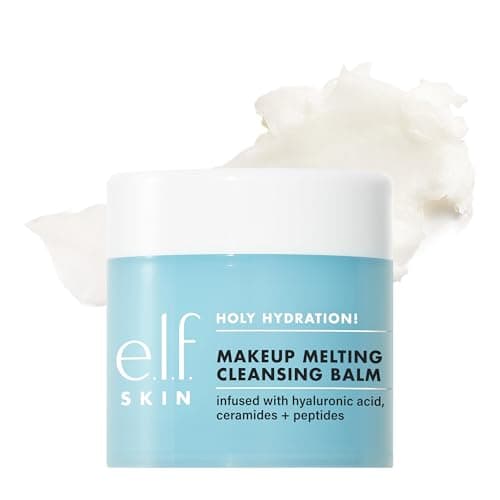
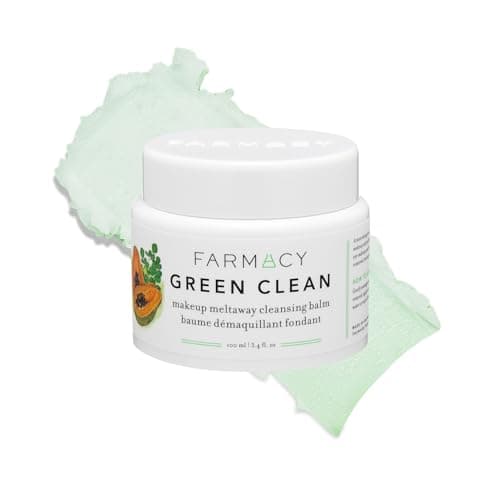
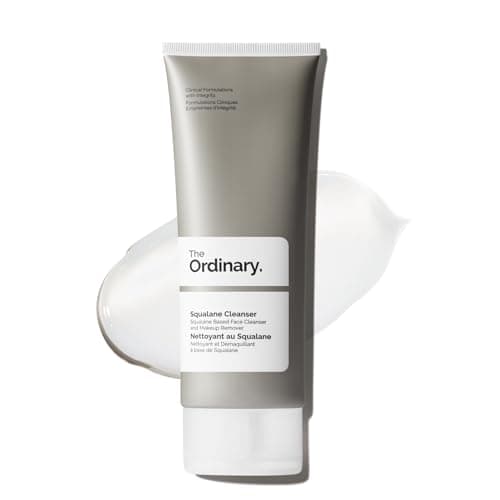
Every page on this site tells you the same thing about the evening wash: the one that matters is the one removing your sunscreen. A cleansing balm is the tool for that job, and it is a genuinely useful product. It is also the category where the gap between what you pay and what you get is at its widest, because the chemistry that makes a balm work is cheap, settled, and almost identical from one jar to the next.
Here is what we found reading the ingredient lists of the seven products below. All four of the solid balms are built on the same two things: a lightweight ester as the oil phase, and PEG-20 glyceryl triisostearate as the emulsifier that lets the whole thing rinse away under water instead of smearing. Two of them — the cheapest balm here and the most expensive — share five of their first six ingredients outright. What separates them is not removal power. It is fragrance, format, container size, and the story on the front of the box.
So we ranked on five things you can verify before you spend anything. Removal power: does it shift a thick mineral sunscreen and long-wear makeup, or only a light day. Whether it rinses clean, which depends entirely on whether the formula contains a real emulsifier — no emulsifier means an oily film and a cloth you now have to wash. Irritation risk, which in this category means one thing: fragrance and essential oils. Format, because a jar you dip fingers into and a pump are not the same hygiene proposition. And cost per ounce, since the spread between the cheapest and dearest option here is severalfold for the same job.
One finding is worth flagging before you scroll: of the seven products on this page, only two are fragrance-free. If your skin is reactive, or your barrier is currently unhappy, that single line filters the category faster than any other. Our damaged skin barrier guide explains why a rinse-off product is still worth being fussy about. Prices below are pulled live and date-stamped.
What a first cleanse is actually for
Sunscreen filters, silicones and long-wear makeup polymers are oil-soluble. A water-based cleanser with a mild surfactant is very good at removing sweat, dust and water-soluble grime, and much less good at removing the film your SPF left behind. An oil or balm dissolves that film on contact, without the scrubbing that a foaming cleanser would need to get halfway there. That is the whole mechanism, and it is why our Korean routine guide calls double cleansing the one habit from that framework worth importing wholesale.
It follows that a first cleanse is a night-only step, and only on nights when you wore something. If you spent the day indoors with nothing on your face, you do not need it — and adding a wash you do not need is exactly the over-cleansing the American Academy of Dermatology warns about. Two washes on a bare face is not thoroughness, it is stripping.
The four ingredients almost every balm is built from
Read the top of any solid cleansing balm and you will see the same architecture. An ester — usually cetyl ethylhexanoate, sometimes ethylhexyl palmitate or caprylic/capric triglyceride — provides the oil phase that does the dissolving. A wax or polyethylene sets it into a solid. And a PEG emulsifier, almost always PEG-20 glyceryl triisostearate, often paired with PEG-10 isostearate, is what lets the balm turn milky under water and go down the drain instead of clinging to your face.
That emulsifier is the single most important ingredient in the product and nobody markets it. A balm without one is just a lump of oil: it will dissolve your makeup and then leave a layer of itself behind, which is why some balms come with a muslin cloth and a set of instructions. Every balm ranked above emulsifies properly. If you are assessing one that is not on this page, that is the ingredient to look for.
Once you know the architecture, the price spread stops making sense. The cheapest solid balm here and the most expensive share five of their first six ingredients, in nearly the same order. You are not paying for a better solvent. You are paying for the botanicals listed after the preservative, the container, and the scent — and our guide to reading an ingredient list explains why anything below the preservative is present in small amounts.
Fragrance is the only line that reliably separates them
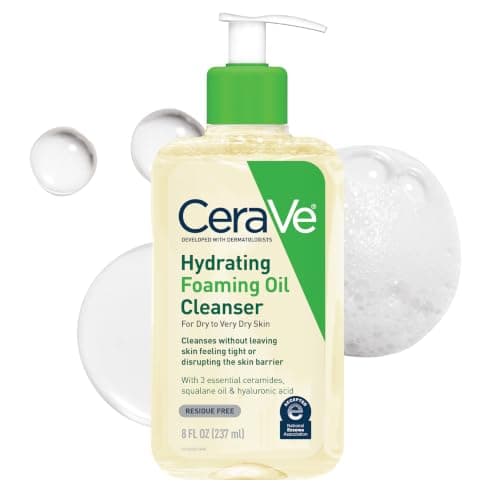
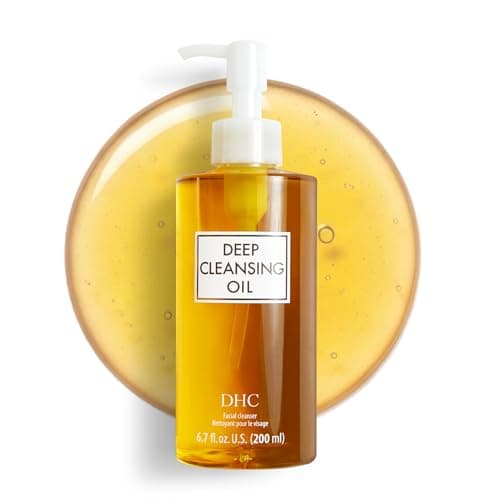
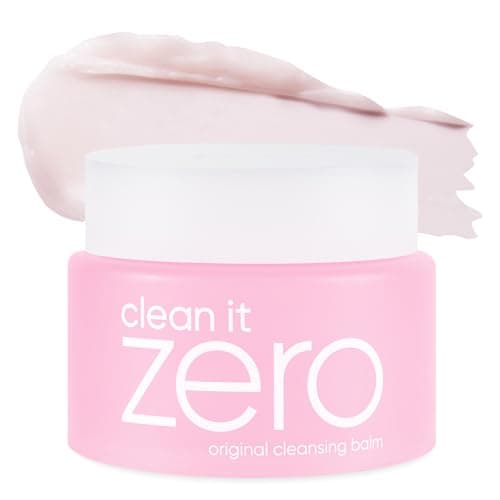
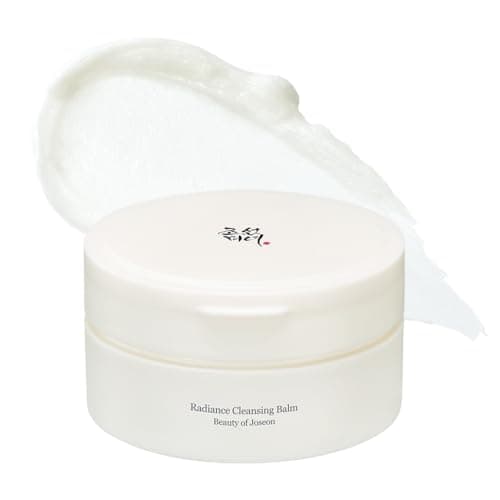
Of the seven products here, two are fragrance-free. The other five carry either a fragrance blend, essential oils, or both: rosemary leaf oil in the DHC, lavender water plus fragrance in the Beauty of Joseon, fragrance in the Banila Co, fragrance with geraniol and linalool in the e.l.f., and six essential oils in the Farmacy. That is not unusual for the category. It is simply the fact you would need in order to choose well, and it is not on the front of any of the boxes.
How much this matters depends entirely on you. A rinse-off product has short contact time, so the risk is genuinely lower than for a leave-on serum, and most people use a fragranced balm for years without incident. But if you have rosacea, eczema-prone skin, or a barrier that is currently unhappy, fragrance in a product you massage into your face for a full minute is an avoidable exposure — and there is no performance penalty for avoiding it, since our two fragrance-free picks are also the top two on this page. The sensitive-skin roundup applies the same filter across the rest of a routine.
Balm, oil, or oil-to-foam
The three formats are not interchangeable, and the right one depends on what you actually put on your face.
- A solid balm is the most controllable. It stays where you put it, does not run into your eyes, and travels without leaking. The trade-off is the jar: fingers go in, and a balm scooped with wet fingers picks up water and organisms.
- A cleansing oil spreads faster over a whole face and is generally the stronger remover, which is why the heaviest-duty pick here is an oil. It comes in a pump, so it is more hygienic, and it is more likely to end up somewhere you did not intend.
- An oil-to-foam cleanser is really a mild surfactant wash carrying oils. It is the gentlest and cheapest option and it removes the need for a second cleanse entirely — but it is the weakest on anything long-wear.
Match the format to your day, not to the marketing. Sunscreen only? The oil-to-foam is enough and saves you a step. Sunscreen plus everyday makeup? A balm. Waterproof mascara or full coverage? An oil, and expect to go over the eyes twice.
How to use one without making things worse
Three mistakes account for almost every bad experience people report with this category, and all three are technique rather than product.
- Start dry. Dry hands, dry face. Water at the start prevents the balm from melting and stops the oil phase reaching the sunscreen it is meant to dissolve.
- Emulsify before you rinse. Add a little water and keep massaging until the balm turns milky and loose. This is the emulsifier doing its job. Skipping it is what leaves the film people blame on the product.
- Then use your normal cleanser. The first cleanse breaks down what water cannot; the second removes it and everything it lifted. Our face cleanser roundup ranks the water-based cleansers for that second step, and the routine order guide shows where the pair sits in a full evening routine.
One more note on the eye area. Balms and oils remove eye makeup better than any water-based product, but they will blur your vision for a minute afterwards and a few of them sting. Keep your eyes closed through the massage and the rinse, and if a product stings persistently, that is a reason to switch rather than to persevere.
What a balm cannot do
Cleansing balms are marketed with a lot of claims that a sixty-second rinse-off product cannot deliver. It cannot brighten, because whatever is doing the brightening needs to stay on your skin. It cannot repair your barrier, though a well-formulated one will avoid damaging it. It cannot "deep clean pores" in the sense the packaging implies — what it can do is remove the oil-soluble film sitting on top of them, which genuinely helps the products that follow reach skin. And it will not shrink a pore, which nothing does. If you want the actives to work, put your money in the leave-on steps and buy the cheapest balm that rinses clean and does not smell of anything.