Yes — use them together, and put the niacinamide on first. Niacinamide is one of the few actives that makes a retinoid easier to tolerate rather than harder, which is why the simplest version of this routine is The Ordinary Niacinamide 10% + Zinc 1% under The Ordinary Retinol 0.2% in Squalane on retinoid nights. If you would rather own one bottle than two, there is a serum on this page that contains both.
The warning you have read — that niacinamide and a retinoid cancel each other out, or combine into something irritating — comes from two different mix-ups, and both are worth naming because they keep circulating.
The first is a confusion between niacinamide and niacin. Niacin (nicotinic acid) causes the famous flush: vasodilation, heat, visible redness. Niacinamide is the amide form and does not do that at any ordinary topical dose. Old laboratory work showed niacinamide can hydrolyse to niacin under heat and extreme pH over time — in a beaker, over long periods, at pH values no finished skincare product sits at. It is not what happens on your face in the thirty seconds between two bottles.
The second is a generalisation from the vitamin C argument. Low-pH L-ascorbic acid and niacinamide genuinely can interact under some conditions, which our niacinamide vs vitamin C page covers in detail. Retinol is not an acid, does not need a low pH to work, and has no comparable interaction. The two arguments got merged, and the retinoid half of it was never supported.
Why the pairing is actively useful
A retinoid's problem is tolerance. It speeds up turnover faster than the barrier can keep up with, which is what dryness, flaking and stinging are. Niacinamide works on exactly that: it supports ceramide production, improves barrier function and reduces the redness that makes people quit in week three. There is a reason so many well-formulated retinol serums — including two on this page — put niacinamide in the same bottle.
What to look for before you buy either
- A stated niacinamide percentage, in the 4-10% band. The research sits around 4-5% for most endpoints. Higher is not better and above 10% a minority of people do flush — which is irritation you will then blame on the retinoid.
- A stated retinol percentage, or encapsulation. Either tells you something useful about how hard the product will hit. Our retinol guide sets out the ladder.
- Fragrance-free on both. You are about to run an active that compromises tolerance; fragrance is the most common avoidable irritant to add on top.
- Thin texture first, thicker second. A water-light niacinamide serum under an oil-based retinol works; the reverse does not absorb.
- Or one bottle that does both, if you know you will not layer two products at bedtime. Fewer steps that get done beats more steps that do not.
The short answer
Quick picks
| # | Product | Best for | Score | Price |
|---|
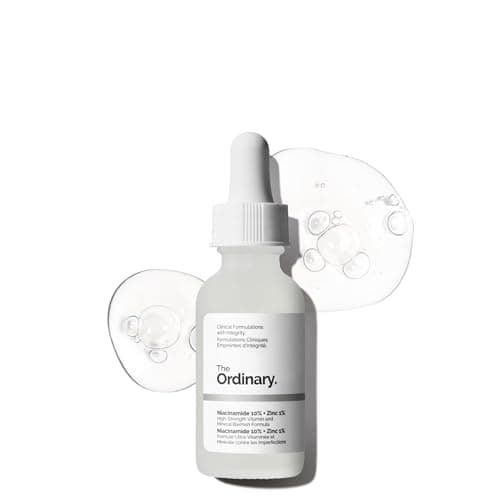
| 01 | The Ordinary Niacinamide 10% + Zinc 1%The cheapest way to put niacinamide under a retinoid. Water-light, fragrance-free, dries in seconds and states both actives on the label. At 10% it is at the top of the useful band, so if you are one of the people who flushes, that is the knob to turn down. | Best niacinamide to layer under a retinoid | | $6.00·Amazon |
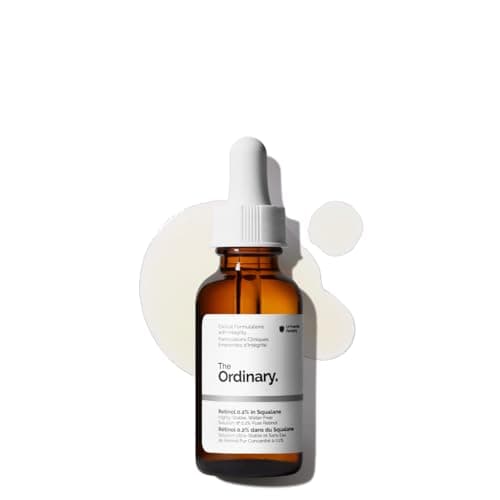
| 02 | The Ordinary Retinol 0.2% in SqualaneThe retinoid half of the pairing, at the strength that makes the whole question easier. An anhydrous squalane base goes on cleanly over a dried niacinamide layer, and 0.2% is low enough that you will find out whether you tolerate the class before you spend real money. | Best retinol for the layered version | | $8.10·Amazon |
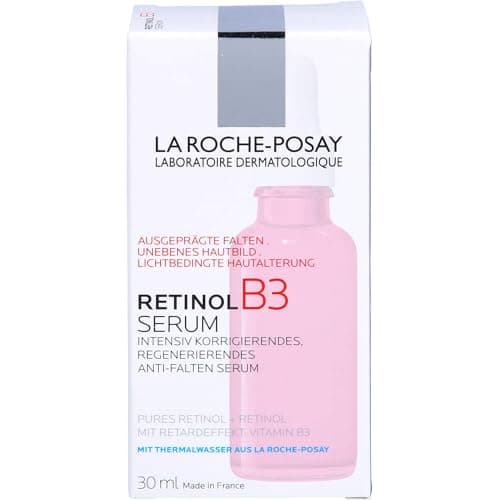
| 03 | La Roche-Posay Pure Retinol B3 SerumThe one-bottle answer, and the strongest practical argument that this combination is fine: a pure-retinol serum formulated with niacinamide in it, by a brand whose whole positioning is tolerance. If you will not layer two products at bedtime, buy this and stop thinking about the order. | Best single product containing both | | $44.99·Amazon |
#ad · Live prices from the Amazon Product API, as of October 18, 2026. Where we have no verified live price, we show none — a gap beats a number that has rotted.
In detail
The picks, in full
Best niacinamide to layer under a retinoid
The Ordinary Niacinamide 10% + Zinc 1%
10% niacinamide1% zinc PCAWater-lightFragrance-free
The cheapest way to put niacinamide under a retinoid. Water-light, fragrance-free, dries in seconds and states both actives on the label. At 10% it is at the top of the useful band, so if you are one of the people who flushes, that is the knob to turn down.
- Formula
- 8
- Results
- 8
- Gentleness
- 6
- Texture
- 7
- Value
- 10
Pros
- +Absorbs in seconds, so it does not hold up the retinol step
- +Both actives and both percentages printed on the bottle
- +Costs almost nothing, which makes the experiment free
- +Zinc PCA is a genuine extra on oily, breakout-prone skin
Cons
- −10% is above the researched band — a minority flush at this dose
- −Slightly tacky for a few seconds before it sets
- −Not fragranced, not elegant: this is a utility serum
Don't buy this if…
…you already know high-dose niacinamide flushes you. Look for a 4-5% formula instead and keep the retinoid.
Best retinol for the layered version
The Ordinary Retinol 0.2% in Squalane
0.2% retinol8-ingredient anhydrous baseStated percentageFragrance-free
The retinoid half of the pairing, at the strength that makes the whole question easier. An anhydrous squalane base goes on cleanly over a dried niacinamide layer, and 0.2% is low enough that you will find out whether you tolerate the class before you spend real money.
- Efficacy
- 6
- Tolerability
- 9
- Formula
- 8
- Texture
- 6
- Value
- 10
Pros
- +Oil base layers cleanly on top of a water-light serum
- +Lowest sensible starting strength, with the number printed
- +No alcohol, no fragrance, nothing to add irritation
- +Cheap enough to pair with anything
Cons
- −Mild by design — not the end of the ladder
- −Takes a minute to settle, which some people dislike at bedtime
- −Dropper packaging and a heat-sensitive active
Don't buy this if…
…you are pregnant or breastfeeding. Topical retinoids are the clear avoid; our retinol vs bakuchiol page covers the alternative.
Best single product containing both
La Roche-Posay Pure Retinol B3 Serum
Pure + gradual-release retinolNiacinamideFragrance-freeAirless pump
The one-bottle answer, and the strongest practical argument that this combination is fine: a pure-retinol serum formulated with niacinamide in it, by a brand whose whole positioning is tolerance. If you will not layer two products at bedtime, buy this and stop thinking about the order.
- Efficacy
- 8
- Tolerability
- 8
- Formula
- 9
- Texture
- 9
- Value
- 5
Pros
- +Both actives in one step, formulated to sit together
- +Airless pump protects an active that degrades in light and air
- +Immediate plus gradual-release retinol in the same serum
- +Fragrance-free and built for reactive skin
Cons
- −Most expensive option on this page
- −Stronger than a starter retinol — introduce it slowly
- −You lose the ability to adjust the two doses independently
Don't buy this if…
…this is your first retinoid. Start with the cheap pair above and move here when you have outgrown it.
The order, and the only two rules that matter
Thinnest to thickest, and let each layer settle. A water-light niacinamide serum goes on first, takes thirty seconds to dry, and the retinol goes over it. That is the whole method. Our routine order page covers where everything else fits, and how long to wait between steps explains why “wait twenty minutes” is folklore in almost every case.
The second rule: introduce one thing at a time. If you start niacinamide and a retinoid in the same week and your face reacts, you have no idea which one did it. Two weeks on the niacinamide alone, then add the retinoid on two nights.
A sensible week
| Night | What you apply |
|---|
| Monday | Niacinamide, then retinol, then moisturizer |
| Tuesday | Niacinamide, then moisturizer |
| Wednesday | Niacinamide, then moisturizer |
| Thursday | Niacinamide, then retinol, then moisturizer |
| Friday to Sunday | Niacinamide and moisturizer; add a third retinoid night once Mondays are easy |
Niacinamide is safe to use every day and morning as well as night. The retinoid is the variable you titrate, and skin cycling is a more formal version of the same idea if you prefer a named schedule.
If it does sting
Stinging is almost always the retinoid, not the pairing. Three things to try, in order: apply your moisturizer before the retinol rather than after; drop to one retinoid night a week for a fortnight; and check whether anything else in the routine is an acid. If your barrier is already compromised — tight, shiny, reactive to everything — stop both and read our barrier guide first. On a damaged barrier, niacinamide alone is the right routine for a few weeks.
Two more things worth knowing. Niacinamide does not make a retinoid work less well — there is no mechanism for that, and the formulated products containing both are the industry voting with their feet. And the retinoid still means sunscreen every morning; see our sunscreen roundup. That is the one part of this routine that is not optional.
How we picked
We did not lab-test this gear
Everyone in this category says they tested twenty products. We have not lab-tested any of these, and we say so. What we did instead: compiled the published specifications, decoded the ingredient (INCI) lists active by active, ran the math where there was math to run, and scored each product against a published rubric. The scores are judgments from documented research — not measurements we took, because we do not have a lab and we will not pretend we do. Where a number came from someone else's work, we name them in Sources.
Questions
Frequently asked
Can you use retinol and niacinamide at the same time?+
Yes. Apply the niacinamide first, let it dry for thirty seconds, then the retinol. There is no meaningful interaction between them, and niacinamide's barrier support makes a retinoid easier to tolerate rather than harder.
Does niacinamide cancel out retinol?+
No. That claim comes from confusing niacinamide with niacin, and from generalising the low-pH vitamin C argument to an active that does not need a low pH. Several well-regarded retinol serums are formulated with niacinamide in the same bottle.
Should I apply niacinamide before or after retinol?+
Before, if they are two products — thinnest to thickest is the rule, and a water-light niacinamide serum is thinner than almost any retinol. If one of your products contains both, the question disappears.
Can niacinamide help with retinol irritation?+
It is one of the few things that genuinely can. Niacinamide supports barrier lipid production and reduces redness, which is exactly the failure mode that makes people abandon retinoids. If you are already irritated, use niacinamide and moisturizer alone for a couple of weeks before reintroducing the retinoid.
How much niacinamide should I use with a retinoid?+
Somewhere in the 4-10% band. The published work clusters around 4-5%, and above 10% a minority of people flush — which you would then blame on the retinoid. A 10% serum is fine for most people and the wrong choice if you already know you react.
Can I use them both in the morning?+
Niacinamide, yes, every morning. Retinol is a night product: it is photosensitising and degrades in light. Keep the retinoid at night and wear sunscreen in the day.
Receipts
Sources
We do not run a testing lab, and we do not pretend to. Where a measured number came from someone else's work, we name them and link them. Where we could not verify something, we say so on the page rather than quietly leaving it out. Read our full method.