Put a pea of the product on the same patch of skin — inner forearm or just in front of the ear — once a day for five to seven days, and only then put it on your face. A single application left overnight is the version everybody does, and it is the version that misses the reaction that matters: allergic contact dermatitis usually needs repeated exposure before it shows up. The three products on this page are not what you patch test — they are what makes it survivable when a test goes wrong.
We tell readers to patch test on almost every page of this site and we have never had a page explaining how. This is that page.
The two different things a patch test catches
Irritation is dose-dependent and happens to anyone with enough of a substance. A 10% acid stings a lot of people; that is not an allergy, it is chemistry, and it typically shows up within minutes to a day. Allergic contact dermatitis is immune-mediated, specific to you, and usually needs to meet your skin more than once before it declares itself — classically at 48 to 96 hours after an exposure, sometimes later. Fragrance and preservative allergies are the common examples, and they are the reason a one-night test gives false reassurance.
The practical consequence: a test long enough to catch the first is useless for the second. Five to seven days of once-daily application on the same spot covers both.
How to do it
- Pick one site and keep it. The inner forearm is easy and visible; the skin just in front of the ear is closer to facial skin in thickness and a better predictor. Do not move the spot mid-test.
- Use the product as you would use it. A rinse-off cleanser gets rinsed off. A leave-on serum stays on. Testing a wash as if it were a leave-on tells you nothing useful.
- Once a day for five to seven days. Mark it on your phone. Most people abandon the test on day two, which is the day before it starts being informative.
- One product at a time. Two new products in the same week means you learn nothing about either.
- Know what you are looking for. Spreading redness, itch, small bumps, swelling or a persistent burn mean stop. Brief tingling on an acid or a retinoid, or mild dryness, is expected and is not a reason to abandon the product.
- Have a plan for a failure. Wash the area with plain water, stop applying, and use a bland occlusive for a few days. That is what the picks below are for.
When a patch test is not optional
Everyone benefits, but some people should treat it as a rule rather than a suggestion: anyone with eczema, rosacea or a history of reacting to cosmetics; anyone with a currently compromised barrier; anyone with known fragrance or preservative sensitivity; and anyone buying their first retinoid or acid. If that is you, our sensitive-skin roundup is the better place to start shopping than a trend.
The short answer
Quick picks
| # | Product | Best for | Score | Price |
|---|
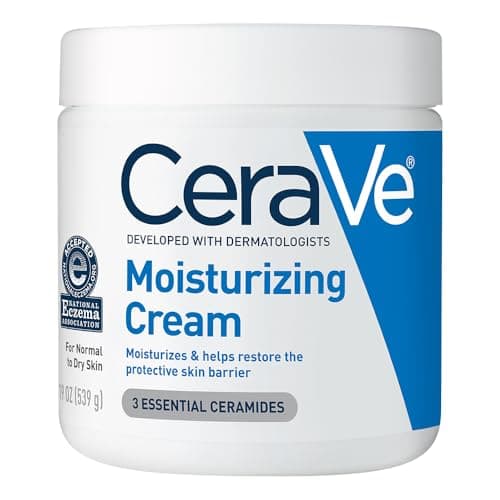
| 01 | CeraVe Moisturizing CreamThe thing to have in the cupboard before you start testing anything. Three ceramides, hyaluronic acid, no fragrance and a thick enough texture to act as a buffer over an irritated patch or under an active you are not sure about. It is the most useful single product on this site for exactly this reason. | Best buffer and recovery cream | | $18.96·Amazon |
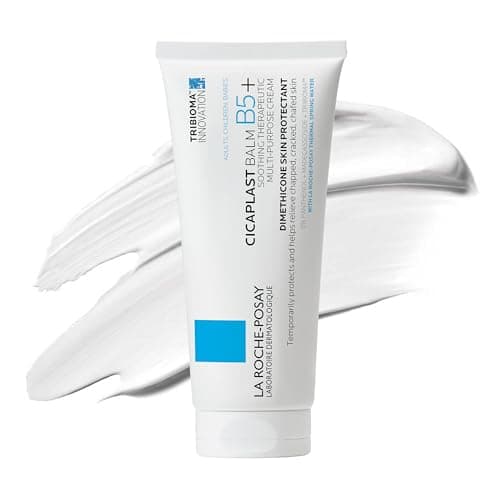
| 02 | La Roche-Posay Cicaplast Balm B5What to reach for when a patch test genuinely fails and the skin is raw rather than just dry. 5% panthenol and madecassoside in a shea-based balm: it is the product dermatology offices hand out after procedures, and it is the right answer for a small, angry, broken patch of skin. | Best for a patch that has actually reacted | | $32.97·Amazon |
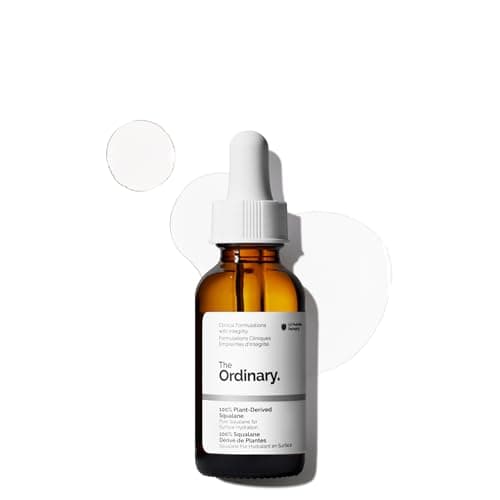
| 03 | The Ordinary 100% Plant-Derived SqualaneThe control. One ingredient, no preservative system, no fragrance, nothing to be allergic to short of squalane itself — which is as close to a neutral baseline as a bottle gets. If you react to everything, starting from a single-ingredient oil and adding one product at a time is how you find out what you actually react to. | Best single-ingredient baseline | | $10.40·Amazon |
#ad · Live prices from the Amazon Product API, as of October 18, 2026. Where we have no verified live price, we show none — a gap beats a number that has rotted.
In detail
The picks, in full
Best buffer and recovery cream
CeraVe Moisturizing Cream
3 ceramidesHyaluronic acidMVE deliveryFragrance-free
The thing to have in the cupboard before you start testing anything. Three ceramides, hyaluronic acid, no fragrance and a thick enough texture to act as a buffer over an irritated patch or under an active you are not sure about. It is the most useful single product on this site for exactly this reason.
- Formula
- 10
- Results
- 9
- Gentleness
- 9
- Texture
- 7
- Value
- 10
Pros
- +Fragrance-free and preservative profile that very few people react to
- +Thick enough to buffer an active or to sit over a failed test site
- +Enormous tub for the money, available everywhere
- +The ceramide-and-cholesterol logic behind it is well supported
Cons
- −Tub packaging means fingers in the pot
- −Too heavy for genuinely oily skin as an everyday face cream
- −Takes a while to sink in
Don't buy this if…
…you are oily and want a daily facial moisturizer. For that, a gel-cream is a better match — this is the recovery product.
Best for a patch that has actually reacted
La Roche-Posay Cicaplast Balm B5
5% panthenolMadecassosideShea butterFragrance-free
What to reach for when a patch test genuinely fails and the skin is raw rather than just dry. 5% panthenol and madecassoside in a shea-based balm: it is the product dermatology offices hand out after procedures, and it is the right answer for a small, angry, broken patch of skin.
- Ingredients
- 9
- Gentleness
- 9
- Barrier
- 9
- Texture
- 7
- Value
- 7
Pros
- +Built for compromised skin rather than for everyday moisturising
- +Panthenol at a stated 5%, which is a real dose
- +Fragrance-free, so it adds nothing new to react to
- +A tube lasts a long time because you use it in small amounts
Cons
- −Thick and slightly tacky — this is a treatment, not a daily cream
- −Costs several times a basic ointment
- −Shea butter is itself an occasional sensitiser for a small number of people
Don't buy this if…
…you want an everyday face moisturizer. This is for a small area and a short period.
Best single-ingredient baseline
The Ordinary 100% Plant-Derived Squalane
1 ingredientFragrance-freeFully saturated1 fl oz
The control. One ingredient, no preservative system, no fragrance, nothing to be allergic to short of squalane itself — which is as close to a neutral baseline as a bottle gets. If you react to everything, starting from a single-ingredient oil and adding one product at a time is how you find out what you actually react to.
- Ingredient list
- 10
- Fragrance screen
- 10
- Texture
- 9
- Stability
- 9
- Value
- 8
Pros
- +A one-line INCI list, so a reaction has exactly one possible cause
- +Fully saturated, so it does not oxidise the way plant oils do
- +Works as the slip layer for a tool or the last step of a dry routine
- +Cheap, and a bottle lasts months
Cons
- −An oil, so it seals rather than hydrates — it cannot replace a moisturizer
- −Wrong texture for oily skin as a leave-on
- −Does nothing active, which is the entire point
Don't buy this if…
…you want a moisturizer. This has no water and no humectant; it needs something underneath it.
A patch test is not a dermatologist's patch test
Worth being clear about the words. Clinical patch testing is a diagnostic procedure: a dermatologist applies standardised allergens under occlusive chambers, reads the sites at fixed intervals, and identifies the specific substance you are allergic to. What this page describes is a use test — it tells you whether this product, as sold, bothers your skin. It will not tell you which ingredient did it. If you react to several unrelated products, that is the point at which a referral is worth more than another bottle.
Reading the result honestly
| What you see | What it probably is | What to do |
|---|
| Brief tingle on application, gone in minutes | Normal for an acid or a retinoid | Continue |
| Mild dryness or slight flaking by day three | Expected active adjustment | Continue, buffer with moisturizer |
| Redness confined to the patch, settles overnight | Irritation — dose-dependent | Use less, or less often |
| Itch, bumps or redness spreading past the patch | Possible allergic contact dermatitis | Stop; do not put it on your face |
| Swelling, hives, or anything affecting breathing | Urgent — not a skincare problem | Seek medical help immediately |
| Nothing at all after seven days | No reaction to this product on this skin | Start on the face, slowly |
Then introduce it properly
Passing a patch test is permission to start, not permission to go daily. Two nights a week for a fortnight, then three, is the right pace for any retinoid or chemical exfoliant, and the forehead and the area around the eyes are the last places to go, not the first. If something goes wrong on a whole face rather than a patch, our barrier repair guide is the recovery protocol — and remember that purging is not a reaction: an increase in spots in weeks two to four on a retinoid is the product working, not failing.
One last thing people get wrong: patch testing a product you have used happily for years after the brand reformulates it. Reformulations happen quietly, and the ingredient you are sensitive to can arrive in a product you trust. If a familiar product suddenly stings, read the ingredient list again — our ingredient checker explains how.
How we picked
We did not lab-test this gear
Everyone in this category says they tested twenty products. We have not lab-tested any of these, and we say so. What we did instead: compiled the published specifications, decoded the ingredient (INCI) lists active by active, ran the math where there was math to run, and scored each product against a published rubric. The scores are judgments from documented research — not measurements we took, because we do not have a lab and we will not pretend we do. Where a number came from someone else's work, we name them in Sources.
Questions
Frequently asked
How long should you patch test skincare?+
Five to seven days of once-daily application on the same spot. A single overnight test catches obvious irritation but misses allergic contact dermatitis, which usually needs repeated exposure and typically appears 48 to 96 hours after an exposure.
Where should you patch test a product?+
The inner forearm is the easy option. The skin just in front of the ear is a better predictor because it is closer to facial skin in thickness and oiliness. Pick one and stay there for the whole test.
Do you need to patch test every product?+
Realistically, test anything with an active, anything fragranced, and anything from a brand you have not used before. A plain fragrance-free moisturizer is low risk. If you have eczema, rosacea or a history of cosmetic reactions, test everything.
What does a bad reaction look like?+
Itch, small bumps, swelling, or redness spreading beyond the test patch — and a burn that does not settle within an hour or so. Brief tingling on an acid or a retinoid, and mild dryness, are expected and are not reasons to stop.
Can you patch test on your face?+
You can, and the spot in front of the ear is effectively that. What you should not do is apply a new active across your whole face as the test — that turns a small, reversible problem into a week of looking like you lost an argument.
How do you tell irritation from an allergy?+
Irritation is dose-dependent, arrives fast, stays where you put it and improves when you use less. An allergic reaction tends to appear a day or more after exposure, itches rather than stings, can spread beyond the application site and gets worse with repeat exposure rather than better.
Receipts
Sources
We do not run a testing lab, and we do not pretend to. Where a measured number came from someone else's work, we name them and link them. Where we could not verify something, we say so on the page rather than quietly leaving it out. Read our full method.