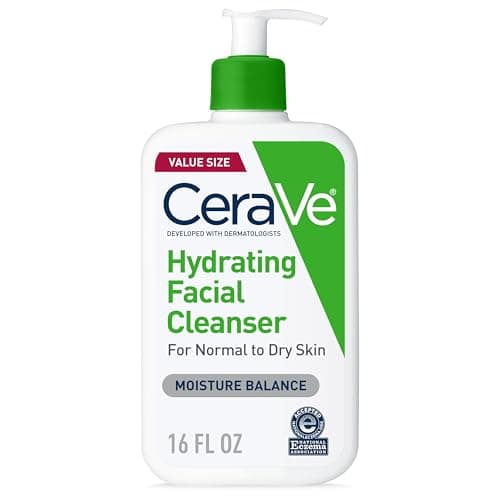
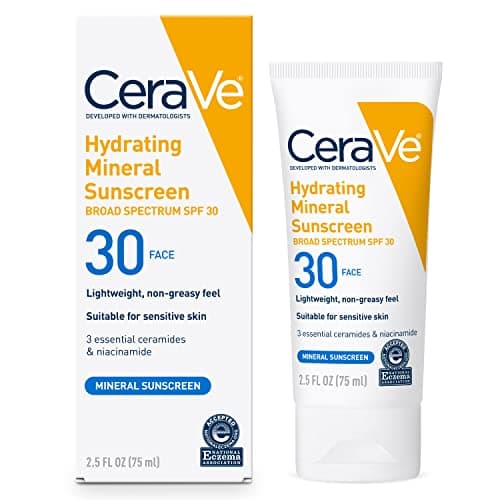
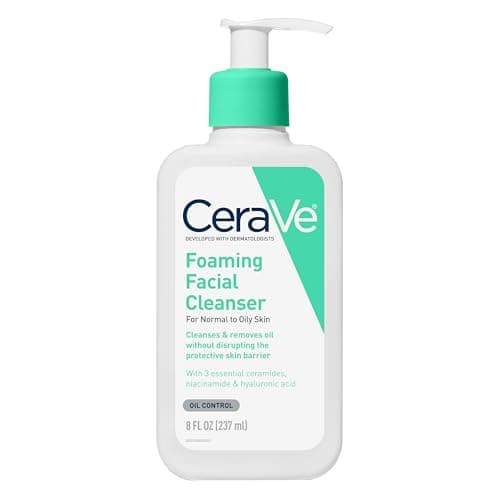
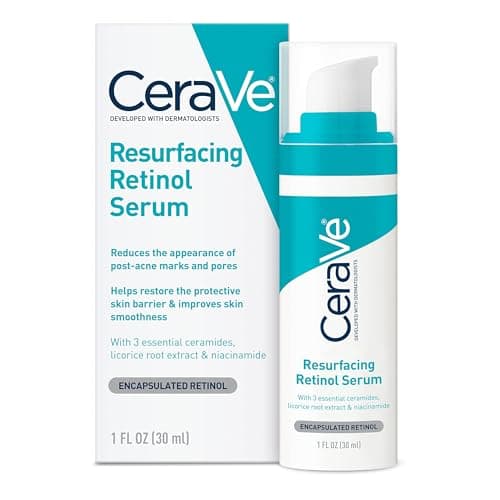
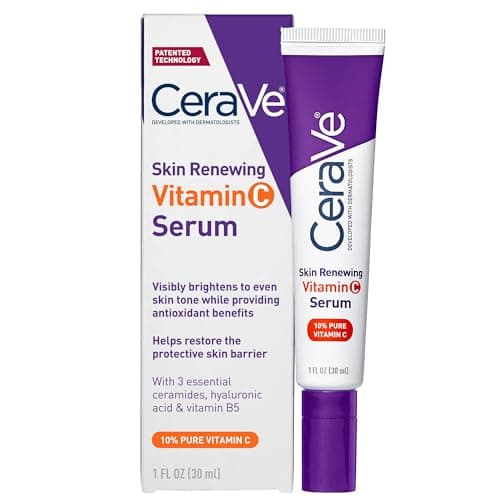
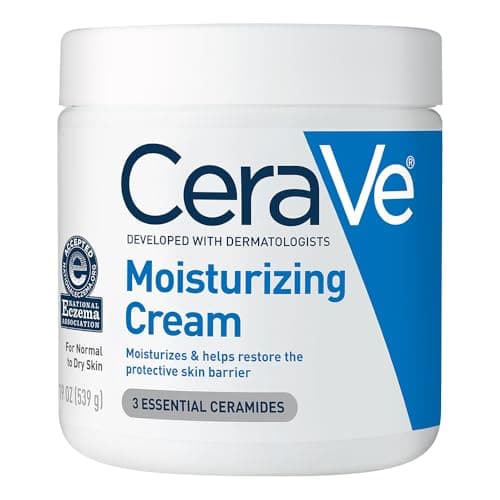
CeraVe is the most-recommended drugstore range for one defensible reason: nearly everything in it contains three ceramides plus cholesterol and fatty acids, which is the lipid trio your skin barrier is actually made of, at prices between ten and twenty dollars. That is a genuinely good deal and it is why the basics here are hard to beat.
It is also worth being precise about what that does and does not mean. CeraVe does not publish ceramide concentrations, and neither does anyone else — no brand does, and any competitor claiming a higher ceramide percentage is making a marketing claim rather than a measurable one. Ceramides appear low on CeraVe's ingredient lists, as they do in every product that contains them, because the useful amounts are small. What matters is that the trio is present in the right proportions, in a well-made emulsion, and that the rest of the formula is fragrance-free and sensible. On those three counts CeraVe consistently delivers. It is also worth knowing who you are buying from: CeraVe and La Roche-Posay sit in the same L'Oreal division, which is why CeraVe vs La Roche-Posay turns out to be a question about two price tiers rather than two rival philosophies.
Below, six products from the range ranked on formula, who each suits and value — plus a clear-eyed section on the two categories where we would spend the money elsewhere. This is not a brand advertisement; it is which bottles from a large range are worth your shelf space.
What the ceramide claim really means
Your skin barrier is held together by a lipid matrix that is roughly half ceramides, a quarter cholesterol and a quarter free fatty acids. CeraVe's formulations include all three, in a delivery system the brand licensed from dermatology research — that is the substance behind the marketing, and it is more than most drugstore ranges can claim.
What nobody can tell you — including us — is how much ceramide is in any given bottle. Concentrations are not disclosed anywhere in the industry, ceramides sit low on every ingredient list because effective amounts are small, and there is no published head-to-head measurement of CeraVe against its competitors. So when you see a comparison claiming one brand has more ceramides than another, treat it as unsupported. The honest framing is: the right lipids, in a sensible ratio, in fragrance-free formulas, at a low price. That is enough to make it a good buy without inventing a number. Our ceramides guide covers the mechanism properly.
Where CeraVe is beaten
- Vitamin C — the serum above is fine and overpriced relative to specialists. See the vitamin C roundup.
- Strong retinoids— CeraVe's retinol is deliberately gentle and does not state a percentage. If you want a working dose, buy a product that labels it, or use adapalene. Our retinol roundup ranks by stated strength.
- Sunscreen for medium and deep skin tones — the mineral formula casts. Chemical and tinted options in the sunscreen roundup are the better answer.
- Eye creams — the range has several, and none of them do anything your regular moisturizer does not. That is true of the whole category, not just CeraVe.
Is CeraVe good for men?
Yes, and the question is more common than you would think. There is nothing gendered about a ceramide moisturizer — skin thickness and oil production vary more within a gender than between them. The hydrating cleanser, the moisturizing cream and a sunscreen is a complete routine for most men, at under fifty dollars, and it is essentially what our best skincare for menroundup arrives at from a different direction. The men's-branded alternatives mostly cost more for a fragrance you do not need.
That question gets asked in a dozen forms — for acne, for oily skin, for sensitive skin, for eczema — and we have answered all of them in one place: is CeraVe good? covers the brand by skin type, including where it stops being the right answer.
The three-product CeraVe routine
If you want the shortest version of this page: hydrating cleanser, moisturizing cream, and a sunscreen. That is roughly fifty dollars and it will outperform a three-hundred-dollar shelf used inconsistently. Add the retinol serum after a couple of months if you want one active. Everything else in the range is a variation, not an addition. The order to apply them is in the routine order guide.
How we picked
We did not lab-test this gear
Everyone in this category says they tested twenty products. We have not lab-tested any of these, and we say so. What we did instead: compiled the published specifications, decoded the ingredient (INCI) lists active by active, ran the math where there was math to run, and scored each product against a published rubric. The scores are judgments from documented research — not measurements we took, because we do not have a lab and we will not pretend we do. Where a number came from someone else's work, we name them in Sources.