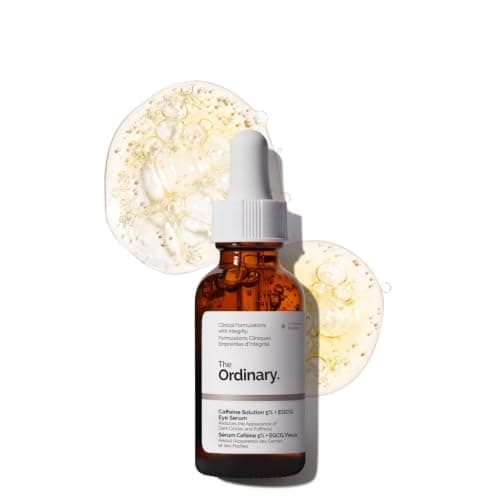
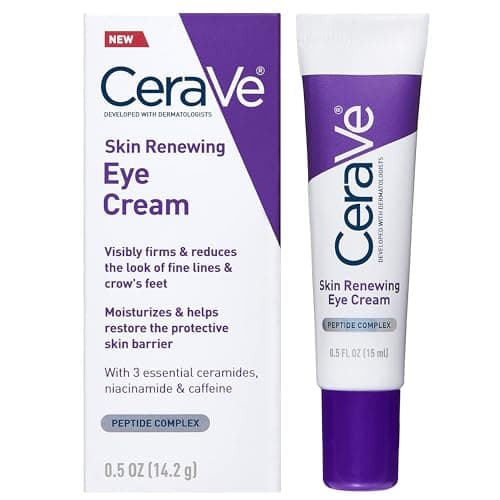
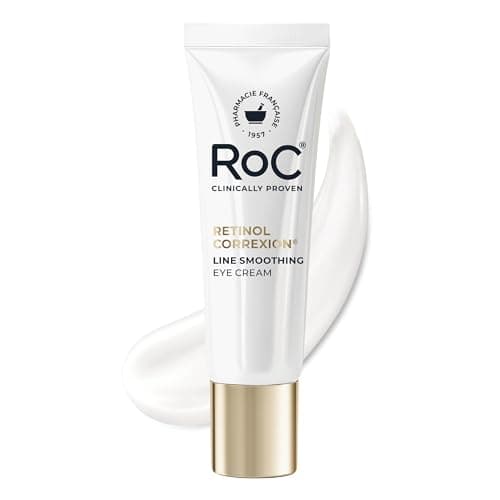
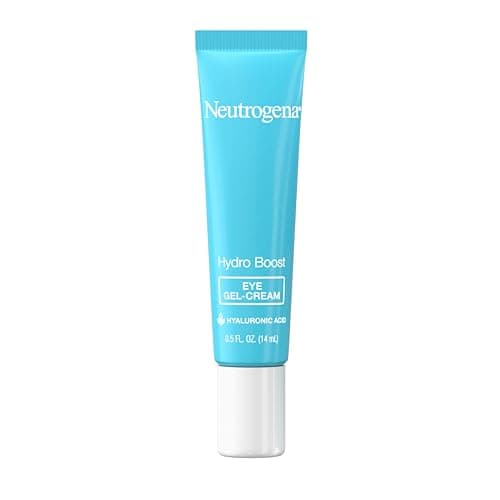
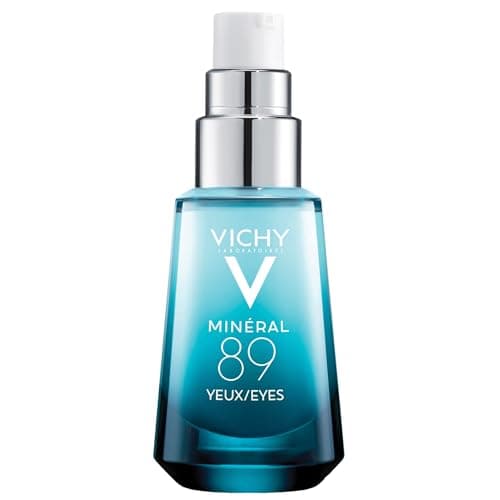
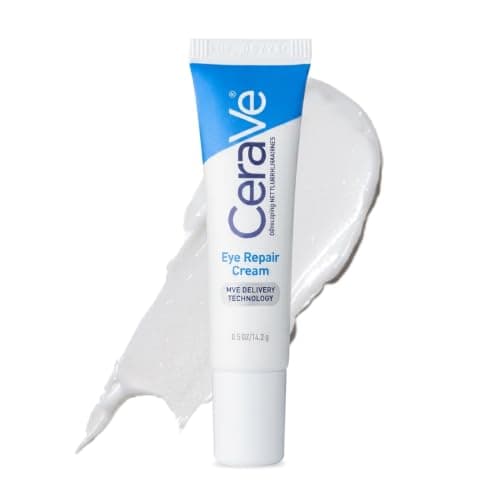
Eye cream is the most oversold category in skincare, so let us start with the limits. Three different things get called "dark circles" and only one of them responds to a cream. Pigmentation — genuine excess melanin under the eye — can improve with brightening actives over months. Vascular shadowing, where thin skin shows the blood vessels beneath, can look slightly better with caffeine and hydration but is essentially structural. Hollowing, where the tear trough has lost volume, will not change no matter what you buy. Working out which one you have saves you a great deal of money.
What eye products cando is real but modest: hydrate skin that is thinner and dries faster than the rest of your face, temporarily de-puff via caffeine's vasoconstricting effect, and — with a low-strength retinoid or peptides — gradually improve crepey texture and fine lines. The six below are ranked on which of those jobs they do well, and priced from under $10 to about $22, because there is no version of this category where spending $150 is defensible.
Diagnose the circle before you buy anything
Stand in front of a mirror in decent light and gently pull the skin under your eye sideways. If the darkness stretches and lightens, it is likely pigment — brightening actives and, above all, daily sunscreen can help over months. If it stays put and looks bluish, it is vascular — thin skin over blood vessels, helped slightly by hydration and caffeine, not fixable by cream. If the darkness is really a shadow that changes with the angle of the light, it is hollowing, a structural loss of volume that no topical product addresses. Two of those three are not a cream problem, and the industry would rather you did not know that.
Do you even need a separate eye product?
Often not. The skin around the eye is thinner and has fewer oil glands, so it dries out faster — but a fragrance-free facial moisturizer taken gently up to the orbital bone covers that need perfectly well. The genuine arguments for a dedicated product are: you want caffeine specifically for puffiness, you want a retinoid at a strength safe for eye-area skin, or your face moisturizer contains actives too strong to bring near your eyes. If none of those apply, save the money and put it toward sunscreen, which does more for the eye area over a decade than any cream will.
Application: less than you think, further from the lash than you think
A rice-grain amount per eye, tapped with the ring finger along the orbital bone — the ridge you can feel, not the soft tissue right under the lashes. Product migrates upward with warmth and blinking, so applying close to the lash line is how you end up with stinging eyes and milia. Pat, never rub: this skin is thin and rubbing it does more damage over years than any cream undoes.
What actually moves the needle over ten years
Sunscreen and sunglasses. The under-eye area shows photoaging early and dramatically, and the single largest controllable factor in how it ages is cumulative UV. Everything on this page is a refinement on top of that. If you buy one product from this site for your eyes, make it an SPF you will wear daily and a pair of large sunglasses — then come back for the eye cream.
How we picked
We did not lab-test this gear
Everyone in this category says they tested twenty products. We have not lab-tested any of these, and we say so. What we did instead: compiled the published specifications, decoded the ingredient (INCI) lists active by active, ran the math where there was math to run, and scored each product against a published rubric. The scores are judgments from documented research — not measurements we took, because we do not have a lab and we will not pretend we do. Where a number came from someone else's work, we name them in Sources.