Start at once a week. Settle at two or three times a week. That is the answer for the overwhelming majority of people using a leave-on chemical exfoliant, and the most useful thing we can tell you is that the ceiling is lower than the internet implies. If you are brand new to acids, The Ordinary Lactic Acid 5% + HA one night a week for a month is the correct opening move — it is gentle enough that most people tolerate it from night one, and cheap enough that finding out costs nothing.
Daily exfoliation is almost always a mistake. There are low-strength products designed for daily use and skin that genuinely tolerates them, but if you are asking the question, you are not in that group. And nobody at all needs two exfoliants.
Why frequency matters more than strength
Chemical exfoliation works by loosening the bonds between dead cells in the stratum corneum so they shed sooner than they would. That is useful and it is also a controlled disruption of the layer that keeps water in and irritants out. Research going back to the 1990s shows that alpha hydroxy acids measurably modulate stratum corneum barrier function, and that topical glycolic acid produces functional changes in that layer rather than merely cosmetic ones.
Those changes are the benefit. They are also the budget you are spending. Skin repairs the barrier over days, not hours, so exfoliating again before the repair finishes means the disruption accumulates while the benefit does not. That is the entire mechanism behind over-exfoliation, and it is why frequency is the lever rather than percentage: a 5% lactic acid four nights a week will damage you faster than a 7% glycolic once a week.
Cell turnover is the other half. The often-quoted figure is around a month for a full cycle, slower with age. Exfoliating daily does not speed that up; it only removes the protective layer before it has been rebuilt.
Frequency, by acid and by skin
| What you are using | Starting frequency | Where most people settle |
|---|
| Lactic acid 5% | Once a week | Two or three nights a week |
| Salicylic acid (BHA) 2% | Once or twice a week | Two or three nights a week |
| Mandelic acid 10-12% | Twice a week | Two or three nights a week |
| Glycolic acid 7-10% | Once a week | Once or twice a week |
| Strong peel (30% AHA / 2% BHA) | Once a fortnight at most | Once a fortnight, and not alongside anything |
| Physical scrub | Once a week | Honestly - replace it with an acid |
Adjust down, not up, if you have rosacea, eczema, visibly reactive skin, or you are using a retinoid most nights. Adjust down in winter. Adjust down if you have just started a new active of any kind. The direction of travel in this category is almost always "less".
Five things that count as exfoliation (and people stack anyway)
This is where most over-exfoliation comes from. Not one aggressive product — several mild ones, used in the same week, by someone who thinks they are only exfoliating once.
- An acid toner. A glycolic or salicylic toner is an exfoliant, however gentle the bottle looks.
- An exfoliating cleanser. A salicylic wash counts, even though most of it goes down the drain.
- A scrub or a cleansing brush. Physical abrasion on top of chemical exfoliation is the fastest route to a damaged barrier - see our cleansing brush roundup for the honest take on those.
- An enzyme mask or peel pad. Same job, different marketing.
- A retinoid. Not technically an exfoliant, but it increases turnover and irritation, so it comes out of the same budget. Keep acids and retinoids on separate nights - that is exactly what skin cycling is for.
How we judged the four picks below
- Suits a slow start. The criterion this page cares about: can you run it once a week and build up without drama?
- Effectiveness. What it does at the stated strength, on texture, pores or dullness.
- Gentleness. Acid type, strength, base, and whether there is fragrance in it.
- Value. Cost per month at two or three uses a week.
The short answer
Quick picks
| # | Product | Best for | Score | Price |
|---|
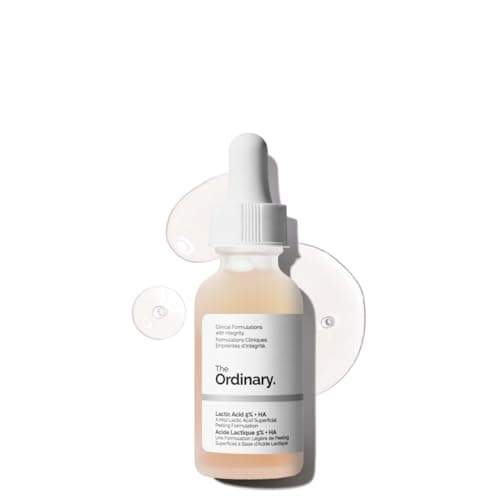
| 01 | The Ordinary Lactic Acid 5% + Hyaluronic Acid 2%The right place to start if you are asking this question. 5% lactic acid is gentle enough that most people tolerate it from night one, the acid is a humectant as well as an exfoliant so it is less drying than glycolic, and there is a 10% bottle to move up to when 5% stops doing much. | Best for a once-a-week start | | $8.10·Amazon |
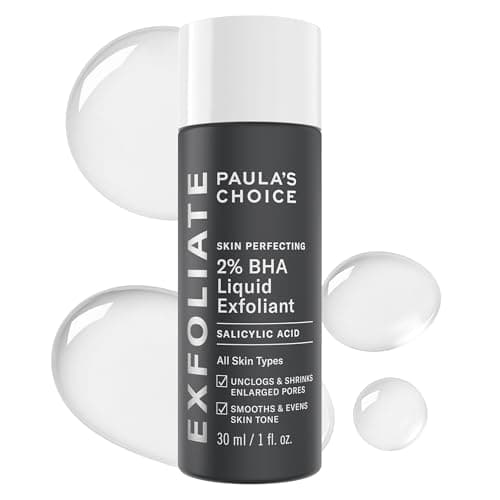
| 02 | Paula's Choice 2% BHA Liquid ExfoliantThe best exfoliant we rank, and the one to settle at two or three nights a week: 2% salicylic acid, oil-soluble, so it works inside a pore rather than on the surface around it. The first few weeks often look worse before they look better, and that is purging rather than failure. | Best overall at two to three nights a week | | $15.00·Amazon |
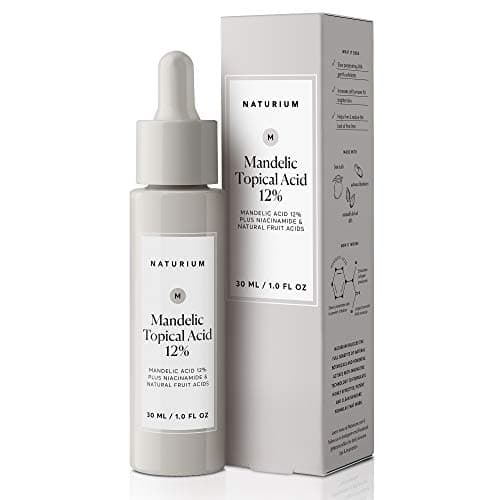
| 03 | Naturium Mandelic Topical Acid 12%The pick if your skin is reactive but you still want a real AHA. Mandelic is roughly twice the molecular weight of glycolic, so it penetrates more slowly and evenly and irritates less for the same work - and the niacinamide in the bottle addresses the redness exfoliation provokes. 12% is the deep end, so twice a week to begin. | Best AHA for reactive skin | | $16.00·Amazon |
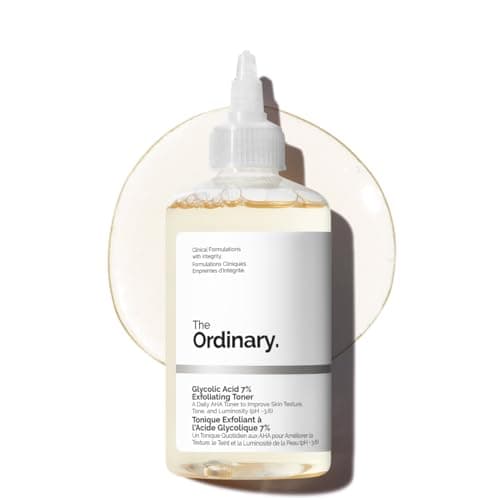
| 04 | The Ordinary Glycolic Acid 7% Exfoliating TonerThe most effective of these on dullness and texture, and the one this page most wants you to use carefully: glycolic is the smallest and most irritating of the common AHAs, and an eight-ounce bottle you swipe from a cotton pad has no natural brake on it. Once or twice a week, not more. | Best for texture, with a frequency warning | | $13.50·Amazon |
#ad · Live prices from the Amazon Product API, as of October 19, 2026. Where we have no verified live price, we show none — a gap beats a number that has rotted.
In detail
The picks, in full
Best for a once-a-week start
The Ordinary Lactic Acid 5% + Hyaluronic Acid 2%
5% lactic acid2% hyaluronic acid1 fl ozSerum texture
The right place to start if you are asking this question. 5% lactic acid is gentle enough that most people tolerate it from night one, the acid is a humectant as well as an exfoliant so it is less drying than glycolic, and there is a 10% bottle to move up to when 5% stops doing much.
- Suits a slow start
- 10
- Effectiveness
- 7
- Gentleness
- 9
- Value
- 9
Pros
- +Genuinely gentle entry point - most people tolerate it from night one
- +Lactic is a humectant as well as an exfoliant, so it is less drying
- +There is a 10% version to move up to when 5% stops doing much
- +Cheap enough that a slow four-week start costs nothing
Cons
- −Slow. Do not expect visible change inside a month
- −Small bottle relative to the acid toners
Don't buy this if…
…you have used acids happily for years - you will find 5% underpowered and should start at the BHA below.
Best overall at two to three nights a week
Paula's Choice 2% BHA Liquid Exfoliant
2% salicylic acidBHA (oil-soluble)4 fl ozFragrance-free
The best exfoliant we rank, and the one to settle at two or three nights a week: 2% salicylic acid, oil-soluble, so it works inside a pore rather than on the surface around it. The first few weeks often look worse before they look better, and that is purging rather than failure.
- Suits a slow start
- 8
- Effectiveness
- 9
- Gentleness
- 7
- Value
- 8
Pros
- +The strongest evidence base and the longest track record in the category
- +Oil-soluble, so it clears the inside of a pore rather than the surface around it
- +Green tea in the base takes some of the edge off
- +Large bottle that lasts months at two or three uses a week
Cons
- −The vehicle can feel slightly oily on very oily skin
- −Purging in the first three or four weeks is common and looks like failure
Don't buy this if…
…your concern is fine lines and rough texture rather than pores - an AHA will serve you better.
Best AHA for reactive skin
Naturium Mandelic Topical Acid 12%
12% mandelic acidPlus niacinamideLeave-on serum1 oz
The pick if your skin is reactive but you still want a real AHA. Mandelic is roughly twice the molecular weight of glycolic, so it penetrates more slowly and evenly and irritates less for the same work - and the niacinamide in the bottle addresses the redness exfoliation provokes. 12% is the deep end, so twice a week to begin.
- Suits a slow start
- 6
- Effectiveness
- 8
- Gentleness
- 8
- Value
- 8
Pros
- +Strength is stated on the label, which a third of this category still will not do
- +Niacinamide in the same bottle addresses the redness exfoliation provokes
- +Larger molecule means slower, more even penetration than glycolic
- +Light serum texture layers under a moisturizer without pilling
Cons
- −The listing also names natural fruit acids, so this is not a mandelic-only formula
- −12% is the deep end for a first acid - start at two nights a week
- −Pump bottle does not let you see how much is left
Don't buy this if…
…you have never used an exfoliating acid before. Start at the lactic acid above and come back to 12% when two nights a week is boring.
Best for texture, with a frequency warning
The Ordinary Glycolic Acid 7% Exfoliating Toner
7% glycolic acidAHA (water-soluble)8 fl ozAloe + ginseng base
The most effective of these on dullness and texture, and the one this page most wants you to use carefully: glycolic is the smallest and most irritating of the common AHAs, and an eight-ounce bottle you swipe from a cotton pad has no natural brake on it. Once or twice a week, not more.
- Suits a slow start
- 5
- Effectiveness
- 8
- Gentleness
- 5
- Value
- 10
Pros
- +Smallest AHA molecule, so it works fast on texture and dullness
- +Enormous bottle for the money
- +Consistent, sensible pH from batch to batch
Cons
- −Glycolic is the most irritating of the common AHAs
- −The bottle is large enough that there is no natural brake on overusing it
Don't buy this if…
…your skin flushes easily, you have rosacea, or you are already using a retinoid nightly - the lactic or mandelic option above is the right swap.
The signs you have gone too far
Over-exfoliated skin does not usually look exfoliated. It looks like this:
- A tight, waxy shine that is not oil. This is the most commonly missed sign, and people frequently respond by exfoliating again.
- Stinging from products that used to be fine. Your moisturizer has not changed; your barrier has.
- Diffuse redness rather than spots, especially across the cheeks.
- Small rough bumps and flaking at the edges of the face.
- Skin that looks great for a day and bad for three. The clearest signal you are riding the disruption instead of the repair.
If several of those are true, read damaged skin barrier next - and note that this presentation gets misread as sensitivity, as acne, and as a reaction to a new product constantly.
The two-week reset
Stop every exfoliant and every retinoid. For two weeks: a non-foaming cleanser, a ceramide moisturizer, sunscreen in the morning. Nothing else - no acid, no vitamin C, no scrub, no brush, no masks. It feels like doing nothing and it is the fastest route back.
Then restart at half the frequency you were on, with one product, and hold there for a month before adding anything. Most people who think they cannot tolerate acids are people who restarted at their old frequency.
Purging or over-exfoliation?
Worth separating, because the responses are opposite. Purging is more spots in the areas you normally break out, starting within a couple of weeks of a new active, resolving in four to six - you push through that. Over-exfoliation is stinging, tightness and diffuse redness, often with no new spots at all - you stop that immediately. Our purging versus breakout page has the full distinction, including the timeline.
Which acid, if you have not chosen yet
Frequency is this page. Family is a different question: AHA versus BHA picks between surface texture and inside-the-pore work, best chemical exfoliant ranks across all the families, and best mandelic acid serum covers the gentlest AHA in detail. If the glycolic toner above is the one you are weighing, our full review of it is the long version, pH and bottle size included. Choose the acid once, then come back here and choose the frequency - which is the part that decides whether it works.
How we picked
We did not lab-test this gear
Everyone in this category says they tested twenty products. We have not lab-tested any of these, and we say so. What we did instead: compiled the published specifications, decoded the ingredient (INCI) lists active by active, ran the math where there was math to run, and scored each product against a published rubric. The scores are judgments from documented research — not measurements we took, because we do not have a lab and we will not pretend we do. Where a number came from someone else's work, we name them in Sources.
Questions
Frequently asked
How often should you exfoliate your face?+
Start at once a week and settle at two or three times a week for most skin on a leave-on chemical exfoliant. Go lower - once a week or less - if you have rosacea, eczema, reactive skin, or you use a retinoid most nights. Daily exfoliation is almost always a mistake, and two exfoliants in one routine is never right.
Can you exfoliate every day?+
Some low-strength products are designed for it and some skin tolerates it, but if you are asking the question you are not in that group. Skin rebuilds the barrier over days, so exfoliating before the repair finishes accumulates the disruption without accumulating the benefit.
What are the signs of over-exfoliation?+
A tight waxy shine that is not oil, stinging from products that used to be fine, diffuse redness rather than spots, small rough bumps, and skin that looks great for a day and bad for three. People commonly misread the shine as oil and exfoliate again, which is how a two-week problem becomes a two-month one.
How do I fix over-exfoliated skin?+
Stop every exfoliant and retinoid for two weeks. A non-foaming cleanser, a ceramide moisturizer and sunscreen, and nothing else at all. Then restart with one product at half your previous frequency and hold there for a month.
Does a retinoid count as exfoliating?+
Not technically, but it comes out of the same irritation budget, so treat it as if it does. Keep acids and retinoids on separate nights rather than layering them, which is exactly the scheduling problem skin cycling was invented to solve.
Is a scrub or an acid better?+
An acid, nearly always. A physical scrub removes cells unevenly and the abrasion itself can damage the barrier, while an acid loosens the bonds between cells and lets them shed. If you like the ritual of a scrub, keep it to once a week and do not run an acid in the same session.
Should I exfoliate if I have acne?+
A 2% salicylic acid two or three times a week is genuinely useful for congestion, because it is oil-soluble and works inside the pore. What does not help is scrubbing inflamed skin, or adding an acid on top of benzoyl peroxide and a retinoid - that combination is how people end up with a damaged barrier and the acne they started with.
Receipts
Sources
We do not run a testing lab, and we do not pretend to. Where a measured number came from someone else's work, we name them and link them. Where we could not verify something, we say so on the page rather than quietly leaving it out. Read our full method.