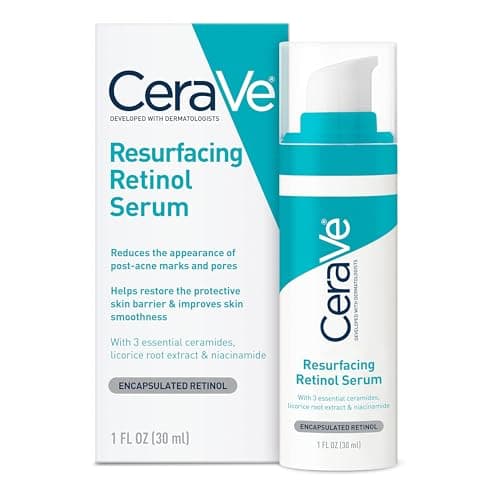
If you can tolerate a retinoid, buy a retinoid — this is not a close contest on evidence. Topical retinoids have decades of controlled trials behind them for fine lines, texture and photoaging, and prescription tretinoin remains the reference standard in the published literature. Peptides have a real mechanistic story and a far thinner clinical one. Start with the CeraVe Resurfacing Retinol Serum, which puts ceramides and niacinamide in the same bottle and is therefore the easiest retinoid to stay on.
Buy a peptide serum instead in exactly three situations: you are pregnant or nursing and retinoids are off the table; you have tried a retinoid properly and your skin will not tolerate it; or you want something useful to apply on the nights you are not using your retinoid. In those three cases the The Ordinary Multi-Peptide + HA Serum is where we would start, because it is the one bottle that names every peptide in it.
What each one actually does
Retinoids are vitamin A derivatives. They bind retinoid receptors in skin cells and change gene expression — which is why the effects are broad (cell turnover, collagen synthesis, pigment transfer) and why the irritation is part of the mechanism rather than a formulation flaw. Everything in the family has to convert to retinoic acid to work: retinyl esters, then retinol, then retinaldehyde, then retinoic acid. Fewer conversion steps means more potency and more irritation. Our retinol versus retinoid explainer walks the whole ladder.
Peptidesare short chains of amino acids. The interesting ones are signal peptides — fragments that resemble the breakdown products of collagen, the theory being that skin reads them as damage and responds by making more collagen. Others are neurotransmitter inhibitors (the "argireline" family, sold on a Botox-adjacent story), carrier peptides (copper tripeptide-1), or enzyme inhibitors. They do not bind a receptor the way a retinoid does and they do not irritate, because nothing is being accelerated.
The evidence gap is the headline. Reviews of signal peptides in cosmetics describe a plausible and well-characterised mechanism; a 2025 review focused specifically on acetyl hexapeptide-8 spends most of its length on the question that matters commercially, which is whether the molecule gets through the stratum corneum at all in a leave-on cosmetic. Peptides are large and hydrophilic. Penetration is the unresolved problem, and no amount of label copy resolves it.
What we compared them on
- Evidence. How much controlled human data exists for the active class, not for the brand. This is where the two sides separate hardest.
- Tolerability. Whether a normal person can use it nightly without a two-week adjustment period. The peptide side wins this outright.
- Transparency. Is the strength on the label? Most peptide serums name their peptides and disclose no concentrations at all; several retinoids disclose neither.
- Routine fit. What else you can use it with, and whether it survives being layered under a moisturizer or a sunscreen.
- Value. Cost per month of actual use at the dose the label asks for.
Picks 1 to 3 below are the retinoid side, ranked. Picks 4 to 6 are the peptide side, ranked. The order across the whole list is the page's verdict: on evidence, the retinoids go first.
The short answer
Quick picks
| # | Product | Best for | Score | Price |
|---|
| 01 | CeraVe Resurfacing Retinol SerumThe retinoid most people should start with, because the barrier ingredients in the same formula genuinely reduce the flaking phase — and the retinoid that works is the one you are still using in month four. The strength is not disclosed, which is the one thing we hold against it. | Best retinoid for most people | | $16.49·Amazon |
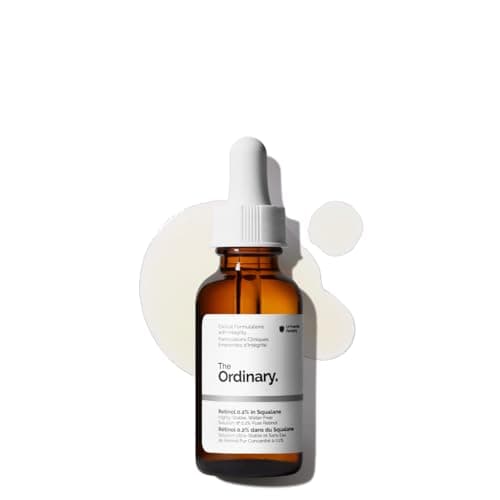
| 02 | The Ordinary Retinol 0.2% in SqualaneThe cheapest honest way to find out whether retinoids suit you, and the only pick on this page that prints its strength on the bottle. The squalane base is the trade: calming on dry skin, a slick film on oily skin, and awkward to layer under anything. | Best disclosed-strength starter | | $8.10·Amazon |
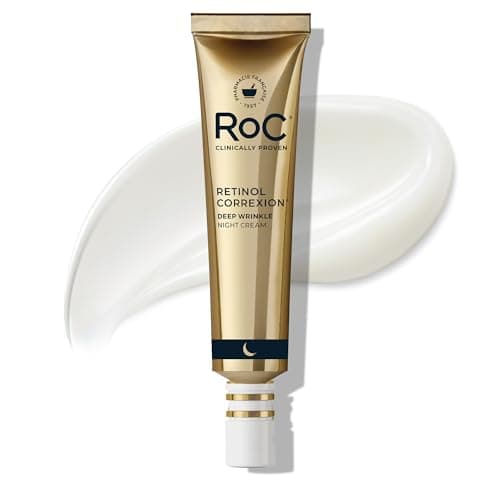
| 03 | RoC Retinol Correxion Deep Wrinkle Night CreamThe retinoid for people who want one jar at night instead of a serum plus a cream. Rich, comforting, and backed by a long and boring track record — the good kind. Fragranced, which rules it out for reactive skin and is why it sits third. | Best retinoid night cream | | $21.97·Amazon |
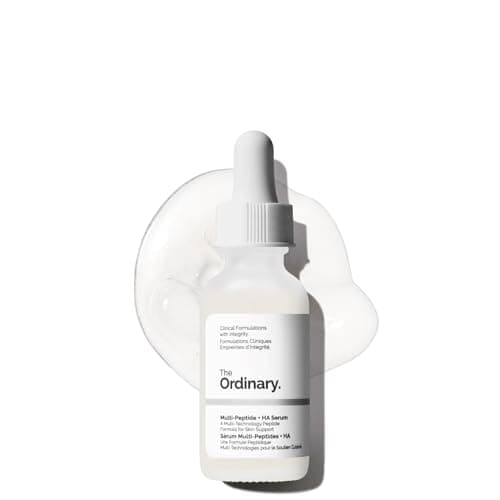
| 04 | The Ordinary Multi-Peptide + HA SerumThe peptide serum to buy if retinoids are out, because it is the one that names every peptide in it: Matrixyl 3000 and Synthe'6, Argirelox, SYN-AKE and Relistase. Nothing is quantified, which is the honest limit of the whole category — but at least you know what you are buying. | Best peptide serum, and best if retinoids are out | | $15.89·Amazon |
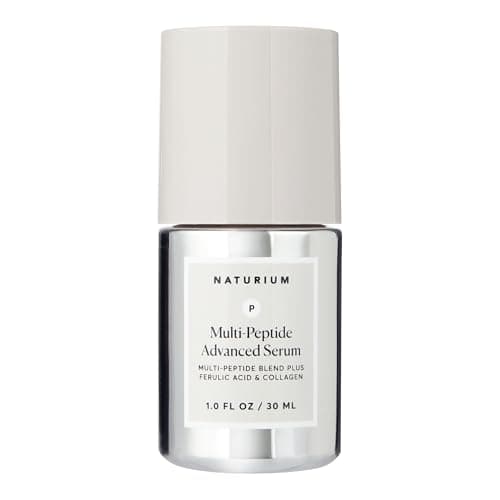
| 05 | Naturium Multi-Peptide Advanced SerumThe peptide pick if you want one bottle to be the serum and the moisturizer. Squalane, shea and rice bran make it a legitimate cream on its own terms, and the encapsulated ferulic acid is a real antioxidant addition. The hydrolyzed collagen in it is marketing, and we will say so. | Best peptide serum that doubles as a moisturizer | | $24.88·Amazon |
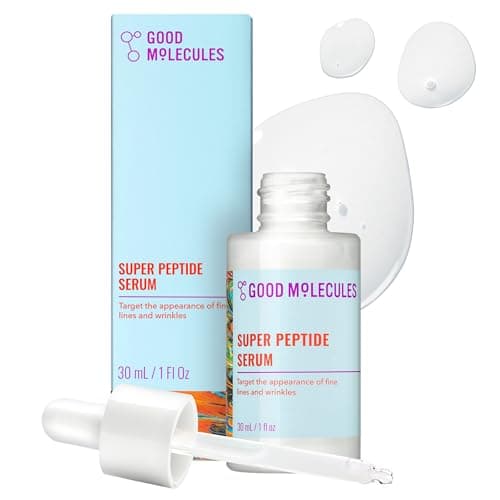
| 06 | Good Molecules Super Peptide SerumThe cheapest way into the category, and the clearest illustration of its problem: all three peptides are named, all three sit after the preservatives, and none has a strength. As a serum it is pleasant hydration with a peptide story attached. | Best budget peptide option | | $12.00·Amazon |
#ad · Live prices from the Amazon Product API, as of October 18, 2026. Where we have no verified live price, we show none — a gap beats a number that has rotted.
In detail
The picks, in full
Best retinoid for most people
CeraVe Resurfacing Retinol Serum
Encapsulated retinolCeramides + niacinamideFragrance-freeNon-comedogenic
The retinoid most people should start with, because the barrier ingredients in the same formula genuinely reduce the flaking phase — and the retinoid that works is the one you are still using in month four. The strength is not disclosed, which is the one thing we hold against it.
- Evidence
- 8
- Tolerability
- 9
- Transparency
- 5
- Routine fit
- 9
- Value
- 9
Pros
- +Barrier ingredients in the same formula genuinely reduce the flaking phase
- +Light lotion texture that layers under a moisturizer without pilling
- +Fragrance-free and non-comedogenic — suits acne-prone skin
- +Priced so that a slow, patient ramp-up costs nothing
Cons
- −Strength is not disclosed as a percentage
- −Too gentle to be the endpoint if you have been using retinoids for years
Don't buy this if…
…you are pregnant or trying to conceive — topical retinoids are off the table, and that is the main reason to read the peptide half of this page.
Best disclosed-strength starter
The Ordinary Retinol 0.2% in Squalane
0.2% retinol8-ingredient anhydrous baseStated percentageFragrance-free
The cheapest honest way to find out whether retinoids suit you, and the only pick on this page that prints its strength on the bottle. The squalane base is the trade: calming on dry skin, a slick film on oily skin, and awkward to layer under anything.
- Evidence
- 8
- Tolerability
- 9
- Transparency
- 10
- Routine fit
- 6
- Value
- 10
Pros
- +The percentage is printed on the bottle, so you can step up deliberately
- +Squalane base is calming and suits dry skin
- +Cheap enough to treat as an experiment rather than a commitment
- +Sibling 0.5% and 1% bottles make the ladder obvious
Cons
- −Oily feel that some skin types dislike
- −No barrier actives to cushion the adjustment period
Don't buy this if…
…you want one bottle that also moisturizes — this is a single active, by design.
Best retinoid night cream
RoC Retinol Correxion Deep Wrinkle Night Cream
Stabilized retinolRich creamMineral complexNight use
The retinoid for people who want one jar at night instead of a serum plus a cream. Rich, comforting, and backed by a long and boring track record — the good kind. Fragranced, which rules it out for reactive skin and is why it sits third.
- Evidence
- 8
- Tolerability
- 7
- Transparency
- 4
- Routine fit
- 8
- Value
- 8
Pros
- +One jar replaces a serum plus a moisturizer at night
- +Rich, comforting texture that suits mature and dry skin
- +Long, boring track record — the good kind
Cons
- −Fragranced, which rules it out for reactive skin
- −Jar packaging is not ideal for retinol stability
- −No percentage disclosed
Don't buy this if…
…your skin is oily or acne-prone — the cream base is heavier than you want.
Best peptide serum, and best if retinoids are out
The Ordinary Multi-Peptide + HA Serum
5 peptide technologiesAmino acid complex1 fl ozFragrance-free
The peptide serum to buy if retinoids are out, because it is the one that names every peptide in it: Matrixyl 3000 and Synthe'6, Argirelox, SYN-AKE and Relistase. Nothing is quantified, which is the honest limit of the whole category — but at least you know what you are buying.
- Evidence
- 5
- Tolerability
- 10
- Transparency
- 5
- Routine fit
- 9
- Value
- 8
Pros
- +Every peptide is named on the label rather than hidden behind a blend name
- +Covers three of the four peptide families rather than just signal peptides
- +Amino acids, sugars, urea and sodium PCA give it a genuine hydrating base
- +Layers with acids, vitamin C and retinoids without a manufacturer warning
Cons
- −No concentration disclosed for any of the five technologies
- −The clinical evidence for topical peptides is far thinner than for retinoids
- −More ingredients means more chances to react than a single-active bottle
Don't buy this if…
…you can tolerate a retinoid. On evidence, the first three picks on this page are a better use of the same money.
Best peptide serum that doubles as a moisturizer
Naturium Multi-Peptide Advanced Serum
3 named peptidesSqualane + shea emulsionEncapsulated ferulic acid1 fl oz
The peptide pick if you want one bottle to be the serum and the moisturizer. Squalane, shea and rice bran make it a legitimate cream on its own terms, and the encapsulated ferulic acid is a real antioxidant addition. The hydrolyzed collagen in it is marketing, and we will say so.
- Evidence
- 5
- Tolerability
- 9
- Transparency
- 4
- Routine fit
- 8
- Value
- 7
Pros
- +Three named peptides including copper palmitoyl heptapeptide-14
- +Squalane, shea butter and rice bran make it a legitimate moisturizer on its own terms
- +Encapsulated ferulic acid is a real antioxidant addition rather than a label decoration
- +The most pleasant texture of the peptide picks by a distance
Cons
- −Contains hydrolyzed collagen — a molecule far too large to reach where collagen is made
- −Peptides sit well down the list with no strength disclosed
- −Rosemary leaf extract and a lactic/glycolic copolymer give reactive skin more to think about
Don't buy this if…
…you already own a moisturizer you like — half of what you are paying for is the emulsion.
Best budget peptide option
Good Molecules Super Peptide Serum
3 named peptidesWith copper tripeptide-11 fl ozWater-light texture
The cheapest way into the category, and the clearest illustration of its problem: all three peptides are named, all three sit after the preservatives, and none has a strength. As a serum it is pleasant hydration with a peptide story attached.
- Evidence
- 4
- Tolerability
- 10
- Transparency
- 3
- Routine fit
- 8
- Value
- 8
Pros
- +Names all three peptides: acetyl hexapeptide-8, acetyl octapeptide-3 and copper tripeptide-1
- +Includes a copper peptide at a price where that is unusual
- +Short, fragrance-free formula that layers under anything
Cons
- −The peptides are listed after the preservatives, which places them in trace territory
- −No strength disclosed for any of the three
- −As a serum on its own it is essentially glycerin and hyaluronate
Don't buy this if…
…you want a meaningful peptide dose for your money rather than a named ingredient at the bottom of a list.
The comparison, in one table
| Retinoids | Peptides |
|---|
| Mechanism | Binds retinoid receptors, changes gene expression | Signals, inhibits or carries — no receptor binding |
| Human trial evidence | Decades, across fine lines, texture and photoaging | Plausible mechanism, limited controlled outcome data |
| Unresolved question | How much irritation a given person will accept | Whether the molecule penetrates in a leave-on cosmetic |
| Irritation | Expected, and part of the adjustment | Essentially none |
| Safe in pregnancy | No — contraindicated | Generally yes; check with your clinician |
| Time to visible change | Twelve weeks and up | Hydration immediately; anything structural is unproven |
| Label transparency | Sometimes a percentage | Names, almost never concentrations |
Can you use both?
Yes, and it is the most sensible way to own a peptide serum. Peptides do not compete with a retinoid for pH, they do not oxidize it, and no manufacturer warns against the pairing. Two workable patterns:
- Alternate nights. Retinoid on retinoid nights, peptide serum on the nights off. This is the version we would choose while ramping up, because the off nights are when skin is recovering and a non-irritating hydrating serum is exactly right. It is the same logic as skin cycling.
- Peptide in the morning, retinoid at night. Simpler to remember, and the peptide serum doubles as your hydration step under sunscreen.
What not to do: layer a copper peptide serum directly under a low-pH vitamin C. That one is a genuine formulation conflict rather than internet caution, and the cleanest fix is to move them to opposite ends of the day.
The three cases where a peptide is the right answer
1. Pregnancy and nursing. Topical retinoids are contraindicated, full stop. A peptide serum is one of the few anti-aging categories that stays on the table, and it is the honest option alongside sunscreen and vitamin C — see pregnancy-safe skincare for the full set, including why we are lukewarm about bakuchiol as a retinol stand-in.
2. Genuine retinoid intolerance. Not two weeks of flaking, which is normal — we mean a properly ramped retinoid at two nights a week that still leaves you red and sore after two months. Rosacea-prone and very reactive skin often lands here. Before you give up, check the frequency and the strength, because a compromised barrier masquerades as retinoid intolerance constantly.
3. The nights off. If you use a retinoid two or three nights a week, you have four nights where a peptide serum is a better use of the slot than nothing.
What neither of them will do
Neither category lifts anything structural, tightens jowls, or does anything to volume loss. Both work on the quality of the skin itself — texture, fine lines, firmness at the surface — and the honest ceiling on both is lower than the before-and-after photography suggests. If collagen is the goal and you want the strongest tool available without a clinic, that is a prescription retinoid, and our anti-aging skincare roundup puts the whole category in order of evidence.
How we picked
We did not lab-test this gear
Everyone in this category says they tested twenty products. We have not lab-tested any of these, and we say so. What we did instead: compiled the published specifications, decoded the ingredient (INCI) lists active by active, ran the math where there was math to run, and scored each product against a published rubric. The scores are judgments from documented research — not measurements we took, because we do not have a lab and we will not pretend we do. Where a number came from someone else's work, we name them in Sources.
Questions
Frequently asked
Are peptides as good as retinol?+
Not on evidence. Topical retinoids have decades of controlled human trials for fine lines, texture and photoaging; peptides have a well-described mechanism and far less outcome data, with penetration through the stratum corneum still an open question in leave-on cosmetics. Peptides win on tolerance, not on results.
Can you use peptides and retinol together?+
Yes. There is no pH conflict and no oxidation problem, and no manufacturer warns against it. The most useful pattern is a retinoid on your retinoid nights and a peptide serum on the nights off, which gives the off nights something to do. The one pairing to avoid is a copper peptide directly under a low-pH vitamin C.
Which is better for wrinkles, peptides or retinol?+
Retinol, or any retinoid, for anything you would describe as a wrinkle. Peptides make skin look better hydrated and may contribute to firmness at the surface; the trial data showing measurable change in fine lines sits overwhelmingly on the retinoid side.
Are peptides safe during pregnancy?+
Peptide serums are generally considered fine in pregnancy and are one of the few anti-aging categories that stays available when retinoids are contraindicated — but confirm anything you are using with your own clinician, because that is their call rather than ours.
Do peptides actually penetrate the skin?+
That is the unresolved question in the category. Peptides are relatively large and hydrophilic, which is the opposite of what crosses the stratum corneum easily. A 2025 review of acetyl hexapeptide-8 is largely about exactly this problem. Formulators address it with carriers and encapsulation; nobody has settled it on a label.
Is copper peptide better than other peptides?+
It is a different mechanism — a carrier peptide rather than a signal peptide — with its own small literature in wound healing. It is not obviously better for cosmetic use, and it carries the one real layering conflict in the category with low-pH vitamin C.
How long before I see anything from either?+
A retinoid needs twelve weeks and often longer, and anything you see in the first fortnight is the adjustment phase rather than the result. A peptide serum improves how hydrated skin looks immediately; anything structural from it is unproven, so set your expectations by the hydration rather than the promise.
Receipts
Sources
We do not run a testing lab, and we do not pretend to. Where a measured number came from someone else's work, we name them and link them. Where we could not verify something, we say so on the page rather than quietly leaving it out. Read our full method.