Japanese skincare has a deserved reputation: light textures, humectant-heavy formulas, sunscreens people actually enjoy wearing, and prices that embarrass the prestige aisle. What almost nobody mentions is that the same product name can be two different formulas depending on which market the bottle was made for — and on Amazon both versions are usually on sale at once, a few dollars apart, with nearly identical photos.
This is not a conspiracy. It is regulation. Japan and the United States permit different ingredients, approve different sunscreen filters, and run completely different rules about what a cosmetic may claim. A brand selling into the US has two options: reformulate to fit US law, or let a third party import the Japanese bottle unchanged. Both happen, and the difference bites hardest in exactly the category Japan is famous for.
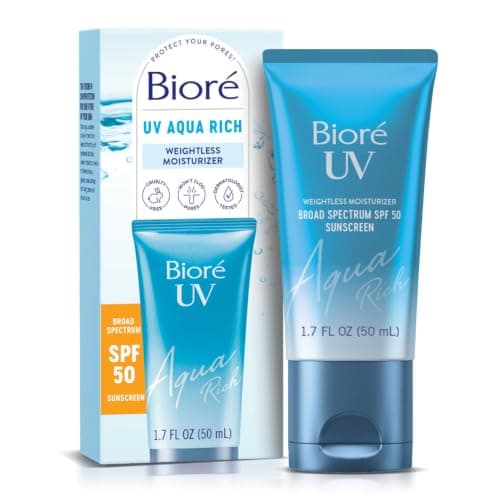
The clearest proof is Biore UV Aqua Rich. The Japanese version's published list carries ethylhexyl triazone, diethylamino hydroxybenzoyl hexyl benzoate and bis-ethylhexyloxyphenol methoxyphenyl triazine — three modern UV filters that do not appear among the actives the FDA permits in a US over-the-counter sunscreen. The US-market Biore UV Aqua Rich Moisturizer SPF 50 therefore cannot contain them, and its Drug Facts panel instead reads avobenzone 3%, homosalate 10%, octisalate 5% and octocrylene 5%. Same brand, same sub-brand, same marketing language, an entirely different filter system.
So this page does something the usual Japanese-skincare roundup does not: it tells you, product by product, whether you are buying a US-market formula or a parallel import, and what that costs you. Seven products below — six we would buy and one cult favorite we would not — ranked on published ingredient lists rather than on vibes about Japanese innovation. If you came here from the other side of the aisle, our best Korean skincare picks run on the same rules.
How we screened this category
Japanese skincare is unusually easy to assess honestly, because the brands publish full ingredient lists and the Japanese regulatory system labels its actives. So the screen is not taste. It is five checkable questions, applied to every product above.
1. Is this the Japanese formula, or a US reformulation?
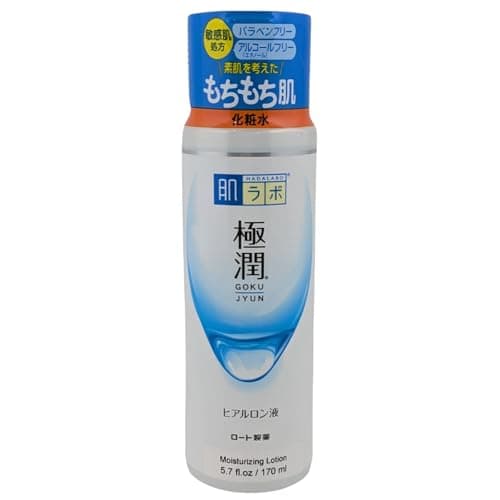
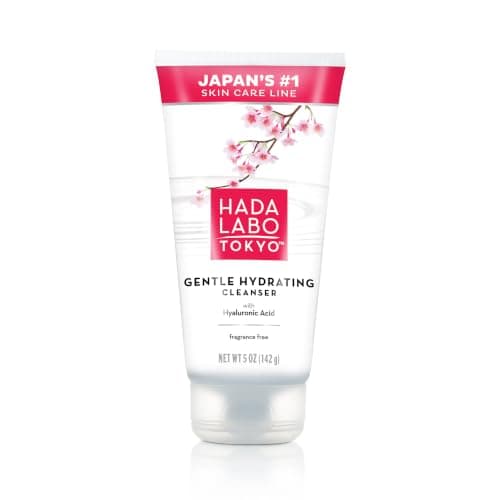
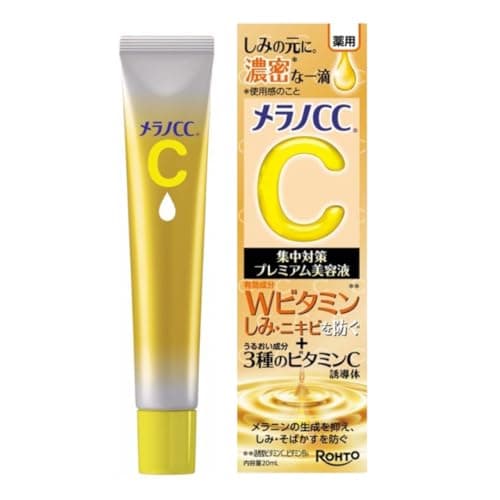
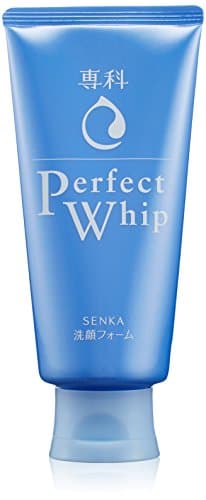
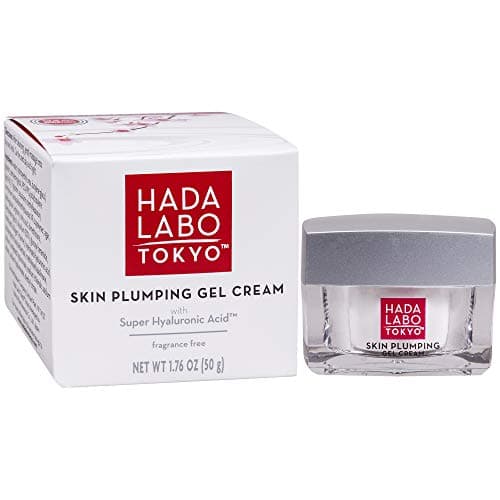
This question reorganizes the whole category, and it has a concrete answer per product. Hada Labo Tokyo is a US-market line — different formulas from the Japanese Gokujyun range, sold with a US ingredient list. Biore UV Aqua Rich Moisturizer SPF 50 is a US reformulation of a Japanese product, carrying the US Drug Facts panel the law requires. Gokujyun lotion, Melano CC and Senka Perfect Whip are parallel imports: the Japanese bottle, unchanged, resold here.
Neither route is automatically better. The US formulas are labeled in English, consistently stocked, and sold by the brand. The imports are the formula you actually read about. What is not acceptable is a review that treats them as interchangeable — which is what happens every time someone recommends "Biore UV Aqua Rich" without saying which one.
2. For sunscreen: which filters are in it?
Sunscreen is the one category where the gap is not cosmetic. Japan approves UV filters the United States does not, and the three doing the heavy lifting in the Japanese Aqua Rich formula — ethylhexyl triazone, diethylamino hydroxybenzoyl hexyl benzoate and bis-ethylhexyloxyphenol methoxyphenyl triazine — are not among the actives the FDA permits in a US over-the-counter sunscreen. They are photostable, cosmetically elegant and widely used elsewhere. They are also, legally, unavailable to a US-market product.
The consequence is worth stating plainly: you cannot buy the Japanese sunscreen experience in a US-compliant bottle, and a US-compliant bottle is the only one with an actives panel you can check. Imported Japanese sunscreen sold here is an unapproved drug in US terms — a labeling problem rather than a safety scare, but it does mean no Drug Facts panel, no US SPF testing claim, and no recourse if your lot spent a summer in a warm warehouse. We rank the US formula for that reason. If you want the whole decision laid out, our chemical vs mineral sunscreen comparison covers how filter systems differ, and best face sunscreen ranks the US market properly.
3. Quasi-drug, or cosmetic?
Japan has a middle regulatory tier the US does not: the quasi-drug, or iyakubugaihin. A quasi-drug is approved on named actives for a named purpose, which is why a Japanese box can legally say it prevents spots and freckles. Melano CC is one of these; its approved actives are ascorbyl glucoside — a glucose-bound, far more stable vitamin C derivative — and dipotassium glycyrrhizinate, a licorice-derived anti-inflammatory.
There is no US equivalent. Here a product is either a cosmetic, which cannot claim to treat pigmentation, or a drug, which needs a monograph or an approval. So when you read that a Japanese serum is "medicated", that is a translation of a real regulatory status — and it still tells you nothing about effect size on your face. For what the evidence actually supports on pigment, see best skincare for dark spots and the vitamin C guide.
4. What is the surfactant system?
Japan exports two completely different cleanser philosophies and the internet treats them as one. The famous foams — Perfect Whip and most of the drugstore tubes beside it — are soap: fatty acids neutralized with potassium hydroxide, which is what produces that dense, shaving-cream lather and the squeaky finish. The newer formulas, Hada Labo Tokyo's included, are built on amino-acid surfactants such as sodium cocoyl glycinate, which lather less dramatically and leave the barrier alone.
If your skin is dry, reactive, or on a retinoid, the lather you are being sold is the problem. Read the first five ingredients: a fatty acid plus a hydroxide means soap. Our best face cleanser page applies the same test across the US market.
5. Is "fragrance-free" actually true?
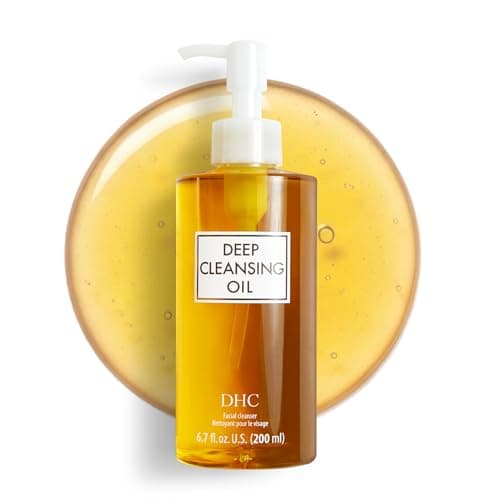
Two products above fail this on their own labels, and we say so on the cards. The US Biore declares fragrance plus citral, geraniol, limonene and linalool. DHC Deep Cleansing Oil has no parfum but finishes its list with rosemary leaf oil, which is an essential oil. Hada Labo Tokyo's gel cream and foam, and the Gokujyun lotion, carry neither — unusual for the category, and most of why they rank where they do.
The lotion step, explained properly
The biggest translation failure in this category is the word "lotion". A Japanese keshosui is a thin, watery hydrating step applied straight after cleansing. It is not a body lotion, and it is not an astringent toner of the kind that stripped faces in the 1990s. It is closest to what the US market now sells as an essence.
Functionally it is a humectant delivery step: water, glycols, glycerin and hyaluronic acid, patted into damp skin so the moisturizer that follows has something to hold in. That is the entire mechanism, and it is real but modest. It will not replace your moisturizer — the Gokujyun lotion contains no occlusive at all, which on an eleven-line list you can verify yourself. Our face toner roundup covers where this step sits for a US buyer, and the hyaluronic acid guide explains the one rule that decides whether a humectant helps or backfires.
A complete Japanese routine is four products
Not ten. The routine the products above build is: oil cleanse at night, foam cleanse after it, hydrating lotion onto damp skin, gel cream to seal, sunscreen in the morning. Melano CC slots in before the gel cream if pigment is your concern. That is it — six products, one of them optional, and two of them the same cleansing step split in half.
If that sounds familiar, it should: it is the same architecture as the Korean 10-step routine, honestly explained, which collapses to roughly the same four jobs once you strip out the steps that exist to sell products. The sequence is covered in full on skincare routine order.
How to check an import listing before you buy
- Read the title for brand and model, not for adjectives.A listing headed "Premium Sunscreen U.V Aqua Rich Watery Essence" with no brand name is a reseller's title, not the manufacturer's.
- Check whether the seller is the brand. DHC and Hada Labo Tokyo sell into the US directly. Gokujyun, Melano CC and Senka arrive through importers, and the specific seller changes month to month.
- Expect Japanese-only packaging on imports, including the batch code and any warnings. If you need to read the label, buy the US line.
- Treat an imported sunscreen as the highest-risk import, because heat and light degrade UV filters and you have no visibility into how the stock traveled. The same logic is why some manufacturers ask you to refrigerate an active — see the skincare fridge page for the honest version of that argument.
- Do not pay import pricing for a US product. Several Hada Labo Tokyo listings are multipacks or reseller bundles priced well above the single US unit. Check the per-ounce math before you add to cart.
What we did not rank, and why
We left out every Japanese sunscreen sold here as an unmodified import, including the Watery Essence version of the product we do rank. It is a good sunscreen in Japan. Sold here it has no US actives panel, no US SPF claim, and an unknowable storage history for a product whose whole job is photostability — and we are not willing to put a buy button on that while calling this page honest.
We also left out the prestige end, the department-store Japanese serums. They are not bad products. They are the same trade the luxury skincare gifts page describes: texture, packaging and pleasure at a multiple of the price, with an ingredient list that does not justify the gap. And we excluded sheet masks as a category — a fine way to spend twenty minutes, and not a skincare decision.