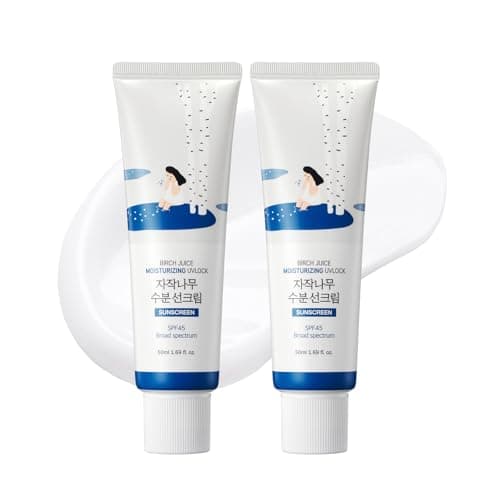
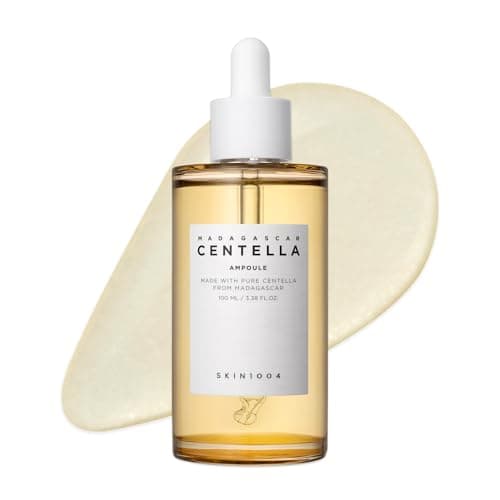
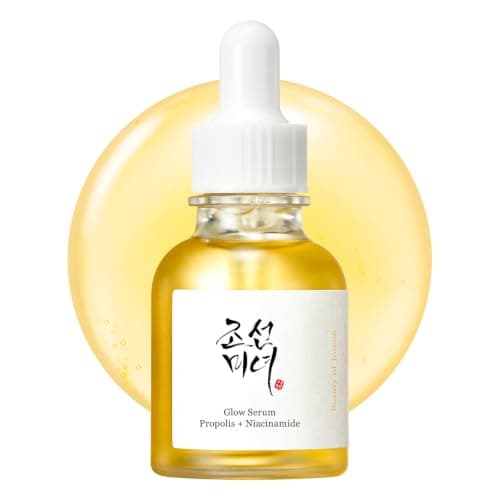
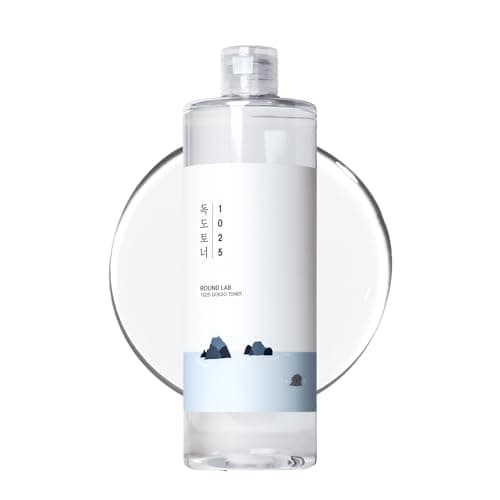
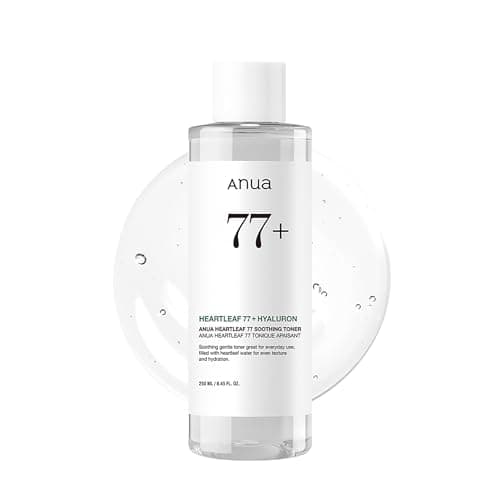
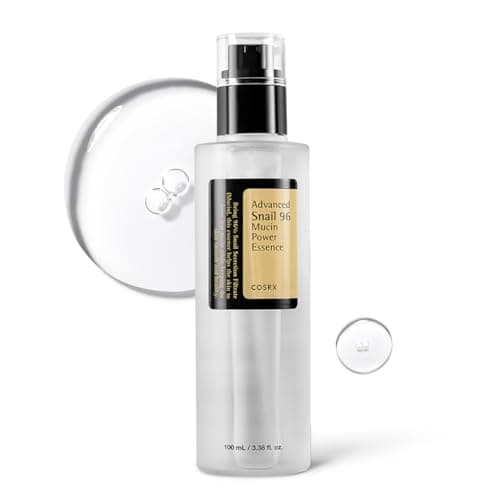
Korean skincare is worth buying for two specific reasons, and neither of them is the ten-step routine. The first is texture engineering: Korean formulators are unusually good at making a hydrating layer feel weightless, which is why the same ingredients often feel better in a Korean bottle. The second is sunscreen — Korea regulates SPF as a cosmetic rather than an over-the-counter drug, so it uses filters unavailable in the US, and the results are genuinely more pleasant to wear every day.
What is not a reason: step count. We wrote a whole guide arguing that most of the Korean 10-step routine is optional, and nothing here changes that. Buy these products because the formulas are good and the prices are low, then use four of them, not ten.
Below, six products ranked on what is actually in the bottle, how it feels, and what it costs. A note on sourcing before you buy anything: this category has an unusual amount of gray-market and counterfeit stock. Buy from the brand's own storefront where one exists, check that the listing carries the actual brand name rather than a generic description, and be suspicious of a well-known product at half the usual price. The same sourcing problem, and the regulatory reason underneath it, runs product by product through our best Japanese skincare page — where the gap between a US-market formula and an imported one is wide enough to change which bottle you should buy.
Where K-beauty genuinely leads: sunscreen
This is the one category where the difference is structural rather than aesthetic. In the US, sunscreen is regulated as an over-the-counter drug, and no new UV filter has been added to the approved list in decades. Korea regulates it as a cosmetic, which means Korean sunscreens can use newer filters that are more photostable, more effective against UVA, and far more pleasant on the skin. The practical result is a daily SPF that feels like a moisturizer instead of a chore — and the sunscreen you will actually wear is the one that works.
The trade-off is regulatory. A Korean SPF number comes from Korean testing protocols, not FDA ones, and the "PA" rating is a Japanese-origin UVA scale rather than the US broad-spectrum designation. For daily city sun that is a reasonable trade. For a long day outdoors or in water, a US-regulated sunscreen with a tested water-resistance claim is the safer choice — our face sunscreen roundup covers both.
The honest read on snail mucin
Snail secretion filtrate is a mixture of glycoproteins, hyaluronic acid, glycolic acid and peptides, and it is a genuinely good humectant — skin feels hydrated and looks smoother after using it. What the published evidence does not support is the repair, regeneration and scar-fading language the category is sold on. Those studies are small, frequently industry-funded, and not the sort of thing we would hang a recommendation on.
So buy it as a hydrating layer that feels lovely and costs little. If you want the same humectant effect from a better-studied ingredient, our hyaluronic acid serum roundup is the direct comparison, and the full ingredient write-up is in our snail mucin guide.
"Glass skin" is a look, not a result
The glass-skin aesthetic — poreless, wet-looking, luminous — is produced by layered humectants, careful lighting and, in most of the images you have seen, a diffusing filter. Layered hydration genuinely does make skin look plumper and more reflective for a few hours. It does not shrink pores or change skin structure, and chasing the look with more layers eventually just leaves you shiny. Two hydrating layers is the useful ceiling for most people.
Buying safely
- Check the brand name on the listing itself, not just in the photo. A listing titled with a generic description of the product rather than the brand is a flag.
- Prefer official brand storefronts where they exist. Most of these brands now sell directly.
- Check the expiry and manufacture markings when it arrives. Gray-market stock is often close to end of life.
- Be wary of a well-known product at half price. This category is counterfeited more than most.
If you want the routine that goes around these products rather than the products themselves, our Korean routine guide works through which of the ten steps are worth keeping and which exist to sell a tenth bottle.
One ingredient on this page carries most of the category's reputation and deserves reading about on its own terms before you buy another essence: snail mucin, explained covers what it genuinely does, what it is, and who should avoid it.
The newest ingredient to arrive from this market in volume is PDRN, the salmon-DNA fraction now on the front of dozens of serums. It is a real molecule with real pharmacology and a serious question mark over whether a topical reaches anything — our PDRN guide separates the injectable evidence from the bottle before you spend anything on it.