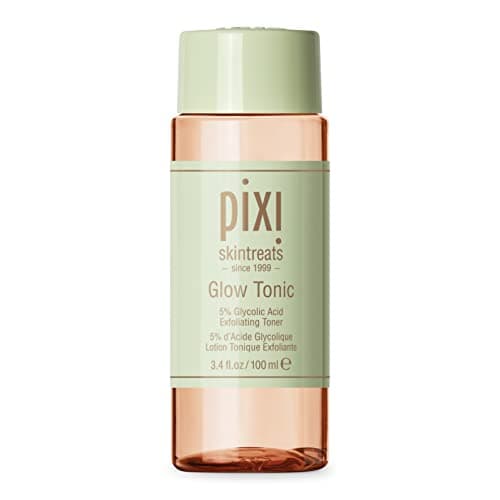
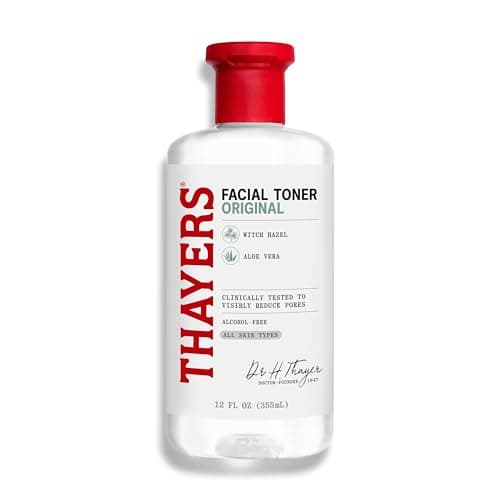
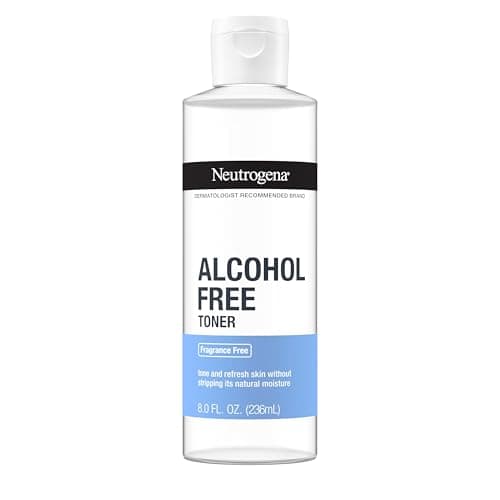
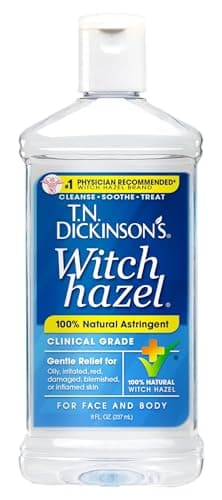
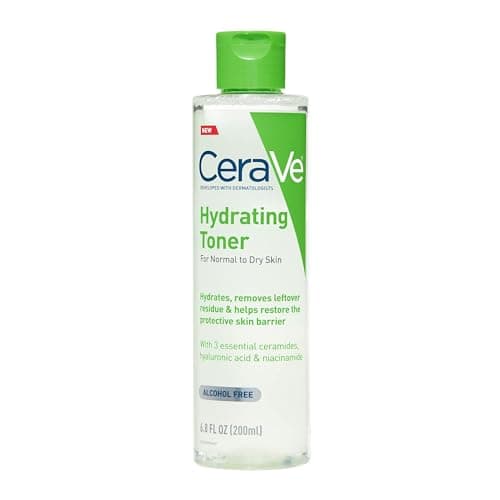
Most people do not need a toner. The step exists because soap-based cleansers used to leave skin at an uncomfortable pH and something had to bring it back down. Modern cleansers are pH-balanced, so that original job is gone. What is left is a delivery vehicle: a watery layer that can add humectants, or a mild acid, or — in the worst case — alcohol that strips the skin you just washed.
So the question is not "which toner is best," it is "what do I want this extra bottle to add?" If the answer is hydration, a good hydrating toner is a pleasant, cheap way to get humectants onto damp skin. If the answer is gentle exfoliation, an acid toner is a legitimate way to fold that into your routine. If the answer is tightening my pores or removing leftover dirt, the honest response is that no toner does either, and you should spend the money on sunscreen instead.
We ranked the five below on that basis — what is in the bottle, whether it earns the step, and whether it contains denatured alcohol high in the list. One classic bestseller ends up as our explicit skip, and we explain exactly why.
What a toner can and cannot do
Can: deliver humectants onto damp skin, deliver a low-strength acid in an easy-to-apply format, and feel pleasant. Cannot:shrink pores, "deep clean" anything your cleanser missed, or rebalance a pH that a modern cleanser never disturbed. Pore size is set by genetics and by how much oil the pore is holding; a liquid on a cotton pad does not change either for more than a few minutes.
Which raises the prior question, and it is a fair one: do you need a toner at all?The step was invented to correct what alkaline soap did to skin, and modern cleansers do not create that problem — so the honest answer is no, with three exceptions.
The other claim worth retiring: if your toner is coming off the cotton pad brown, that is not proof your cleanser failed. It is makeup residue, environmental deposit and dead cells that a rinse-off cleanser was never designed to lift completely — and none of it was doing harm sitting there.
Read the alcohol position, not the front label
"Alcohol" on an ingredient list is not one thing. Denatured alcohol, alcohol denat., SD alcohol and isopropyl alcohol are solvents — high in a list, they degrease and can compromise the barrier with daily use. Cetyl, stearyl, cetearyl and behenyl alcoholare fatty alcohols; they are emollients and are entirely fine. A product can say "alcohol-free" on the front and contain the fatty kind, which is not a contradiction. Our ingredient list checker walks through reading a label like this yourself.
If you are going to use one, use it properly
- Order: straight after cleansing, before serums. The routine order guide shows the whole sequence.
- Application: hands, not a cotton pad, unless you are deliberately wiping. Pads waste half the product and add friction you do not need.
- Do not double up: an acid toner plus a leave-on acid is two exfoliants. Pick one, and see our chemical exfoliant roundup if the leave-on option suits you better.
The honest recommendation
If your routine is cleanser, moisturizer and sunscreen and you are wondering what to add next, do not add a toner— add an active that does a defined job, or a better sunscreen. Add a toner when you specifically want the format: a hydrating layer that goes on fast, or an acid you will remember to use because it lives in the step right after washing. Both are legitimate reasons. "Because a routine is supposed to have one" is not.
How we picked
We did not lab-test this gear
Everyone in this category says they tested twenty products. We have not lab-tested any of these, and we say so. What we did instead: compiled the published specifications, decoded the ingredient (INCI) lists active by active, ran the math where there was math to run, and scored each product against a published rubric. The scores are judgments from documented research — not measurements we took, because we do not have a lab and we will not pretend we do. Where a number came from someone else's work, we name them in Sources.