No. You do not need a toner, and nothing in a routine breaks without one. If you own a decent cleanser, a moisturizer and a sunscreen, adding a toner is optional in a way that adding sunscreen is not. That is the honest answer and it is the one most pages selling toners will not give you.
But the step is still worth buying in three situations, because a toner is a convenient vehicle rather than a product category: it is the easiest way to add an exfoliating acid, the easiest way to add a hydration layer, and the easiest way to add something soothing. If one of those three is what you want, the toner aisle is the cheapest place to get it. If none of them is, skip the step and spend the money on sunscreen.
What a toner was actually for
This is the part that settles the question. Before pH-balanced synthetic cleansers, people washed their faces with soap — and true soap is strongly alkaline, typically around pH 9 to 10. Healthy facial skin is acidic. Work on skin surface pH and barrier function shows that washing with an alkaline surfactant shifts the surface for hours, not minutes, and the enzymes that build your barrier work badly while it is shifted. Soap also left a mineral residue in hard water.
The toner fixed both problems: an acidic, astringent liquid that wiped off the residue and pulled the surface pH back down. It was a correction for a cleanser, not a treatment for skin.
Modern cleansers are formulated close to skin pH and rinse clean. The original job is gone. What survived is the habit, the bottle and the marketing — which is why toner claims drifted from "restores pH" to "tightens pores", a claim with nothing behind it: pores have no muscle and nothing in a liquid closes them. Our blackheads guide covers what actually changes how a pore looks.
The three cases where a toner earns the step
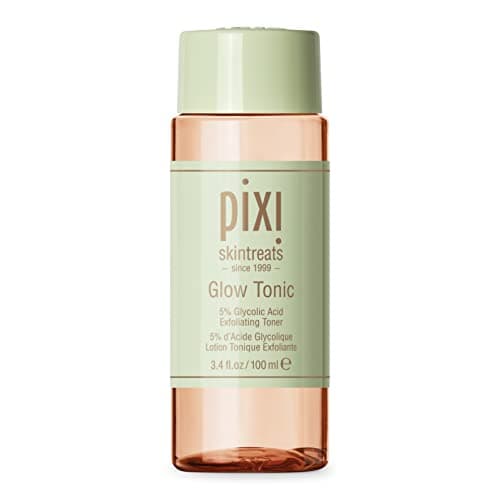
- You want an exfoliating acid in an easy format. A glycolic or salicylic toner is a genuinely good way to run an acid, because swiping a liquid is easier to remember than measuring a serum — and a routine you keep is the one that works. One acid, two or three nights a week, not more. See how often to exfoliate.
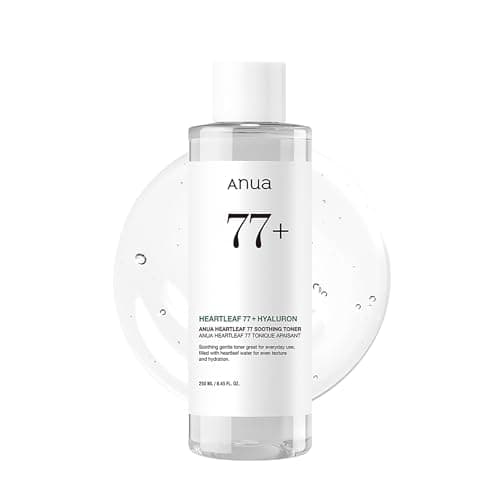
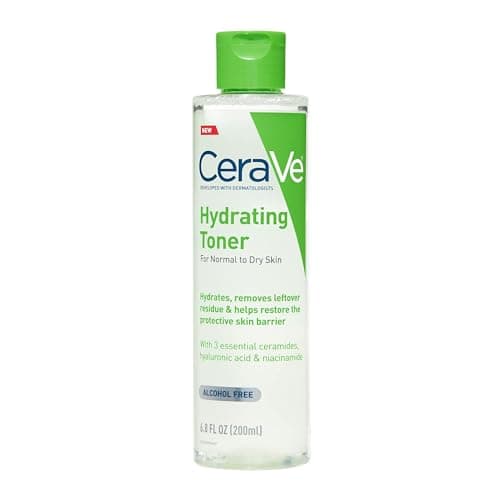
- You want an extra hydration layer.A humectant toner before your moisturizer adds water-holding ingredients to damp skin. This is the whole mechanism behind the Korean "layering" approach, and it is real if unspectacular — see best Korean skincare.
- You want something soothing after cleansing. Centella, panthenol or oat in an alcohol-free base, for skin that runs hot or flushed, or after shaving.
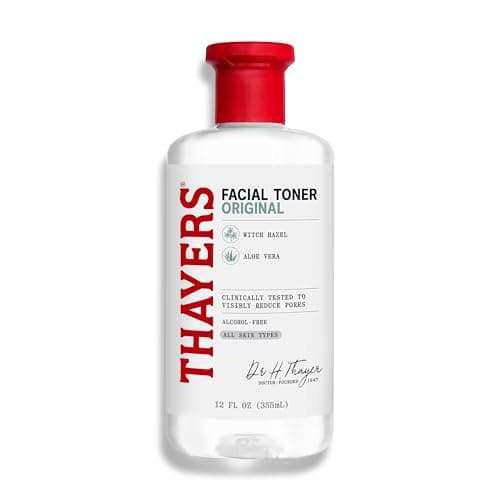
And the case where the answer is a flat no: an alcohol-heavy astringent used to make oily skin feel less oily. It works for twenty minutes, strips the barrier, and leaves skin producing the same amount of oil onto a more irritated surface. If that is why you are shopping, read best moisturizer for oily skin instead — the fix is upstream.
How we judged the four below
- Earns the step. The criterion that matters most on this page. Does the bottle contribute something your cleanser and moisturizer do not already do?
- Formulation. What is actually in it beyond water, and whether the active is at a useful strength.
- Gentleness. Alcohol, fragrance and acid strength, judged for twice-daily or nightly use.
- Value. Price per use, which for a product you pour onto a cotton pad is mostly a bottle-size question.
Toner, essence, mist or serum?
These are naming conventions, not categories, and no regulator polices any of them. A rough guide to what the words usually mean on a shelf:
| Word on the bottle | What it usually is | Do you need it? |
|---|
| Toner | A watery leave-on, sometimes with an acid | Only for one of the three cases above |
| Essence | A slightly thicker watery leave-on, usually humectant-led | Same as a hydrating toner, under a different name |
| Astringent | A toner with alcohol or strong witch hazel | No - this is the one we argue against |
| Mist | Water in a spray, sometimes with glycerin | No. Pleasant, not a step |
| Serum | A concentrated active in a small bottle | Often yes - this is where actives belong |
If you have a limited budget, the ranking is not close: sunscreen, then a cleanser that does not strip you, then a moisturizer, then an active you will actually use. A toner is the fifth thing, and the routine order page puts the whole sequence in place.
If you do use one
- Apply to damp skin, with your hands. A cotton pad throws away a meaningful share of the bottle and adds friction you do not need. Pads are useful for an acid, where even distribution matters.
- Do not wait for it to dry. A humectant toner works better under a moisturizer applied while skin is still damp - our page on how long to wait between steps covers the one exception, which is a low-pH acid.
- One acid in the routine, total. An acid toner plus an acid serum plus a scrub is the most common cause of a damaged barrier we see.
- Skip it when your skin is unhappy. The step you can drop without consequence is exactly the step to drop first.
The verdict in one line
A toner is a delivery format with a historical name, and you need the format only if you want what is in it. If you do, our best face toner roundup ranks the category properly, including the astringents we would not buy.
How we picked
We did not lab-test this gear
Everyone in this category says they tested twenty products. We have not lab-tested any of these, and we say so. What we did instead: compiled the published specifications, decoded the ingredient (INCI) lists active by active, ran the math where there was math to run, and scored each product against a published rubric. The scores are judgments from documented research — not measurements we took, because we do not have a lab and we will not pretend we do. Where a number came from someone else's work, we name them in Sources.