Skip to content
Barrier & Bloom

Education · Ingredients

Centella asiatica (cica), explained

The soothing ingredient with the best evidence in the calming category — and a marketing habit of claiming rather more than that evidence supports.

By Stephen V.Updated How we review
#ad

We earn a commission when you buy through our Amazon links, at no extra cost to you. It never changes a verdict, and we say so when the cheaper product is the better buy. How this works.

Centella asiatica — sold as cica, gotu kola, or tiger grass — is a marsh plant whose extract calms irritated skin and supports wound healing. Of all the ingredients marketed as "soothing," it has the most substantial body of research behind it, including clinical use in wound care that long predates its arrival in serums. If your skin is red, over-exfoliated or recovering from something, this is a genuinely reasonable ingredient to reach for.

What it is not is an active. Centella does not exfoliate, does not resurface, does not fade pigment and does not treat acne. It calms and it supports repair. That is a real and useful job — most people's skin problems are downstream of irritation, and the barrier-first approach this site takes has calming at its center — but it is a supporting role.

The four compounds that do the work

Centella extract contains four principal actives: asiaticoside, madecassoside, asiatic acid and madecassic acid. The first two are the ones you see on labels. Asiaticoside is associated with collagen synthesis and wound healing in the published work; madecassoside is the more anti-inflammatory of the pair and is the compound premium formulas tend to isolate and name specifically.

Practically, this means labels are worth reading. "Centella asiatica extract" is the whole-plant extract, which contains all four in unstated proportions. "Madecassoside" or "asiaticoside" named separately means the formulator has isolated the compound — more precise, usually more expensive, and not automatically better for general soothing. For most purposes the whole extract is fine, and a product with centella high in the list beats a product with an isolate buried at the bottom.

What the evidence supports, and where it stops

Reasonably supported: reduced redness and irritation, faster recovery of a compromised barrier, and use as a supportive treatment in wound care. This is the strongest position of any "calming" botanical, and it is why centella turns up in post-procedure products recommended by dermatologists.

Not well supported: the anti-aging and collagen-building claims that appear on a lot of cica packaging. The collagen work is largely in wound-healing contexts and in laboratory models, and extrapolating from "helps a wound close" to "reduces your wrinkles" is a leap the data does not make. If your goal is aging, a retinoid and sunscreen are the evidence-backed answers — see our anti-aging roundup.

When to reach for it

  • After over-exfoliating — this is the best use. Centella plus a bland moisturizer is a sensible barrier-recovery routine; the full protocol is in our damaged skin barrier guide.
  • Alongside a new retinoid — using a centella product on the nights you are not applying the retinoid takes the edge off the adjustment period.
  • On generally reactive or rosacea-prone skin — as a daily calming layer. It will not treat rosacea, but comfort has value.
  • After sun, shaving or a procedure — the traditional use, and the one with the most support behind it.

Cica versus niacinamide versus azelaic acid

All three are recommended for redness and they are not interchangeable. Niacinamide supports barrier lipid production and moderates oil — more structural, slower, useful daily. Azelaic acid is a genuine anti-inflammatory active with evidence in rosacea and acne — the strongest of the three, and the one with actual treatment claims. Centella is the pure comfort option: fastest to feel, least likely to irritate, no treatment claim at all. Reactive skin often does well on centella plus niacinamide together.

Buying notes

Two flags worth knowing. First, a lot of cica products are heavily fragranced, which is an odd choice for something sold to calm reactive skin — check the list. Second, the percentage claims on Korean cica packaging ("77% centella," "100% cica") usually refer to the proportion of the water phase replaced with extract, not to active compound concentration. It is not dishonest, but it does not mean what most people read it to mean.
The short answer

Quick picks

#ProductBest forScorePrice
01
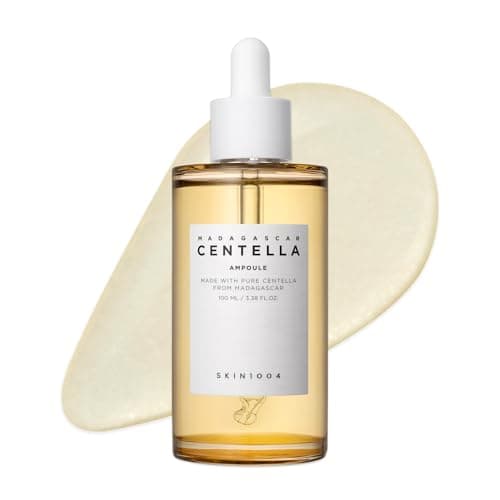
SKIN1004 SKIN1004 Madagascar Centella Ampoule
SKIN1004 Madagascar Centella Ampoule

Close to a single-ingredient product: centella extract, a preservative system, and very little else. That short list is exactly what you want on skin that is already annoyed.

Best pure centella
8.6
$16.92Amazon
02
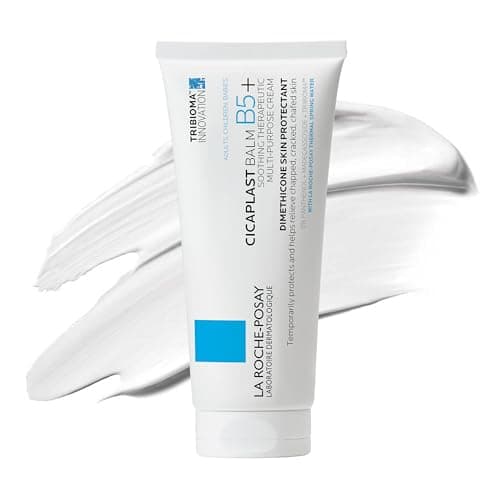
La Roche-Posay La Roche-Posay Cicaplast Balm B5
La Roche-Posay Cicaplast Balm B5

The pharmacy standard for a compromised barrier: madecassoside, panthenol, glycerin and shea in a thick occlusive balm. When skin is genuinely damaged rather than merely sensitive, this is the more useful format.

Best for a damaged barrier
8.0
$32.97Amazon
03
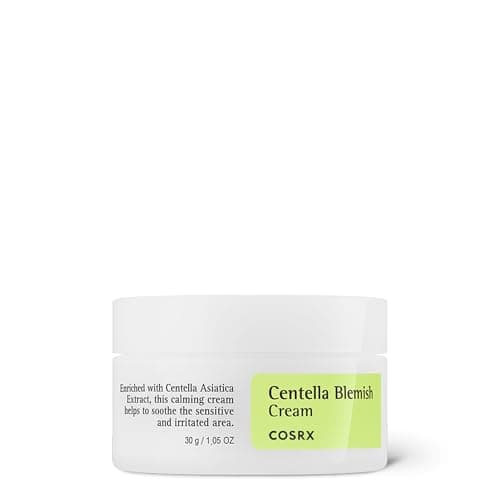
COSRX COSRX Centella Blemish Cream
COSRX Centella Blemish Cream

Centella in a light cream aimed at blemish-prone skin, with a small amount of zinc oxide. Useful on the specific problem of a spot that is inflamed and sore rather than merely present.

Best for inflamed blemishes
7.8
$18.49Amazon

#ad · Live prices from the Amazon Product API, as of Aug 28, 2026. Where we have no verified live price, we show none — a gap beats a number that has rotted.

In detail

The picks, in full

01
SKIN1004 SKIN1004 Madagascar Centella Ampoule

Best pure centella

SKIN1004 Madagascar Centella Ampoule

Centella extractMinimal ingredient listFragrance-freeAmpoule
8.6/10

Close to a single-ingredient product: centella extract, a preservative system, and very little else. That short list is exactly what you want on skin that is already annoyed.

Ingredients
9
Efficacy
7
Gentleness
10
Texture
9
Value
8

Pros

  • Genuinely short list, which is rare in this category
  • No fragrance, no essential oils, no drying alcohol
  • Watery enough to layer under anything
  • Large bottle for the price

Cons

  • Soothing only — it treats nothing and changes nothing structurally
  • Very light, so dry skin needs a real moisturizer over it

Don't buy this if…

your skin is calm. This is a product for irritation, and on comfortable skin you will notice nothing.

$16.92View on Amazon

Price as of Aug 28, 2026. Prices change — Amazon's at checkout is the one that counts.

#ad · we may earn a commission from this link to SKIN1004 Madagascar Centella Ampoule

02
La Roche-Posay La Roche-Posay Cicaplast Balm B5

Best for a damaged barrier

La Roche-Posay Cicaplast Balm B5

Madecassoside5% panthenolOcclusive balmFragrance-free
8.0/10

The pharmacy standard for a compromised barrier: madecassoside, panthenol, glycerin and shea in a thick occlusive balm. When skin is genuinely damaged rather than merely sensitive, this is the more useful format.

Ingredients
9
Efficacy
9
Gentleness
9
Texture
6
Value
7

Pros

  • Named madecassoside rather than an unspecified extract
  • Occlusive format actively protects while it soothes
  • Genuinely multi-purpose — face, hands, chapped patches

Cons

  • Too heavy for daily all-over facial use on anything but dry skin
  • Most expensive per ounce of the three here

Don't buy this if…

your skin is oily or blemish-prone. This is a rich occlusive balm and it behaves like one.

$32.97View on Amazon

Price as of Aug 28, 2026. Prices change — Amazon's at checkout is the one that counts.

#ad · we may earn a commission from this link to La Roche-Posay Cicaplast Balm B5

03
COSRX COSRX Centella Blemish Cream

Best for inflamed blemishes

COSRX Centella Blemish Cream

Centella extractZinc oxide1.05 fl ozLightweight cream
7.8/10

Centella in a light cream aimed at blemish-prone skin, with a small amount of zinc oxide. Useful on the specific problem of a spot that is inflamed and sore rather than merely present.

Ingredients
7
Efficacy
7
Gentleness
9
Texture
8
Value
8

Pros

  • Calms the redness around a blemish without drying it out
  • Light enough to use as an all-over cream on oily skin
  • Small tube at a fair price for a targeted product

Cons

  • Not an acne treatment — it manages the inflammation, not the cause
  • The zinc oxide can leave a faint cast on deeper skin tones

Don't buy this if…

you want something that clears spots. For that, benzoyl peroxide or a retinoid is the tool; see our acne roundup.

$18.49View on Amazon

Price as of Aug 28, 2026. Prices change — Amazon's at checkout is the one that counts.

#ad · we may earn a commission from this link to COSRX Centella Blemish Cream

How we picked

We did not lab-test this gear

Everyone in this category says they tested twenty products. We have not lab-tested any of these, and we say so. What we did instead: compiled the published specifications, decoded the ingredient (INCI) lists active by active, ran the math where there was math to run, and scored each product against a published rubric. The scores are judgments from documented research — not measurements we took, because we do not have a lab and we will not pretend we do. Where a number came from someone else's work, we name them in Sources.

Questions

Frequently asked

What does centella asiatica do for skin?
It calms irritation and supports barrier recovery. Its main compounds — asiaticoside and madecassoside in particular — have anti-inflammatory and wound-healing evidence behind them, which is why centella appears in post-procedure products. It is a soothing ingredient, not an active treatment.
Is cica the same as centella?
Yes. 'Cica' is a shortening of Centella asiatica used in Korean and European skincare marketing. Gotu kola and tiger grass are other names for the same plant. Any of them on a label means the same extract.
Does centella help with acne?
Indirectly at best. It reduces the redness and soreness around an inflamed blemish, which makes skin look and feel better, but it does not address the oil, bacteria and follicular blockage that cause acne. Use it alongside a real acne treatment rather than instead of one.
Does centella build collagen or reduce wrinkles?
The collagen evidence comes largely from wound-healing research and laboratory models, and extrapolating from that to wrinkle reduction is a leap the data does not support. For aging, a retinoid and daily sunscreen are the evidence-backed choices.
What does '77% centella' on a Korean product mean?
Usually that 77% of the water phase has been replaced with centella-infused water or extract — not that the product is 77% active compound. It is a real formulation choice rather than a fabrication, but it does not mean what most shoppers read it to mean.

Keep reading

Receipts

Sources

We do not run a testing lab, and we do not pretend to. Where a measured number came from someone else's work, we name them and link them. Where we could not verify something, we say so on the page rather than quietly leaving it out. Read our full method.