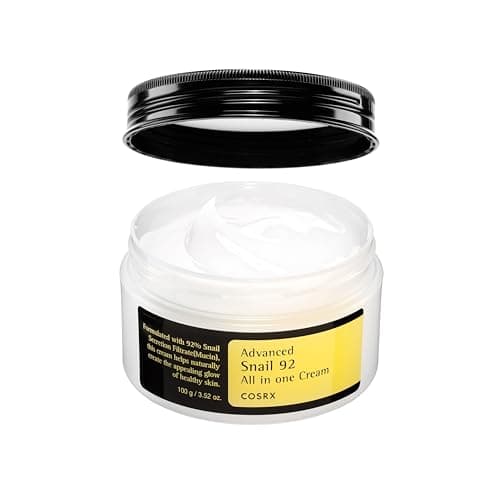
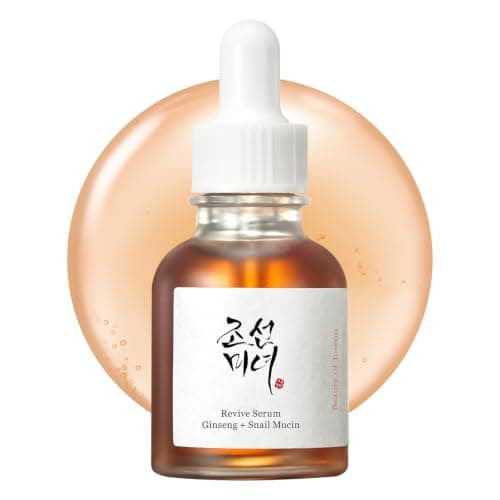
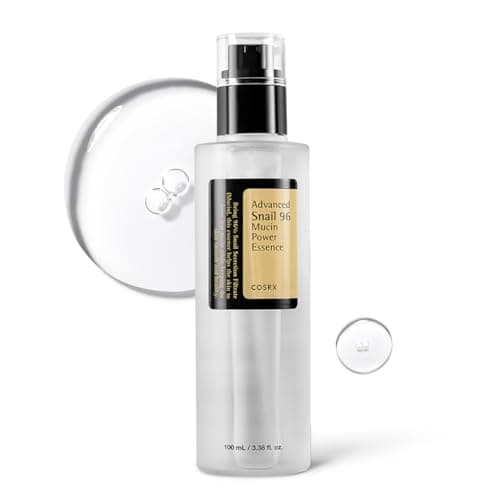
Snail mucin — properly, snail secretion filtrate — is the filtered mucus a snail produces to move and protect itself. It contains hyaluronic acid, glycoproteins, glycolic acid, zinc and copper peptides, and the practical result is a very good humectant: skin feels hydrated, looks smoother, and holds water better for a few hours. On that narrow claim, it delivers.
The rest of the category's marketing — repair, regeneration, scar fading, wrinkle reduction — sits on a much thinner base. The studies that exist are small, short and frequently connected to the companies selling the ingredient, and independent replication is scarce. That is not the same as saying it does nothing; it is saying that if you buy it expecting regeneration, you are buying a claim rather than a demonstrated effect.
What is actually in it
- Hyaluronic acid and glycosaminoglycans — the humectant fraction, and the part doing most of the observable work. Same category of molecule as a hyaluronic acid serum.
- Glycoproteins — film-forming molecules that give snail mucin its distinctive slightly stringy texture and its smoothing effect on the surface.
- Glycolic acid — present in small, non-exfoliating amounts. It is not an exfoliant at these levels and should not be treated as one.
- Zinc and copper peptides — the basis of most of the repair marketing. Peptides are a legitimate ingredient class; the concentrations in a mucin filtrate are not disclosed and are unlikely to be high.
What it does well
Hydration and comfort, immediately and reliably. A snail essence layered on damp skin under a moisturizer produces the plump, smooth, comfortable finish the K-beauty aesthetic is built on, and it does it without fragrance, without alcohol, and usually for under twenty dollars for a large bottle. As a hydrating layer in a barrier-friendly routine it is genuinely good value.
It is also unusually well tolerated. Reactions to snail filtrate are rare, and the better products have very short ingredient lists. For reactive skin looking for a hydrating step that will not sting, it is a reasonable choice — with the caveat that if you have a shellfish or mollusk allergy, patch test properly first.
What the evidence does not support
Scar fading. No. Established scars are remodeled collagen and a topical humectant does not restructure them.
Acne treatment. No. The glycolic content is far too low to exfoliate and nothing in the filtrate addresses the follicular blockage that causes acne. If that is your concern, our acne roundup covers ingredients with actual evidence.
Wrinkle reduction. Temporarily, in the way any good humectant plumps fine lines for a few hours. Structurally, no — and a retinol is the ingredient with decades of data behind it if that is the goal.
How it is harvested, honestly
This is a reasonable thing to want to know. Modern commercial production generally involves keeping snails in controlled conditions and collecting secretion produced during normal movement over a mesh or similar surface, then filtering and preserving it. Reputable producers describe processes intended to be non-harmful, and some brands publish details.
What we will not do is certify any of that. Welfare practices vary by producer, third-party verification is limited, and we have not audited any facility. If cruelty-free sourcing matters to you, look for brands that publish their process specifically rather than relying on a generic logo — and note that snail mucin is not vegan under any definition. If you want the same hydration from a vegan source, a hyaluronic acid or polyglutamic acid serum is the direct substitute.
How to use it
As a hydrating layer: after cleansing, onto damp skin, before moisturizer. It layers well under anything and conflicts with nothing. Once or twice a day is fine. Like every humectant, it needs a moisturizer over the top in dry air — the same rule that applies to hyaluronic acid serums, and for the same reason.
This was the last ingredient to arrive on Western shelves at this speed, and the current one is PDRN — DNA fragments, usually salmon-derived, with the same pattern of a good mechanism and an unresolved question about whether a serum delivers it. Our PDRN guide applies the same test to it that this page applied here.