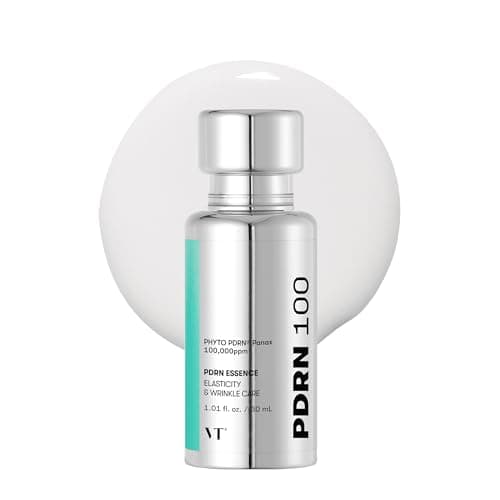
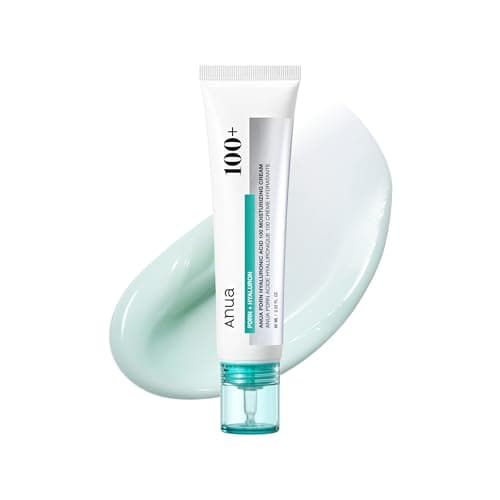
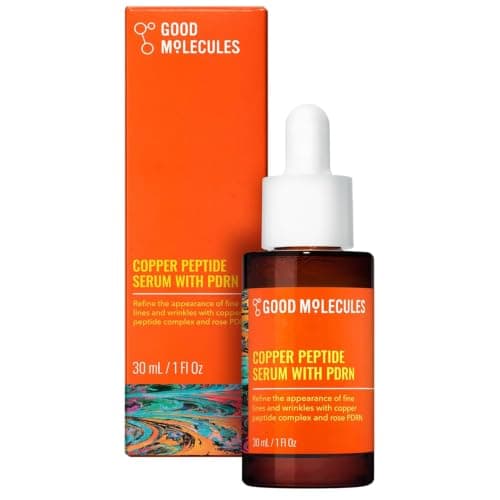
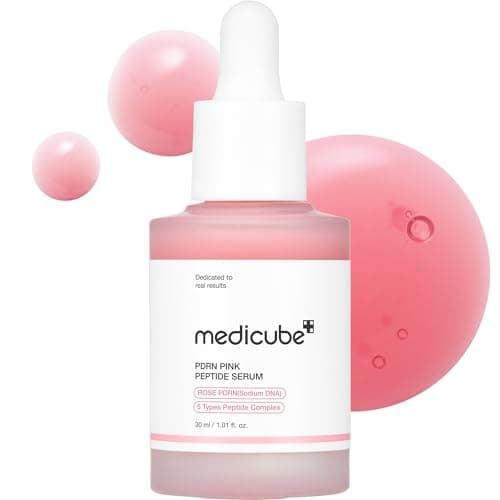
PDRN is a real ingredient with real pharmacology, and almost none of that evidence was generated by putting it on top of skin. Polydeoxyribonucleotide is a mixture of DNA fragments, classically extracted from salmon, and the published work behind it is overwhelmingly about injected forms used in wound healing and tissue repair. A topical PDRN serum is a different proposition: a large, water-loving polymer being asked to cross a barrier built specifically to keep large, water-loving molecules out. That does not make these products useless — the best of them are well-made Korean serums whose peptides, humectants and niacinamide do visible work — but it does mean the headline ingredient is the least proven thing in the bottle.
This is the newest ingredient to arrive on the shelf in volume since snail mucin, and the search interest has outrun the explanations. So: what it is, what the evidence says, what the labels mean, and what to buy if you want to try it anyway.
What PDRN actually is
Polydeoxyribonucleotideis not a single molecule. It is a defined mixture of low-molecular-weight DNA fragments — deoxyribonucleotide polymers — produced by extracting and then controlling the breakdown of DNA from a biological source. The classical source, and the one behind the pharmaceutical products, is salmon: salmon sperm or testes, which is why every marketing page in the category says “salmon DNA” and no bottle says it in quite that order.
The proposed mechanism is receptor-mediated rather than structural. PDRN fragments are thought to act on adenosine A2A receptors and to supply nucleotides through the salvage pathway, which together are associated with reduced inflammation, increased growth-factor expression and faster tissue repair. That is a drug-like mechanism, and it is why the molecule has a clinical literature at all.
You will also see PN(polynucleotides) on clinic price lists — longer-chain cousins used in the injectable “skin booster” treatments. PDRN and PN are related but not interchangeable, and neither is the same as the hyaluronic acid in a filler.
Where the evidence actually comes from
This is the part the category does not advertise. The substantial published work on PDRN concerns injected or locally infiltrated administration, and the strongest signals are in wound healing — diabetic foot ulcers, burns, tissue repair after surgery — rather than in cosmetic skin quality. There is a reasonable body of in-vitro work on fibroblast behavior, and a growing but much thinner set of clinical reports on the injectable aesthetic treatments.
For topicalPDRN, the question is not whether the molecule does something in tissue. It is whether a DNA fragment mixture applied to the surface reaches tissue at all. The stratum corneum is a selective barrier, and the usual rule of thumb is that penetration falls off sharply above a few hundred daltons for hydrophilic molecules. DNA polymers are orders of magnitude larger than that. Manufacturers answer this with “low-molecular-weight” fractions, microneedle-adjacent delivery claims and spicule formulations, and some of those approaches are plausible. None of them has the kind of published, independent, controlled evidence behind it that we would need before writing that a serum delivers what an injection delivers.
So the honest position is the one our method page commits us to: a mechanism worth taking seriously, a route of administration that has not been shown to reach it, and a category whose visible results are at least partly attributable to the other actives in the formula. This is the same reasoning we applied to peptides — another large-molecule class with a good story and a delivery problem.
Reading a PDRN label
- “Salmon DNA” is the source, not a second ingredient. On the INCI you are looking for sodium DNA, or a named salmon-derived DNA ingredient. If the front of the box shouts PDRN and the ingredient list has sodium DNA sitting below the preservatives, you are buying a trace.
- “Vegan PDRN”, “rose PDRN” and “plant PDRN” are not the same material. They are plant-derived nucleotide preparations positioned as substitutes. They may well be fine ingredients; there is no published equivalence to salmon-derived PDRN, and a brand asserting one is not evidence.
- Look at what else is in it. Nearly every product in this category also contains peptides, niacinamide, glycerin and hyaluronic acid — ingredients with actual topical evidence behind them. That is a reason to buy a good formula, not a reason to believe the PDRN did it.
- No percentage means no dose. Almost nothing in this category states a PDRN concentration, which puts it in the same position as bakuchiol: you cannot compare two products on strength when neither will tell you one. Our ingredient-list checker is the thirty-second way to see how far down the list it really sits.
- Ignore “skin booster in a bottle”. A skin booster is an injection performed by a clinician. A serum is not a lower-cost version of one.
Who it is reasonable to try, and who should not bother
Try it if you are the sort of person who enjoys a well-made Korean serum, your barrier is healthy, and you are buying on texture and overall formula rather than on the headline molecule. Several of these products are genuinely pleasant, well-preserved and cheap by Western standards.
Do not bother if you are buying it instead of a retinoid, instead of sunscreen, or because you read that it rebuilds collagen. And skip it entirely if you have a fish or shellfish allergy and the product is salmon-derived — the same caution we give on snail mucin for mollusc allergy applies here with a clearer rationale.
What to look for before you buy
- A named DNA ingredient high on the INCI, not just PDRN on the front panel.
- Actives you can verify independently — peptides, niacinamide, panthenol. They are why the product will do something.
- A format you will actually finish. Essences and serums oxidize; a one-ounce bottle used nightly is a two-month course.
- A fragrance screen, because this category layers heavily and fragrance is the most avoidable irritant in a stack.
- A price you would pay for the formula alone, with the PDRN written off. That is the test that keeps this category honest.
The injectable question, answered plainly
People arrive at this ingredient from two directions, and they need different answers.
If you are considering a clinic treatment — Rejuran, polynucleotide skin boosters, whatever your local market calls them — that is a medical procedure with a practitioner, a consultation and a different risk profile. It is not something this site ranks or sells, and the published evidence for injected PDRN and PN is the evidence you should be asking your practitioner about. Nothing on this page is a substitute for it and we are not going to imply otherwise.
If you are considering a serum, the decision is simpler than the marketing suggests: judge the whole formula. A PDRN serum with good peptides, sensible humectants, no fragrance and a price you would pay anyway is a fine purchase. The same serum at a premium justified by the PDRN alone is not.
Where it fits in a routine
Serum or essence step, after cleansing and any toner, before moisturizer — the ordinary place, which our routine order guide lays out in full. Three practical notes:
- Do not stack it with an acid or a retinoid in the same step. If you are running actives, give this its own night or its own morning — skin cycling is the structure that makes room, and a slower acid such as mandelic is the easiest one to make room for.
- Copper peptide formulas want separating from low-pH vitamin C, which is the one real layering conflict in this group.
- Introduce it alone. A new serum plus a new cream in the same week tells you nothing, and a proper patch test takes five to seven days.
What we would buy instead, if the goal is results
We say this on every trending-ingredient page and it has not changed. If the complaint is fine lines and texture, a retinoid has decades of evidence and costs less. If it is dullness or pigment, vitamin C and daily sunscreen are the pair that actually move it. If it is firmness, nothing topical does what the word implies — and peptides are the closest honest option, which is exactly why the best product on this page leads with a copper peptide.
PDRN belongs in the same mental bucket as a well-made Korean essence: a pleasant, probably harmless, possibly useful addition to a routine whose foundations are already right. It is a terrible first purchase and a reasonable fifth one. For the wider version of that argument, our Korean skincare roundup separates what is genuinely better about the category from what is just newer.