Skip to content
Barrier & Bloom

Roundups · Best Skincare

The best vitamin C serum under $25, and what the ceiling really costs

A $25 cap in this category is a real trade-off, not a formality: it rules out the high-percentage L-ascorbic acid serums. Here is what you get instead, and why for most people it is the better buy anyway.

By Stephen V.Updated How we review
#ad

We earn a commission when you buy through our Amazon links, at no extra cost to you. It never changes a verdict, and we say so when the cheaper product is the better buy. How this works.

Buy the CeraVe Skin Brightening Vitamin C Serum. It is 10% L-ascorbic acid — the form with the best evidence — in a ceramide base, from a brand that will not sell you a 20% serum you abandon after four uses. The budget pick is The Ordinary Ascorbyl Glucoside Solution 12%, the cheapest serum here and the most tolerable: a stable derivative that will not oxidize into an orange mess in your bathroom. If dark spots specifically are the complaint, the Rohto Melano CC essence is the targeted option.

Every price in the comparison table below comes from the live Amazon price layer and renders with its own "as of" date. All five picks carried a live price under the band at the last check. We do not write prices into copy — a number in prose rots, and a gap beats a number that has rotted.

What the $25 cap actually excludes

This is where this page differs from most price-band pages, which quietly exclude nothing. Here the ceiling removes a real tier: the high-percentage L-ascorbic acid serums with vitamin E and ferulic acid. Two registry products sit above the line — the Timeless 20% Vitamin C + E Ferulic Acid Serum and the MAELOVE Glow Maker. Both are good, both are ranked with their full case on our unconstrained vitamin C roundup, and the honest summary of what you are giving up is this: a higher concentration of the best-evidenced form, in a base designed to slow its oxidation.

And here is the honest counter-argument, which is why we think the sub-$25 tier is the right buy for most people. Vitamin C serums are a compliance problem, not a potency problem. Free ascorbic acid is unstable, it oxidizes on the shelf and in use, and a 20% serum is both more irritating and more expensive to replace when it turns brown. The number that determines whether vitamin C does anything for your face is not the percentage on the box — it is how many mornings you actually apply it over a year. A cheaper, gentler, more stable serum you finish beats a stronger one you shelve, and the sub-$25 tier is where the serums you finish live.

Forms, briefly, because the price band is really a form band

FormEvidenceStabilityTypical price tier
L-ascorbic acid (10%)The best-evidenced form, at a moderate dosePoor in water. Watch the color, not the dateInside this band
L-ascorbic acid (15-20%) + E + ferulicSame form, higher dose, stabilizing partnersBetter, and still finiteAbove this band
Ascorbyl glucosideA derivative — needs conversion in skin, so less direct evidenceGood. This is the point of itThe cheapest tier of all
Sodium ascorbyl phosphate and other derivativesThinner evidence again, usually gentlerGoodInside this band

Our vitamin C derivatives explainer goes through the conversion question properly. The short version for shopping: under $25 you are choosing between a moderate dose of the real thing and a generous dose of a stable derivative, and both are defensible. What you cannot buy in this band is a high-dose L-ascorbic acid serum with a good stabilizing base.

The thing that decides whether any of this works

Sunscreen. Vitamin C in skincare is an antioxidant used in the morning, and its main plausible contribution is reducing oxidative damage alongside a sunscreen that blocks the radiation causing it. Without the sunscreen you are mopping a floor with the tap running. If your routine does not already include a daily SPF, close this page and read the sunscreen roundup instead — the money is better spent there and it is not a close call.

How we ranked these

  • Value at the ceiling — scored first, unlike on the parent roundup. At a fixed cap, cost per month of actual use is decisive.
  • Form and dose — which vitamin C, at what percentage, and does the brand publish it.
  • Stability — packaging, base, and how fast the bottle turns. The best serum in the world is useless brown.
  • Tolerance — low-pH ascorbic acid stings some faces. Derivatives mostly do not.

The short answer

Quick picks

#ProductBest forScorePrice
01
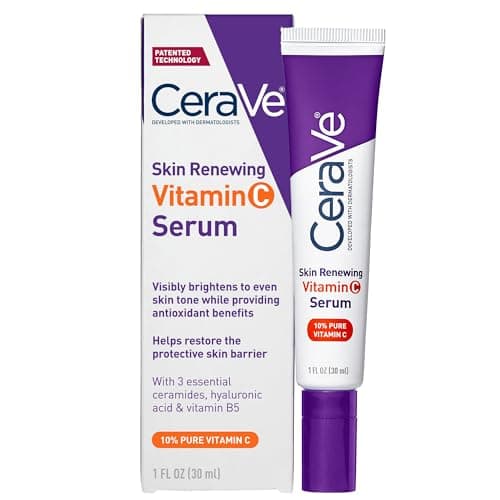
CeraVe CeraVe Skin Brightening Vitamin C Serum
CeraVe Skin Brightening Vitamin C Serum

The best buy in the band: 10% L-ascorbic acid - the form the research is actually about - in a ceramide and hyaluronic acid base, fragrance-free, in opaque packaging. The dose is moderate on purpose, and a moderate dose you use daily beats a heroic one you quit.

Best overall under $25
7.8
$23.86Amazon
02
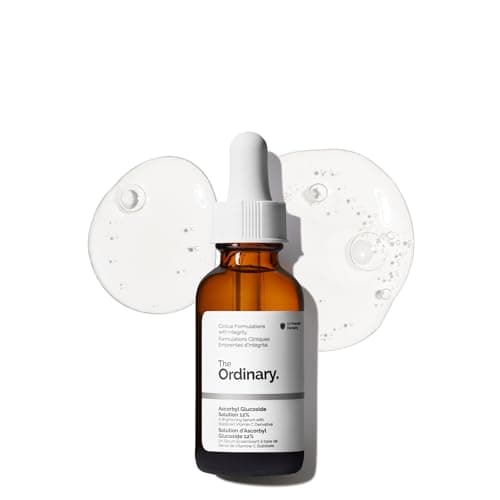
The Ordinary The Ordinary Ascorbyl Glucoside Solution 12%
The Ordinary Ascorbyl Glucoside Solution 12%

The budget pick, and the one we would actually hand to someone starting out. A stable vitamin C derivative at a published 12%, which means it will not oxidize in a fortnight and it will not sting - the two reasons most people abandon vitamin C.

Budget pick
8.8
$14.80Amazon
03
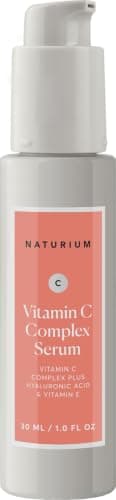
Naturium Naturium Vitamin C Complex Serum
Naturium Vitamin C Complex Serum

The best middle option: a blend of vitamin C forms rather than a single one, with a pleasant texture and a price well inside the band. The blend is also why it is harder to evaluate - a complex is a decision the brand makes on your behalf.

Best texture
7.5
$16.79Amazon
04
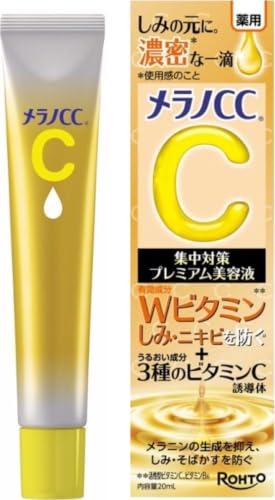
Rohto Mentholatum Rohto Melano CC Intensive Spot Prevention Premium Beauty Essence
Rohto Melano CC Intensive Spot Prevention Premium Beauty Essence

The targeted option, and the most interesting product in the band: a Japanese quasi-drug approved there on two named actives, ascorbyl glucoside and dipotassium glycyrrhizinate. Buy it for spots rather than for all-over antioxidant use - the bottle is small for a whole face.

Best for dark spots
7.3
$17.99Amazon
05
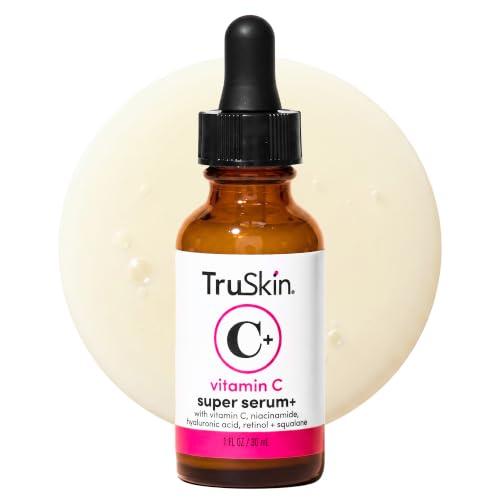
TruSkin TruSkin Vitamin C Super Serum
TruSkin Vitamin C Super Serum

The best-selling vitamin C serum on Amazon, and the weakest pick in a band full of better options. The vitamin C is a derivative at an undisclosed concentration, and the formula leans on botanicals - a popular product rather than a well-documented one.

Best known name
6.8
$21.99Amazon

#ad · Live prices from the Amazon Product API, as of November 13, 2026. Where we have no verified live price, we show none — a gap beats a number that has rotted.

In detail

The picks, in full

01
CeraVe CeraVe Skin Brightening Vitamin C Serum

Best overall under $25

CeraVe Skin Brightening Vitamin C Serum

10% L-ascorbic acidCeramidesHyaluronic acidFragrance-free
7.8/10

The best buy in the band: 10% L-ascorbic acid - the form the research is actually about - in a ceramide and hyaluronic acid base, fragrance-free, in opaque packaging. The dose is moderate on purpose, and a moderate dose you use daily beats a heroic one you quit.

Value at the ceiling
7
Form and dose
9
Stability
7
Tolerance
8

Pros

  • The best-evidenced form of vitamin C, at a published concentration
  • Ceramide base makes it tolerable daily, which is the variable that actually matters
  • Fragrance-free and opaque-packaged - both correct decisions for this ingredient
  • Sits at the top of the band rather than the bottom, and still earns it

Cons

  • CeraVe does not publish the formula pH, which is the number that decides how bioavailable the ascorbic acid is - we will not estimate one
  • Most expensive pick in this band
  • Oxidises like every ascorbic acid serum. Buy the small bottle and watch the color

Don't buy this if…

…your skin stings on low-pH products. Go to the ascorbyl glucoside budget pick below, which is gentler by chemistry rather than by luck.

$23.86View on Amazon

$28.9918% off

Price as of November 13, 2026. Prices change — Amazon's at checkout is the one that counts.

#ad · we may earn a commission from this link to CeraVe Skin Brightening Vitamin C Serum

02
The Ordinary The Ordinary Ascorbyl Glucoside Solution 12%

Budget pick

The Ordinary Ascorbyl Glucoside Solution 12%

12% ascorbyl glucosideStable derivativePublished concentrationLowest price here
8.8/10

The budget pick, and the one we would actually hand to someone starting out. A stable vitamin C derivative at a published 12%, which means it will not oxidize in a fortnight and it will not sting - the two reasons most people abandon vitamin C.

Value at the ceiling
10
Form and dose
7
Stability
9
Tolerance
9

Pros

  • Cheapest serum in the band by a clear margin, so a year of daily use costs very little
  • Stable in water, so the bottle does not become a science experiment
  • Gentle enough for skin that cannot tolerate low-pH ascorbic acid
  • The Ordinary publishes the concentration, which half this category does not

Cons

  • A derivative requires enzymatic conversion in the skin, so the evidence chain is longer and thinner than for L-ascorbic acid
  • Slightly tacky texture that some people dislike under sunscreen
  • Not the product to buy if you specifically want the form the trials used

Don't buy this if…

…you want L-ascorbic acid specifically. This is a derivative by design, and the design is the reason it is cheap and gentle.

$14.80View on Amazon

Price as of November 13, 2026. Prices change — Amazon's at checkout is the one that counts.

#ad · we may earn a commission from this link to The Ordinary Ascorbyl Glucoside Solution 12%

03
Naturium Naturium Vitamin C Complex Serum

Best texture

Naturium Vitamin C Complex Serum

Vitamin C complexMultiple formsLight serumMid-band price
7.5/10

The best middle option: a blend of vitamin C forms rather than a single one, with a pleasant texture and a price well inside the band. The blend is also why it is harder to evaluate - a complex is a decision the brand makes on your behalf.

Value at the ceiling
8
Form and dose
6
Stability
8
Tolerance
8

Pros

  • The nicest texture here - light, non-tacky, disappears under sunscreen
  • Blending forms is a sensible hedge against the stability problem
  • Comfortably inside the band with a generous fill

Cons

  • A complex means you cannot compare the dose of any single form against the literature
  • Contains supporting botanicals, so it is not the pick for reactive skin
  • Does less for pigment than a dedicated spot product

Don't buy this if…

…you want to know exactly what you are putting on. Buy one of the two above it, both of which publish a single form at a single percentage.

$16.79View on Amazon

$20.9920% off

Price as of November 13, 2026. Prices change — Amazon's at checkout is the one that counts.

#ad · we may earn a commission from this link to Naturium Vitamin C Complex Serum

04
Rohto Mentholatum Rohto Melano CC Intensive Spot Prevention Premium Beauty Essence

Best for dark spots

Rohto Melano CC Intensive Spot Prevention Premium Beauty Essence

Japanese quasi-drugAscorbyl glucosideDipotassium glycyrrhizinateSmall bottle
7.3/10

The targeted option, and the most interesting product in the band: a Japanese quasi-drug approved there on two named actives, ascorbyl glucoside and dipotassium glycyrrhizinate. Buy it for spots rather than for all-over antioxidant use - the bottle is small for a whole face.

Value at the ceiling
7
Form and dose
7
Stability
9
Tolerance
6

Pros

  • A regulated actives list rather than a marketing percentage - the Japanese approval names the actives and their permitted purpose
  • The anti-inflammatory partner matters, because most post-acne pigment is inflammatory in origin
  • Cheap, low-commitment way to test a stable vitamin C derivative on specific marks

Cons

  • An import: Japanese packaging, and no US Drug Facts panel
  • Citrus-heavy, scented base - the wrong choice for reactive skin
  • The quasi-drug status is a Japanese regulatory finding and says nothing about how it performs on your face
  • Small bottle empties fast if you use it all over

Don't buy this if…

…you want an all-over morning antioxidant or you react to fragrance and citrus extracts. This is a spot treatment with a scented base.

$17.99View on Amazon

Price as of November 13, 2026. Prices change — Amazon's at checkout is the one that counts.

#ad · we may earn a commission from this link to Rohto Melano CC Intensive Spot Prevention Premium Beauty Essence

05
TruSkin TruSkin Vitamin C Super Serum

Best known name

TruSkin Vitamin C Super Serum

Sodium ascorbyl phosphateBotanical baseAmber glassDropper
6.8/10

The best-selling vitamin C serum on Amazon, and the weakest pick in a band full of better options. The vitamin C is a derivative at an undisclosed concentration, and the formula leans on botanicals - a popular product rather than a well-documented one.

Value at the ceiling
7
Form and dose
4
Stability
8
Tolerance
8

Pros

  • Amber glass with a dropper, which is the right packaging decision for this ingredient
  • Gentle in practice - a derivative in a low-irritant base
  • Easy to find, heavily reviewed, and inside the band

Cons

  • Concentration is not published, so there is nothing to compare
  • Botanical-heavy formula with aloe and witch hazel standing in for documented actives
  • Every other pick in this band gives you more information about what you are buying

Don't buy this if…

…you care what dose you are applying. Three of the four picks above publish a form and a percentage; this one does not.

$21.99View on Amazon

$29.9527% off

Price as of November 13, 2026. Prices change — Amazon's at checkout is the one that counts.

#ad · we may earn a commission from this link to TruSkin Vitamin C Super Serum

Buy the small bottle. Always.

This is the single most useful piece of advice in the category and it is the opposite of how people shop a price band. An ascorbic acid serum starts degrading the moment it is opened, and the degradation is visible: near-colorless, then yellow, then orange, then brown. A large bottle at a lower cost per ounce is not a saving if the last third of it is oxidized.

Watch the color, not the date. A serum that has gone orange has lost potency regardless of what the packaging says about shelf life, and a brown one is finished. That rule applies to the L-ascorbic acid picks here; the two derivative-based picks are far more forgiving, which is a genuine, underrated reason to choose one.

How to use it so the money is not wasted

  1. Morning, on clean dry skin. Vitamin C is an AM ingredient because its plausible benefit pairs with sun exposure.
  2. Four or five drops, whole face. More is not more.
  3. Wait a minute, then moisturizer, then sunscreen. The sunscreen is the part that does the work.
  4. Not on the same morning as an exfoliating acid. See how long to wait between steps.
  5. Retinoid at night, vitamin C in the morning. They work fine in one routine, just not in one layer — retinol and vitamin C explains why the internet thinks otherwise.

When to spend above the band instead

There are two situations where stretching past $25 is the right call, and we would rather name them than pretend the band is always optimal:

  • You have already used a 10% serum daily for six months and want more. That is a real reason to move up to a 15-20% L-ascorbic acid formula with ferulic acid. You have earned it by demonstrating you will use it.
  • You are treating established pigment and have the sunscreen habit nailed. A higher dose is one of several levers; our dark spots roundup ranks the others, several of which are better value than more vitamin C.

Outside those two cases, the extra money is buying a number rather than a result. Our full vitamin C roundup has the above-the-line products with their complete case if you want to decide for yourself.

Who should skip vitamin C entirely

  • Anyone without a daily sunscreen. Buy that first. This is not a suggestion.
  • Anyone mid-retinization. Adding a low-pH acid to a face already flaking from a retinoid is how routines collapse. Wait until the retinoid is comfortable.
  • Anyone with rosacea or very reactive skin. Start with a derivative or skip the category — the rosacea page has better options.

How we picked

We did not lab-test this gear

Everyone in this category says they tested twenty products. We have not lab-tested any of these, and we say so. What we did instead: compiled the published specifications, decoded the ingredient (INCI) lists active by active, ran the math where there was math to run, and scored each product against a published rubric. The scores are judgments from documented research — not measurements we took, because we do not have a lab and we will not pretend we do. Where a number came from someone else's work, we name them in Sources.
Questions

Frequently asked

What is the best vitamin C serum under $25?
The CeraVe Skin Brightening Vitamin C Serum: 10% L-ascorbic acid, the best-evidenced form, in a fragrance-free ceramide base and opaque packaging. If you want the cheapest option that will still be working in three months, The Ordinary Ascorbyl Glucoside Solution 12% is the better buy - a stable derivative that does not oxidize or sting.
Is a 20% vitamin C serum better than a 10% one?
Higher is not reliably better in practice. A 20% L-ascorbic acid serum is more irritating, more expensive to replace when it oxidizes, and no use at all if you stop applying it. The variable that decides whether vitamin C does anything for your skin is how many mornings you use it across a year, and that favors a tolerable serum you finish.
What does the $25 ceiling exclude?
The high-percentage L-ascorbic acid serums with vitamin E and ferulic acid - in our registry, two products. That is a genuine tier, and if you have already used a 10% serum daily for months, moving up to one is a reasonable next step. For a first vitamin C serum, it is not.
Is ascorbyl glucoside as good as L-ascorbic acid?
It has a longer evidence chain and a thinner one: it must be converted in the skin before it does the job ascorbic acid does directly. What it buys you is stability and tolerance, which are the two reasons people stay on a product. For a beginner or for reactive skin, that trade is usually worth making.
How do I know my vitamin C serum has gone off?
Look at it. An ascorbic acid serum runs near-colorless when fresh, then yellow, then orange, then brown as it oxidizes. Orange means it has lost potency whatever the expiry date says; brown means it is finished. Buy small bottles for exactly this reason - derivative-based serums are far more forgiving.
Can I use vitamin C with retinol?
In one routine, yes - vitamin C in the morning, retinoid at night. In one layer, there is no advantage and they compete for your skin's tolerance. The claim that they deactivate each other is overstated, but the practical irritation problem is real.
Does vitamin C fade dark spots?
Modestly and slowly, and only with daily sunscreen alongside it - UV drives the pigment production you are trying to reduce. If established dark spots are the main complaint, there are better-evidenced actives, and our dark spots roundup ranks them. Vitamin C is a reasonable supporting player rather than the lead.

Keep reading

Receipts

Sources

We do not run a testing lab, and we do not pretend to. Where a measured number came from someone else's work, we name them and link them. Where we could not verify something, we say so on the page rather than quietly leaving it out. Read our full method.