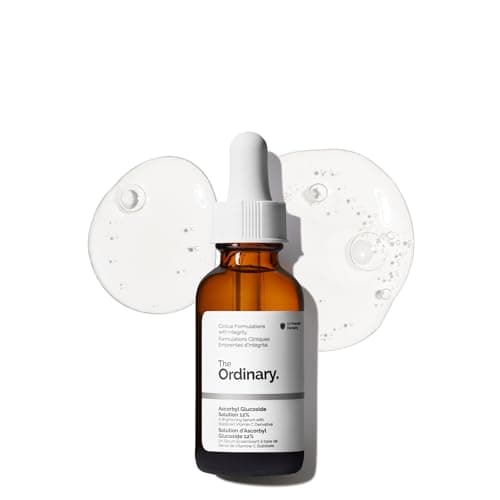
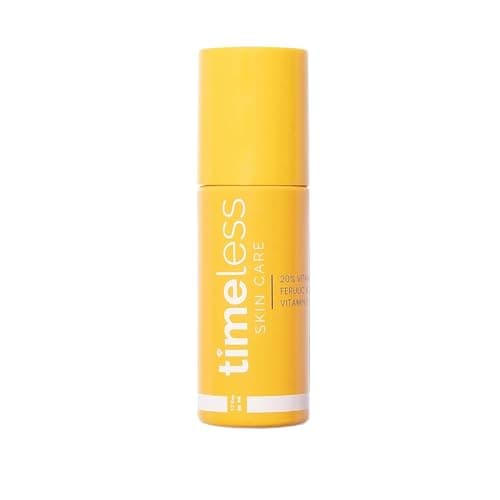
Buy the Timeless 20% Vitamin C + E Ferulic Acid Serumif you are replacing C E Ferulic. It is the closest thing in our registry to the original's architecture — L-ascorbic acid with vitamin E and ferulic acid in a water base — at a small fraction of the price. The budget pick is The Ordinary Ascorbyl Glucoside Solution 12%, which is the cheapest product here and the right answer if a low-pH ascorbic serum is something your skin will not tolerate. If what you actually want is the Triple Lipid Restore cream rather than the serum, skip to pick four, where the price gap is the widest on this page.
First, the thing this page has to say plainly: SkinCeuticals is not a marketing brand, and C E Ferulic is not a placebo. The combination it sells — 15% L-ascorbic acid, 1% alpha tocopherol and 0.5% ferulic acid — is the combination published in the Journal of Investigative Dermatology in 2005, where adding ferulic acid to a vitamin C and E solution improved the chemical stability of both vitamins and roughly doubled photoprotection against solar-simulated UV. That work was done in a porcine model and followed by a small human study in 2008. It is a real result, the formula is built on it, and nothing below is an argument that the original does not work.
What this page is arguing is narrower and more useful: the formula is a set of published numbers, and numbers can be matched by anyone who wants to. Several brands do. So the question is not whether SkinCeuticals works — it is which of their products are genuinely hard to replicate, and which ones are three ingredients you can buy for a tenth of the money. The answer differs sharply by product, which is why this page is organized product by product rather than as a brand verdict.
What SkinCeuticals is actually known for
Three things, and the swaps below are judged against them:
- Publishing the formula and the study behind it. The brand states the concentrations in its antioxidant serums and points at peer-reviewed work on those exact concentrations. Very few skincare brands can do the second part. It is the most defensible thing about the range.
- Formulating at the top of the tolerable range. 15% L-ascorbic acid at a low pH, 3% tranexamic acid, stepped retinol strengths. These are working doses, not label-decoration doses.
- Clinic distribution and the standards that come with it. Sold largely through dermatology and medical-aesthetic practices, which is part of what you are paying for and part of why the price sits where it does.
An alternative has to match one of those or beat it on price with an honest account of what is lost. Anything that does neither is a lateral move at a lower price, and we have left those off.
Why people search for this, and the honest answer to each reason
| Reason | The honest response |
|---|
| The price, straightforwardly | Legitimate, and the gap is real. The three-ingredient antioxidant architecture is the easiest part of the range to buy cheaply |
| You want the exact C E Ferulic formula for less | Nothing in our registry matches all three numbers exactly. Two picks match the architecture; one matches the 15% figure. Both are named below |
| It stings, or it turned orange in six weeks | Both are properties of a low-pH L-ascorbic acid serum, not defects of the brand - and a cheaper ascorbic serum will do exactly the same thing. The fix is a derivative |
| You want the Triple Lipid Restore cream for less | This is where the price gap is widest and the swap is easiest. Barrier lipids are not proprietary chemistry |
| You cannot buy it where you live, or not without a clinic visit | Fair. Every pick on this page is a normal online purchase |
| Brand-level preference - ownership, policy, politics | SkinCeuticals is part of L'Oreal, which is the sourceable fact and the one we will state. Note that one pick below is also a L'Oreal brand, and it says so in its own cons |
How we ranked these
- Match to the published formula — does it replicate the actual architecture of the product it replaces, or just occupy the same shelf?
- The stated strength — one specific thing it does as well, or more cheaply. A swap without one is a substitution.
- Transparency — does it name the form and the percentage? The original does, so a swap that will not is giving something up.
- Value — what the saving actually costs you, stated rather than glossed.
Prices render through the live price layer with their own "as of" date and are never written into copy. No SkinCeuticals product is linked or priced here — this page is about what to buy instead, and how we review explains what our scores are and are not.
Swap table: what replaces what
| If you are replacing | Buy | Because |
|---|
| C E Ferulic | Timeless 20% Vitamin C + E Ferulic | Same three-component architecture, every number published, far cheaper |
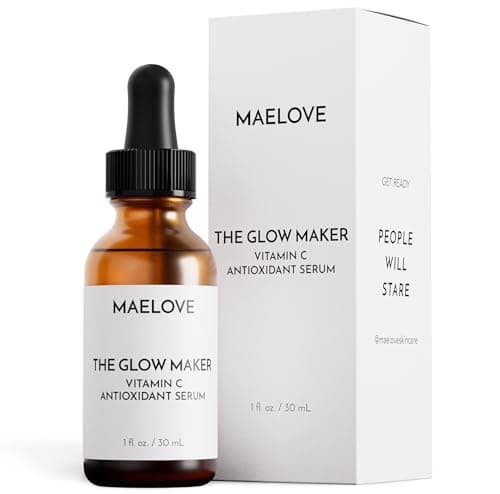
| C E Ferulic, matched on the 15% figure | MAELOVE Glow Maker | 15% L-ascorbic acid with E and ferulic, in a nicer base |
| C E Ferulic, but it stings or oxidizes | The Ordinary Ascorbyl Glucoside 12% | A stable derivative with no low-pH sting - a sidestep, not a match |
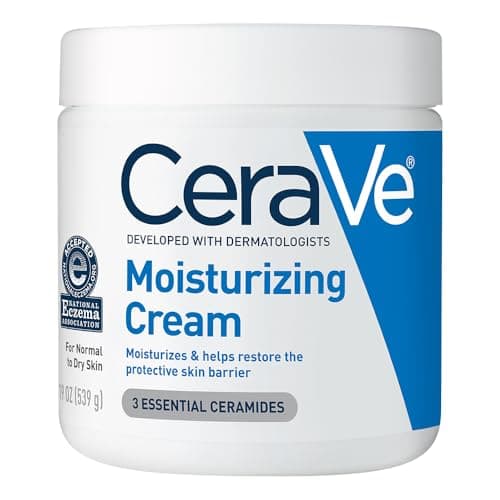
| Triple Lipid Restore 2:4:2 | CeraVe Moisturizing Cream | Ceramides and cholesterol on the label, no published ratio, a fraction of the price |
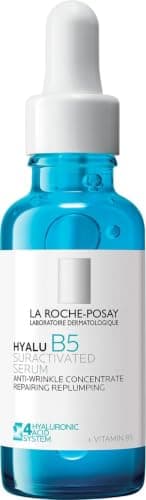
| H.A. Intensifier | La Roche-Posay Hyalu B5 | Two HA weights plus B5 and madecassoside, full INCI disclosure |
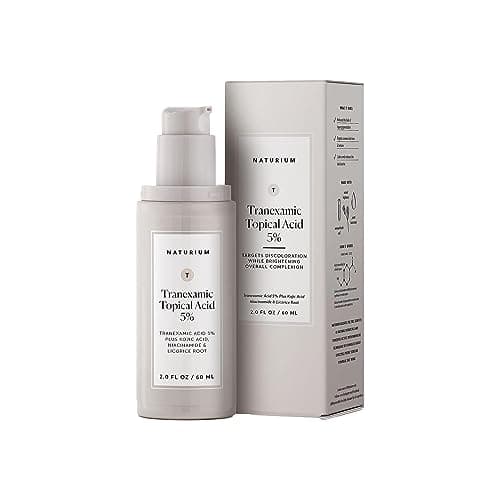
| Discoloration Defense | Naturium Tranexamic Topical Acid 5% | Same three actives, tranexamic acid stated higher |
| Retinol 0.3 / 0.5 / 1.0 | See our retinol roundup | Stepped strengths are a sensible way to buy a retinoid, and several cheaper lines do the same thing |
| Their sunscreens | See our sunscreen roundup | We rank none of theirs, and sunscreen is the step where brand matters least |
The retinol row is worth a sentence rather than a shrug. Buying a retinoid at a stated, stepped strength is genuinely good practice — it is how you escalate deliberately instead of guessing — and it is not proprietary. Our retinol roundup ranks products that publish their strength, including the dual-release pharmacy serum that is the gentlest strong retinoid we have found and an over-the-counter retinoid that beats the whole category on comedones.
Two requests we cannot answer honestly
We would rather name a gap than fill it badly, so:
- Phloretin CF and Silymarin CF. Both are antioxidant serums built on L-ascorbic acid plus a second, less common antioxidant — phloretin in one, silymarin in the other. Our registry contains nothing with either molecule at a stated strength, and substituting a plain vitamin C serum and calling it a swap would be dishonest. If the second antioxidant is the reason you want it, there is no pick here for you.
- P-TIOX and the peptide line. The autocomplete asks for this one specifically. It is a proprietary peptide blend, which means there is no published concentration to match and no way to compare a cheaper peptide serum against it on anything but price. Our peptide serum roundup ranks what we can verify, and peptides versus retinol is the more useful page if you are deciding where the money should go.
The thing that actually decides whether a vitamin C serum works
Not the brand on the bottle, and not quite the percentage either: whether you apply it most mornings for a year. An L-ascorbic acid serum has a clock on it from the moment it is opened — it oxidizes, it turns from clear to amber to brown, and a browned serum is doing progressively less. That is physics, and it applies identically to the original and to every swap on this page.
Which produces two practical rules that matter more than the swap you choose. Buy the small bottle, because finishing it quickly beats saving money per ounce on something degrading in your cabinet. And watch the color, not the date — amber means it is on the way out regardless of what the box says. Our vitamin C derivatives guide covers the forms that do not have this problem, and the vitamin C roundup ranks the whole category on its own criteria rather than against one brand.
Where SkinCeuticals is genuinely hard to beat
Honesty cuts both ways, so three places where the swap is weaker and it is worth saying so. The evidence trail— no product on this page has a published study on its own specific formulation, and the original does. Matching an architecture is not inheriting a result, and anyone who tells you a cheaper serum is "clinically proven" because the ingredients are similar is overstating it. Formulation at the top of the range — the brand consistently works at doses that are a little uncomfortable, which is where the results are. And the clinic relationship — if your dermatologist has you on a plan and wants a specific product in it, that continuity has value a price comparison does not capture.
If none of those is your reason, the price gap on the lipid cream and the antioxidant serum is large enough that the swap is a straightforwardly good decision. And if you are deciding between a cheaper vitamin C serum and nothing at all, buy the cheaper serum — then spend what you saved on a sunscreen you will actually wear every day, which does more for the same concerns than any antioxidant in this category.
This is the third brand-alternatives page on the site, and the pattern holds: see alternatives to CeraVe and alternatives to The Ordinary for the same question asked at the other end of the price range — where, notably, most of the swaps cost more rather than less.