Skip to content
Barrier & Bloom

Roundups · Best Skincare

The best The Ordinary products, ranked on what the label actually says

The Ordinary is the only major range where the product name tells you the molecule and the dose. That makes it the easiest brand in skincare to evaluate honestly - and the easiest to over-buy. Seven picks, in the order a routine should acquire them.

By Stephen V.Updated How we review
#ad

We earn a commission when you buy through our Amazon links, at no extra cost to you. It never changes a verdict, and we say so when the cheaper product is the better buy. How this works.

Buy the Niacinamide 10% + Zinc 1% first. It is the cheapest genuinely useful serum in the range, the active is well evidenced at the strength printed on the bottle, and it layers into a routine without rearranging it. It is also the budget pick — the cheapest product on this page is the one that wins it, and rather than invent a split we will say so plainly. If your skin flushes easily, start at number two instead and come back to the niacinamide later.

One framing before the ranking, because it is the whole reason this page can be written honestly. Most skincare brands sell you a name — a "brightening complex", a "peptide blend" — and you have no way to know how much of anything is in the bottle. The Ordinary publishes the concentration in the product name. That is why this site cites their own product pages as a primary source elsewhere: on this one brand, the dose is checkable. So that is what the ranking below is built on. Every pick is scored on whether the stated number is meaningful, whether the evidence supports that molecule at that dose, and whether the base it arrives in is wearable — because the base is where this range is genuinely weakest.

The failure mode this page is trying to prevent

The catalogue is enormous and the prices are low, which produces a predictable outcome: a basket of six actives bought at once, applied on the same night, followed three weeks later by a stinging, flaking face and the conclusion that "The Ordinary broke me out". Almost always it was the stack, not the brand.

So the ranking below is deliberately an acquisition order, not a shopping list. Buy number one. Use it for three weeks. Then add the next thing you actually have a reason for. Two actives is a routine; five is an experiment with no control. If you want the sequencing in full, our skincare routine order guide has it, and how long to wait between steps answers the question this brand generates more than any other.

How we ranked these

  • Label transparency — does the name give you a named molecule at a stated percentage, or a blend you cannot audit? The Ordinary usually does the former, and the products where it does not are marked down for it.
  • Evidence at that dose — is there published support for this ingredient at roughly this strength, applied topically? A real number attached to a thin ingredient is still a thin ingredient.
  • The base— the silicone suspensions, the squalane oils and the tacky water-gels are the range's weak point, and the reason people abandon products that were working. Texture is not vanity; it predicts whether the bottle gets finished.
  • Routine fit — does it belong in a routine most people should actually be running, or is it a sixth step for someone who has not got the first three right?
  • Value — against the same molecule at the same dose from anyone else.

Scores are judgments from documented research — published concentrations, decoded ingredient lists and aggregated owner reports. They are not lab measurements, and how we reviewsays so in those words. Every price in the table below comes from the live price layer and carries its own "as of" date; if a product shows no number, we have no verified live price for it right now and are showing none rather than a stale one.

The short answer

Quick picks

#ProductBest forScorePrice
01
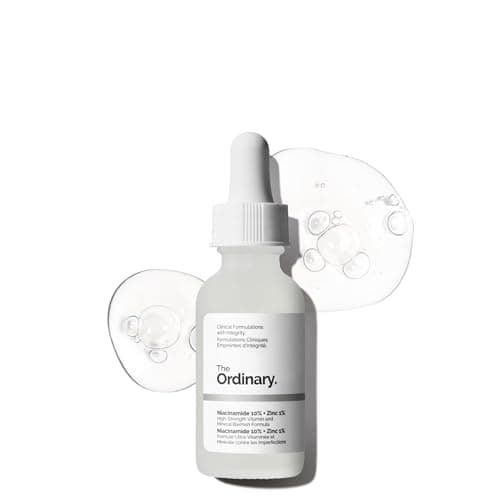
The Ordinary The Ordinary Niacinamide 10% + Zinc 1%
The Ordinary Niacinamide 10% + Zinc 1%

The best product in the range and the cheapest, which is unusual enough to say out loud. 10% niacinamide is the top of the useful concentration range, stated plainly on the label, with 1% zinc PCA as a sensible partner for oily and blemish-prone skin. If you buy one thing from this brand, buy this.

Best overall, and the budget pick
9.0
Check price →
02
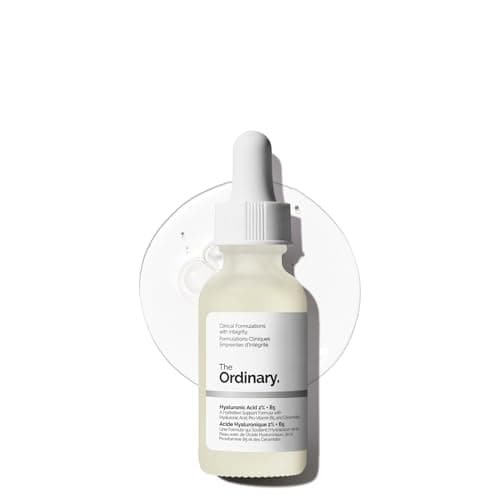
The Ordinary The Ordinary Hyaluronic Acid 2% + B5
The Ordinary Hyaluronic Acid 2% + B5

The safest thing in the range and the one with no adjustment period. Several molecular weights of hyaluronic acid plus vitamin B5, which is the formulation decision that matters in this category. It is also the formula the rest of the HA market is priced against - and it holds up.

Best first buy for reactive skin
8.4
$9.90Amazon
03
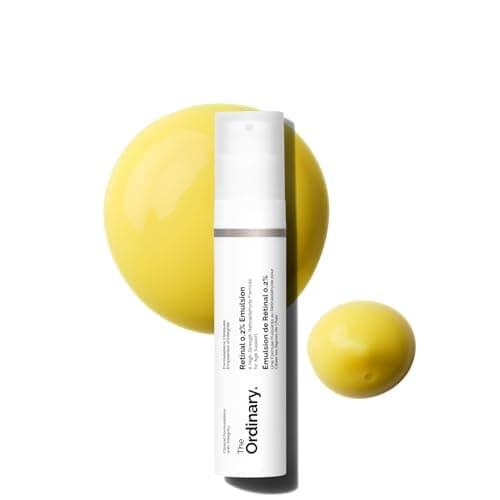
The Ordinary The Ordinary Retinal 0.2% Emulsion
The Ordinary Retinal 0.2% Emulsion

The best retinoid in the range, and the one place where the published number is genuinely informative: retinaldehyde is one conversion step from retinoic acid, so 0.2% retinal is not comparable to 0.2% retinol. In a far nicer base than the brand's squalane oils.

Best retinoid in the range
8.4
$14.90Amazon
04
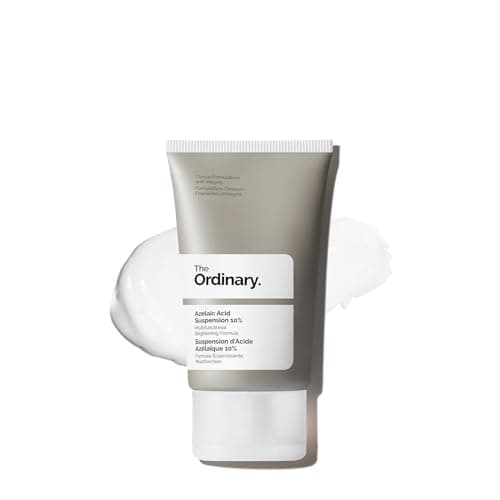
The Ordinary The Ordinary Azelaic Acid Suspension 10%
The Ordinary Azelaic Acid Suspension 10%

The hardest product in the range to replace at the price: free azelaic acid, not a derivative, at the full over-the-counter strength, fourth on a four-line published ingredient list. It is also the one most likely to pill under sunscreen, and both of those facts are the whole story.

Best for redness and post-acne marks
8.4
$12.20Amazon
05
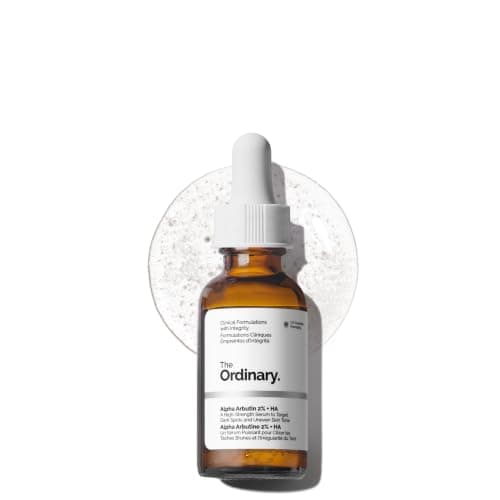
The Ordinary The Ordinary Alpha Arbutin 2% + HA
The Ordinary Alpha Arbutin 2% + HA

The reference product for dark spots and the right first buy: 2% alpha arbutin, hyaluronic acid, and essentially nothing else competing for the credit. That bareness is the point - it is the one product in the category where a result can actually be attributed to the arbutin.

Best for dark spots
8.6
$11.50Amazon
06
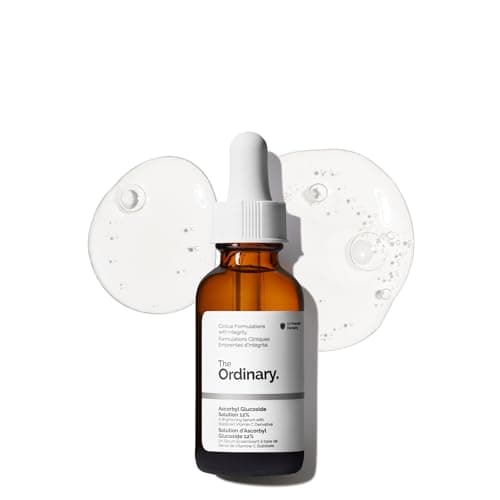
The Ordinary The Ordinary Ascorbyl Glucoside Solution 12%
The Ordinary Ascorbyl Glucoside Solution 12%

The vitamin C to buy from this brand, and the reason is the label again: one named derivative at one stated percentage, where most of the category sells you a complex. No low-pH sting, stable enough that the clear bottle is not a liability, and slower than pure ascorbic acid - which it does not pretend otherwise about.

Best vitamin C in the range
8.2
$14.80Amazon
07
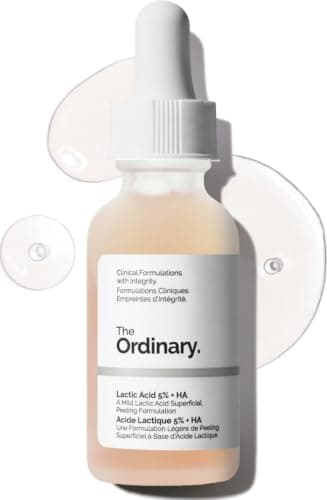
The Ordinary The Ordinary Lactic Acid 5% + Hyaluronic Acid 2%
The Ordinary Lactic Acid 5% + Hyaluronic Acid 2%

The exfoliant to start with, and the one most people should have bought instead of the 30% peel. 5% lactic acid is a genuine but mild dose, lactic is the larger and gentler of the two common AHAs, and the hyaluronic acid in the base takes the edge off. Boring, which is the compliment.

Best exfoliant to start with
8.4
$8.10Amazon

#ad · Live prices from the Amazon Product API, as of November 13, 2026. Where we have no verified live price, we show none — a gap beats a number that has rotted.

In detail

The picks, in full

01
The Ordinary The Ordinary Niacinamide 10% + Zinc 1%

Best overall, and the budget pick

The Ordinary Niacinamide 10% + Zinc 1%

10% niacinamide1% zinc PCAWater-light baseFragrance-free
9.0/10

The best product in the range and the cheapest, which is unusual enough to say out loud. 10% niacinamide is the top of the useful concentration range, stated plainly on the label, with 1% zinc PCA as a sensible partner for oily and blemish-prone skin. If you buy one thing from this brand, buy this.

Label transparency
10
Evidence at that dose
9
The base
7
Routine fit
9
Value
10

Pros

  • A meaningful concentration of a well-evidenced active, stated on the bottle rather than implied
  • Noticeably reduces midday shine on oily skin, which is the effect people actually feel
  • Nothing to react to beyond the actives - no fragrance, no essential oils
  • The cheapest product on this page, and the one it is hardest to argue with

Cons

  • 10% is above the comfort threshold for some skin, and flushing is a common first-week complaint
  • Slightly tacky, silicone-free finish until a moisturizer goes over it
  • Zinc PCA is a mild sebum-moderating addition, not an acne treatment - do not buy it as one

Don't buy this if…

…your skin is currently irritated or reactive. Start at a 4-5% niacinamide and work up, or you will blame niacinamide for a barrier problem.

Check price on Amazon →

No buyable offer at the last price check (November 13, 2026). We show nothing rather than a stale number.

#ad · we may earn a commission from this link to The Ordinary Niacinamide 10% + Zinc 1%

02
The Ordinary The Ordinary Hyaluronic Acid 2% + B5

Best first buy for reactive skin

The Ordinary Hyaluronic Acid 2% + B5

2% HA complexVitamin B5Multiple molecular weightsFragrance-free
8.4/10

The safest thing in the range and the one with no adjustment period. Several molecular weights of hyaluronic acid plus vitamin B5, which is the formulation decision that matters in this category. It is also the formula the rest of the HA market is priced against - and it holds up.

Label transparency
8
Evidence at that dose
8
The base
7
Routine fit
9
Value
10

Pros

  • Nothing to build tolerance to and nothing to photosensitize - it suits essentially every skin type
  • Several molecular weights rather than one, which is the meaningful choice here
  • B5 gives it something to do beyond holding surface water
  • Cheap enough to apply generously rather than ration

Cons

  • Noticeably tacky until a cream goes over it, and it can pill under some sunscreens
  • Does nothing at all if you skip the sealing step - an unsealed humectant in dry air is worse than nothing
  • It is a hydration step, not a treatment. Nothing here changes pigment, texture or lines

Don't buy this if…

…you will not apply a moisturizer straight afterwards. This product is half a step; the cream is the other half.

$9.90View on Amazon

Price as of November 13, 2026. Prices change — Amazon's at checkout is the one that counts.

#ad · we may earn a commission from this link to The Ordinary Hyaluronic Acid 2% + B5

03
The Ordinary The Ordinary Retinal 0.2% Emulsion

Best retinoid in the range

The Ordinary Retinal 0.2% Emulsion

0.2% retinaldehydeEmulsion baseOne step from retinoic acidFragrance-free
8.4/10

The best retinoid in the range, and the one place where the published number is genuinely informative: retinaldehyde is one conversion step from retinoic acid, so 0.2% retinal is not comparable to 0.2% retinol. In a far nicer base than the brand's squalane oils.

Label transparency
10
Evidence at that dose
7
The base
8
Routine fit
8
Value
9

Pros

  • More potent than retinol at the same percentage, with the strength printed on the label so stepping up is deliberate
  • The emulsion texture is far nicer than the squalane oils and layers under a moisturizer
  • Still inexpensive for what it is - this is the category where The Ordinary's pricing bites hardest
  • A single, well-understood active rather than a blend

Cons

  • Retinaldehyde is light- and air-sensitive, so the small tube is a short-lived product - buy it as a consumable
  • Will irritate if you jump straight here from nothing
  • Head-to-head clinical data against retinol at matched strengths is thin, so the mechanistic case is stronger than the comparative one

Don't buy this if…

…this would be your first retinoid - earn your way here from a 0.2% retinol. And not at all if you are pregnant or trying to conceive.

$14.90View on Amazon

Price as of November 13, 2026. Prices change — Amazon's at checkout is the one that counts.

#ad · we may earn a commission from this link to The Ordinary Retinal 0.2% Emulsion

04
The Ordinary The Ordinary Azelaic Acid Suspension 10%

Best for redness and post-acne marks

The Ordinary Azelaic Acid Suspension 10%

10% azelaic acidSilicone suspensionShort ingredient listFragrance-free
8.4/10

The hardest product in the range to replace at the price: free azelaic acid, not a derivative, at the full over-the-counter strength, fourth on a four-line published ingredient list. It is also the one most likely to pill under sunscreen, and both of those facts are the whole story.

Label transparency
10
Evidence at that dose
9
The base
5
Routine fit
8
Value
10

Pros

  • Free azelaic acid rather than one of the azeloyl derivatives sold under the same name
  • Works on breakouts and on pigment at once, which almost nothing else at this price does
  • The published list is four lines long and readable - water, isodecyl neopentanoate, dimethicone, azelaic acid
  • Cheapest true 10% azelaic acid we can find that is reliably in stock

Cons

  • Three silicones in the base make pilling under sunscreen or makeup a well-documented complaint
  • Grainy, matte, slightly powdery finish that a lot of people simply dislike
  • Tingles for the first week on most people, which is expected rather than a warning sign

Don't buy this if…

…you wear makeup or a heavy sunscreen over your treatment step every day - the silicone film is exactly what rolls up under them. A serum-format azelaic product suits you better.

$12.20View on Amazon

Price as of November 13, 2026. Prices change — Amazon's at checkout is the one that counts.

#ad · we may earn a commission from this link to The Ordinary Azelaic Acid Suspension 10%

05
The Ordinary The Ordinary Alpha Arbutin 2% + HA

Best for dark spots

The Ordinary Alpha Arbutin 2% + HA

2% alpha arbutinHyaluronic acidNo other activesFragrance-free
8.6/10

The reference product for dark spots and the right first buy: 2% alpha arbutin, hyaluronic acid, and essentially nothing else competing for the credit. That bareness is the point - it is the one product in the category where a result can actually be attributed to the arbutin.

Label transparency
10
Evidence at that dose
8
The base
7
Routine fit
8
Value
10

Pros

  • Targets pigment production directly rather than just exfoliating the surface
  • Non-sensitizing, so it adds to an existing routine without rearranging it and can be used twice daily
  • Water-light and layers under anything, including a retinoid on alternate nights
  • Cheap enough to commit to the eight to twelve weeks it genuinely needs

Cons

  • Slow even by the standards of a slow category - nothing visible before about eight weeks
  • Deliberately bare: no niacinamide, no tranexamic acid, nothing working a second mechanism
  • The hyaluronic base can feel tacky under a mineral sunscreen

Don't buy this if…

…you want a fast result, or you want one bottle doing several jobs. If you need a visible change in a month, that is a dermatologist conversation rather than a serum.

$11.50View on Amazon

Price as of November 13, 2026. Prices change — Amazon's at checkout is the one that counts.

#ad · we may earn a commission from this link to The Ordinary Alpha Arbutin 2% + HA

06
The Ordinary The Ordinary Ascorbyl Glucoside Solution 12%

Best vitamin C in the range

The Ordinary Ascorbyl Glucoside Solution 12%

12% ascorbyl glucosideWater-basedNo low-pH stingFragrance-free
8.2/10

The vitamin C to buy from this brand, and the reason is the label again: one named derivative at one stated percentage, where most of the category sells you a complex. No low-pH sting, stable enough that the clear bottle is not a liability, and slower than pure ascorbic acid - which it does not pretend otherwise about.

Label transparency
10
Evidence at that dose
6
The base
8
Routine fit
8
Value
9

Pros

  • Genuinely non-stinging, including around the eye area, which pure ascorbic acid is not
  • One named form at a stated strength - most vitamin C serums will not tell you either
  • Stable enough that the clear dropper bottle is not the problem it is for L-ascorbic acid
  • Layers happily with niacinamide and with acids, without the ordering drama

Cons

  • Slow - this is a months-not-weeks active, and the derivative literature is thinner than the ascorbic acid literature
  • Slightly tacky finish until a moisturizer goes over it
  • If you can tolerate a 15-20% L-ascorbic acid serum, that is the better-evidenced purchase

Don't buy this if…

…you want visible brightening quickly. A pure ascorbic formula gets there faster if your skin will take it.

$14.80View on Amazon

Price as of November 13, 2026. Prices change — Amazon's at checkout is the one that counts.

#ad · we may earn a commission from this link to The Ordinary Ascorbyl Glucoside Solution 12%

07
The Ordinary The Ordinary Lactic Acid 5% + Hyaluronic Acid 2%

Best exfoliant to start with

The Ordinary Lactic Acid 5% + Hyaluronic Acid 2%

5% lactic acid2% hyaluronic acidLarger AHA moleculeFragrance-free
8.4/10

The exfoliant to start with, and the one most people should have bought instead of the 30% peel. 5% lactic acid is a genuine but mild dose, lactic is the larger and gentler of the two common AHAs, and the hyaluronic acid in the base takes the edge off. Boring, which is the compliment.

Label transparency
10
Evidence at that dose
8
The base
8
Routine fit
7
Value
9

Pros

  • A real exfoliating dose at a strength you can use once or twice a week without incident
  • Lactic acid's larger molecule penetrates more slowly than glycolic, which is why it stings less
  • The HA in the base offsets the usual acid dryness
  • There is a 10% version from the same line if you outgrow this one, so the step up is already mapped

Cons

  • Mild by design - if you have been using a 2% BHA for a year this will feel like nothing
  • Still an acid: it does not belong on the same night as your retinoid
  • Daytime use requires the sunscreen you should already be wearing

Don't buy this if…

…you have active, inflamed acne. An AHA is the wrong mechanism for that - a BHA or a retinoid is, and our acne roundup ranks both.

$8.10View on Amazon

Price as of November 13, 2026. Prices change — Amazon's at checkout is the one that counts.

#ad · we may earn a commission from this link to The Ordinary Lactic Acid 5% + Hyaluronic Acid 2%

Three in the range we would not start with

A brand roundup that only praises is not a roundup. These three are all popular, and all three are products we would steer a new buyer away from.

  • AHA 30% + BHA 2% Peeling Solution. The most photographed product the brand makes and the one that causes the most damage. A 30% acid blend left on for ten minutes is a genuine chemical exfoliation, not a mask, and the failure mode is a compromised barrier rather than a bad result. It has its place for someone with established acid tolerance and none at all for a beginner. Our full review of the peeling solution goes through the protocol and the contraindications properly.
  • Multi-Peptide + Copper Peptides 1%.The most expensive serum in the range by a wide margin, and the one where the stated percentage buys you the least certainty. Copper peptides have an interesting mechanistic story and thin topical outcome data, and paying several times the price of the niacinamide for that trade is the one place this brand's value argument breaks down. Our peptides versus retinol page explains why a retinoid is the better use of the same money.
  • Any of the squalane-based oils as a first active. The Retinol 0.2% in Squalane is a perfectly reasonable product and it has its own review here, but an oil base is the hardest format to layer and the easiest to over-apply. If you want a retinoid from this brand, the emulsion at number three is the better-made object.

The step you have to buy somewhere else

Sunscreen. Our registry carries no Ordinary sunscreen and our face sunscreen roundup ranks none, which matters more than any ranking on this page: a daily SPF does more for the things people buy actives for — tone, texture, lines — than every serum above combined. If you are building a routine out of this brand, buy the sunscreen elsewhere and treat it as step one rather than step six. The same applies to a proper occlusive moisturizer; the HA serum at number two is a humectant and it needs a cream over it.

Which one for which problem

What you came here forBuyWhy that one
Oily skin, visible pores, midday shineNiacinamide 10% + Zinc 1%The only pick with a felt effect on sebum, at the top of the useful dose range
Breakouts plus the red marks they leaveAzelaic Acid Suspension 10%One product working both problems, at full over-the-counter strength
Dark spots and uneven toneAlpha Arbutin 2% + HAInterferes with pigment production and does not sensitize skin to sun
Fine lines, texture, long-term agingRetinal 0.2% EmulsionThe most potent retinoid in the range, in the best base in the range
Dullness, antioxidant protectionAscorbyl Glucoside Solution 12%One named vitamin C derivative at one stated dose, with no sting
Rough texture, flaking, dry skinLactic Acid 5% + HAA mild, real AHA dose - not the 30% peel
Tightness, dehydration, winter skinHyaluronic Acid 2% + B5No adjustment period and nothing to react to, as long as you seal it

What a published percentage does and does not tell you

This is the honest limit of the whole premise. A stated concentration tells you the dose. It does not tell you the delivery: the pH of an acid formula decides how much of it is in the free acid form, the base decides how much stays on the skin rather than rolling off under sunscreen, and the packaging decides how much is still intact in week six. The Ordinary publishes the first number and, like everyone else, not the rest.

That is precisely where the range gets beaten, and it is worth being specific rather than loyal: where a competitor wins against these products, it almost always wins on the base and not on the chemistry. Our alternatives to The Ordinary page works through those swaps active by active, and reaches a conclusion worth repeating here — five of six swaps cost more, and what the extra money buys is texture. Texture is a legitimate thing to pay for, because adherence predicts outcomes. It is just not a potency upgrade, and nobody should pretend it is.

Combining them without wrecking your face

Four rules that cover nearly every mistake we see with this brand:

  • One new active at a time, three weeks apart. If two things go on in the same week and your skin reacts, you have learned nothing about either.
  • Acids and retinoids go on different nights. Not because of a chemical interaction myth, but because both increase irritation and stacking them is how barriers break. See skin cycling for a schedule that already does this.
  • Direct acids and pure L-ascorbic acid do not belong in the same layer. The brand's own guidance says so. The ascorbyl glucoside above is the exception and that is part of why it ranks.
  • Seal every water-light serum. Every pick on this page except the azelaic suspension is thin and water-based. Without a moisturizer over the top you lose most of the benefit and gain the tackiness.

Is The Ordinary good, or just cheap?

Both, and it is worth separating them. Cheap is the headline; the substantive thing is disclosure. Being told that you are buying 10% niacinamide, or 10% free azelaic acid, or 0.2% retinaldehyde, lets you compare against published research instead of against marketing copy — and lets you notice when a product costing five times more is vaguer about what is in it. That is a real contribution to the category, and it is why this range keeps showing up on this site's roundups.

The limits are equally real. The bases are the range's weak point, the catalogue structure encourages over-buying, the brand sells no sunscreen we would rank, and DECIEM — the company behind it — is part of The Estee Lauder Companies, which is worth knowing if brand ownership factors into your decisions. None of that changes the ranking. It just means the right way to shop this brand is three products deep, not fifteen.
How we picked

We did not lab-test this gear

Everyone in this category says they tested twenty products. We have not lab-tested any of these, and we say so. What we did instead: compiled the published specifications, decoded the ingredient (INCI) lists active by active, ran the math where there was math to run, and scored each product against a published rubric. The scores are judgments from documented research — not measurements we took, because we do not have a lab and we will not pretend we do. Where a number came from someone else's work, we name them in Sources.

Questions

Frequently asked

What is the best The Ordinary product to start with?
The Niacinamide 10% + Zinc 1%. It is the cheapest thing in the range, the active is well evidenced at the strength on the label, and it slots into an existing routine without changing anything else. If your skin flushes easily, start with the Hyaluronic Acid 2% + B5 instead - it has no adjustment period at all.
What are the best The Ordinary products for acne?
The Azelaic Acid Suspension 10% for breakouts plus the marks they leave behind, and the Niacinamide 10% + Zinc 1% alongside it for oil. Skip the 30% peel - a high-strength acid on inflamed skin makes things worse. Our best skincare for acne roundup ranks the whole field, including the over-the-counter retinoid that beats everything here on comedones.
What are the best The Ordinary products for wrinkles and aging skin?
The Retinal 0.2% Emulsion, and then daily sunscreen from another brand. Retinaldehyde is one conversion step from retinoic acid, so 0.2% retinal is meaningfully stronger than 0.2% retinol - which is exactly why the published number is useful here. Peptide serums are the gentler option and the weaker-evidenced one.
What is the best The Ordinary product for dark spots?
Alpha Arbutin 2% + HA. It interferes with pigment production rather than just sanding the surface, it does not make skin sun-sensitive, and the formula is deliberately bare so any improvement can actually be credited to the arbutin. Give it eight to twelve weeks, and wear sunscreen or you are refilling the spots as you fade them.
Can you use several The Ordinary products together?
Yes, but add them one at a time with about three weeks between, keep acids and retinoids on separate nights, and do not layer a direct acid under pure L-ascorbic acid. Two actives is a routine. Five bought in one order is how people end up with a damaged barrier and blame the brand.
Is The Ordinary actually good quality?
The chemistry is sound and the disclosure is genuinely better than the industry norm - you are told the molecule and the dose, which almost no one else does. The weakness is the bases: silicone suspensions that pill, oils that are hard to layer, and water-gels that feel tacky. Where a pricier brand beats these products, it usually beats them on texture rather than on the active.
Does The Ordinary make a sunscreen?
Not one we rank. Our registry carries no Ordinary SPF, so if you are building a routine from this brand the sunscreen has to come from somewhere else - and it matters more than anything on this page. Our face sunscreen roundup has the options.
Who owns The Ordinary?
DECIEM, the company behind The Ordinary, is part of The Estee Lauder Companies. We mention it only because brand ownership is a real reason some people choose differently, and it is a sourceable fact rather than a judgment.

Keep reading

Receipts

Sources

We do not run a testing lab, and we do not pretend to. Where a measured number came from someone else's work, we name them and link them. Where we could not verify something, we say so on the page rather than quietly leaving it out. Read our full method.