Skip to content
Barrier & Bloom

Explainers · Learn

Does skincare stop working after a while? Almost never — here is what did change

Skin does not develop a tolerance to a moisturizer or a sunscreen. Four other things explain nearly every case of a product that seemed to stop working, and three of them are fixable.

By Stephen V.Updated How we review
#ad

We earn a commission when you buy through our Amazon links, at no extra cost to you. It never changes a verdict, and we say so when the cheaper product is the better buy. How this works.

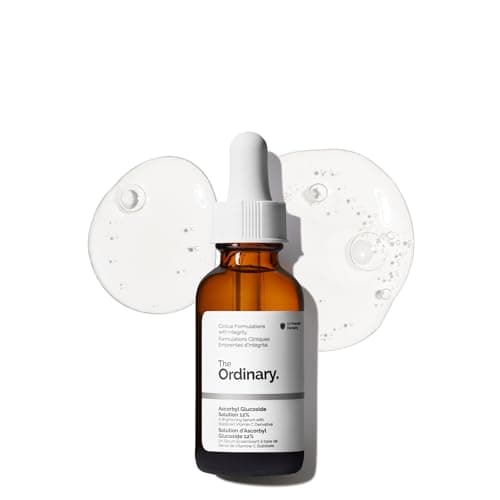
No — your skin has not become immune to your products, and you almost certainly do not need to rotate brands. What is far more likely is one of four things: you have hit the plateau that follows the first improvement, the weather changed, the bottle has oxidised, or your expectations moved while the product stayed the same. If your vitamin C stopped doing anything, a stable derivative like The Ordinary Ascorbyl Glucoside Solution 12%rules out the one explanation on that list which actually is the product's fault.

“Your skin gets used to it” is one of the most durable ideas in this category and it has almost no mechanism behind it. There is no receptor that stops responding to glycerin. Ceramides do not become less lipid-like after six months. A sunscreen filter does not learn your face. Tachyphylaxis — genuine diminishing response to a repeated drug — is a real pharmacological phenomenon and it is not what is happening to your moisturizer.

The four things that are actually happening

1. You hit the plateau, and the plateau is the product working. Most actives produce their visible gain in the first eight to sixteen weeks and then hold. Nothing has stopped: a barrier that was damaged and is now repaired cannot be repaired twice, and a routine that cleared your texture is now maintaining it. Stop and you will find out quickly how much it was doing. Our timelines guide sets out what each category delivers and when it stops delivering more.

2. The season changed and the product did not.A gel moisturizer that was perfect in August is genuinely insufficient in January, when indoor heating drops the ambient humidity. This is the single most common version of “it stopped working”, and the fix is a thicker occlusive for three months, not a new brand. Our dry skin roundup covers the heavier end.

3. The bottle has degraded. This is the one case where the product genuinely did stop working. L-ascorbic acid oxidises — a clear serum that has gone yellow or brown has lost potency. Retinol degrades with heat and light, which is why a dropper bottle in a sunny bathroom is a worse buy than an airless pump. And anything past its period-after-opening window is a coin toss. Our shelf-life guide covers how to tell, and cold storage slows some of it down.

4. Your baseline moved. Three months ago you were comparing your face to a dry, flaky starting point. Now you are comparing it to last week. The product is doing the same thing; the reference point is not. This is the hardest one to accept and the most common reason people abandon a routine that is working.

The two real exceptions

Retinoid adaptation is real but it is not a loss of effect — skin genuinely becomes less reactive to a given strength over months, which is why the whole category is built as a ladder from 0.2% upward. Fewer side effects, not fewer results, and the response to it is to step up when you want more rather than to rotate brands. Our retinol roundup ranks that ladder.

Antibiotic resistance is the other, and it is a bacterial phenomenon rather than a skin one. It is also why benzoyl peroxide is so useful in acne: bacteria do not develop resistance to it. Nothing on an ordinary shelf has this problem.

What to look for when you replace something

  • Stability, if it is a vitamin C. A derivative such as ascorbyl glucoside or sodium ascorbyl phosphate trades some potency for not turning brown in eight weeks. That is a good trade for anyone whose complaint is that the serum stopped working.
  • Packaging, if it is a retinoid. Airless pump or opaque tube, every time. A jar is the worst case.
  • A step up rather than a sideways move. If you have genuinely plateaued on a starter retinol after six consistent months, the answer is a higher rung — not a different brand at the same strength.
  • Nothing, if the answer is the season. Add an occlusive on top for the winter and put it away in April.

The short answer

Quick picks

#ProductBest forScorePrice
01
The Ordinary The Ordinary Ascorbyl Glucoside Solution 12%
The Ordinary Ascorbyl Glucoside Solution 12%

The answer to the commonest genuine case of a product that stopped working: an oxidised vitamin C. Ascorbyl glucoside is a stable derivative that does not brown in the bottle and does not need a stinging low pH, so what you apply in month four is what you applied in week one. It is milder than L-ascorbic acid, and it is consistent.

Best for a vitamin C that keeps going off
8.4
$14.80Amazon
02
The Ordinary The Ordinary Retinal 0.2% Emulsion
The Ordinary Retinal 0.2% Emulsion

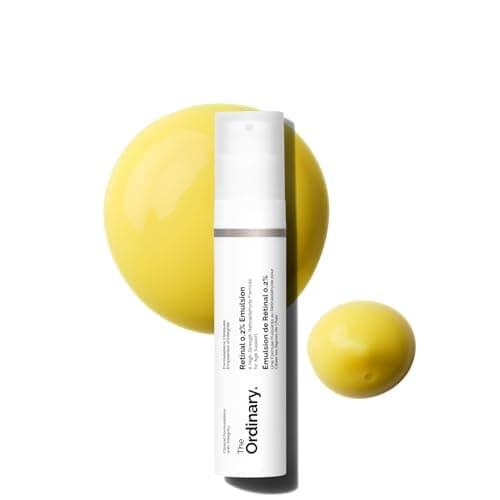
The step up for a genuine retinoid plateau — the case where 'it stopped working' means 'my skin has adapted and I want more'. Retinaldehyde is one conversion step from retinoic acid rather than two, so it is a real rung above a starter retinol without being a prescription.

Best step up after a retinol plateau
8.0
$14.90Amazon
03
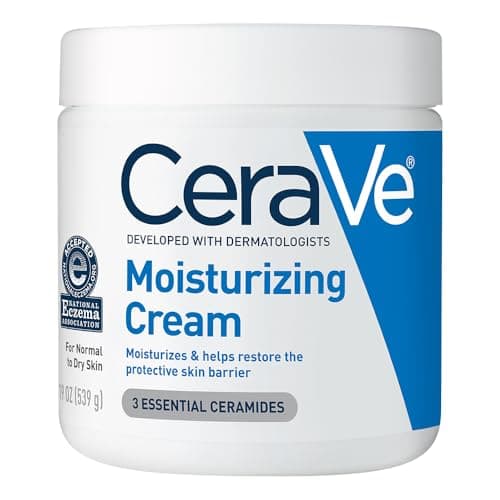
CeraVe CeraVe Moisturizing Cream
CeraVe Moisturizing Cream

The product that illustrates the plateau best, and the right answer to the seasonal version of this question. A ceramide cream does not stop working — but a lotion that was enough in summer stops being enough when the heating goes on, and this is what you put over it. Nothing to adapt to, nothing to rotate.

Best fix when the season, not the product, changed
9.0
$18.96Amazon

#ad · Live prices from the Amazon Product API, as of October 18, 2026. Where we have no verified live price, we show none — a gap beats a number that has rotted.

In detail

The picks, in full

01
The Ordinary The Ordinary Ascorbyl Glucoside Solution 12%

Best for a vitamin C that keeps going off

The Ordinary Ascorbyl Glucoside Solution 12%

12% ascorbyl glucosideWater-basedNo low-pH stingFragrance-free
8.4/10

The answer to the commonest genuine case of a product that stopped working: an oxidised vitamin C. Ascorbyl glucoside is a stable derivative that does not brown in the bottle and does not need a stinging low pH, so what you apply in month four is what you applied in week one. It is milder than L-ascorbic acid, and it is consistent.

Formula
7
Stability
9
Gentleness
10
Texture
7
Value
9

Pros

  • Does not oxidise and go brown the way pure L-ascorbic acid does
  • No low-pH sting, so it suits reactive skin
  • Stated percentage, water-light, layers under anything
  • Cheap enough to replace on schedule rather than when it looks wrong

Cons

  • A derivative, so less potent per unit than L-ascorbic acid
  • Needs enzymatic conversion in skin, and that is not fully characterised
  • Slightly tacky for a minute after application

Don't buy this if…

…you tolerate L-ascorbic acid and want maximum potency. Buy that, store it dark and cool, and replace it when it changes color.

$14.80View on Amazon

Price as of October 18, 2026. Prices change — Amazon's at checkout is the one that counts.

#ad · we may earn a commission from this link to The Ordinary Ascorbyl Glucoside Solution 12%

02
The Ordinary The Ordinary Retinal 0.2% Emulsion

Best step up after a retinol plateau

The Ordinary Retinal 0.2% Emulsion

0.2% retinaldehydeEmulsion baseOne step from retinoic acidFragrance-free
8.0/10

The step up for a genuine retinoid plateau — the case where 'it stopped working' means 'my skin has adapted and I want more'. Retinaldehyde is one conversion step from retinoic acid rather than two, so it is a real rung above a starter retinol without being a prescription.

Efficacy
8
Tolerability
7
Formula
8
Texture
8
Value
9

Pros

  • A genuine increase in potency, not a lateral brand change
  • Stated percentage and a named retinoid form
  • Emulsion base is more comfortable than most retinal serums
  • Costs a fraction of the premium retinals

Cons

  • Stronger means a second adjustment period
  • Retinal is less stable than retinol and dislikes light and heat
  • Not for pregnancy, like every retinoid

Don't buy this if…

…you have not been using a retinol consistently for at least six months. Stepping up before you have adapted buys irritation, not results.

$14.90View on Amazon

Price as of October 18, 2026. Prices change — Amazon's at checkout is the one that counts.

#ad · we may earn a commission from this link to The Ordinary Retinal 0.2% Emulsion

03
CeraVe CeraVe Moisturizing Cream

Best fix when the season, not the product, changed

CeraVe Moisturizing Cream

3 ceramidesHyaluronic acidMVE deliveryFragrance-free
9.0/10

The product that illustrates the plateau best, and the right answer to the seasonal version of this question. A ceramide cream does not stop working — but a lotion that was enough in summer stops being enough when the heating goes on, and this is what you put over it. Nothing to adapt to, nothing to rotate.

Formula
10
Results
9
Gentleness
9
Texture
7
Value
10

Pros

  • Occlusive enough to solve a winter complaint without changing your routine
  • Ceramide-and-cholesterol logic is well supported and does not degrade
  • Fragrance-free, so it layers over anything you already own
  • A tub lasts a whole winter for very little money

Cons

  • Too heavy for oily skin as a daily cream
  • Tub packaging and a slow sink-in time
  • Does nothing for the complaints that are not dryness

Don't buy this if…

…your complaint is texture, pigment or lines. Those need an active, and this is a barrier product.

$18.96View on Amazon

Price as of October 18, 2026. Prices change — Amazon's at checkout is the one that counts.

#ad · we may earn a commission from this link to CeraVe Moisturizing Cream

How to diagnose it in one week

  1. Look at the bottle. Has it changed color, separated, thickened or started to smell different? Is it past its period-after-opening window? If yes, that is your answer and it cost you nothing to find.
  2. Check the calendar, not the product. Did this start when the heating went on, when you moved, or when you started a new active? Seasonal and additive changes explain most of these cases.
  3. Find a photograph from three months ago. In decent light, from the same angle. This resolves the moved-baseline version of the question faster than any reasoning will.
  4. Stop the product for two weeks. The genuinely informative test. If nothing changes, it was not doing much. If things get worse, it was doing more than you thought — which is the usual result.
  5. Change one thing. Then give it twelve weeks. Changing three products because one plateaued is how people end up with a shelf full of half-used bottles and no idea what works.

Do you need to rotate your skincare?

No. Rotation is a marketing idea with a tidy-sounding rationale and nothing underneath it — and it has a real cost, because every switch restarts the twelve-week clock on finding out whether something works. The one place a schedule genuinely helps is skin cycling, and that is about tolerance to strong actives rather than about your skin getting bored.

The products with the strongest evidence behind them are also the ones that reward being left alone for years: a sunscreen you wear daily, a retinoid you have titrated, a moisturizer that suits your skin. Our is skincare worth it page takes the same line about the category as a whole, and skincare vs no skincare looks at what actually accumulates over decades.

When it really is time to change something

  • A product that has started to sting or itch. That is a reaction, not a plateau — and it may be a reformulation. Stop and patch test before deciding.
  • Six consistent months on a starter retinoid with no further change. Step up a rung.
  • A complaint the product was never for. A moisturizer has never treated pigment. If what you want now is different, buy for the new complaint — dark spots and texture both have their own pages.
  • An expired or degraded bottle. Replace it with the same thing, stored better.
How we picked

We did not lab-test this gear

Everyone in this category says they tested twenty products. We have not lab-tested any of these, and we say so. What we did instead: compiled the published specifications, decoded the ingredient (INCI) lists active by active, ran the math where there was math to run, and scored each product against a published rubric. The scores are judgments from documented research — not measurements we took, because we do not have a lab and we will not pretend we do. Where a number came from someone else's work, we name them in Sources.

Questions

Frequently asked

Does skincare stop working after a while?
Almost never in the sense people mean. Skin does not develop tolerance to moisturizers, sunscreens or most actives. What usually happened is a plateau after the initial gain, a seasonal change, a degraded bottle, or a baseline that moved while the product stayed the same.
Do you need to switch skincare products every few months?
No. Rotation has no mechanism behind it and a real cost: every switch restarts the twelve-week clock on finding out whether something works. The exception is stepping up a retinoid strength once your skin has adapted, which is a planned progression rather than a rotation.
Why did my vitamin C serum stop working?
Most likely it oxidised. L-ascorbic acid degrades on contact with air and light, and a serum that has turned yellow or brown has lost potency. Either store it cool and dark and replace it on schedule, or switch to a stable derivative such as ascorbyl glucoside.
Does skin build a tolerance to retinol?
Skin becomes less reactive to a given strength over months — fewer side effects, not fewer results. That is why the category is built as a ladder. If you have been consistent for six months and want more change, the answer is the next rung up, not a different brand at the same strength.
Why does my moisturizer suddenly not feel like enough?
Usually the ambient humidity. Indoor heating in winter drops it sharply, and a gel or lotion that was ideal in summer stops being sufficient. Add a thicker occlusive over the top for a few months rather than replacing a product that was working fine.
How do I know whether a product is still doing anything?
Stop it for two weeks. It is the only genuinely informative test. Take a photograph in consistent light first, then compare. Most people discover a product was doing more than they thought.

Keep reading

Receipts

Sources

We do not run a testing lab, and we do not pretend to. Where a measured number came from someone else's work, we name them and link them. Where we could not verify something, we say so on the page rather than quietly leaving it out. Read our full method.